Source Internal Grooving Tool Holder for CNC Lathe, Metal Cutting, and Machining
Compare 30 Internal Grooving Tool Holder options from verified suppliers. These metal and alloy tools support CNC lathe operations, metal processing machinery parts, and general metal cutting applications with customizable features.
Key considerations
Products List

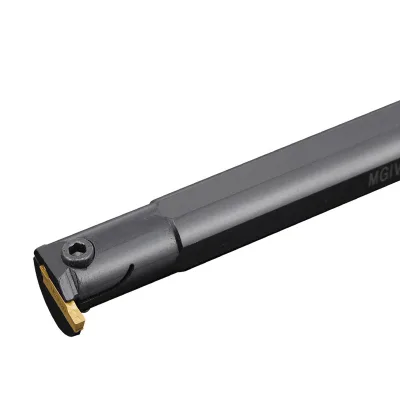


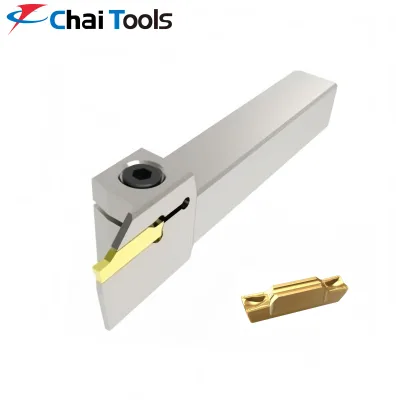


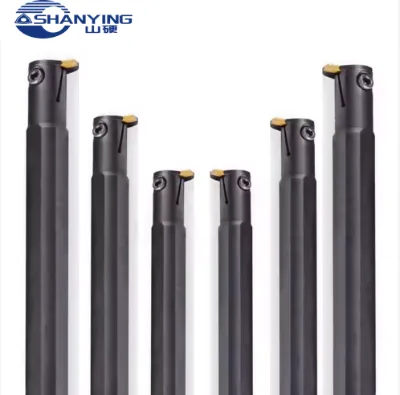
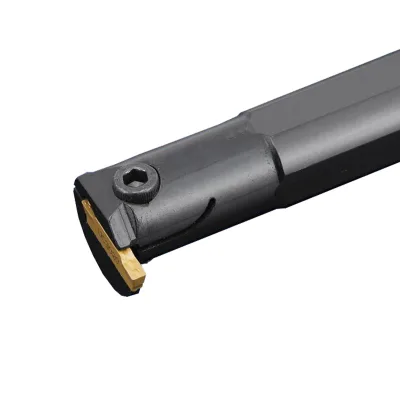
Comprehensive Sourcing Guide
Internal Grooving Tool Holder Sourcing Guide
Sourcing internal grooving tool holders requires a precise understanding of the mechanical interface, material composition, and operational environment of your CNC lathe. These tools are specialized cutting inserts or holders designed to create grooves, seals, or grooves for O-rings inside cylindrical bores. Unlike external turning tools, internal grooving presents unique challenges regarding chip evacuation, rigidity, and access depth. Buyers must recognize that the tool holder is not merely a passive clamp but a critical component that dictates the stability of the cut, the surface finish of the internal diameter, and the overall tool life. The selection process begins with identifying the specific geometry required for your part, such as the need for small hole deep groove capabilities or standard inner hole grooving applications.
The market for these components is characterized by a wide variance in specifications, ranging from basic alloy steel holders to high-hardness, corrosion-resistant variants. Procurement teams often encounter listings that mix attributes, such as combining "New" condition with "No Warranty" or listing multiple model numbers under a single product page. It is essential to treat product attributes as observations rather than universal claims. For instance, while some listings highlight high hardness and durability, others may specify uncoated surfaces or specific material grades like 42CrMo. A disciplined approach involves cross-referencing the physical dimensions of your machine’s turret or tool post with the holder’s shank size and length to ensure compatibility before initiating any commercial dialogue.
Product Scope and Observed Listing Signals
The observed product landscape for internal grooving tool holders reveals a diverse range of configurations, primarily categorized by their model numbers and intended use cases. Common model identifiers include the S20N-QC16R, MGIVR series (such as MGIVR2520-2.5 and MGIVR2016-1.5), and the MGEHR series (including MGEHR1212 and MGEHR2525). These designations typically correlate with the shank dimensions and the maximum groove width or depth capability. Buyers should note that some listings describe the product as a "Grooving tool holder" while others classify it broadly as a "Cutting Tool" or "Boring Bars." This variation in terminology can lead to confusion; therefore, it is crucial to verify the exact physical form factor. The presence of accessories such as screws, clamps, and wrenches in the packing list is a positive indicator of a complete kit, whereas listings that omit these details may require separate procurement of mounting hardware.
Packing and origin details provide additional signals regarding the supplier’s operational maturity. Most observed products originate from Mainland China, with specific mentions of Zhejiang as a place of origin. The standard packaging is typically plastic boxes or cartons, with single package sizes around 10x5x5 cm and a gross weight of approximately 0.600 kg. However, buyers must be cautious of inconsistent data points, such as listings that claim "Customization: Available" while simultaneously stating "Customized: Non-Customized." This contradiction suggests that the supplier may offer standard off-the-shelf items but lacks a robust framework for bespoke engineering solutions. Additionally, the absence of a warranty on some listings is a significant commercial signal that requires negotiation or risk mitigation strategies, especially for high-volume procurement where tool breakage can disrupt production schedules.
Technical Specifications to Verify
Verifying the technical specifications of an Internal Grooving Tool Holder is the most critical step in preventing machine downtime and part rejection. The primary dimension to validate is the shank size and length, which must match the tool post of your CNC lathe. Models like the MGIVR2520-2.5 suggest specific shank dimensions, but buyers must confirm the exact millimeter measurements against their machine’s tool holder interface. Furthermore, the hardness of the tool material is a key performance indicator. Observed data indicates hardness levels ranging from HRC42-46 for certain alloy variants, while other listings emphasize "High hardness" without specifying the Rockwell scale. Buyers should request a material test report or certificate of analysis to confirm that the 42CrMo or alloy steel composition meets the required tensile strength and wear resistance for their specific machining application.
Another vital technical aspect is the coating and surface treatment of the tool holder. Some products are listed as "uncoated," which may be suitable for softer materials or light-duty operations but could lead to rapid wear in high-speed or high-temperature environments. Conversely, corrosion resistance is highlighted as a characteristic in some listings, suggesting protective treatments that extend service life. Buyers must also verify the machine compatibility, ensuring the tool is designed for 3-Axis CNC lathes and can handle the specific cutting forces of their operation. The inclusion of accessories like clamps and wrenches is technically significant, as the quality of these fasteners directly impacts the rigidity of the tool holder. A loose clamp can lead to chatter, poor surface finish, and potential tool breakage, so verifying the torque specifications and material quality of these accessories is essential.
Compliance and Safety Documentation
Compliance and safety documentation for internal grooving tool holders often involve a mix of international standards and manufacturer-specific certifications. Observed listings mention certifications such as ISO 9001, CE, and ISOGS, along with standards like JIS, GB, and DIN. However, buyers must distinguish between product certifications and company quality management certifications. An ISO 9001 certification indicates that the supplier’s manufacturing process meets international quality management standards, but it does not automatically certify the performance of every individual tool holder. Similarly, CE marking suggests compliance with European health, safety, and environmental protection standards, which is crucial for buyers operating in or exporting to the EU. Buyers should request copies of these certificates and verify their validity through the issuing bodies, as some listings may display certifications that are outdated or irrelevant to the specific product type.
Safety considerations also extend to the operational guidelines provided by the supplier. While many listings do not explicitly detail safety protocols, buyers should ensure that the supplier provides clear instructions on maximum RPM, cutting speeds, and feed rates. The absence of a warranty, as noted in some product attributes, raises safety and liability concerns. If a tool holder fails due to material defect, the lack of warranty shifts the financial and operational risk entirely to the buyer. Therefore, buyers should negotiate for a limited warranty or a replacement policy for defective units. Additionally, verifying that the tool holder meets the relevant DIN or JIS standards for tool holder interfaces ensures that the component will fit safely and securely in the machine, reducing the risk of catastrophic failure during high-speed rotation.
Cost Drivers and Commercial Terms
The cost of internal grooving tool holders is influenced by several factors, including material quality, manufacturing complexity, and commercial terms. The observed price range of $0.6 to $245 USD reflects this variance, with lower prices likely corresponding to basic, uncoated, or smaller shank sizes, and higher prices associated with specialized models, high-hardness alloys, or complete kits with premium accessories. Buyers should analyze the cost per unit in the context of the tool’s expected lifespan and performance. A cheaper tool that breaks frequently or produces poor surface finishes may result in higher overall costs due to increased downtime and scrap rates. Therefore, the focus should be on total cost of ownership rather than just the initial purchase price.
Commercial terms such as Minimum Order Quantity (MOQ) and lead time are also significant cost drivers. The observed MOQ range of 0 to 100 pieces, with a specific mention of 10 pieces for some models, offers flexibility for small-batch procurement. However, buyers should be aware that lower MOQs may come with higher unit prices. Lead times, typically observed as 3-7 days, are relatively short, which is beneficial for just-in-time manufacturing. However, buyers must confirm if these lead times are for standard stock items or if they apply to customized orders. The availability of OEM and ODM services suggests that suppliers can accommodate specific branding or design requirements, but this customization may incur additional costs and longer lead times. Buyers should negotiate clear terms regarding payment methods, shipping responsibilities, and return policies to mitigate financial risks.
Supplier Qualification and Quality Control
Qualifying a supplier for internal grooving tool holders requires a thorough assessment of their manufacturing capabilities and quality control processes. Buyers should verify the supplier’s production capacity, especially if they require consistent supply of specific model numbers like the MGIVR or MGEHR series. The mention of "Customized support: OEM, ODM" indicates that the supplier has the flexibility to adapt to buyer needs, but buyers should request examples of previous custom work to assess their engineering competence. Additionally, the brand name "MDBT" appears in some listings, which may indicate a private label or a specific product line. Buyers should investigate the reputation of this brand and its association with the supplier to ensure consistency in quality.
Quality control measures should be a key part of the supplier evaluation. Buyers should inquire about the testing procedures used to verify the hardness, dimensional accuracy, and surface finish of the tool holders. The observation of "High hardness" and "Corrosion Resistance" as characteristics should be backed by empirical data, such as hardness test reports or salt spray test results. Buyers should also assess the supplier’s packaging standards, as improper packaging can lead to damage during transit. The use of plastic boxes and cartons is standard, but buyers should ensure that the packaging includes adequate protection against moisture and impact. Establishing a clear quality agreement that defines acceptable tolerances and defect rates is essential for maintaining consistent supply and minimizing production disruptions.
Long-Term Procurement Checks
Long-term procurement of internal grooving tool holders requires a strategic approach to supplier relationship management and continuous improvement. Buyers should establish regular performance reviews to assess the quality, delivery, and responsiveness of their suppliers. Tracking metrics such as defect rates, lead time adherence, and customer service quality can provide valuable insights into the supplier’s reliability. Additionally, buyers should monitor market trends and technological advancements in tool holder design to ensure that their procurement strategy remains competitive. The availability of "New" condition products and "Durable" characteristics suggests that suppliers are committed to quality, but buyers should verify these claims through periodic audits or third-party inspections.
Furthermore, buyers should consider the scalability of their supply chain. As production volumes increase, the ability of the supplier to maintain quality and meet demand becomes critical. Buyers should negotiate volume discounts and long-term supply agreements to secure favorable pricing and priority production slots. The transportation options listed, including TNT, DHL, FedEx, EMS, and UPS, offer flexibility for global shipping, but buyers should evaluate the cost and reliability of these services for their specific locations. Finally, buyers should maintain a diversified supplier base to mitigate the risk of supply chain disruptions. By regularly evaluating and qualifying multiple suppliers, buyers can ensure a resilient and efficient procurement process for their internal grooving tool holders.
FAQs
What models are available for the Internal Grooving Tool Holder?
The listed series includes MGIVR and MGIVR/L holders in shank sizes such as MGIVR2016-1.5, MGIVR2520-2.5, MGIVR3125-5, and MGIVR3732-5, plus MGEHR external grooving models in 1212 through 2525 sizes. A listed model S20N-QC16R is also shown. Availability of a specific size should be confirmed with the seller before ordering, since listings vary.
Which materials are used in these grooving tool holders?
Listed products show metal and alloy construction, with one listing specifying 42CrMo steel. Grooving holders are typically made from heat-treated alloy steel for rigidity under cutting loads. One listing reports hardness of HRC42-46 and high hardness characteristics. Buyers should verify the exact material and heat treatment for the specific model they intend to purchase.
How quickly can internal grooving tool holders be delivered?
One listing states a delivery time of 3 to 7 days, shipped via carriers including TNT, DHL, FedEx, EMS, and UPS. Actual lead times depend on order quantity, stock status, and customization requirements. Confirm the current production schedule and shipping method with the seller before placing an order, especially for larger quantities.
What is the minimum order quantity for internal grooving tool holders?
One listing specifies an MOQ of 10 pieces per item. Overall product data shows MOQ values ranging from 0 to 100 across the category, so requirements differ by listing. Some sellers may accept single-piece trial orders. Always confirm the applicable MOQ, packaging format, and unit price with the specific supplier before committing.
Can internal grooving tool holders be customized with OEM or ODM support?
Yes. Product data shows customization is available, with OEM and ODM support explicitly provided on multiple listings. Customization can cover dimensions, coatings, and branding, though one listing notes logo printing is not included by default. Discuss your drawings, tolerances, and marking requirements with the supplier to confirm feasibility and any extra cost.
Which applications suit these grooving tool holders?
The listed holders are intended for grooving and turning operations, with applications in metal processing machinery parts, metal cutting machines, and CNC lathes. One listing notes compatibility with 3-axis CNC machines. Small hole deep groove holders are designed for internal bores. Match the shank size and groove width to your machine's tooling system before ordering.
How are internal grooving tool holders packaged for shipping?
Listings show packaging in plastic boxes or plastic plus carton, with one item packed as one piece per package. A single package size of 10X5X5 cm and a gross weight of about 0.600 kg are given for one listing. Accessories such as screws, clamps, and wrenches may be included with some holders.
What certifications and standards apply to these grooving tool holders?
Listed certifications include ISO, CE, and ISO 9001, and standards such as JIS, GB, and DIN appear in product data. One listing references MGEHR standard sizes from 1212 to 2525. Certification coverage can vary between individual listings, so request certificate copies from the supplier for the specific holder model you plan to source.