Source Inventory Management Handheld PDA for Warehousing, Retail, and Logistics
Explore 30 options for Inventory Management Handheld PDA devices featuring Android OS, rugged IP67/IP68 protection, and high-speed scanning. Buyers can compare specifications like battery capacity, screen size, and scanner models to find the right mobile terminal for their operations.
Key considerations
Products List


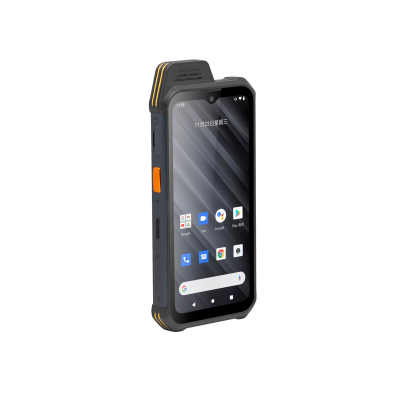
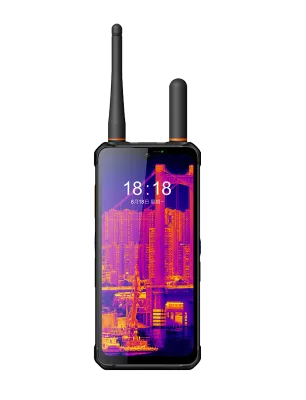

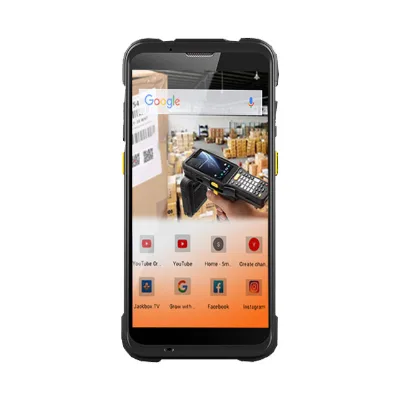
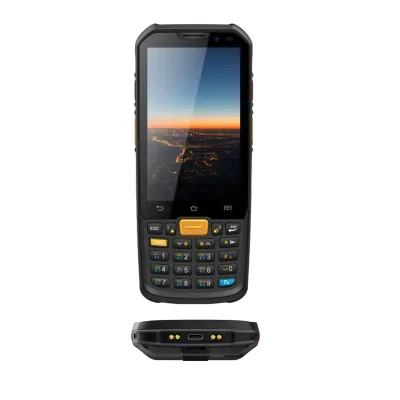
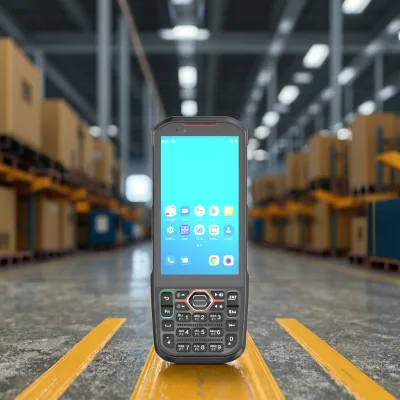
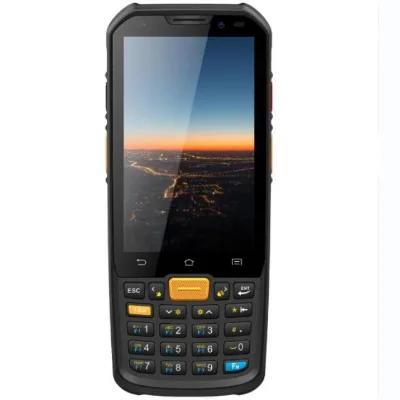
Android 8.1 Rugged Handheld Inventory PDA Qr Code Scanner Android Data Collector PDA
$179.00 - $229.00
MOQ: 2 Pieces


Portable Android10 PDA Barcode Scanner Rugged Handheld Android Inventory PDA Wireless
$20.00 - $249.00
MOQ: 1 Pieces


Android Handheld PDA Barcode Reader for Warehousing Logistics Android PDA
$210.00 - $230.00
MOQ: 10 Pieces
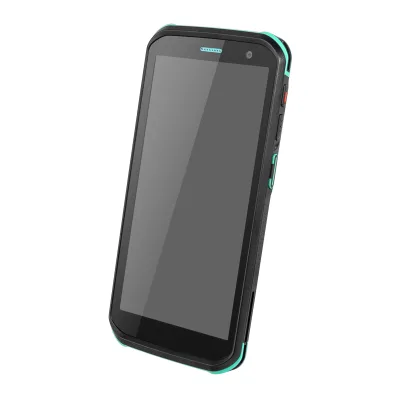

Android 11 Rugged Mobile PDA Scanner Handheld Android Data Collector PDA
$205.00 - $247.00
MOQ: 1 Pieces


2025 New Warehouse Managment Android Handheld Data Collection PDA Terminal
$295.00 - $345.00
MOQ: 1 Pieces


Smartphone Handheld Qr Barcode Scanner Inventory Mobile Data Terminal PDA
$220.00 - $279.00
MOQ: 1 Pieces

Mt90-Smartphone Handheld Qr Barcode Scanner Inventory Mobile Data Terminal PDA
$220.00 - $279.00
MOQ: 1 Pieces


Comprehensive Sourcing Guide
Inventory Management Handheld PDA Sourcing Guide
Sourcing an Inventory Management Handheld PDA requires a careful balance between rugged industrial durability and advanced mobile computing capabilities. These devices serve as the primary interface for warehouse operators, retail staff, and logistics personnel who need real-time data access in dynamic environments. The core value proposition lies in the integration of high-speed barcode scanning, robust wireless connectivity, and an operating system that supports custom inventory software. Buyers must recognize that not all handheld PDAs are created equal; the distinction between a simple barcode scanner and a full Android-based handheld computer is critical for determining software compatibility and operational flexibility.
The procurement process involves evaluating a wide range of specifications, from processor speed and memory capacity to battery life and protection ratings. Observed market listings indicate a diverse product landscape with prices ranging from $20 to $999 USD, reflecting significant variations in hardware quality and feature sets. Minimum order quantities (MOQ) typically range from 1 to 10 units, offering flexibility for both pilot testing and large-scale deployment. Understanding these market signals helps buyers set realistic expectations for cost, lead times, and supplier capabilities, ensuring that the selected device aligns with both technical requirements and budgetary constraints.
Product Scope and Observed Listing Signals
The current market for inventory management handheld PDAs features devices that function as both mobile computers and specialized data collectors. Listings frequently highlight key attributes such as Android operating systems, NFC capabilities, and WiFi connectivity, which are essential for seamless integration into modern enterprise resource planning (ERP) and warehouse management systems (WMS). The observed product range includes models with varying screen sizes, such as 5.7-inch and 6.3-inch displays, catering to different user preferences for readability and portability. These devices are often marketed with keywords like "rugged PDA," "industrial handheld terminal," and "mobile handheld terminal," indicating their suitability for demanding work environments where standard consumer electronics might fail.
A critical observation in the current listings is the variation in hardware configurations, particularly regarding memory, storage, and scanning engines. Some models offer 4GB RAM with 128GB storage, while others may have different configurations, directly impacting the device's ability to run complex inventory applications smoothly. The inclusion of specific scanning engines, such as the Zebra SE4710 or SE5500, is a significant differentiator, offering long-distance scanning capabilities that are crucial for high-bay warehouse operations. Buyers should note that while many devices claim IP67 or IP68 protection grades, the actual performance in dusty or wet conditions depends on rigorous quality control and proper sealing, which must be verified through supplier documentation rather than assumed from marketing materials.
Technical Specifications to Verify
When evaluating technical specifications, the processor and memory configuration are paramount for ensuring smooth multitasking and rapid data processing. Devices with octa-core processors running at 2.0GHz and Android 14 operating systems represent the higher end of the performance spectrum, offering faster boot times and better support for modern applications. However, buyers must verify the exact RAM and storage capacity, as some listings may specify 4GB RAM while others offer 8GB, which can significantly affect the device's longevity and performance under heavy load. It is also essential to confirm the version of the Android OS, as older versions like Android 11 may lack support for the latest security patches and application features, potentially creating vulnerabilities in the inventory management workflow.
The barcode scanning engine and camera system are other critical technical aspects that require detailed verification. The choice between a 2D imager and a laser scanner depends on the specific inventory needs, such as scanning damaged or poorly printed labels. Devices equipped with Zebra scanning engines are often preferred for their reliability and long-range capabilities, but buyers must confirm the specific model and its performance metrics. Additionally, the camera specifications, including megapixel counts for front and rear cameras, should be assessed based on the need for visual documentation of inventory items or proof of delivery. The inclusion of NFC and GPS capabilities, such as support for GPS, Beidou, and GLONASS, adds value for location tracking and contactless data exchange, but these features must be tested to ensure they function correctly within the specific operational environment.
Compliance and Safety Documentation
Compliance and safety documentation are non-negotiable requirements for deploying handheld PDAs in professional environments. Buyers must request evidence of relevant certifications, such as CE marking, which indicates conformity with health, safety, and environmental protection standards for products sold within the European Economic Area. While CE is mentioned in background data, it is crucial to verify that the certification is valid and covers the specific model being purchased, as counterfeit or outdated certificates are not uncommon in the electronics supply chain. Additionally, buyers should inquire about other regional certifications, such as FCC for the United States or RoHS for hazardous substance restrictions, depending on the target market and deployment location.
Battery safety and handling procedures are another critical area of compliance. Devices with detachable batteries, such as the 5000mAh or 6000mAh options observed in listings, require clear documentation on battery chemistry, safety standards, and disposal instructions. Buyers should ensure that the supplier provides a user manual that includes detailed safety warnings, charging guidelines, and emergency procedures. Furthermore, the packaging materials, whether retail boxes or export cartons with bubble wrap, should be evaluated for their ability to protect the devices during transit, minimizing the risk of damage and ensuring that the products arrive in usable condition. Proper documentation also extends to the software development kit (SDK), which should be provided to facilitate custom application development and integration with existing inventory systems.
Cost Drivers and Commercial Terms
The cost of an Inventory Management Handheld PDA is influenced by several key drivers, including the quality of the scanning engine, the robustness of the hardware, and the level of customization offered. Devices with premium scanning engines like the Zebra SE series, high-resolution cameras, and ruggedized designs with IP67 or IP68 ratings typically command higher prices. Conversely, basic models with standard scanners and lower protection grades may be more affordable but could result in higher long-term costs due to increased maintenance and replacement needs. Buyers should also consider the cost of accessories, such as additional batteries, charging docks, and protective cases, which can add significantly to the total cost of ownership.
Commercial terms, including minimum order quantities (MOQ) and payment terms, play a crucial role in the procurement strategy. Observed MOQs ranging from 1 to 10 units allow for flexibility in ordering, enabling buyers to start with small batches for testing before committing to larger orders. However, buyers should negotiate for volume discounts if they plan to deploy devices at scale. It is also important to clarify the warranty terms, return policies, and after-sales support services provided by the supplier. Clear communication regarding lead times and production schedules is essential to avoid delays in deployment, especially when integrating new devices into existing inventory management workflows.
Supplier Qualification and Quality Control
Supplier qualification is a critical step in ensuring the reliability and consistency of the handheld PDAs. Buyers should verify the supplier's manufacturing capabilities, including their production capacity, quality control processes, and experience in the handheld PDA industry. Suppliers that offer OEM/ODM services, such as Geshem, may provide greater flexibility in customizing devices to meet specific operational needs, but this requires careful evaluation of their engineering and design capabilities. It is also important to assess the supplier's reputation and track record, looking for reviews or references from other buyers in the inventory management sector.
Quality control measures should be rigorously enforced to ensure that each device meets the specified technical and performance standards. Buyers should request detailed quality control reports, including test results for drop tests, water resistance, and scanning accuracy. Implementing a pre-shipment inspection process can help identify and rectify any defects before the devices are dispatched. Additionally, buyers should establish clear communication channels with the supplier to address any issues that arise during the deployment phase. Providing feedback on device performance and usability can help the supplier improve their products and better meet the evolving needs of the inventory management market.
Long-Term Procurement Checks
Long-term procurement checks focus on the sustainability and scalability of the handheld PDA deployment. Buyers should regularly review the performance of the devices in the field, monitoring metrics such as battery life, scanning accuracy, and software stability. This data can inform decisions about future purchases, including whether to upgrade to newer models or adjust the specifications of subsequent orders. It is also important to stay informed about advancements in technology, such as improvements in scanning engines or new operating system features, that could enhance the efficiency of inventory management operations.
Supplier relationship management is another key aspect of long-term procurement. Maintaining open and transparent communication with suppliers can lead to better pricing, improved service, and access to new product innovations. Buyers should conduct periodic supplier audits to ensure ongoing compliance with quality and safety standards. Additionally, developing a contingency plan for device replacement and maintenance can help minimize downtime and ensure continuous operation of inventory management processes. By proactively managing these long-term factors, buyers can maximize the value and reliability of their handheld PDA investments.
FAQs
What operating system does this Inventory Management Handheld PDA run?
The handheld PDA runs Android, with listed models supporting Android 11 and Android 14, and one configuration supports Google Play. This means buyers can install inventory apps directly from the store or via the included software development kit. Confirm the exact OS version with the supplier before ordering, since configurations vary by model such as the T80s and PDA-GS0631W.
How durable are these handheld PDA devices for warehouse use?
Listed protection grades reach IP67 and IP68, meaning the devices resist dust and water immersion at defined levels. Combined with a rugged handheld form factor, they suit warehouse, logistics, and industrial environments. Durability requirements differ between models, so verify the exact protection grade and drop rating for the specific configuration you plan to order.
Which barcode scanning capability is included in these handheld terminals?
The devices are classified as barcode scanners with network scanning support, and some configurations use a 2D imager such as Zebra SE4710 or SE5500 for long-distance scanning. Scan speed is listed at 200 scans per second. Confirm whether you need 1D, 2D, or long-range scanning so the supplier configures the correct scanner module.
Can the handheld PDA be customized with our own branding?
Yes, customization is listed as available, and brand names are shown as Geshem, OEM, or ODM. Buyers can typically request custom branding, packaging, and software configurations, though minimum order quantities may apply. Discuss your branding requirements, artwork, and any SDK-based software customization with the supplier before confirming the order.
What connectivity options do these Android PDA terminals support?
Listed connectivity includes USB interface type, GPRS internet connection, WiFi, NFC, and Bluetooth 5.1, plus GNSS positioning through GPS, Beidou, and GLONASS. This combination supports inventory data collection, wireless sync, and location tracking. Verify which networks and frequency bands are supported in your region, since connectivity configurations can differ between models.
What are the camera and screen specifications of the rugged PDA?
One listed configuration has a 5.7 inch screen with a 16 megapixel front camera, 64 megapixel rear camera, 24 megapixel night vision, and a 2.0 megapixel macro camera. Another has a 6.3 inch screen with a 5 megapixel front camera and 24 megapixel plus 2 megapixel macro rear cameras. Choose the configuration matching your photo documentation needs.
How is the handheld PDA packed and shipped?
Listed packing options include a carton box with bubble wrap and a retail box plus export carton. Selling units are single items, and observed minimum order quantities range from 1 to 10 pieces. Confirm the packing style, export carton quantity, and shipping terms with the supplier, since goods ship from Guangdong, China.
What memory and battery configurations are available?
Listed memory options include 4GB and 8GB RAM with storage capacity up to 128GB, and battery options include a 5000mAh detachable battery and a standard 6000mAh detachable battery. Detachable batteries allow quick swaps during long shifts. Confirm the exact memory, storage, and battery combination for the model you intend to purchase.