Source Invisible Push-up Bra for Bra Cup, Lingerie, and Underwear
Compare 29 listings for the Invisible Push-up Bra featuring full cup and three-quarter designs. Buyers can evaluate silicone and fabric options with wire-free support and customizable patterns for sport lines or nightwear.
Key considerations
Products List


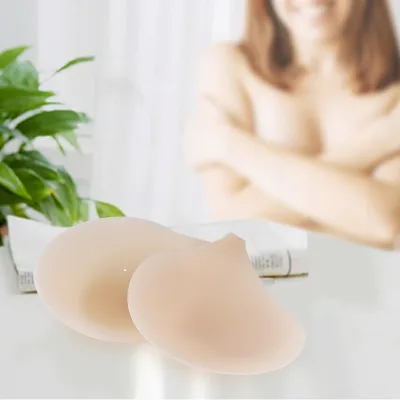

Backless Wire Free Strapless Invisible Bra with Silicone Push up U Shape
$1.20 - $1.50
MOQ: 200 Pieces


Comprehensive Sourcing Guide
Strategic Sourcing Guide for Invisible Push Up Bras
The global market for intimate apparel has seen a sustained shift toward versatile, seamless, and unobtrusive designs that maintain a polished silhouette under modern clothing. Among these, the invisible push-up bra has emerged as a critical category for both retail and private label procurement. This guide provides a disciplined, evidence-based framework for buyers evaluating suppliers and products in this sector. It focuses on technical specifications, material integrity, compliance verification, and cost structures derived from observed market data, ensuring that procurement decisions are grounded in verifiable facts rather than marketing assertions.
Technical Specifications and Design Architecture
When sourcing an invisible push-up bra, the primary technical differentiator lies in the construction of the cup and the strap configuration. The "invisible" attribute typically necessitates specific strap types, such as invisible or backless designs, which eliminate visible lines under tight or sheer garments. The core functionality of the push-up element is often achieved through specialized padding, specifically categorized as push-up pads, which are distinct from standard bra cups. These pads are engineered to lift and shape, often utilizing a full cup or three-quarters (3/4 cup) shape to maximize coverage and support without compromising the seamless aesthetic.
Material selection is paramount for achieving the desired balance between structure and discretion. Observed market data indicates a divergence in material composition based on the intended use case. Silicone is frequently utilized for its ability to provide a secure, non-slip grip and a natural feel, particularly in strapless or backless configurations. Conversely, blends of polyester and spandex, or pure nylon, are common for their durability, elasticity, and ability to maintain shape over repeated wear. The production techniques employed also vary significantly; while some manufacturers utilize embroidered techniques to add decorative elements or structural reinforcement, others rely on woven or plain dyed methods to ensure a smooth, uniform surface that remains undetectable under clothing.
The following table summarizes the key technical attributes observed in the current market landscape for this product category:
| Attribute Category | Observed Specifications | Functional Implication |
|---|---|---|
| Strap Configuration | Invisible, Backless, Strapless | Essential for "invisible" wear under specific necklines and fabrics. |
| Cup Construction | Full Cup, Three Quarters (3/4 Cup) | Determines coverage area and the extent of the push-up effect. |
| Padding Type | Push Up Pads, Bra Cup | Provides the lifting mechanism and shape enhancement. |
| Primary Materials | Silicone, Polyester/Spandex, Nylon | Affects grip, breathability, durability, and comfort. |
| Production Technics | Embroidered, Woven, Plain Dyed | Influences texture, visual appeal, and structural integrity. |
| Support Style | Wire Free | Ensures comfort and flexibility, aligning with modern wearability trends. |
Compliance, Certification, and Material Safety
In the intimate apparel sector, compliance is not merely a regulatory formality but a critical component of brand reputation and consumer safety. Buyers must verify that suppliers adhere to relevant chemical and safety standards, particularly regarding the materials used in direct contact with sensitive skin. While specific certification names were not provided in the source data, the presence of materials like silicone and various synthetic blends necessitates rigorous testing for phthalates, azo dyes, and heavy metals.
For products originating from major manufacturing hubs such as China and Guangdong Province, buyers should request documentation confirming adherence to international safety standards. The "S to xxxl" size standard mentioned in product attributes suggests a broad sizing range, which implies that the supplier must have robust quality control systems to ensure consistency across all sizes. Inconsistencies in sizing can lead to high return rates and customer dissatisfaction. Furthermore, the "Gold Stamp" craft attribute indicates a potential for decorative elements that must also be tested for skin irritation and durability.
Buyers should explicitly request test reports for the specific batch of products being ordered. These reports should cover color fastness, shrinkage, and tensile strength, ensuring that the "Quick-Drying" and "Breathable" features claimed in the product descriptions are verifiable through standard laboratory testing methods. Without such documentation, claims regarding material performance remain unverified observations rather than guaranteed specifications.
Cost Drivers and Pricing Dynamics
The pricing structure for invisible push-up bras is influenced by a complex interplay of material costs, customization levels, and order volume. The observed price range in the market spans from $0.30 to $20.00 USD. This wide variance is not arbitrary but reflects significant differences in product complexity and value proposition. Lower price points typically correspond to basic configurations using standard polyester or nylon blends with minimal customization. In contrast, higher price points are associated with advanced materials like medical-grade silicone, intricate embroidery, or specialized gold stamping processes.
Customization is a primary cost driver in this category. The data indicates that customization is available for various aspects, including the product itself, group clothing orders, and specific styles like bikinis, lingerie, and sexy underwear. Each layer of customization adds to the production complexity and cost. For instance, a standard plain dyed bra will be significantly cheaper than one featuring custom embroidery or specific branding. Additionally, the "Carton Box" versus "Express Logistics" or "OPP Bag" packaging options influence the final landed cost. Bulk packaging in carton boxes is generally more cost-effective for large orders, while individual OPP bagging is preferred for retail-ready units but incurs higher per-unit handling costs.
Minimum Order Quantities (MOQs) also play a crucial role in cost management. The observed MOQ range spans from 1 to 2000 units. Suppliers with lower MOQs may charge a premium per unit to cover setup costs for smaller batches. Conversely, orders approaching the 2000-unit threshold often benefit from economies of scale, reducing the unit cost significantly. Buyers must balance their inventory needs with their budget constraints, understanding that the "Sweet Spot" for cost efficiency often lies in the mid-to-high volume range where setup costs are amortized over a larger number of units.
Typical Applications and Market Segmentation
The versatility of the invisible push-up bra allows it to serve multiple market segments, from everyday wear to specialized occasions. The product attributes highlight applications in "Sport Lines," "Nightwear," "Bikini," "Underwear," and "Sexy Lingerie." This diversity requires buyers to understand the specific performance requirements of each segment.
For sport and active wear, the "Quick-Drying" and "Breathable" features are non-negotiable. Products in this segment must utilize materials that wick moisture effectively and maintain their shape during movement. The "Wire Free" support style is particularly relevant here, offering comfort without restricting motion. In the nightwear and lingerie segments, the focus shifts to aesthetics and tactile comfort. Features like "Sexy" and "Push Up" are emphasized, and the use of materials like silicone or soft blends becomes more critical to ensure a luxurious feel.
The "Group Clothing" and "Custom 2" attributes suggest a strong B2B potential for corporate events, team uniforms, or promotional merchandise. In these scenarios, the ability to customize the product with specific branding or colors is a key value proposition. Similarly, the "Bikini" and "Underwear" applications indicate that these bras are often designed to be worn as standalone pieces or as foundational layers under swimwear and casual attire. Understanding these distinct use cases is essential for selecting the right supplier who can meet the specific functional demands of each application.
Supplier Evaluation and Quality Assurance
Evaluating a supplier for invisible push-up bras requires a multi-faceted approach that goes beyond price comparisons. Buyers should assess the supplier's technical capabilities, specifically their proficiency with the "Embroid" and "Woven" techniques mentioned in the product data. A supplier with advanced embroidery capabilities can offer higher value-added products, but this must be balanced against the risk of quality inconsistencies.
Quality control protocols should be a central part of the supplier evaluation. Given the "S to xxxl" size range, the supplier must demonstrate a consistent ability to maintain size accuracy across the entire spectrum. Buyers should request samples from different size batches to verify that the "Push Up Pads" and "Bra Cup" construction remain consistent regardless of the size ordered. Additionally, the "Gold Stamp" craft requires precision; any misalignment or peeling of the stamp can be a significant quality defect.
The location of the supplier, whether in China or Guangdong Province, can impact logistics and communication. While these regions are known for their manufacturing expertise, buyers should verify the supplier's export experience and their ability to handle international shipping standards. The "Carton Box" and "Express Logistics" packaging options suggest that the supplier has experience with various shipping requirements, but buyers should confirm that the packaging is robust enough to protect the product during transit, especially for delicate items like silicone bras.
Long-Term Procurement Considerations
Sourcing invisible push-up bras is not a one-time transaction but a long-term partnership that requires strategic planning. Buyers should consider the scalability of the supplier's production capacity. With an observed MOQ range up to 2000 units, the supplier must be capable of scaling production up or down based on market demand fluctuations. This flexibility is crucial for managing inventory levels and avoiding stockouts or overstock situations.
Sustainability and ethical manufacturing practices are increasingly becoming important factors in procurement decisions. While specific certification data was not provided in the source material, buyers should inquire about the supplier's environmental policies, particularly regarding the disposal of synthetic materials and the sourcing of raw materials. The use of "Polyester / Spandex" and "Nylon" raises questions about microplastic shedding and recyclability, which are growing concerns for environmentally conscious consumers.
Finally, the "Customization" aspect offers a pathway for long-term brand differentiation. By working closely with a supplier who can offer flexible customization options, buyers can develop unique product lines that stand out in a crowded market. This requires a deep understanding of the target customer's preferences and the ability to translate those preferences into specific product attributes, such as color, pattern, and structural design.
In conclusion, sourcing invisible push-up bras requires a meticulous approach that balances technical specifications, cost efficiency, and quality assurance. By focusing on the verified attributes of the product, such as material composition, strap type, and production techniques, buyers can make informed decisions that align with their brand values and market objectives. The wide range of observed specifications and price points offers ample opportunity for strategic sourcing, provided that buyers remain diligent in their verification processes and maintain high standards for quality and compliance.
FAQs
What materials are used for invisible push up bras?
Silicone, polyester, spandex, and nylon are the primary materials observed. Silicone offers a secure grip for strapless designs, while blends provide durability and elasticity for everyday wear.
Which strap types ensure an invisible look?
Invisible, backless, and strapless configurations are available to eliminate visible lines. These designs are essential for wearing under tight or sheer garments without compromising the seamless aesthetic.
Can I customize the bra for group clothing orders?
Customization is available for group clothing, bikinis, lingerie, and underwear. Buyers can request specific branding or styles, though this adds to production complexity and cost.
What is the typical price range for these products?
The observed price range spans from 0.30 to 20.00 USD. Lower prices reflect basic blends, while higher costs correspond to advanced materials like silicone or intricate embroidery.
How does the cup shape affect the push-up effect?
Full cup and three-quarters cup shapes are used to maximize coverage and lift. These constructions determine the extent of the push-up effect while maintaining a natural silhouette.
What are the minimum order quantity requirements?
MOQs range from 1 to 2000 units depending on the supplier. Lower MOQs may carry a premium, while larger orders benefit from economies of scale to reduce unit costs.