Source Invisible Waterproof Acne Patch for acne care, scar healing, and daily use
Compare 30 options for the Invisible Waterproof Acne Patch featuring hydrocolloid material and customizable shapes. Buyers can evaluate specifications like thickness, sizes, and packaging to find suitable solutions for acne care and scar healing.
Key considerations
Products List


Invisible Waterproof Adhesive Breathable Hydrocolloid Acne Pimple Patch
$0.10 - $0.50
MOQ: 1000 Pieces


Invisible Waterproof Adhesive Breathable Hydrocolloid Acne Pimple Patch
$0.20 - $0.25
MOQ: 30000 Pieces


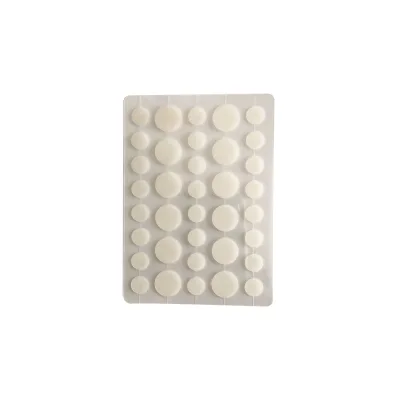
12/24 Point Easy Patch Transparent Invisible Waterproof Water-based Acne Patch
$0.30 - $0.45
MOQ: 10000 Minimum

Invisible Waterproof Acne Healing Pimple Patches - Hydrocolloid for Skin Care
$0.30 - $0.34
MOQ: 50000 Pieces


Comprehensive Sourcing Guide
Strategic Sourcing Guide for Invisible Waterproof Acne Patches
Understanding Product Specifications and Material Composition
When sourcing invisible waterproof acne patches, the primary focus must be on the material composition and physical specifications that define the product's efficacy and user experience. The core material identified in the supply chain is hydrocolloid, a substance known for its ability to absorb exudate and create a moist healing environment. This material is fundamental to the product's function as a daily acne patch, distinguishing it from other topical treatments. The physical dimensions of these patches vary significantly across different supplier offerings, which directly impacts their application on various skin types and acne sizes.
Buyers must verify the thickness of the hydrocolloid layer, as this determines the "invisible" quality of the patch when applied. Observed data indicates thickness specifications ranging from 0.02mm to 0.5mm. A thickness of 0.02mm is critical for achieving a truly invisible finish on the face, particularly for combination skin types, whereas thicker variants around 0.4mm or 0.5mm may offer higher absorption capacity but could be more visible. The standard diameters available in the market include 8mm, 10mm, 12mm, and 14mm, with specific models offering combinations such as 12mm/8mm or 638mm, 675mm, and 6*100mm. These variations allow procurement teams to match the patch size to the specific size of the blemish, ensuring optimal coverage without unnecessary material waste.
The shape of the patch is another critical specification. While the core keyword implies a standard round or flat profile, the market offers diverse shapes including round, heart, star, and square. The color options also vary, with transparent being the standard for "invisible" claims, alongside black and orange variants. The packaging format is equally important for logistics and retail presentation. Products are commonly supplied in boxes, pouches, or cartons, with internal configurations ranging from 1 sheet per paper plastic bag to bulk boxes containing 36, 50, or 60 pieces per sheet. Some specifications indicate a standard of 24 or 36 pieces per tablet, while others offer OEM customization for specific piece counts per box.
Compliance, Certification, and Safety Standards
In the personal care and medical device sectors, compliance is not merely a formality but a prerequisite for market entry and consumer trust. For invisible waterproof acne patches, buyers must rigorously audit the certification status of potential suppliers. The supply chain data highlights several key certifications that serve as indicators of quality and regulatory adherence. The most frequently observed certifications include CE and ISO, which are essential for products entering the European and global markets. Additionally, specific product listings reference a broader suite of certificates including ISO, FDA, BSCI, and Wca.
The presence of Ethylene Oxide Sterilization is a critical safety feature that buyers must verify. This process ensures that the hydrocolloid patches are free from harmful pathogens, which is vital for products applied directly to compromised skin. The absence of this certification could pose significant health risks and liability issues. Furthermore, the product standard is often cited as "customized" or adhering to specific millimeter measurements like 12mm/8mm/10mm. While ISO 22716 is a recognized standard for cosmetic good manufacturing practices, its specific application to this product category should be confirmed on a case-by-case basis rather than assumed.
Buyers should also scrutinize the "Anti-Allergy" feature listed in product attributes. This claim implies that the materials used are hypoallergenic, reducing the risk of skin irritation. However, this should be treated as an observation of the product's intended design rather than a guaranteed outcome for every individual. The verification of these claims requires reviewing third-party test reports or requesting specific documentation from the supplier to confirm that the hydrocolloid material and adhesive components meet the stated anti-allergy standards. The combination of CE, ISO, and FDA certifications suggests a high level of regulatory compliance, but the specific scope of each certification must be validated against the target market's regulatory requirements.
Cost Drivers and Pricing Dynamics
The pricing structure for invisible waterproof acne patches is influenced by a complex interplay of material costs, customization requirements, and order volume. The observed price range in the market spans from $0.05 to $1.90 USD per unit, reflecting the vast difference between basic bulk commodities and premium, customized solutions. This wide variance is primarily driven by the level of customization and the complexity of the packaging. Products with standard specifications, such as the "HY" or "A-008" models, tend to fall on the lower end of the price spectrum, while those with unique shapes, custom logos, or specialized packaging command higher prices.
Minimum Order Quantity (MOQ) is a significant cost driver in this sector. The data indicates an MOQ range from 10 units to 50,000 units. A specific high-volume requirement of 5,000 boxes is noted for certain product lines, which suggests that economies of scale are heavily leveraged in this industry. Buyers with lower volume needs may face higher per-unit costs or may need to negotiate with suppliers who have lower MOQ thresholds. The lead time, typically ranging from 30 to 35 days, also impacts the total cost of ownership. Longer lead times can necessitate higher safety stock levels, tying up capital and increasing storage costs.
Customization adds another layer of cost. The availability of logo printing and custom processing means that buyers can tailor the product to their brand identity, but this incurs additional setup fees and potentially higher per-unit costs. The "Free Sample" availability is a common practice that allows buyers to assess quality before committing to large orders, but the cost of shipping these samples should be factored into the initial budget. When evaluating cost, buyers must look beyond the unit price and consider the total landed cost, including shipping, tariffs, and the potential cost of rework if the product does not meet specifications.
Typical Applications and Target Market Segments
The application of invisible waterproof acne patches extends beyond simple acne treatment to encompass broader skincare and cosmetic needs. The primary function of these products is to facilitate acne patch scar healing and provide a protective barrier over blemishes. The "Daily Acne Patch" classification indicates that these products are designed for regular, ongoing use rather than one-off emergency treatment. The target demographic is predominantly adults, with a gender-neutral appeal suitable for unisex use. The specific skin type targeted is combination skin, which often requires a balance of hydration and oil control that hydrocolloid patches can provide.
The functional attributes of the patches include anti-aging, whitening, moisturizing, and sun care properties. While the primary mechanism is absorption and protection, the inclusion of these additional functions suggests that the patches may be infused with active ingredients or designed to support the skin's natural barrier during the healing process. The waterproof feature is particularly valuable for applications where the user needs to maintain the patch during daily activities, including washing the face or light exposure to water. This durability ensures that the patch remains effective and adheres securely to the skin.
The versatility of the product is further enhanced by the variety of shapes and sizes available. The ability to choose between round, heart, star, and square shapes allows for creative marketing and branding opportunities, appealing to younger demographics or specific niche markets. The application scope also includes scar healing, making these patches relevant for post-acne care. The shelf life of 3 years provides a long window for inventory management and distribution, reducing the risk of product expiration during the supply chain. The "5 Years" application duration mentioned in some contexts may refer to the longevity of the brand or the expected usage period for a specific treatment regimen, though the 3-year shelf life is the concrete specification for product storage.
Supplier Evaluation and Quality Control Protocols
Evaluating suppliers for invisible waterproof acne patches requires a multi-faceted approach that goes beyond simple price comparison. The origin of the products is consistently listed as China, which is a major manufacturing hub for this category. However, the location alone does not guarantee quality. Buyers must assess the supplier's production capabilities, specifically their ability to handle custom processing and logo printing. The presence of "Customized" and "Custom Processing" attributes indicates that suppliers should have flexible manufacturing lines capable of adapting to specific client requirements.
Quality control protocols are essential to ensure that the hydrocolloid material performs as expected. Buyers should verify the supplier's adherence to the stated standards, such as the 12mm/8mm/10mm thickness and the specific diameter measurements. The "Anti-Allergy" and "Waterproof" features must be validated through rigorous testing. While the supply data mentions these features, the actual test results and performance data should be requested from the supplier. The "Ethylene Oxide Sterilization" process must be documented to ensure that the sterilization was effective and that no residual chemicals remain on the product.
The packaging integrity is another critical quality control point. The product is often packed in boxes, pouches, or cartons, and the packaging must protect the patches from moisture and contamination during transit. The "Boxed" and "Cartton" (Carton) packaging options suggest that the supplier must have robust packaging lines to prevent damage. The "Sample" availability is a useful tool for quality verification, allowing buyers to test the product's adhesion, transparency, and absorption capabilities before placing a large order. Buyers should also evaluate the supplier's ability to meet the lead time of 30-35 days, as delays can disrupt the supply chain and affect market availability.
Long-Term Procurement Considerations and Scalability
Sourcing invisible waterproof acne patches is not just a one-time transaction but a strategic partnership that requires long-term planning. The scalability of the supply chain is a key consideration, especially for buyers planning to expand their product lines or enter new markets. The observed MOQ range of 10 to 50,000 units suggests that suppliers can accommodate both small startups and large enterprises, but the ability to scale up production quickly is crucial. Buyers should assess the supplier's capacity to handle increased order volumes without compromising quality or lead times.
The customization aspect offers significant long-term value. As brands evolve, the need for unique shapes, colors, and packaging designs will likely increase. Suppliers that offer "OEM" (Original Equipment Manufacturer) services and "Customized" models provide the flexibility needed to adapt to changing market trends. The "Hydrocolloid Acne Patch" and "YYK20230914" model numbers indicate that suppliers have a diverse portfolio of products, allowing buyers to diversify their offerings. The "Free Sample" policy is also a strategic advantage, enabling continuous product testing and refinement without significant financial risk.
Regulatory compliance is a long-term consideration that requires ongoing attention. As regulations evolve, suppliers must stay updated on changes in certification requirements, such as CE, ISO, FDA, and BSCI. Buyers should establish a relationship with suppliers who are proactive in maintaining these certifications and can provide updated documentation as needed. The 3-year shelf life of the product allows for strategic inventory planning, but buyers must ensure that their distribution channels can support the product's longevity. Finally, the "Waterproof" and "Anti-Allergy" features are key selling points that must be consistently maintained to protect the brand's reputation and ensure customer satisfaction over the long term.
Comparative Analysis of Product Attributes
To facilitate decision-making, the following table summarizes the key attributes and specifications observed in the supply chain for invisible waterproof acne patches. This comparison highlights the variability in product offerings and helps buyers identify the specifications that best align with their procurement needs.
| Attribute Category | Observed Specifications | Variability Notes |
|---|---|---|
| Material | Hydrocolloid | Standard across all listings |
| Thickness | 0.02mm, 0.4mm, 0.5mm | Critical for "invisible" claim; 0.02mm preferred for transparency |
| Diameter/Size | 8mm, 10mm, 12mm, 14mm, 638mm, 675mm | Wide range allows for different acne sizes |
| Shape | Round, Heart, Star, Square | Customization available for unique branding |
| Color | Transparent, Black, Orange | Transparent is standard for "invisible" look |
| Certifications | CE, ISO, FDA, BSCI, Wca | Varies by supplier; FDA and CE are critical for export |
| Sterilization | Ethylene Oxide | Essential for medical/skin safety compliance |
| MOQ | 10 to 50,000 units | High flexibility; 5,000 boxes is a common high-volume threshold |
| Lead Time | 30-35 days | Standard production window |
| Packaging | Box, Pouch, Carton, 1 Sheet/Paper Plastic Bag | Multiple options for retail and bulk distribution |
| Customization | Logo Printing, Custom Processing, OEM | Available for most suppliers; adds to cost |
| Shelf Life | 3 Years | Consistent across most listings |
| Target Skin Type | Combination | Specific focus noted in product attributes |
| Primary Function | Acne Patch Scar Healing, Anti-Aging, Moisturizing | Multi-functional claims require verification |
This table serves as a reference for buyers to quickly assess the feasibility of different supplier offerings. The high variability in thickness and size allows for precise matching to specific product requirements, while the consistent material and certification standards provide a baseline for quality assurance. Buyers should use this data to prioritize suppliers that offer the specific combination of attributes required for their target market, ensuring that the final product meets both functional and regulatory expectations.
FAQs
What certifications do invisible waterproof acne patches typically have?
These patches often carry CE and ISO certifications, with some listings also showing FDA, BSCI, and Wca certificates. Buyers should verify that Ethylene Oxide Sterilization is included to ensure safety for skin application.
How thick are the hydrocolloid layers in these acne patches?
Thickness specifications vary from 0.02mm to 0.5mm depending on the model. Thinner options like 0.02mm are designed for an invisible finish, while thicker variants around 0.4mm or 0.5mm offer higher absorption capacity.
Which shapes and sizes are available for custom orders?
Available shapes include round, heart, star, and square, with diameters ranging from 8mm to 14mm. Standard sizes like 12mm and 8mm are common, though customized dimensions such as 6*38mm or 6*75mm are also offered.
Can buyers request custom logo printing on these patches?
Yes, logo printing is available as a customization option for many suppliers. This service allows brands to add their identity to the patches, often requiring specific MOQs and potentially affecting the lead time of 30 to 35 days.
What is the typical minimum order quantity for these products?
The minimum order quantity ranges widely from 10 units up to 50,000 units. Some specific product lines may require a high-volume commitment of 5,000 boxes to qualify for standard pricing and production schedules.
How long is the shelf life of these hydrocolloid patches?
The standard shelf life for these products is 3 years, ensuring long-term inventory viability. This duration allows for extended distribution windows without the risk of product expiration during the supply chain process.