Source IP65 Wall Mounted Patio Heater for Outdoor, Hotel, Garage
Compare 30 electric heating units with IP65 Wall Mounted Patio Heater designs suitable for outdoor, hotel, and garage applications. These options feature adjustable thermostats, remote control, and surface temperatures up to 300 degrees Celsius for efficient warming.
Key considerations
Products List


Heater Electric Home Infrared Patio Outdoor Electric Heaters 2000W Wall Mounted
$29.00 - $32.00
MOQ: 1000 Pieces


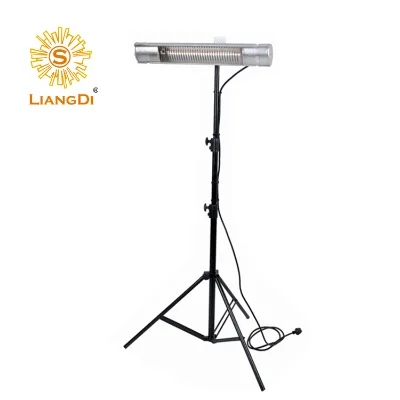
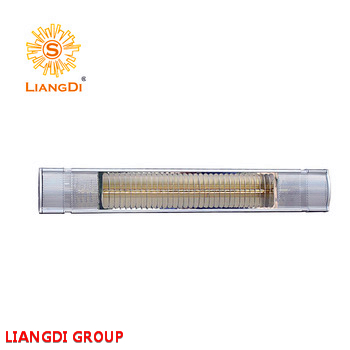

Versatile Wall-Mounted Convection Heater with Adjustable Heat Settings
$25.00 - $32.00
MOQ: 500 Pieces


Comprehensive Sourcing Guide
Sourcing Guide for IP65 Wall-Mounted Patio Heaters
Technical Specifications and Performance Parameters
When evaluating wall-mounted patio heaters for commercial or outdoor residential use, the primary focus must be on technical specifications that ensure safety, efficiency, and durability. The core keyword "IP65 Wall Mounted Patio Heater" implies a specific level of ingress protection, though buyers must verify this claim against actual product data sheets, as not all listed units may strictly adhere to this rating. Based on available product attributes, the electrical systems for these units typically operate within a voltage range of 220V to 240V at 50/60Hz. Some models support a broader input range, including 110V, which is critical for international procurement where grid standards vary.
Power consumption is a significant variable in the selection process. Observed data indicates a wide spectrum of heating capacities, ranging from 1000W to 3200W. Specific models are rated at 1800W, while others offer variable settings such as 1000W, 1800W, 2400W, and 3200W. This variability allows buyers to match the heater's output to the specific thermal requirements of the space. The current rating also varies; some units are rated at 7.8A, while others handle up to 10.4A. Understanding these electrical loads is essential for ensuring that the building's wiring and circuit breakers can safely support the installation without tripping.
The physical dimensions and coverage area are equally critical. Product dimensions observed in the market include sizes such as 137018967mm, 109518967mm, and 200018967mm. These dimensions directly influence the installation footprint and the aesthetic integration into a wall. The coverage area for these units typically spans from 13 to 18 square meters, with some high-power models capable of covering up to 40 square meters. Buyers must calculate the specific square footage of their intended outdoor or semi-outdoor area to select a unit with adequate heating power.
The heating mechanism often utilizes infrared rays generated by a heating wire element. This method provides direct heat transfer to objects and people rather than just warming the air, which is particularly effective in drafty outdoor environments. The surface temperature of these heaters can reach up to 300 degrees Celsius. This high operating temperature necessitates robust safety features, such as overheat protection and adjustable thermostats, which are standard functions listed for many of these units. The materials used are predominantly aluminum alloy, which offers a balance of heat conductivity and resistance to corrosion, essential for outdoor durability.
Compliance and Certification Verification
Safety compliance is non-negotiable when sourcing electrical heating equipment, especially for outdoor applications where exposure to the elements is a constant factor. While the core keyword suggests an IP65 rating, buyers must treat this as a specification to be verified rather than an automatic guarantee. The IP65 rating indicates that the device is dust-tight and protected against water jets from any direction. However, without explicit test reports or certification marks confirming this specific rating for the exact model, procurement teams should request independent verification.
Certification marks provide a baseline for regulatory compliance. The supplied product data frequently lists CE and CB certifications. The CE mark indicates conformity with health, safety, and environmental protection standards for products sold within the European Economic Area. The CB scheme is a global certification system for electrical equipment, facilitating international trade by allowing mutual recognition of test results. Additionally, SAA certification is mentioned, which is relevant for the Australian market. Buyers targeting these regions must ensure the specific unit they order carries the valid certification for that jurisdiction.
Other standards, such as UL2273, are often associated with outdoor heating equipment in North America, though the provided data does not explicitly confirm this standard for all listed items. Similarly, RoHS compliance is a common background expectation regarding hazardous substances, but it should not be assumed without documentation. When evaluating suppliers, procurement specialists should demand copies of the actual certificates, checking the validity dates and the specific product model numbers listed on the certificate. A mismatch between the ordered model and the certified model is a common compliance pitfall.
Cost Drivers and Pricing Dynamics
The pricing for wall-mounted patio heaters is influenced by a complex interplay of factors, including power rating, material quality, control features, and packaging. The observed price range in the market spans from $1 to $288 USD. This wide disparity suggests that the lower end of the spectrum may represent basic, lower-power units or potentially incomplete listings, while the higher end likely reflects premium models with advanced features like remote controls, higher wattage, and superior build quality.
Material composition is a primary cost driver. Units constructed from high-grade aluminum alloy generally command a higher price than those using inferior metals or plastics, as the former offers better thermal efficiency and longevity. The inclusion of advanced control systems, such as remote controls and multiple heat settings, also adds to the manufacturing cost. Models featuring energy-saving modes and precise thermostats require more sophisticated internal circuitry, which increases the unit price.
Packaging and logistics also play a significant role in the final landed cost. The data indicates two main packaging types: hard packing and carton. Hard packing is typically more robust and may incur higher material costs but offers better protection during transit, reducing the risk of damage. The net and gross weights of the units, ranging from approximately 8.3kg to 13.4kg, directly impact shipping costs. Heavier units require more freight space and handling effort, which can significantly affect the total cost of ownership, especially for large orders.
Minimum Order Quantities (MOQ) are another critical factor in cost management. The observed MOQ range is from 1 to 1000 units. Buyers purchasing small quantities may face a higher per-unit cost due to the lack of economies of scale. Conversely, bulk orders can negotiate better pricing but require significant upfront capital and storage capacity. The 20-foot container loading quantity, observed at 360 pieces for certain models, provides a benchmark for calculating shipping efficiency. Buyers should aim to fill containers or utilize consolidated shipping to minimize the per-unit logistics cost.
Typical Applications and Installation Requirements
The versatility of wall-mounted patio heaters makes them suitable for a diverse range of applications. The product attributes explicitly list outdoor, hotel, garage, company, and office environments as suitable use cases. In outdoor settings, such as hotel patios, restaurant terraces, or residential gardens, these heaters provide essential warmth for guests and customers, extending the usability of the space into cooler seasons. The IP65 rating, if verified, ensures that the units can withstand rain and humidity, making them ideal for these exposed locations.
In commercial settings like garages and offices, the heating function serves to maintain a comfortable working environment. The ability to mount the unit on the wall or ceiling offers flexibility in installation, allowing for optimal heat distribution without obstructing floor space. The "Without Ventilation" attribute for some models indicates that they do not require a flue or exhaust system, which simplifies installation in enclosed or semi-enclosed spaces like garages. However, buyers must ensure that the specific model selected for indoor or semi-indoor use complies with local ventilation and safety codes, even if the unit itself is designed for direct electric heating.
Installation methods vary, with options including wall-mounted, ceiling-mounted, or wall/ceiling mounted configurations. This flexibility allows integrators to adapt the heater to the architectural constraints of the building. The installation process typically involves securing the unit to a sturdy wall or ceiling structure, ensuring that the electrical connections are made by a qualified electrician. The dimensions of the unit, such as the 1370mm length, must be considered during the planning phase to ensure adequate clearance and aesthetic alignment with the surrounding architecture.
Supplier Evaluation and Origin Analysis
Selecting a reliable supplier is paramount to ensuring product quality and after-sales support. The product data indicates that the origin of these heaters is primarily Fuzhou or Fujian, China. These regions are known for their manufacturing capabilities in electrical appliances, but buyers should not assume uniform quality across all suppliers in the area. It is essential to conduct due diligence on the specific manufacturer, verifying their production capacity, quality control processes, and reputation in the market.
When evaluating suppliers, buyers should look for transparency in their product specifications. A reputable supplier will provide detailed data sheets that match the observed attributes, such as voltage, power, and dimensions. They should also be willing to provide samples for testing before committing to a large order. The presence of certifications like CE, CB, and SAA should be verified through official databases, not just claimed in marketing materials.
Customization is a key differentiator among suppliers. The data confirms that customization is available, which allows buyers to tailor the product to their specific branding or functional needs. This could include customizing the color, adding specific logos, or modifying the control interface. Suppliers that offer robust customization options often have more flexible production lines and a deeper understanding of client requirements. However, buyers should clarify the lead times and additional costs associated with customization, as these can vary significantly.
Quality Control and Long-Term Procurement
Quality control is a continuous process that begins with the selection of raw materials and extends through manufacturing, testing, and final inspection. Given the high surface temperatures and electrical nature of these heaters, rigorous testing is essential. Buyers should inquire about the testing protocols used by the supplier, specifically regarding electrical safety, thermal performance, and ingress protection. The "Timing Error" of less than 0.01% mentioned in the data suggests a high level of precision in the control systems, but this should be validated through independent testing.
Long-term procurement considerations involve the durability and maintenance requirements of the units. The aluminum alloy construction is a positive indicator for longevity, but buyers should verify the quality of the coating and the resistance to corrosion. The "Hard Packing" and "Carton" options should be evaluated based on the shipping distance and the fragility of the product. Proper packaging is crucial to prevent damage during transit, which can lead to costly returns and delays.
After-sales support is another critical factor. Buyers should ensure that the supplier provides a warranty and has a clear policy for handling defective units. The availability of spare parts, such as heating elements or control boards, is also important for maintaining the units over their lifespan. The "Year" attribute of 2013 in the data suggests that some models may be older designs; buyers should prioritize newer models that incorporate the latest safety and efficiency technologies.
Summary of Key Specifications and Comparison
To facilitate decision-making, the following table summarizes the key technical specifications observed in the market for wall-mounted patio heaters. This comparison highlights the variability in power, dimensions, and features, helping buyers identify the most suitable options for their specific needs.
| Specification | Model A (High Power) | Model B (Medium Power) | Model C (Compact) |
|---|---|---|---|
| Power Rating | 3200W | 1800W | 1000W-2400W (Variable) |
| Voltage | 220V-240V 50/60Hz | 220V | 220-240V (110V Option) |
| Current Rating | 10.4A | 7.8A | Variable |
| Dimensions (mm) | 2000 x 189 x 67 | 1370 x 189 x 67 | 1095 x 189 x 67 |
| Coverage Area | 40 m² | 13-18 m² | 13-18 m² |
| Surface Temp | 300°C | 300°C | 300°C |
| Installation | Wall Mounted | Wall/Ceiling Mounted | Wall/Ceiling Mounted |
| Control | Remote, Thermostat | Remote, Multiple Settings | Remote, Energy Saving |
| Material | Aluminum Alloy | Aluminum Alloy | Aluminum Alloy |
| Origin | Fuzhou | Fujian, China | Fujian, China |
This table underscores the importance of matching the specific model to the intended application. High-power models are suitable for large outdoor areas, while compact models are better for smaller spaces or indoor use. By carefully reviewing these specifications and verifying them against supplier documentation, buyers can make informed decisions that ensure safety, efficiency, and satisfaction with their procurement.
FAQs
What certifications do these heaters have?
These heaters typically carry CE, CB, and SAA certifications for safety compliance. Buyers should verify specific model certificates match the ordered unit before purchase to ensure regulatory approval in target regions.
How is the installation method configured?
Installation options include wall mounted, ceiling mounted, or wall and ceiling mounted configurations. The units are designed for direct electric heating without requiring ventilation systems for safe operation in various environments.
Which power ratings are available for these units?
Available power ratings range from 1000W to 3200W, with specific models offering 1800W or variable settings. Select the appropriate wattage based on the required coverage area of 13 to 40 square meters.
Can the product be customized for branding?
Customization is available for these heating units to meet specific branding or functional needs. Buyers should clarify lead times and costs associated with customizing colors, logos, or control interfaces with the supplier.
What is the typical voltage requirement?
The standard voltage requirement is 220V to 240V at 50/60Hz, though some models support 110V input. Ensure the electrical system matches the specific model's voltage rating to prevent operational failures.
How much does a single unit weigh?
Net weights typically range from 8.3kg to 11.4kg, with gross weights up to 13.4kg. These weights impact shipping costs and must be considered when calculating freight expenses for bulk orders.