Source IP67 Laser Photoelectric Sensor for Parking, Logistics, Barriers
Compare 30 listings for the IP67 Laser Photoelectric Sensor featuring relay outputs and 7m detection ranges. Buyers can evaluate options for car parking, rolling doors, and boom barrier applications with verified specifications.
Key considerations
Products List


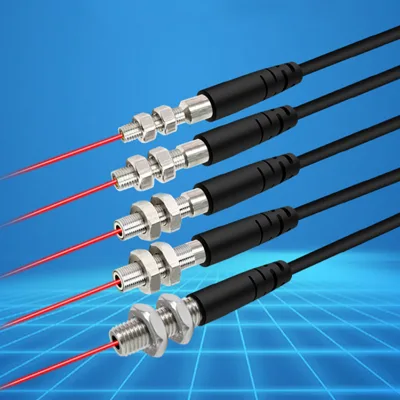


Laser Photoelectric Sensor 250mm Ranging Laser Measurement Sensor with CE
$250.00 - $350.00
MOQ: 1 Pieces


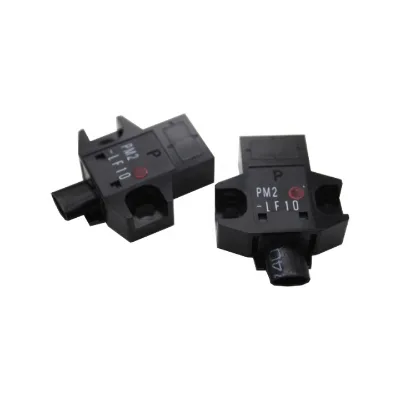
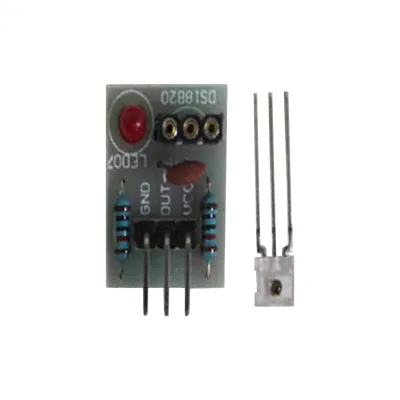

Precision Laser Photoelectric Sensor for Real-Time Vehicle Dimension Calculations
$2900.00 - $7290.00
MOQ: 1 Pieces


Comprehensive Sourcing Guide
Strategic Sourcing Guide for IP67 Laser Photoelectric Sensors
Understanding the Technical Landscape of Laser Photoelectric Sensors
When sourcing an IP67 Laser Photoelectric Sensor, buyers must first distinguish between the specific operational mechanisms and the environmental ratings that define the product's utility. The core keyword implies a device capable of detecting objects using a laser light source while maintaining a high degree of protection against dust and water ingress. In the current market, the "IP67" designation is a critical observation, indicating that the housing material is designed to be dust-tight and capable of withstanding temporary immersion in water. However, buyers must verify that the specific model they are evaluating actually meets this rating, as product attributes often vary between different sensor families.
The optical characteristics are paramount for performance. Unlike standard LED sensors that may emit a broad beam, laser photoelectric sensors utilize a pinpoint light source to achieve higher precision over longer distances. The supplied data indicates the presence of a "Laser Light" source, which is distinct from the "Red LED" or "Pinpoint Red Light" found in other sensor categories. This laser capability allows for a specific detection range, with observed specifications citing a range of 0 to 7 meters. Furthermore, the laser spot size is a crucial metric for alignment; data suggests a spot size of approximately 8-9 cm at an 8-meter distance. This metric helps buyers calculate the necessary installation distance and the size of the target object required for reliable detection. The detection object is typically specified as opaque objects of 50mm and above, which defines the minimum target size for the sensor to function correctly.
Electrical specifications also play a significant role in system integration. The supply voltage for these devices often ranges between 10-30V DC or 12-30V DC, providing flexibility for various industrial power supplies. The output signal type is another critical factor; observed data points to a "Switching Type" output, which can manifest as a "Relay Output" or an "NPN/PNP Open Collector" configuration. The wiring type is frequently standardized at 5 wires, which facilitates the connection of power, ground, and multiple output signals. Additionally, the presence of a potentiometer allows for an adjustable action mode, enabling the user to set the sensor to "Light on" or "Dark on" based on the specific application logic. Protection circuits, including short circuit protection and reverse polarity protection, are essential features to prevent damage during installation errors or electrical surges.
Compliance, Certification, and Environmental Standards
Verifying compliance and certification is a non-negotiable step in the procurement process for industrial automation components. While the general market often cites CE certification as a baseline for safety and electromagnetic compatibility, buyers must treat this as a verification point rather than an automatic assumption. The supplied context lists "CE" as a certification attribute, but this status must be confirmed for the specific batch or model being purchased. Relying on unverified certification claims can lead to regulatory non-compliance in target markets, particularly in Europe where CE marking is mandatory for many electronic products.
Beyond certification, the physical standards of the product packaging and dimensions must align with logistical requirements. Observed data indicates that the product origin is Tianjin, China, a major manufacturing hub for electronic components. The physical dimensions of the sensor housing are critical for fitting into tight control panels or machinery enclosures. Specifications show a standard size of 50mm x 50mm x 20mm, though other variants may differ. The packaging standard is typically a "Standard Carton Package" or "Standard Carton Box," with specific dimensions like 50cm x 50cm x 20cm for the shipping unit. Buyers should verify that the packaging is robust enough to protect the sensor during transit, especially given the delicate nature of the lens and internal electronics.
Environmental resilience extends beyond the IP rating. The sensor's ability to function in varying ambient light conditions is a key performance indicator. Data suggests that the sensor can withstand ambient brightness levels up to 100,000 lux in sunlight and 3,000 lux under fluorescent lamps. This high tolerance ensures that the laser beam is not overwhelmed by external light sources, maintaining detection reliability in outdoor or brightly lit industrial environments. The housing material is typically ABS plastic with a PMMA lens, offering a balance of durability and optical clarity. However, the "IP67" rating specifically addresses ingress protection, and buyers should confirm that the sealing gaskets and cable entries meet this standard to prevent moisture damage in washdown environments or outdoor installations.
Cost Drivers and Pricing Dynamics in the Market
The pricing of laser photoelectric sensors is influenced by a complex interplay of factors, including the technology used, the build quality, and the supply chain logistics. The observed price range in the market spans from $0.78 to $7,290, a variance that reflects the difference between basic components and complete, high-end sensor systems. This wide range indicates that buyers should not expect a single price point for all "IP67 laser photoelectric sensors." Instead, the cost is driven by the specific features included, such as the type of output (relay vs. open collector), the detection range, and the inclusion of accessories like brackets and reflectors.
Minimum Order Quantity (MOQ) is another significant cost driver. The observed MOQ range is between 1 and 100 units. For small-scale projects or prototyping, suppliers with an MOQ of 1 allow for low-risk testing. However, for large-scale industrial deployments, buyers may need to negotiate MOQs closer to 100 to secure better unit pricing. The production process, described as "Integration," suggests a level of manufacturing complexity that can affect the final cost. High-volume production runs often benefit from economies of scale, reducing the per-unit cost significantly.
Shipping methods also impact the total landed cost. The available shipping options include EMS, DHL, TNT, and FedEx. These express carriers offer speed but come at a premium. Buyers must weigh the urgency of their project against the cost of expedited shipping. For non-critical replacements, standard shipping may be more economical, whereas urgent production line repairs may justify the higher cost of express delivery. Additionally, the warranty period, observed as 18 months in some listings, adds value to the purchase. A longer warranty can reduce the total cost of ownership by mitigating the risk of premature failure, effectively lowering the long-term cost per unit of operation.
Typical Applications and Installation Considerations
The versatility of IP67 laser photoelectric sensors makes them suitable for a wide array of industrial applications. The supplied data highlights specific use cases such as car parking systems, rolling doors, and boom barriers. In these scenarios, the sensor's ability to detect vehicles or barriers with high precision is essential for safety and automation. The detection range of up to 7 meters allows for long-range monitoring, which is particularly useful in parking structures where vehicles may be parked at a distance from the sensor.
In the logistics sector, these sensors are employed for object detection and counting. The ability to detect opaque objects of 50mm and above ensures that packages, pallets, and other materials are accurately identified on conveyor systems. The installation distance is a critical parameter, with data suggesting a range of 0.1 to 4.0 meters when used with specific reflectors like the RP02. This flexibility allows for adaptable mounting in various facility layouts. The use of accessories such as the Ib 02 Bracket, RP02, and RP04 reflectors is common to optimize the sensor's performance. These accessories help in aligning the laser beam and ensuring that the detection range is maximized for the specific application.
The action mode, adjustable via a potentiometer, allows for customization based on the application logic. Whether the system requires the sensor to trigger when light is detected ("Light on") or when the light is blocked ("Dark on"), the potentiometer provides the necessary control. This adaptability is crucial in complex automation systems where the logic may vary between different zones or processes. The 5-wire wiring type provides the necessary connections for power, ground, and multiple output signals, facilitating integration with PLCs and other control systems.
Supplier Evaluation and Quality Assurance Protocols
Evaluating suppliers for IP67 laser photoelectric sensors requires a rigorous approach to ensure product reliability and consistency. Buyers should prioritize suppliers who provide clear documentation regarding the production process, material composition, and testing protocols. The "Integration" production process mentioned in the data suggests a sophisticated manufacturing approach, but buyers must verify that the supplier has the necessary quality control measures in place to maintain this standard across all batches.
Quality assurance should include verification of the IP67 rating through independent testing or certification. While the housing material is listed as ABS plastic with a PMMA lens, the actual sealing performance must be confirmed. Buyers should request test reports or certification documents that validate the sensor's ability to withstand dust and water ingress. Additionally, the electrical specifications, such as the supply voltage range and output mode, should be verified against the supplier's datasheet to ensure compatibility with the buyer's existing systems.
The supplier's location, observed as Tianjin, China, is a factor in logistics and communication. Buyers should assess the supplier's ability to provide timely support and technical assistance. The delivery time, noted as "Within 3 Days After Receipt of Money," indicates a fast turnaround, but buyers should confirm if this applies to all order sizes or only specific stock items. Lead times can vary based on production capacity and order volume, so clear communication regarding expected delivery dates is essential.
Long-Term Procurement and Maintenance Strategies
Sourcing IP67 laser photoelectric sensors is not just a one-time transaction but part of a long-term procurement strategy. Buyers should consider the total cost of ownership, which includes the initial purchase price, installation costs, maintenance, and potential replacement costs. The 18-month warranty observed in some listings provides a safety net, but buyers should also evaluate the supplier's reputation for after-sales support. A supplier with a strong track record of honoring warranties and providing replacement parts can significantly reduce downtime and operational risks.
Maintenance strategies should include regular inspection of the sensor's lens and housing for dirt, debris, or damage. The PMMA lens is durable but can be scratched, which may affect the laser beam's performance. Buyers should establish a routine maintenance schedule that includes cleaning the lens and checking the wiring connections for signs of wear or corrosion. The "Corrosion Resistant" feature mentioned in the data is a positive attribute, but it does not eliminate the need for periodic inspection, especially in harsh industrial environments.
Future-proofing the procurement strategy involves selecting sensors that are compatible with evolving automation technologies. The "Switching Type" output and "NPN/PNP Open Collector" options provide flexibility for integration with various control systems. Buyers should consider the scalability of their current sensor selection to ensure that future expansions or upgrades can be accommodated without requiring a complete system overhaul. By focusing on quality, compliance, and long-term support, buyers can build a robust supply chain that supports their operational goals and minimizes risks.
Comparative Analysis of Sensor Specifications
To aid in decision-making, the following table summarizes key specifications observed in the market for IP67 laser photoelectric sensors. This comparison highlights the variations in technical attributes that buyers should consider when selecting the right product for their specific needs.
| Feature | Observation A | Observation B | Observation C |
|---|---|---|---|
| Light Source | Laser Light | Red LED | Pinpoint Red Light |
| Detection Range | 0~7m | 7m | 0.1-4.0m (with RP02) |
| Supply Voltage | 10-30V DC | 12-30V DC | 12~24VDC |
| Output Mode | Relay Output | NPN/PNP Open Collector | Switching Type |
| Wiring Type | 5 Wires | 5 Wires | 5 Wires |
| IP Rating | IP67 (Implied) | IP Material: Plastic | Not Specified |
| Housing Material | ABS / PMMA | Plastic | ABS |
| Warranty | 18 Months | Not Specified | Not Specified |
| Origin | Tianjin, China | Tianjing, China | Tianjin China |
| Certification | CE | CE | Not Specified |
This table illustrates that while there are commonalities in wiring and housing materials, the light source and detection range vary significantly. Buyers must align these specifications with their application requirements to ensure optimal performance. The presence of CE certification and the 18-month warranty in some listings adds value, but these attributes must be verified for each specific product. By carefully evaluating these factors, buyers can make informed decisions that balance performance, cost, and reliability.
FAQs
What is the detection range of the IP67 Laser Photoelectric Sensor?
The sensor offers a detection range of up to 7 meters for opaque objects. This capability allows for reliable object detection in applications like car parking and logistics where targets are at a distance.
Which supply voltage options are compatible with this sensor?
The device operates on a supply voltage ranging from 10 to 30V DC. This wide voltage range ensures compatibility with various industrial power supplies and control systems without requiring additional converters.
How long is the delivery time after payment receipt?
Delivery is completed within 3 days after receipt of money. This rapid turnaround supports urgent production needs and minimizes downtime for industrial automation projects requiring immediate sensor replacement.
Can the action mode be adjusted for different applications?
Yes, the action mode is adjustable via a potentiometer for Light on or Dark on settings. This flexibility allows users to customize the sensor logic to fit specific safety or control requirements.
What certifications are available for this photoelectric sensor?
The product holds CE certification as a verified attribute. This compliance indicates adherence to safety and electromagnetic compatibility standards required for electronic products in many international markets.
Which housing materials are used for the sensor body?
The housing is constructed from ABS plastic with a PMMA lens. This material combination provides durability and optical clarity while maintaining the IP67 rating for dust and water resistance.
What is the minimum order quantity for purchasing this sensor?
The minimum order quantity ranges from 1 to 100 units depending on the supplier. This flexibility allows buyers to test small batches or place larger orders for mass deployment.
Which shipping methods are supported for international delivery?
Supported shipping methods include EMS, DHL, TNT, and FedEx. These express carriers ensure secure and timely delivery of the sensors to various global destinations for urgent industrial needs.