Source IP67 Rubber Heat Shrink Tubing for Wire Protection, Machine Use, and Automotive Harnessing
Compare 30 listings of IP67 Rubber Heat Shrink Tubing from verified Chinese manufacturers. Buyers can evaluate thermal ratings, shrink ratios, and certifications like RoHS and Reach for wire protection, machine protection, and automotive harnessing applications.
Key considerations
Products List


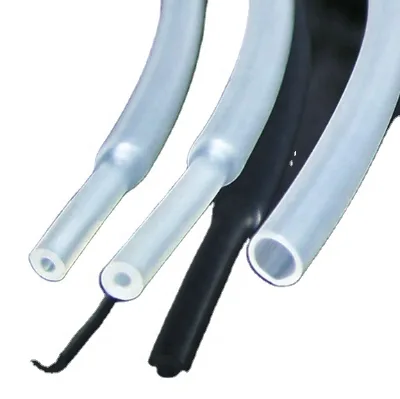


Durable Heat Shrink Tubing for Reliable Wiring in Automotive Applications
$0.05 - $1.18
MOQ: 400 meters
Comprehensive Sourcing Guide
Strategic Sourcing Guide for IP67 Rubber Heat Shrink Tubing
Procuring industrial-grade heat shrink tubing requires a disciplined approach that balances technical performance with supply chain reliability. When the specific requirement centers on IP67-rated rubber heat shrink tubing, buyers must navigate a complex landscape of material science, environmental ratings, and manufacturing standards. The term "IP67" denotes a specific level of ingress protection, implying the product is dust-tight and capable of withstanding temporary immersion in water. However, in the context of heat shrink tubing, this rating is often a functional outcome of the material's density, shrinkage ratio, and sealing capability rather than a standalone certification for every SKU. This guide provides a structured framework for evaluating suppliers and products, grounded in verified product attributes and industry standards.
Technical Specifications and Material Composition
The foundation of any successful procurement strategy lies in understanding the material composition and physical specifications of the tubing. The market offers a diverse range of materials, including silicone, rubber, PVC, and PE (polyethylene), each serving distinct operational needs. For applications demanding high-temperature resistance and flexibility, silicone and rubber-based heat shrink tubes are frequently the preferred choice. Observed product data indicates that high-performance variants often feature a thermal rating capable of withstanding temperatures between -50°C and 200°C, with some specialized hybrid insulation materials reaching up to 250°C.
When sourcing IP67-rated solutions, the shrink ratio is a critical technical parameter. A high shrink ratio, such as 2:1 or even 1:7:1, ensures that the tubing can conform tightly to irregular shapes and complex wire harnesses, creating the necessary seal to achieve water resistance. The inner diameter (ID) range is equally vital; observed specifications show a broad spectrum from 1.0mm up to 150mm or even 200mm, allowing for the protection of various cable sizes. Buyers must verify that the selected tubing's expanded ID matches the cable diameter while ensuring the final shrunk ID provides sufficient compression.
Furthermore, the mechanical properties, such as tensile strength, play a significant role in durability. Products with "excellent" tensile strength ratings or specific values like 10.4MPa offer superior resistance to pulling forces and abrasion. The flexibility of the material is another key observation; flexible tubing is essential for applications involving moving parts or tight bends, such as in automotive harnessing or machine protection. The standard size range for these products often spans from 1.0mm to 110mm or 2-200mm, depending on the specific manufacturer's capabilities.
Compliance, Certification, and Safety Standards
In the B2B procurement of electrical and electronic components, compliance is non-negotiable. Suppliers of heat shrink tubing must demonstrate adherence to international safety and environmental standards. Common certifications observed in the market include ISO 9001 for quality management, RoHS (Restriction of Hazardous Substances), and REACH (Registration, Evaluation, Authorization, and Restriction of Chemicals). These certifications ensure that the materials do not contain restricted substances and that the manufacturing process maintains consistent quality.
For applications involving fire safety, the fire resistance rating is a crucial verification point. Products meeting the VW-1 (Vertical Wire) flame test standard are often required for automotive and industrial applications to prevent the spread of fire. Additionally, specific certification numbers, such as E360625, may be associated with UL listings or other recognized safety bodies, providing traceability and assurance of compliance. While general background knowledge suggests standards like UL224, buyers must confirm that the specific product being sourced holds the relevant certification number and that it is current.
It is important to distinguish between the material's inherent properties and the certifications held by the manufacturer. A product may be made of PE or PVC, but its ability to meet IP67 standards depends on the manufacturing process and quality control. Buyers should request valid certificates of conformity and verify the scope of the ISO 9001 certification to ensure it covers the specific production lines for heat shrink tubing.
Cost Drivers and Pricing Dynamics
The pricing of heat shrink tubing is influenced by several factors, including material type, size, and order volume. The observed price range in the market spans from $0.02 to $9.99 per unit, reflecting the vast difference between small-diameter, low-volume items and large-diameter, high-performance tubes. The material cost is a primary driver; silicone and rubber compounds are generally more expensive than PVC or standard PE due to their superior thermal and chemical resistance.
Order Volume is another significant cost determinant. The Minimum Order Quantity (MOQ) can vary widely, ranging from as low as 1 piece for sample orders to 2000 units for bulk production. Some suppliers set specific MOQs, such as 500 meters, which can impact the unit price for smaller buyers. Buyers should be aware that purchasing in larger quantities often yields a lower cost per meter, but it requires careful inventory management to avoid obsolescence.
Packaging and logistics also contribute to the final cost. Products may be supplied in rolls, cartons, or custom packaging upon request. The standard packaging dimensions, such as 353560cm cartons, affect shipping efficiency and freight costs. Buyers should negotiate packaging terms that minimize waste and optimize container utilization, especially when sourcing from international locations like China, where many manufacturers are based.
Typical Applications and Performance Requirements
Heat shrink tubing with IP67 ratings is designed for environments where exposure to dust, moisture, and chemicals is a constant threat. The primary applications include wire and cable protection, machine protection, and automotive harnessing. In the automotive industry, these tubes protect wiring harnesses from engine heat, vibration, and road debris, ensuring the longevity of electrical systems. The high thermal rating of -50°C to 200°C makes them suitable for under-hood applications where temperatures fluctuate drastically.
In industrial machinery, heat shrink tubing safeguards cables from abrasion, oil, and coolant exposure. The flexibility of the material allows it to be applied to complex geometries without cracking, maintaining the integrity of the insulation. For outdoor or marine applications, the IP67 rating ensures that connections remain dry and functional even during temporary submersion or heavy rain. The hybrid insulation chemistry often found in these products provides a balance of electrical insulation and environmental sealing, making them versatile for a wide range of sectors.
Supplier Evaluation and Sourcing Strategy
Selecting the right supplier is as critical as selecting the right product. Buyers should prioritize suppliers who offer customization options, as this indicates a higher level of manufacturing flexibility. The ability to provide samples is another key indicator of a reliable partner, allowing buyers to test the product's performance before committing to a large order. Verified supplier locations, such as Shenzhen, Guangdong, or Suzhou, Jiangsu, in China, are common hubs for this industry, but buyers should verify the specific origin of the product to ensure it matches their logistical needs.
When evaluating suppliers, look for those who provide detailed product specifications, including shrink ratios, tensile strength, and thermal ratings. A transparent supplier will clearly state their MOQ, payment terms (such as TT), and lead times. The presence of multiple certifications, including ISO, RoHS, and REACH, suggests a commitment to quality and regulatory compliance. Buyers should also inquire about the supplier's quality control processes and their ability to handle custom orders, such as specific colors or lengths.
Quality Control and Long-Term Procurement Considerations
Implementing a robust quality control (QC) process is essential for maintaining the integrity of the supply chain. Buyers should establish clear acceptance criteria based on the product's technical specifications, such as shrink ratio accuracy, material thickness, and color consistency. Regular inspections, including pre-shipment inspections, can help identify defects before they reach the production line. For long-term procurement, building a relationship with a supplier who offers consistent quality and reliable lead times is crucial.
Consider the long-term implications of material selection. While PVC may be cost-effective, it may not offer the same thermal stability as silicone or rubber. For applications requiring high durability, investing in higher-grade materials can reduce maintenance costs and downtime. Additionally, buyers should monitor changes in regulatory standards, such as updates to RoHS or REACH, to ensure continued compliance. The ability of the supplier to adapt to these changes is a key indicator of their long-term viability as a partner.
Summary of Key Product Attributes
To assist in the final selection process, the following table summarizes the key attributes observed in the market for heat shrink tubing, which buyers should verify against their specific requirements.
| Attribute | Observed Range/Value | Verification Requirement |
|---|---|---|
| Material | Silicone, Rubber, PVC, PE | Confirm material matches thermal/environmental needs |
| Thermal Rating | -50°C to 200°C (up to 250°C) | Verify max/min operating temperatures |
| Shrink Ratio | 2:1, 1:7:1 | Ensure adequate compression for IP67 seal |
| Size Range | 1.0mm to 200mm | Match inner diameter to cable size |
| Certifications | ISO9001, RoHS, REACH, VW-1 | Request valid certificates of conformity |
| Fire Resistance | VW-1 | Confirm compliance with fire safety standards |
| MOQ | 1 to 2000 units | Negotiate based on volume requirements |
| Origin | China (Shenzhen, Suzhou, etc.) | Verify supply chain logistics and lead times |
By adhering to these guidelines and focusing on verified product attributes, buyers can effectively source IP67 Rubber Heat Shrink Tubing that meets their technical, safety, and operational requirements. The key is to maintain a rigorous evaluation process that prioritizes quality, compliance, and supplier reliability over short-term cost savings.
FAQs
What materials are used for IP67 Rubber Heat Shrink Tubing?
The tubing is commonly made from silicone, rubber, PVC, or PE. These materials offer flexibility and thermal resistance, with silicone and rubber preferred for high-temperature applications up to 200°C or 250°C.
Can the tubing withstand high temperatures in automotive harnessing?
Yes, the tubing supports working temperatures from -50°C to 200°C, with some hybrid variants reaching 250°C. This thermal rating ensures durability in automotive and machine protection environments.
Which certifications do suppliers typically hold for this product?
Suppliers often hold ISO9001, RoHS, and REACH certifications. Some products also carry specific fire resistance ratings like VW-1 and certification numbers such as E360625 for safety compliance.
How flexible is the heat shrink tubing for complex wire shapes?
The tubing is designed to be flexible, allowing it to conform to irregular shapes and tight bends. This flexibility is essential for protecting wire harnesses and machinery without cracking.
What is the minimum order quantity for bulk purchases?
The minimum order quantity ranges from 1 piece for samples to 2000 units for bulk orders. Specific suppliers may set requirements like 500 meters depending on the product size and material.
Where are these heat shrink tubing products manufactured?
Products are primarily made in China, with origins in cities like Shenzhen, Guangdong, and Suzhou, Jiangsu. Buyers should verify the specific location to align with their logistics and lead time needs.