Source IP67 Strain Gauge Pressure Transmitter for HVAC, Water, Oil
Compare 30 verified IP67 Strain Gauge Pressure Transmitter options from Chinese manufacturers. Buyers can evaluate differential pressure ratings, analog output signals, and OEM customization support for industrial applications.
Key considerations
Products List
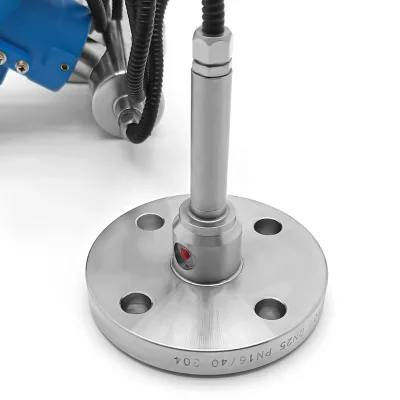


BP156 PG7 With Cable Pressure Transducer Level Sensor Pressure Transmitter
$20.00 - $30.00
MOQ: 1 Pieces


High Temperature Liquid Pressure Measurement Sensor Pressure Transmitter
$48.00 - $65.00
MOQ: 1 Pieces


Comprehensive Sourcing Guide
Strategic Sourcing Guide for IP67 Strain Gauge Pressure Transmitters
Procuring industrial-grade pressure transmitters requires a rigorous approach to technical verification, particularly when the application demands high environmental resilience. The core keyword "IP67 Strain Gauge Pressure Transmitter" identifies a specific class of instrumentation designed to withstand harsh conditions while providing precise pressure measurements. In the context of B2B procurement, understanding the intersection of protection ratings, sensing technology, and supply chain reliability is critical. This guide synthesizes available product attributes and industry standards to assist buyers in evaluating potential suppliers and selecting equipment that meets operational requirements without relying on unverified marketing claims.
Understanding IP67 Protection and Environmental Resilience
The IP67 rating is a fundamental specification for pressure transmitters deployed in challenging industrial environments. The "IP" code, defined by the International Electrotechnical Commission (IEC), indicates the degree of protection provided by the enclosure. The first digit, "6," signifies complete dust tightness, meaning no ingress of dust is permitted. The second digit, "7," indicates protection against temporary immersion in water up to 1 meter for 30 minutes. For a strain gauge pressure transmitter, this rating is not merely a marketing label but a critical design feature that ensures signal integrity and mechanical longevity.
When sourcing these devices, buyers must verify that the IP67 rating applies to the specific enclosure material and sealing mechanism. The supplied product data indicates that stainless steel (SS304) is a common material for these enclosures, which offers inherent corrosion resistance and structural rigidity. However, the IP rating is also dependent on the quality of the cable glands, O-rings, and potting compounds used during manufacturing. A discrepancy in the sealing process can render the IP67 claim invalid. Procurement teams should request specific test reports or certification documents that validate the IP rating under the specific conditions of the intended application, rather than accepting the rating as a generic attribute.
Technical Specifications and Sensing Technology
Strain gauge pressure transmitters operate on the principle of converting mechanical deformation into an electrical signal. The core component is the strain gauge, which is bonded to a diaphragm. When pressure is applied, the diaphragm deforms, causing a change in the electrical resistance of the gauge. This change is measured via a Wheatstone bridge circuit. The supplied data highlights several key technical parameters that define the performance of these units.
Accuracy is a primary differentiator in the market. Observed data suggests a standard accuracy of 0.5% Full Scale (FS), with some high-performance variants achieving 0.1% FS. Buyers must carefully distinguish between these grades, as the 0.1% FS specification typically commands a higher price point and is reserved for critical process control applications. The pressure range is another vital specification. Available units cover a broad spectrum, from 0.1 MPa to 6 MPa, and extending up to 0.5 MPa to 250 MPa or even 0 to 3000 bar. Selecting the correct range is essential; operating a sensor near its maximum limit can compromise accuracy and lifespan.
The output signal type is equally important for system integration. The data indicates a variety of analog and digital outputs, including 4-20mA, 0-5V, 0-10V, 1-5V, 0.5-4.5V, and RS485 communication protocols. The 4-20mA current loop is the industry standard for long-distance transmission due to its immunity to electrical noise, while RS485 offers digital communication capabilities for smart factory environments. Buyers should verify that the selected transmitter supports the specific voltage requirements of their control system, such as the observed 12-36VDC or 8-32VDC supply ranges.
Compliance, Certification, and Regulatory Standards
In the global B2B market, compliance with international standards is a non-negotiable requirement for many industries, including oil and gas, water treatment, and pharmaceuticals. The supplied product information references CE certification and ISO standards. While the presence of CE marking suggests conformity with health, safety, and environmental protection standards for products sold within the European Economic Area, buyers must verify the specific directives under which the certification was granted. Similarly, ISO certification indicates that the manufacturer adheres to quality management systems, but it does not guarantee that every individual unit meets specific performance metrics.
It is crucial to note that the supplied data lists "CE" and "ISO" as observed attributes but does not provide specific certificate numbers or the exact scope of the certification. Procurement teams should not assume that a supplier's general certification covers the specific model being purchased. Instead, buyers should request copies of the relevant certificates and verify their validity with the issuing body. Additionally, for applications involving hazardous areas, buyers must inquire about ATEX or IECEx certifications, which are not explicitly mentioned in the provided data but are often required for industrial safety compliance.
Cost Drivers and Total Cost of Ownership
The price of a strain gauge pressure transmitter is influenced by several factors beyond the base unit cost. The observed price range in the market spans from 7 to 799 USD, a significant variance that reflects differences in accuracy, material quality, and feature sets. The primary cost drivers include the accuracy grade (0.1% vs. 0.5% FS), the pressure range (higher ranges often require more robust diaphragms), and the output signal complexity (digital communication adds cost).
Material selection is another critical cost factor. Stainless steel 304 is a standard material, but for highly corrosive environments, 316L stainless steel or Hastelloy may be required, which would increase the unit price. The protection class also impacts cost; while IP67 is standard, higher ratings like IP68 or specific explosion-proof enclosures will add to the expense.
Buyers should also consider the Minimum Order Quantity (MOQ) and lead times. The data indicates an MOQ range of 1 to 100 units, with some suppliers offering single-item purchasing. While a low MOQ is attractive for prototyping or small projects, bulk orders often yield better unit pricing. However, the total cost of ownership (TCO) must include maintenance, calibration, and potential downtime. A cheaper unit with lower accuracy or poor long-term stability may result in higher costs due to frequent recalibration or process errors.
Supplier Evaluation and Customization Capabilities
Evaluating a supplier involves more than just checking the product specifications. The ability to provide customized support is a key differentiator. The supplied data confirms that OEM, ODM, and OBM services are available, along with customizable colors and specific pressure ranges. This flexibility is essential for buyers with unique application requirements that standard off-the-shelf products cannot meet.
When assessing suppliers, buyers should look for evidence of engineering capability. Can the supplier modify the output signal or enclosure material to fit a specific application? Do they offer technical support for integration? The "Honno" brand is mentioned in the data, but buyers should not limit their search to a single name. Instead, they should evaluate multiple suppliers based on their responsiveness, technical documentation quality, and willingness to provide samples for testing.
The origin of the product is also a factor in the evaluation process. The data indicates that these products originate from Liaoning, China. While this region has a robust manufacturing base for industrial instrumentation, buyers should verify the specific factory's quality control processes. A supplier with a strong track record in the region may offer better value, but the buyer must ensure that the manufacturing standards align with their own quality requirements.
Quality Control and Long-Term Procurement Considerations
Ensuring the quality of pressure transmitters requires a proactive approach to quality control. Buyers should implement a rigorous inspection process that includes visual checks for physical damage, verification of calibration certificates, and functional testing upon receipt. The supplied data mentions a "Single Gross Weight" of 0.065kg and specific packaging standards like "Atech Standard Carton Box," which can serve as baseline metrics for incoming inspection.
Long-term procurement considerations involve the warranty and after-sales support. The data indicates a standard warranty of 1 year. Buyers should negotiate terms that extend this coverage or include provisions for rapid replacement in case of failure. Additionally, the availability of spare parts and calibration services is crucial for maintaining operational continuity.
The overload pressure and burst pressure ratings are critical safety parameters. The data shows overload pressures ranging from 150% to 200% of full scale, with burst pressures reaching up to 400 MPa. These figures provide a safety margin, but buyers must ensure that the selected unit's ratings exceed the maximum expected process pressure to prevent catastrophic failure. Regular maintenance schedules and periodic recalibration should be part of the procurement strategy to ensure the sensors remain accurate over their lifecycle.
Typical Applications and Industry Fit
Strain gauge pressure transmitters with IP67 ratings are versatile and find applications across various industries. The ability to measure both gauge and absolute pressure, combined with compatibility with gases and liquids, makes them suitable for hydraulic systems, pneumatic controls, and fluid level monitoring. The wide pressure range, from low-pressure applications like 0.1 MPa to high-pressure scenarios up to 3000 bar, allows these transmitters to be used in everything from water treatment plants to high-pressure hydraulic presses.
The specific output signals, such as 4-20mA and RS485, facilitate integration with PLCs, SCADA systems, and DCS networks. This connectivity is essential for modern industrial automation, where real-time data monitoring and control are paramount. The high accuracy of 0.1% FS makes these transmitters ideal for applications requiring precise process control, such as in the pharmaceutical or food and beverage industries, where product quality is directly linked to process parameters.
Conclusion
Sourcing IP67 strain gauge pressure transmitters requires a balanced approach that weighs technical specifications, compliance requirements, and supplier capabilities. By focusing on the verified attributes such as accuracy, pressure range, and output signals, buyers can make informed decisions that align with their operational needs. The availability of customization and the robustness of the stainless steel construction offer significant advantages for demanding industrial environments. However, the buyer must remain vigilant in verifying certifications, testing samples, and establishing clear quality control protocols to ensure long-term reliability. Through careful evaluation and strategic procurement, organizations can secure high-performance pressure transmitters that enhance process efficiency and safety.
FAQs
What accuracy grades are available for these transmitters?
Standard accuracy is 0.5% Full Scale, while high-performance variants offer 0.1% Full Scale. Buyers must verify the specific grade as it significantly impacts pricing and suitability for critical process control applications.
Which pressure ranges can these units measure effectively?
Available ranges span from 0.1 MPa to 6 MPa, extending up to 0.5 MPa to 250 MPa, and reaching 0 to 3000 bar. Selecting the correct range is essential to ensure accuracy and prevent damage near maximum limits.
Can these transmitters support customized output signals?
Yes, customization is available for output signals including 4-20mA, 0-5V, 0-10V, and RS485 protocols. Suppliers offer OEM and ODM services to tailor the signal type to specific control system requirements.
How does the IP67 rating protect the device?
The IP67 rating ensures complete dust tightness and protection against temporary water immersion up to one meter for thirty minutes. This design feature maintains signal integrity and mechanical longevity in harsh industrial environments.
What materials are used for the transmitter enclosure?
Enclosures are commonly constructed from SS304 stainless steel, offering inherent corrosion resistance and structural rigidity. Metal construction is standard, though specific material choices may vary based on customization requests.
What is the minimum order quantity for these sensors?
The minimum order quantity can be as low as one piece for single-item purchasing. Some suppliers may require up to 100 units, so buyers should verify specific MOQ policies before placing bulk orders.
Which certifications are typically associated with these products?
Products often carry CE certification and adhere to ISO standards for quality management. Buyers should request specific certificate documents to verify compliance with relevant health, safety, and environmental protection directives.