Source IP68 Waterproof Cabinet Axial Fan for Industrial, AC, and Motor Control
Find 30 IP68 Waterproof Cabinet Axial Fan options from China. Compare models like YJF61/16 and BF60HB3 with voltages from 120V to 380V. Evaluate certifications including CE, RoHS, and ISO for industrial and air conditioning applications; compare the available evidence and request quotations based on your requirements.
Updated
Key considerations
Products List
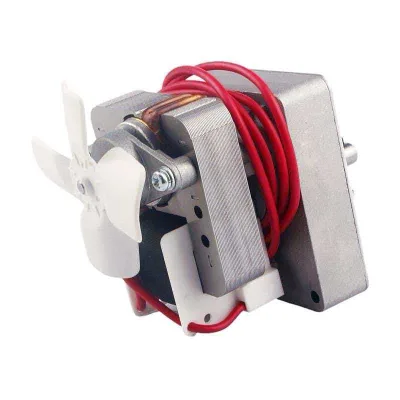
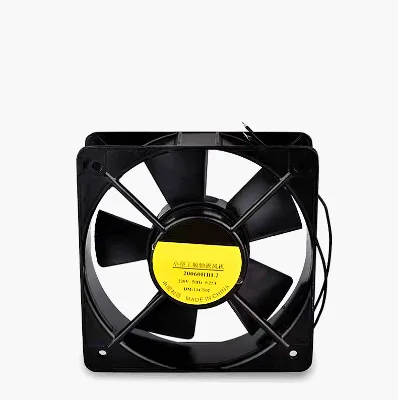
$15.883 - $19.264
MOQ: 100 Minimum


172mm IP68 Waterproof Cabinet Industrial High Airflow Ec Axial Flow Fan
$10.00 - $15.00
MOQ: 50 Pieces

Heavy Duty 8inch High Airflow Cabinet Cooling Axial Fan AC Axial Flow Fan
$9.28 - $11.00
MOQ: 20 Pieces


High Performance 7 Inch Waterproof Cabinet Industrial Ec Axial Flow Fan
$10.00 - $15.00
MOQ: 50 Pieces

Waterproof IP68 200X200X60mm 8inch 300cfm AC Axial Fan for Dehumidifier
$8.73 - $14.01
MOQ: 200 pieces


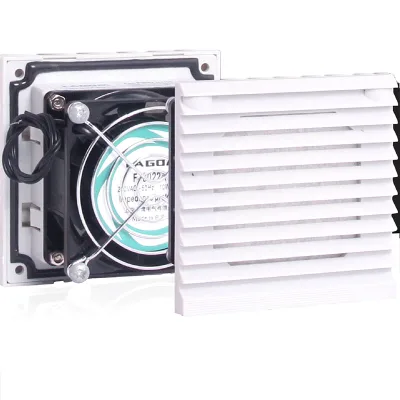


$340.00 - $350.00
MOQ: 1 units
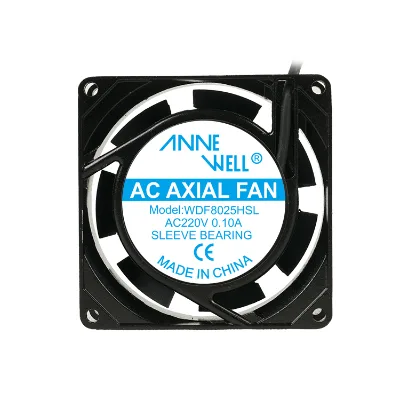
Comprehensive Sourcing Guide
IP68 Waterproof Cabinet Axial Fan Sourcing Guide
Selecting the right axial fan for IP68-rated enclosures requires balancing airflow performance with strict environmental sealing. Buyers must prioritize fans that maintain structural integrity under continuous exposure to water and dust, ensuring reliable operation in harsh industrial or outdoor settings. The core challenge lies in verifying that the fan’s housing, motor, and blade assembly collectively meet the highest ingress protection standards without compromising thermal management capabilities.
Procurement teams should evaluate the specific mounting configurations and electrical interfaces available from suppliers. Since many industrial applications demand custom solutions, verifying the availability of tailored mounting types and voltage options is critical. This guide outlines the essential technical, compliance, and commercial factors to consider when sourcing these specialized components, ensuring that the selected fans align with both operational requirements and long-term reliability goals.
Product Scope and Observed Listing Signals
Market listings for axial fans often reveal a wide range of specifications, including voltage ratings such as 120V and 380V, and frequencies like 60Hz. Buyers should note that observed product attributes vary significantly, with some units featuring cast iron blades and others utilizing different metal compositions. The presence of multiple model numbers, such as YJF61/16 and BF60HB3, indicates a diverse product portfolio where each variant may serve distinct functional applications, from general motor control to specific industrial cooling needs.
Observed dimensions and physical characteristics provide additional context for integration planning. For instance, some listed fans measure 200mm in length with a width of 60mm, while others specify diagonal hole distances of 236mm. These physical constraints are vital for ensuring compatibility with existing cabinet designs. Additionally, the observation of fan speeds around 2600r/min and power consumption figures like 65W helps buyers estimate energy efficiency and thermal output, which are crucial for designing effective cooling systems within confined spaces.
Technical Specifications to Verify
When evaluating axial fans for waterproof cabinets, verifying the electric current type and motor structure is paramount. Most industrial-grade units operate on AC power, with some specifications indicating three-phase stators and winding-type rotors. Buyers must confirm the starting mode, such as auto-induction voltage-reduced starting, to ensure smooth operation and prevent electrical surges that could damage sensitive equipment within the sealed enclosure. Understanding these electrical parameters helps in selecting a fan that integrates seamlessly with the existing power infrastructure.
Thermal management and casing protection are equally critical technical considerations. Fans designed for industrial use often feature closed-type casing protection and direct cooling methods to dissipate heat efficiently. Buyers should verify the operating speed adjustability, as variable speed control allows for optimized airflow based on real-time thermal demands. Additionally, confirming the quality standards and condition of the product, typically listed as new, ensures that the fan meets rigorous manufacturing tolerances and is ready for immediate deployment in demanding environments.
Compliance and Safety Documentation
Certification verification is a non-negotiable step in the procurement process for industrial fans. Listings frequently mention certifications such as CE, RoHS, ISO, and UR, which indicate adherence to international safety and environmental standards. Buyers must request valid certificates for each specific model to ensure that the fan meets the regulatory requirements of the target market. These certifications provide assurance that the product has undergone rigorous testing for electrical safety, material composition, and electromagnetic compatibility.
Beyond standard certifications, buyers should inquire about additional quality standards like CQC or CCC, which may be required for specific regional markets. The presence of multiple certifications suggests a comprehensive approach to quality control, but it is essential to validate each claim independently. Documentation should also include detailed test reports that confirm the IP68 rating, ensuring that the fan can withstand prolonged immersion in water and complete dust ingress protection. This due diligence mitigates the risk of non-compliance and potential operational failures in the field.
Cost Drivers and Commercial Terms
Pricing for axial fans varies widely, with observed ranges spanning from low-cost units to premium industrial models. Buyers should analyze the cost drivers, such as material quality, blade design, and certification levels, to understand the value proposition of each option. While some listings describe products as "cheap," this should be interpreted as a competitive price point rather than an indicator of inferior quality. It is crucial to balance initial cost with long-term reliability, as cheaper fans may incur higher maintenance expenses due to premature failure.
Commercial terms, including minimum order quantities (MOQ) and packaging standards, significantly impact procurement strategy. Observed MOQs can range from single items to thousands of units, allowing flexibility for both prototype testing and large-scale deployments. Buyers should also consider the packaging method, with options like standard export packing ensuring safe transit. Negotiating sample availability is advisable, as it allows for physical inspection and performance testing before committing to a larger order, reducing the risk of mismatched specifications.
Supplier Qualification and Quality Control
Supplier location and manufacturing capability are key indicators of reliability. Many suppliers are based in regions like Changzhou and Ningbo, Zhejiang, which are known for their industrial manufacturing hubs. Buyers should verify the supplier’s production capacity and quality management systems to ensure consistent output. A supplier’s ability to offer customization is also a valuable asset, allowing for tailored solutions that meet specific cabinet dimensions or airflow requirements. This flexibility can be crucial for integrating fans into unique or non-standard enclosure designs.
Quality control processes should be transparent and well-documented. Buyers should request information on the supplier’s inspection procedures, including incoming material checks and final product testing. The observation of "good" quality standards in listings suggests a commitment to excellence, but independent verification is necessary. Additionally, assessing the supplier’s responsiveness and technical support capabilities can provide insight into their long-term partnership potential. A reliable supplier will offer comprehensive documentation and support throughout the product lifecycle.
Long-Term Procurement Checks
Establishing a robust supply chain requires ongoing monitoring of supplier performance and product consistency. Buyers should implement regular audits and periodic re-verification of certifications to ensure continued compliance with evolving standards. Tracking key performance indicators, such as defect rates and delivery times, helps identify potential issues early. Maintaining open communication with suppliers regarding any design changes or material substitutions is essential to prevent unexpected disruptions in the supply chain.
Long-term procurement also involves planning for scalability and sustainability. As operational needs grow, buyers should assess the supplier’s ability to increase production volume without compromising quality. Additionally, considering the environmental impact of the fan’s materials and manufacturing processes can align procurement strategies with corporate sustainability goals. By focusing on these long-term factors, buyers can build a resilient supply chain that supports both current operational demands and future expansion plans.
FAQs
What certifications are available for these axial fans?
These axial fans are available with RoHS, UR, ISO, CE, and CCC certifications. The specific model YJF61/16 holds RoHS, UR, ISO, and CE marks, while the YWF-6D-330-G variant includes RoHS, ISO, CE, and CCC approvals. Buyers should verify the exact certification list for their required model number before ordering to ensure compliance with regional standards.
Can I customize the specifications for these fans?
Yes, customization is available for these industrial axial fans. The product page explicitly states that customization options are open to buyers. This allows for adjustments to meet specific industrial application requirements. Buyers should contact the supplier directly to discuss the exact modifications needed for their motor control or air conditioning projects.
What is the minimum order quantity for these products?
The minimum order quantity varies by product, with observed values ranging from 1 to 2000 units. One specific listing indicates an MOQ of 50 units. Buyers should check the individual product page for the exact MOQ associated with their selected model number, as this value is not uniform across all available items.
Where are these axial fans manufactured?
These fans are manufactured in China, with origins in Changzhou and Zhejiang Ningbo. The YJF61/16 model originates from Changzhou, while the YWF series models are produced in Ningbo, Zhejiang. Buyers can select suppliers based on their preferred manufacturing location to align with logistics or sourcing strategies.
What is the voltage range for these axial fans?
The axial fans operate at various voltages, including 120V and 380V. The specific model YJF61/16 is rated for 120V, while another variant operates at 380V. Both models support AC electric current types. Buyers must match the fan voltage to their power supply system to ensure proper functionality and safety in industrial applications.
What materials are used in the construction of these fans?
These fans are constructed from metal materials, including iron and cast iron. The YJF61/16 model features a cast iron blade material, while other variants use iron for the main body. The metal construction ensures durability for industrial applications. Buyers should verify the specific material composition for their chosen model to meet environmental or weight requirements.