Source Leakproof Copper Radiator for Industrial, Automotive, and HVAC Systems
Find 30 verified listings for Leakproof Copper Radiator solutions tailored for industrial cooling, automotive applications, and HVAC systems. Compare specifications such as material composition, cooling power, and certification standards from suppliers in China to identify the best fit for your procurement needs.
Updated
Key considerations
Products List

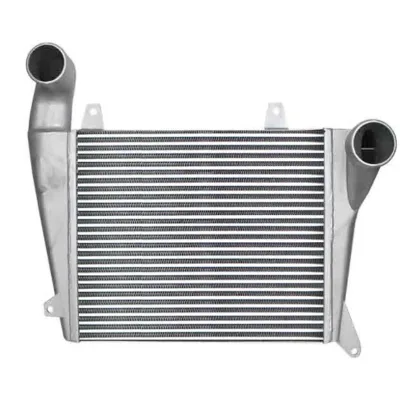
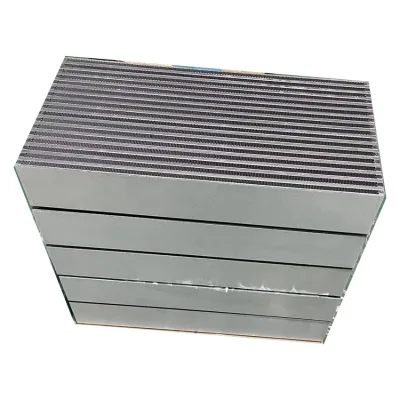




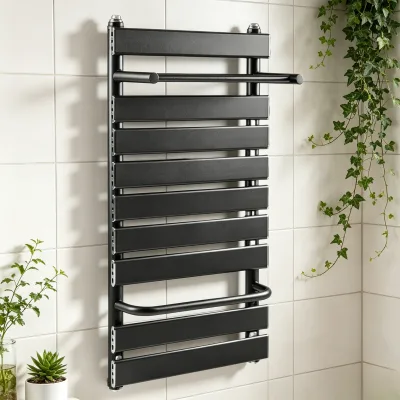







Comprehensive Sourcing Guide
Leakproof Copper Radiator Sourcing Guide
Procuring leakproof copper radiators requires a disciplined approach to material verification and structural integrity assessment. Buyers must prioritize suppliers who explicitly define the copper-aluminum bonding process, as this interface is critical for preventing galvanic corrosion and maintaining seal integrity under thermal cycling. The observed market data indicates a strong presence of manufacturers in Qingdao, Guangdong, and Shandong, each offering distinct advantages in supply chain proximity and specialized manufacturing capabilities. Understanding these regional distinctions helps in evaluating logistics costs and communication efficiency during the sourcing process.
The term "leakproof" is not a standalone certification but a performance outcome derived from rigorous quality control and proper material selection. Sourcing guides must emphasize the verification of core construction methods, such as tube-fin configurations, which are prevalent in the observed listings. Buyers should focus on suppliers who provide transparent data on pressure testing and leak detection protocols rather than relying on marketing claims. This evidence-based approach ensures that the final product meets the stringent demands of industrial cooling systems where failure is not an option.
Product Scope and Observed Listing Signals
The current market landscape for copper radiators features a diverse range of products, from custom-designed units to standardized OEM components. Listings frequently highlight customization availability, allowing buyers to tailor dimensions and cooling capacities to specific operational needs. The observed product names often include descriptors like "customized copper welding fin radiator" or "brass and copper radiator core," indicating a focus on specialized thermal management solutions. These signals suggest that buyers should expect a high degree of flexibility in design, provided they can meet minimum order quantities and lead time expectations.
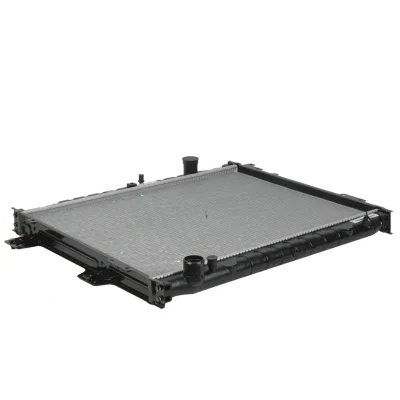
Material composition is a primary differentiator in this segment, with many suppliers offering copper-aluminum bonding or pure copper constructions. The presence of attributes such as "copper fin tube radiator" and "aluminium body material" in the same dataset highlights the complexity of hybrid designs. Buyers must carefully distinguish between products that use copper for the core and those that utilize it for the entire assembly. This distinction impacts both thermal performance and cost, requiring a clear understanding of the application’s thermal load and environmental conditions before placing an order.
Technical Specifications to Verify
Verifying technical specifications is paramount when sourcing leakproof copper radiators, particularly regarding the cooling mechanism and structural design. Buyers should confirm whether the unit is air-cooled or water-cooled, as this dictates the necessary attachment methods and fluid compatibility. The observed data includes references to "switch type" water temperature sensors and "fan" attachment methods, which are critical for system integration. Ensuring that the radiator’s physical dimensions, such as the 1203025cm size observed in some listings, match the available space in the target equipment is essential for successful deployment.
Thermal performance metrics, such as cooling power and rotational speed, must be validated against the supplier’s test data. Listings mentioning specific values like 350W cooling power or 2650 RPM rotational speed provide a baseline for comparison, but buyers should request independent verification. Additionally, the type of bearing, such as hydro bearing, influences noise levels and longevity, which are crucial for applications requiring quiet operation. Understanding these technical nuances allows buyers to select radiators that not only fit physically but also perform reliably under sustained load conditions.
Compliance and Safety Documentation
Compliance with international standards is a non-negotiable aspect of sourcing copper radiators, especially for industrial and automotive applications. The observed listings reference certifications such as ISO and ISO/TS16949, which indicate a supplier’s commitment to quality management systems. Buyers should verify the validity of these certifications and ensure they cover the specific manufacturing processes used for the copper radiators. This verification process helps mitigate risks associated with substandard materials or poor workmanship, which can lead to premature failure and costly downtime.
Product patents and proprietary designs are also mentioned in the context, suggesting that some suppliers offer unique solutions that may provide competitive advantages. Buyers should inquire about the scope of these patents and how they impact the customization process. Furthermore, documentation regarding the cooling fluid brand, such as Shell, can provide insights into the recommended maintenance procedures and fluid compatibility. Ensuring that all compliance documents are up-to-date and applicable to the target market is essential for avoiding regulatory hurdles and ensuring long-term operational safety.
Cost Drivers and Commercial Terms
Cost drivers for copper radiators are influenced by material prices, manufacturing complexity, and order volume. The observed price range of 1-21124 USD reflects the vast diversity in product specifications and customization levels. Buyers should analyze the cost breakdown to understand how much of the price is attributed to raw copper versus labor and overhead. Minimum order quantities (MOQ) ranging from 1 to 100 units offer flexibility for both prototyping and large-scale production, but buyers must consider the impact of MOQ on unit pricing and inventory holding costs.
Commercial terms, including payment methods and delivery times, play a significant role in the total cost of ownership. The observed payment options, such as TT, PayPal, and Western Union, provide various levels of security and convenience for international transactions. Delivery times of 15-20 days are typical, but buyers should negotiate for expedited shipping if project timelines are tight. Understanding these commercial terms allows buyers to plan their cash flow and supply chain logistics more effectively, reducing the risk of delays and unexpected expenses.
Supplier Qualification and Quality Control
Supplier qualification is a critical step in ensuring the reliability of leakproof copper radiators. Buyers should assess the supplier’s manufacturing capabilities, including their experience with copper-aluminum bonding and tube-fin construction. The observed presence of suppliers in multiple Chinese provinces suggests a robust manufacturing ecosystem, but buyers must verify the specific facilities that will produce their order. Requesting factory audits or third-party inspections can provide valuable insights into the supplier’s quality control processes and production capacity.
Quality control measures should include rigorous testing for leaks, pressure resistance, and thermal performance. Buyers should inquire about the supplier’s testing protocols and request sample reports from previous batches. The observed product weights, such as 3.2 kg and 2.5 kg, can serve as a quick check for material consistency, but detailed inspection is necessary to ensure compliance with specifications. Establishing a clear quality agreement with the supplier, including acceptance criteria and remediation procedures, is essential for maintaining product integrity throughout the supply chain.
Long-Term Procurement Checks
Long-term procurement success depends on continuous monitoring of supplier performance and product reliability. Buyers should establish key performance indicators (KPIs) related to delivery times, defect rates, and customer support responsiveness. Regular reviews of these metrics help identify potential issues early and allow for corrective actions before they impact production. The observed customization availability suggests that suppliers are capable of adapting to changing requirements, but buyers must ensure that these adaptations do not compromise quality or lead times.
Sustainability and supply chain resilience are also important considerations for long-term procurement. Buyers should evaluate the supplier’s environmental practices and their ability to source materials responsibly. The observed use of aluminum and copper, which are recyclable materials, aligns with sustainability goals, but buyers should verify the supplier’s recycling and waste management policies. By maintaining a proactive approach to supplier management, buyers can build a resilient supply chain that supports their long-term business objectives and ensures the consistent availability of high-quality copper radiators.
FAQs
What certifications do the copper radiators have?
The radiators hold ISO and ISO/TS16949 certifications along with product patents. These credentials verify that the manufacturing processes meet international quality standards. Buyers can rely on these documented certifications to ensure compliance with industry requirements for cooling systems and heat exchange components.
Can the radiators be customized for specific needs?
Yes, customization is available for these copper radiators. The model number is listed as custom, allowing for tailored specifications. This flexibility supports unique engineering requirements, ensuring that the cooling systems fit specific applications while maintaining the structural integrity of the copper and aluminum materials used.
What is the typical lead time for delivery?
The delivery time is typically 15-20 days. This timeframe applies to the production and shipping of the cooling systems. Buyers should account for this period when planning their procurement schedules, as it ensures the timely arrival of the radiators from the manufacturing locations in China.
Which payment methods are accepted for these products?
Accepted payment methods include TT, PayPal, Western Union, and Trade Assurance. These options provide flexibility for international transactions. Buyers can choose the method that best suits their financial processes, ensuring secure and convenient payment handling for the copper radiator orders during the sourcing phase.
What materials are used in the radiator construction?
The radiators utilize copper, aluminum, and copper-aluminum bonding materials. Some variants feature a brass and copper radiator core. These materials are selected for their superior thermal conductivity and durability, ensuring efficient heat dissipation in various cooling system applications while maintaining structural strength under operational conditions.