Source iPhone Phone Lanyard with Keychain and Card Holder for Bottle, Card, Mobile
Explore 30 options for the iPhone Phone Lanyard with Keychain and Card Holder suitable for bottle, card, and mobile phone applications. Buyers can compare features like material, customization, and usage across various models from Chinese manufacturers.
Key considerations
Products List


Neck Lanyard, Key Chain Lanyard, Cell Phone Strap, Promotion Card Holder Lanyard
$0.15 - $0.50
MOQ: 500 Pieces

Plastic ID Card Holder Lanyard, Promotional Gift Mobile Phone Keychain Lanyard
$0.16 - $0.20
MOQ: 1000 Pieces


Metal Key Chain Mobile Phone Lanyard Badge Lanyard Anti-Losing Short Lanyard
$0.39 - $0.50
MOQ: 1000 Pieces


Comprehensive Sourcing Guide
Strategic Sourcing Guide for iPhone Phone Lanyards with Keychain and Card Holder
Understanding Product Specifications and Material Composition
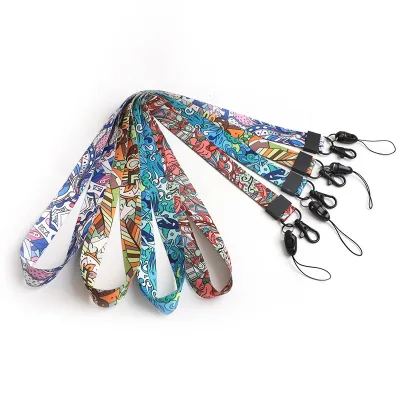
When sourcing an iPhone phone lanyard with a keychain and card holder, the primary objective is to identify a product that balances durability with the specific functional requirements of modern mobile device users. Based on available market data, the core material for these lanyards is predominantly polyester, a synthetic fiber chosen for its tensile strength, resistance to abrasion, and ability to hold vibrant prints. The physical dimensions of these products vary significantly depending on the intended use case. Standard specifications observed in the market include widths of 20mm, which provide a comfortable grip and sufficient surface area for branding, while lengths can range from 900mm to 1900mm. For instance, specific product models adhere to a standard size of 20900mm, whereas others designed for heavier usage or luggage applications may reach 501900mm with a thickness of 1.0mm.
The construction of the lanyard involves specific technical methods, with heat transfer printing and woven techniques being the most prevalent. Heat transfer printing allows for high-definition logos and complex designs, making it ideal for corporate branding or promotional events where visual impact is crucial. Conversely, woven techniques offer superior durability and a textured finish, often preferred for long-term wear. The color palette is diverse, with blue, black, and green being common options, though the market supports custom color requests. A critical component of the assembly is the locking mechanism. Buyers must verify the lock material, as options include metal for a premium, secure feel, or plastic for a lightweight, cost-effective solution. The inclusion of a keychain and card holder transforms the item from a simple strap into a multi-functional accessory, requiring robust attachment points that can withstand the weight of a smartphone and additional items without tearing.
Compliance, Certification, and Safety Standards
In the B2B procurement of lanyards, particularly those intended for general consumer use or corporate gifting, compliance with safety and quality standards is non-negotiable. While the supply chain for lanyards is generally less regulated than medical devices or children's toys, specific certifications can serve as a proxy for supplier reliability and product safety. Market observations indicate that some products may carry CE and FDA certifications, suggesting that the materials used meet specific European and American safety benchmarks regarding chemical composition and physical safety. However, these certifications are not universal across all listings; they are specific to certain product models and manufacturers.
Buyers must exercise caution when interpreting these standards. The presence of a CE mark, for example, implies conformity with health, safety, and environmental protection standards for products sold within the European Economic Area. Similarly, FDA compliance suggests that the materials are safe for contact with food or skin, which is relevant if the lanyard is used in food service environments or by the general public. It is essential to verify that the supplier can provide valid documentation for these claims rather than relying on marketing assertions. Furthermore, the origin of the product plays a role in compliance. Most lanyards of this nature originate from China, with specific manufacturing hubs like Ningbo being prominent. Products from this region are subject to Chinese export standards, but the destination market's regulations must also be met.
When evaluating a supplier, procurement teams should request a test report or a certificate of compliance that explicitly lists the standards met. If a supplier claims a product is "CE certified," the buyer should ask for the specific test report number and the laboratory that issued it. This due diligence is critical because the lanyard's material, whether polyester or the metal/plastic lock components, must not contain hazardous substances that could violate regulations in the buyer's target market. Additionally, the "any size" or "customized" nature of the product standard means that the physical dimensions do not inherently dictate safety; the safety lies in the material composition and the manufacturing process.
Cost Drivers and Pricing Dynamics
The pricing of iPhone phone lanyards with keychain and card holders is influenced by a complex interplay of factors, including material costs, customization complexity, order volume, and logistics. The observed price range in the market spans from $0.08 to $25.00 USD per unit, a wide variance that reflects the difference between basic, mass-produced items and premium, highly customized solutions. The lower end of the spectrum typically corresponds to standard polyester lanyards with simple printed logos and plastic locks, produced in high volumes. The upper end of the spectrum often includes products with metal locks, 3D features, gold plating, or complex woven designs that require more labor and higher-quality raw materials.
Order Volume is a primary driver of unit cost. The Minimum Order Quantity (MOQ) varies significantly, ranging from as low as 1 unit for sample orders to 20,000 units for large-scale production runs. Specific models may have fixed MOQs, such as 500 pieces or 1,000 pieces. As the order quantity increases, the unit price generally decreases due to economies of scale in material procurement and manufacturing setup. However, the cost of customization is a significant variable. While many suppliers offer "Any Logo Design" or "Any Client Design Logo" services, the complexity of the design affects the cost. Heat transfer printing and 3D features may incur additional setup fees or higher per-unit costs compared to standard printing.
Logistics and shipping terms also impact the final landed cost. Suppliers typically offer shipment options via air, sea, or express courier. Air freight and express services are faster but more expensive, suitable for urgent orders or small batches. Sea freight is the most cost-effective for large volumes but requires longer lead times, typically around 15 days for production plus shipping duration. Payment terms, such as TT (Telegraphic Transfer), are standard, and the timing of payments can affect cash flow and overall project costs. Buyers should also consider the packaging costs; options range from simple bag packaging to export cartons, with the latter being necessary for bulk shipments to ensure product integrity during transit.
Typical Applications and Functional Versatility
The versatility of the iPhone phone lanyard with a keychain and card holder makes it suitable for a wide array of applications beyond simple device attachment. The product usage data indicates a broad spectrum of use cases, including bottle lanyards, card lanyards, mobile phone lanyards, key lanyards, and luggage belts. This multifunctionality is a key selling point for B2B buyers looking for promotional items that offer high utility. For corporate events, these lanyards serve as effective branding tools, allowing companies to display their logos prominently while providing employees or attendees with a practical accessory to carry their phones, keys, and ID cards.
In the retail and hospitality sectors, these lanyards are often used as souvenirs or gifts. The "Gift, Decoration, Souvenirs" usage category highlights their appeal as promotional merchandise. The ability to customize the color, logo, and style allows businesses to align the product with their brand identity. For instance, a "Business" style lanyard might be preferred for corporate conferences, while a "Fashion" style with vibrant colors might be better suited for music festivals or youth-oriented events. The inclusion of a keychain and card holder adds significant value, transforming the item into a daily carry essential. This functionality encourages repeated use, thereby extending the lifespan of the brand exposure.
The specific design features, such as the "3D" feature or "Gold" plating, can elevate the product's perceived value, making it suitable for high-end corporate gifts or luxury brand promotions. The "Breast" wearing way suggests that these lanyards can be worn comfortably around the neck or chest, making them ideal for hands-free scenarios. Whether used for securing a mobile phone during travel, holding a key at a gym, or displaying a badge at a trade show, the product's adaptability is its strongest asset. Buyers should consider the specific needs of their target audience when selecting the style, material, and features to ensure the product resonates with the intended users.
Supplier Evaluation and Quality Control Protocols
Selecting the right supplier is critical to ensuring the quality and reliability of the iPhone phone lanyards. Given that the product count in the market is substantial, with 30 distinct listings observed, buyers must employ a rigorous evaluation process. The first step is to verify the supplier's capabilities regarding customization. The market data confirms that customization is available, with options for "Any Logo Design" and "Any Client Design Logo." Buyers should assess the supplier's design team and their ability to translate client concepts into high-quality prints or woven patterns.
Quality control should be a central part of the supplier evaluation. Buyers must request samples to physically inspect the product before committing to a large order. Key quality indicators include the strength of the stitching, the durability of the print (resistance to fading or peeling), and the functionality of the lock mechanism. For metal locks, the finish should be smooth and free of sharp edges, while plastic locks should be robust and not brittle. The "Samples Time" of 5-7 days is a standard metric that buyers can use to gauge the supplier's responsiveness. Additionally, the "Delivery Time" of 15 days for production is a benchmark to verify against the supplier's actual capabilities.
Suppliers should also demonstrate a commitment to consistent quality through their packing standards. Options like "Export Packing" or "Export Carton" are essential for protecting the products during international shipping. Buyers should inquire about the supplier's quality assurance processes, including in-line inspections and final random inspections. It is also important to verify the supplier's location and origin, as products from established manufacturing hubs like Ningbo, China, often benefit from a mature supply chain and experienced workforce. However, buyers should not assume quality based solely on location; direct verification through audits or third-party inspection services is recommended for large orders.
Long-Term Procurement and Supply Chain Considerations
For buyers planning long-term procurement of iPhone phone lanyards with keychain and card holders, establishing a sustainable supply chain relationship is paramount. The variability in MOQs, ranging from 1 to 20,000 units, offers flexibility for both trial runs and large-scale deployments. However, buyers should plan for potential fluctuations in raw material costs, particularly for polyester and metal components, which can impact pricing over time. Establishing a framework for regular reordering can help stabilize costs and ensure consistent product availability.
Lead time management is another critical consideration. While a standard delivery time of 15 days is observed, buyers should account for potential delays due to logistics, customs, or production bottlenecks. Having a clear communication channel with the supplier and understanding their production capacity can mitigate these risks. The availability of multiple shipping options—by sea, air, or express—allows buyers to balance cost and speed based on their inventory needs. For time-sensitive orders, air freight may be necessary, whereas sea freight is preferable for bulk stock replenishment.
Finally, buyers should consider the environmental and ethical implications of their procurement. While the provided data does not explicitly mention sustainability certifications, the trend in the industry is moving towards more eco-friendly materials and ethical manufacturing practices. Buyers can inquire about the supplier's policies on waste reduction, energy efficiency, and labor standards. By prioritizing suppliers who demonstrate a commitment to sustainability, buyers can enhance their brand reputation and align with the growing consumer demand for responsible sourcing. The ability to customize the product standard to "same as client size" or "customized" also allows buyers to innovate and differentiate their offerings in a competitive market.
FAQs
What customization options are available for the logo?
Any logo design or client design logo is available for customization. Suppliers support various techniques including heat transfer printing and woven methods to ensure high-quality branding on the polyester material.
Which lock materials are used for these lanyards?
Lock materials include both metal and plastic options depending on the specific product model. Metal locks offer a premium secure feel, while plastic locks provide a lightweight and cost-effective solution for general use.
Can I find products with CE and FDA certifications?
Yes, specific product models carry CE and FDA certifications to meet safety standards. These certifications indicate compliance with European and American benchmarks regarding chemical composition and physical safety for general consumer use.
What is the typical lead time for production?
The standard delivery time for production is 15 days after order confirmation. Sample time is typically 5-7 days, while shipping methods like air, sea, or express courier affect the total transit duration.
What are the standard dimensions for the lanyards?
Standard specifications include widths of 20mm with lengths ranging from 900mm to 1900mm. Some models adhere to specific sizes like 20*900mm, while others offer customized dimensions to match client requirements.
How does the MOQ vary for different orders?
Minimum Order Quantities range from 1 unit for samples up to 20,000 units for large production runs. Specific models may have fixed MOQs such as 500 pieces or 1,000 pieces depending on the customization level.