Source iPhone Case for Gym, Work, and Daily Use
Find 30 iPhone Case options featuring waterproof, shock-absorbent, and anti-slip designs. Compare minimalist, trendy, and patterned styles made from plastic or silicone resin. Evaluate customization, certifications, and lead times for bulk procurement needs.
Key considerations
Products List


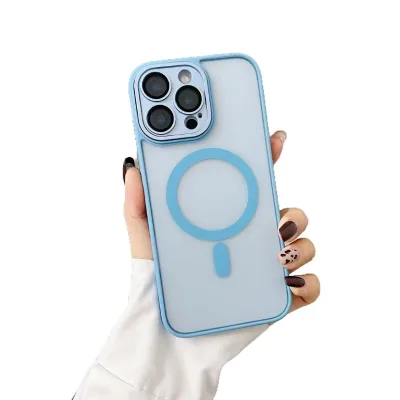


Protective Mobile Case with Ring Phone Cover for iPhone Bracket Phone Case
$0.90 - $1.00
MOQ: 100 Pieces


Comprehensive Sourcing Guide
iPhone Case Sourcing Guide
The global market for iPhone accessories is characterized by a high volume of suppliers offering diverse design philosophies, ranging from minimalist and trendy aesthetics to culturally inspired and cartoon-themed variations. Buyers must navigate a landscape where product attributes such as waterproofing, shock absorption, and dirt resistance are frequently highlighted as core functional requirements. The observed product listings indicate a strong emphasis on versatility, with models designed for specific use cases like gym activities, daily commuting, or general household appliance integration, though the primary application remains mobile phone protection.
Procurement decisions should be grounded in the specific compatibility requirements of the target device, as the supplied data confirms a focus on iPhone compatibility while also noting instances where generic or non-branded options are available. Sourcing strategies must account for the wide range of customization options, including design software capabilities like Pro-E and the ability to tailor packing configurations, which allows buyers to align inventory with their specific logistical needs. Understanding these variations is essential for selecting a supplier that can deliver the precise balance of style, function, and brand alignment required for a successful product launch.
Product Scope and Observed Listing Signals
Buyers should expect a product scope that spans multiple functional categories, including slim fit cases, gym-specific protective gear, and models that integrate screen protectors directly into the design. The observed listings reveal a distinct segmentation based on style, with options available in minimalist, glamorous, and patterned finishes, alongside specific color offerings like yellow and black. This diversity suggests that successful sourcing requires a clear definition of the target demographic, as the gender specifications range from male and female specific to unisex designs, influencing the aesthetic and functional priorities of the final product.
Commercial signals in the market indicate a flexible approach to minimum order quantities, with observed ranges spanning from 10 to 1000 units, allowing for both small-batch testing and larger volume deployments. The pricing structure observed in the market reflects this variability, with unit costs ranging from 0.2 to 6 USD, a spread that likely correlates with material complexity, customization levels, and order volume. Buyers must carefully evaluate the trade-off between cost and feature set, noting that while some products offer basic protection, others include advanced features like shock absorption and anti-slip properties that may justify a higher price point.
Technical Specifications to Verify
When evaluating technical specifications, the material composition is a primary decision point, with the market offering options in standard plastic, PVC, and silicone resin. The hardness of the case is a critical factor for user experience, ranging from medium soft to soft, which directly impacts the tactile feel and the level of protection against drops. Buyers should verify the specific plastic material grade and the intended hardness profile to ensure the case meets the durability expectations of the end-user, particularly for applications involving physical activity or rough handling.
The manufacturing process and design capabilities are equally important, with suppliers utilizing methods such as extrusion molding and compound die processes to achieve the desired form. Verification of the design software, such as Pro-E, ensures that the supplier has the technical capacity to execute complex customizations or specific design requirements. Additionally, the presence of multi-cavity molds suggests a capacity for high-volume production, but buyers must confirm that the runner system, such as cold runners, aligns with their quality and waste reduction goals.
Compliance and Safety Documentation
Compliance verification is essential for entering regulated markets, and the supplied data indicates that some suppliers hold ISO9001 certification, which serves as a baseline for quality management systems. Buyers should explicitly request and validate these certifications to ensure that the manufacturing processes adhere to recognized international standards. While some listings mention CE certification, it is crucial to confirm the scope of this certification relative to the specific product type and the target market's regulatory requirements, as compliance is not universal across all listed suppliers.
Safety documentation should also address the chemical composition of the materials used, particularly given the variety of plastics and resins involved. Buyers must ensure that the materials, including PVC and silicone resin, meet relevant safety standards for consumer electronics accessories, especially regarding toxicity and durability. The absence of specific test results in the general listing data means that procurement teams must demand independent test reports or factory audit results to verify that the products are safe for consumer use and do not pose health risks.
Cost Drivers and Commercial Terms
Cost drivers in the iPhone Case market are heavily influenced by the level of customization and the complexity of the design software required. Suppliers offering custom designs, such as those utilizing Pro-E for specific molds, will typically command higher prices than those providing standard, off-the-shelf models. The choice of material also plays a significant role, with silicone resin and specialized PVC formulations often costing more than basic plastic options, and these costs must be weighed against the perceived value of the added features like waterproofing and shock absorption.
Commercial terms regarding lead times and delivery dates are variable, with observed ranges indicating a typical delivery window of 15 to 20 days, though this can fluctuate based on order quantity. Buyers should clarify the lead time policy, as some suppliers may adjust timelines based on the specific volume ordered, and confirm the packing standards, which can range from standard packaging to specific configurations like 20 pieces per OPP bag. Understanding these terms is vital for supply chain planning, ensuring that inventory levels are maintained without overstocking or facing stockouts due to unexpected delays.
Supplier Qualification and Quality Control
Supplier qualification should begin with a thorough review of their production capabilities, including the type of molding processes they employ and the sophistication of their design software. The presence of multi-cavity molds and compound die processes indicates a mature manufacturing setup capable of maintaining consistency, but buyers must verify the actual production capacity and the quality control measures in place at the factory. It is important to assess whether the supplier can consistently deliver products that meet the specified hardness, material, and functional requirements across different production batches.
Quality control protocols must be explicitly defined, particularly regarding the surface finish processes like painting and the overall structural integrity of the case. Buyers should request samples to verify the fit and finish, ensuring that the case provides the advertised protection without compromising the usability of the device. The guarantee period, such as the one-year guarantee observed in some listings, should be clearly understood in terms of what defects are covered and the process for claiming warranty support, as this reflects the supplier's confidence in their product quality.
Long-Term Procurement Checks
Long-term procurement success depends on establishing a reliable supply chain that can adapt to changing market demands and design trends. Buyers should monitor the supplier's ability to maintain consistent quality over time, especially as order volumes increase or as new product models are introduced. The flexibility of the supplier to accommodate customization requests and adjust production schedules is a key indicator of their long-term viability as a partner. Regular audits and performance reviews should be conducted to ensure that the supplier continues to meet the agreed-upon standards for materials, certifications, and delivery timelines.
Sustainability and environmental considerations are becoming increasingly important in the procurement of consumer electronics accessories. Buyers should evaluate the supplier's commitment to eco-friendly practices, as some product listings highlight eco-friendly styles, and inquire about the recyclability of the materials used. Establishing a long-term relationship with a supplier who prioritizes sustainable manufacturing and transparent communication will help mitigate risks and ensure a steady supply of high-quality iPhone cases that align with evolving consumer values and regulatory requirements.
FAQs
What materials are used for these iPhone cases?
The cases are primarily made from plastic, including PVC and silicone resin. These materials provide a medium soft to soft hardness, ensuring a comfortable grip and shock absorption. The choice of plastic allows for durable protection while maintaining a slim fit for the device.
Can I customize the design of the phone case?
Customization is available for these products. Buyers can request specific styles such as minimalist, trendy, or patterned designs. The production process supports custom standards and can utilize design software like Pro-E to create unique molds, allowing for tailored branding or aesthetic preferences.
What certifications do the manufacturers hold?
Manufacturers hold ISO9001 and CE certifications. These standards indicate adherence to quality management systems and safety requirements. The products also meet standard specifications, ensuring consistent quality and reliability for international buyers seeking compliant sourcing options for mobile phone accessories.
What is the typical lead time for orders?
The delivery date is typically 15-20 days. Lead times are calculated per quantity, meaning larger orders may require more time. Buyers should consider this timeframe when planning inventory, as production depends on the specific quantity ordered and the complexity of any customizations requested.
How are the phone cases packaged for shipment?
Standard packaging includes 20 pieces per OPP bag and 400 pieces per carton. This packing method ensures efficient handling and protection during transit. The standard packing format helps streamline logistics and reduces the risk of damage, making it suitable for bulk wholesale orders.
What functions do these cases provide?
The cases offer waterproof, anti-slip, and shock-absorbent functions. They are also dirt-resistant and designed for decoration. These features protect the iPhone from physical impacts and environmental elements while providing a secure grip and aesthetic appeal for both male and female users.