Source IP68 Weatherproof Cold Shrink Tubing for Cables
Find and compare 30 listings for IP68 Weatherproof Cold Shrink Tubing designed for coaxial, power, and optical cable protection. These rubber-based splice kits offer sealing, waterproofing, and mechanical repair capabilities with customizable sizes and standard packaging options available from China-based manufacturers.
Key considerations
Products List




Comprehensive Sourcing Guide
IP68 Weatherproof Cold Shrink Tubing Sourcing Guide
Procuring IP68 Weatherproof Cold Shrink Tubing requires a disciplined approach to verifying material integrity and sealing performance, as these components serve as critical barriers against moisture, dust, and environmental degradation in electrical and communication systems. Buyers must distinguish between generic shrink materials and specialized cold shrink products that rely on elastic expansion and spring-back force to maintain a constant pressure seal over time. The core value proposition of this product category lies in its ability to provide reliable waterproofing without the need for heat sources, making it ideal for field installations where open flames or high-temperature tools are prohibited or impractical. Understanding the specific mechanical and electrical properties of the tubing is essential for ensuring long-term reliability in harsh operating conditions.
This guide outlines the essential verification steps for sourcing IP68 rated cold shrink tubing, focusing on technical specifications, compliance documentation, and supplier qualification. By adhering to the evidence-based criteria presented here, procurement professionals can mitigate risks associated with material failure, non-compliance, and inconsistent supply chains. The following sections provide a structured framework for evaluating product listings, confirming technical capabilities, and establishing robust commercial terms that protect the buyer’s interests throughout the procurement lifecycle.
Product Scope and Observed Listing Signals
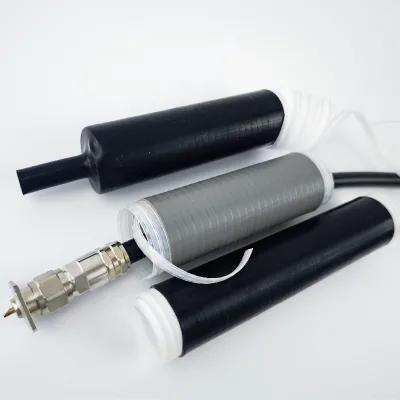
The market for cold shrink tubing encompasses a variety of product lines, including the CPE Series, CPS Series, and specific models like CST12 and VLDM, which are often marketed for splice kits and RF coaxial connector weatherproofing. Listings frequently highlight the material composition as rubber, with silicone rubber variants offering enhanced physicochemical and electrical properties. Buyers should observe that products are available in standard colors such as black or gray, and customization options are commonly advertised, allowing for tailored solutions to specific mechanical repair or sheath repair applications. The typical use cases span electrical, communication, mining, and commercial sectors, indicating a broad applicability across industries requiring robust cable protection.
Observed listing signals reveal a wide range in pricing, from as low as $0.01 to $159.91, reflecting differences in material quality, shrink ratios, and packaging standards. Minimum Order Quantities (MOQs) vary significantly, ranging from single units to 2000 pieces, with some suppliers offering free samples for existing stock to facilitate initial testing. The shrink ratio is a critical visual indicator, with 5:1 ratios commonly cited, suggesting a high degree of elasticity and coverage capability. Buyers must carefully cross-reference these signals with technical data sheets, as marketing claims alone do not guarantee performance consistency, especially when comparing standard packages against customized carton packaging solutions.
Technical Specifications to Verify
Verifying the IP rating and sealing class is paramount, with IP68 being a frequent claim for these products, indicating complete protection against dust and prolonged immersion in water. The sealing mechanism relies on the pre-expanded nature of the tubing, which exerts continuous radial pressure on the cable or connector once the support core is removed. Buyers should confirm the dielectric strength, with observed values around 23 kV/mm, and tensile strength, typically cited near 39 N/mm, to ensure the material can withstand mechanical stress and electrical loads without failure. Elongation at break is another key metric, with values up to 840% indicating high flexibility and resistance to cracking under deformation.
Connector compatibility and cable type compatibility must be explicitly verified, as these tubes are often designed for specific applications such as HDMI cables, electric wires, and optical cables. The availability of cross-references to established brands, such as 3M 8420 Pst Cold Shrink, can serve as a benchmark for quality and fit, though buyers should not assume direct interchangeability without physical testing. Voltage ratings are generally specified as 1 kV or less for standard variants, so applications requiring higher voltage insulation must seek specialized products. Additionally, the feature set should include excellent weather resistance, ozone aging resistance, UV resistance, and corrosion resistance to ensure longevity in outdoor or industrial environments.
Compliance and Safety Documentation
Compliance with international standards is a non-negotiable aspect of sourcing, with certifications such as ISO, RoHS, CE, and CCC frequently listed as evidence of manufacturing quality and environmental safety. Buyers must request valid certification documents to verify that the supplier’s quality management systems meet recognized benchmarks, particularly when sourcing from regions like China, where production volumes are high but quality control can vary. The presence of RoHS certification indicates that the rubber or silicone material is free from restricted hazardous substances, which is crucial for products used in consumer electronics or environmentally sensitive applications.
Safety documentation should also include test reports for UV resistance and ozone aging, as these factors significantly impact the lifespan of cold shrink tubing in outdoor installations. While some listings mention UL 224 as a background standard, buyers should verify if the specific product variant holds UL recognition, as this is often a separate and more rigorous certification process. The absence of specific test data in a product listing does not imply failure, but it necessitates a proactive request for third-party lab results to confirm claims regarding dielectric strength and mechanical durability. Ensuring that all compliance documents are up-to-date and directly applicable to the ordered product model is essential for regulatory adherence in the buyer’s jurisdiction.
Cost Drivers and Commercial Terms
Cost variations in cold shrink tubing are driven by material composition, with silicone rubber variants typically commanding higher prices due to their superior thermal and electrical properties compared to standard rubber. The shrink ratio and wall thickness also influence pricing, as higher ratios and thicker walls require more material and more complex manufacturing processes. Packaging methods, ranging from standard packages to customized cartons, can affect unit costs and logistics efficiency, so buyers should evaluate the total landed cost rather than just the unit price. MOQs play a significant role in pricing tiers, with lower quantities often incurring higher per-unit costs, while bulk orders may offer substantial discounts.
Commercial terms should clearly define the sample policy, with many suppliers offering free samples for existing stock to allow for preliminary testing before committing to large orders. Lead times and production schedules must be negotiated explicitly, as customization options can extend manufacturing durations. Buyers should also consider the cost of quality assurance, including the potential need for incoming inspection or third-party testing, which should be factored into the overall procurement budget. Clear definitions of warranty and return policies for defective goods are essential to mitigate financial risk, especially when dealing with high-volume orders or critical infrastructure projects.
Supplier Qualification and Quality Control
Supplier qualification begins with verifying the origin of production, with China being a common source for these products, offering a wide range of manufacturers with varying levels of expertise. Buyers should assess the supplier’s capability to provide customization, as this indicates a higher level of engineering support and flexibility in meeting specific project requirements. The availability of free samples is a positive indicator of supplier confidence in their product quality, allowing buyers to perform hands-on evaluation of the sealing performance and material feel. It is crucial to establish a direct line of communication with the supplier’s technical team to discuss specific application challenges and receive tailored recommendations.
Quality control processes should be transparent and documented, with suppliers expected to provide evidence of in-house testing capabilities or partnerships with accredited laboratories. Buyers should inquire about the supplier’s defect rate and their procedures for handling non-conforming products, as this reflects their commitment to quality consistency. The use of standard packing methods and clear labeling helps in traceability and inventory management, reducing the risk of receiving incorrect or damaged goods. Establishing a long-term relationship with a qualified supplier can lead to better pricing, priority production scheduling, and improved technical support, making supplier selection a strategic decision rather than a purely transactional one.
Long-Term Procurement Checks
Long-term procurement success depends on regular performance reviews and continuous monitoring of product quality over time. Buyers should implement a system for tracking field failures or performance issues related to the cold shrink tubing, using this data to provide feedback to suppliers and drive continuous improvement. Periodic re-verification of certifications and compliance documents is necessary to ensure that the supplier maintains their quality standards and regulatory adherence throughout the contract period. Changes in material composition or manufacturing processes should be communicated and approved by the buyer to prevent unexpected variations in product performance.
Supply chain resilience should be assessed by evaluating the supplier’s ability to maintain consistent production volumes and manage raw material shortages. Diversifying the supplier base for critical components can mitigate the risk of supply disruptions, although this must be balanced against the benefits of a single-source relationship. Buyers should also stay informed about industry trends and technological advancements in cold shrink materials, such as new formulations with enhanced UV or ozone resistance, to ensure that their procurement specifications remain current and competitive. Regular audits and site visits, where feasible, can provide valuable insights into the supplier’s operational practices and reinforce the partnership’s foundation.
FAQs
What certifications do the cold shrink tubes have?
The tubes hold ISO, RoHS, CE, and CCC certifications. Some listings also mention IP68 and UV certifications. These ensure compliance with international safety and environmental standards for electrical applications.
Can I get custom sizes for this tubing?
Yes, customization is available for size and specifications. The product supports custom dimensions to fit specific cable requirements. Buyers should contact suppliers directly to confirm the exact customization options and lead times.
What is the minimum order quantity for purchase?
The minimum order quantity varies by supplier but can be as low as one piece. Some vendors list an MOQ of 100 pieces. Buyers must check individual supplier listings to confirm the specific quantity required for their order.
Which materials are used for the cold shrink tubing?
The tubing is primarily made from rubber and silicone rubber. These materials provide excellent physicochemical and electrical properties. The product is designed for sheath repair and mechanical repair in various environments.
How does the shrink ratio affect the application?
The tubing features a 5:1 shrink ratio for versatile application. This allows it to fit over various cable diameters securely. It is suitable for electrical, communication, and mining sectors requiring reliable sealing.
What is the voltage rating for this product?
The voltage rating is 1kV or less for standard applications. This makes it suitable for low-voltage electrical and communication systems. Always verify specific voltage limits with the supplier before use in critical infrastructure.
Where are these products manufactured?
The products originate from China. This location is noted for the manufacturing of various cable accessories and sealing kits. Buyers should consider shipping times and logistics when sourcing from this region.