Source IPX7 Ultrasonic Sonic Toothbrush for Home, Travel, Hotel
Source the IPX7 Ultrasonic Sonic Toothbrush from 30 verified listings. Compare features like 38000 vibration frequency, IPX7 waterproof rating, and 30-day runtime. Evaluate options from Guangdong, China, including EKONG SMILE models with CE and RoHS certifications for wholesale procurement; compare the available evidence and request quotations based on your requirements.
Updated
Key considerations
Products List
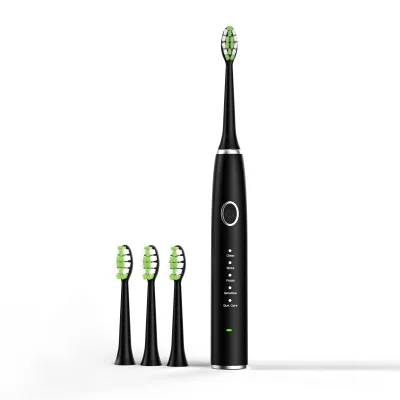
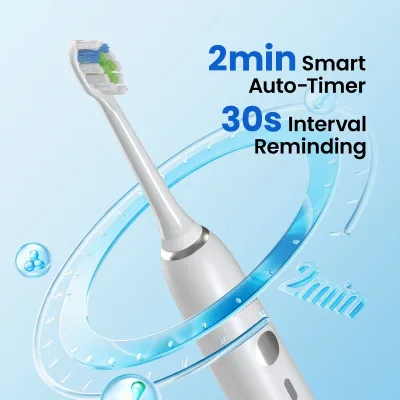
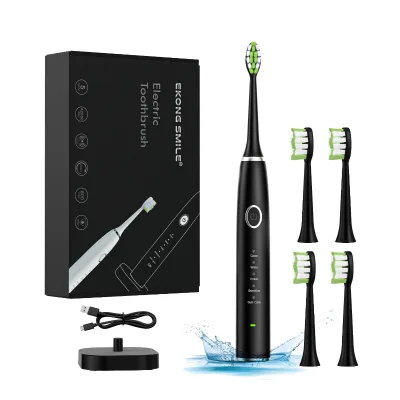


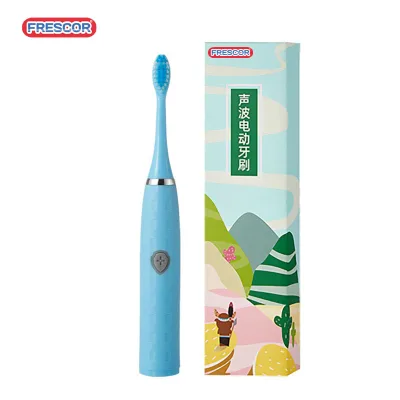
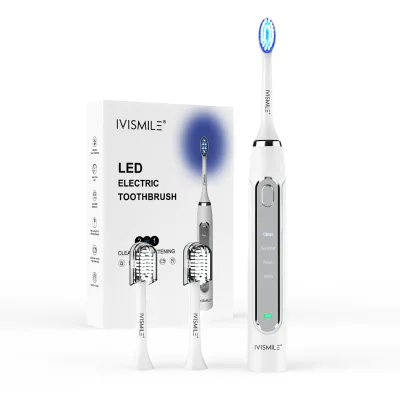
Rechargeable Automatic Sonic Electric Toothbrush Ultrasonic Electric Toothbrush
$0.0839 - $0.1573
MOQ: 28800 Minimum
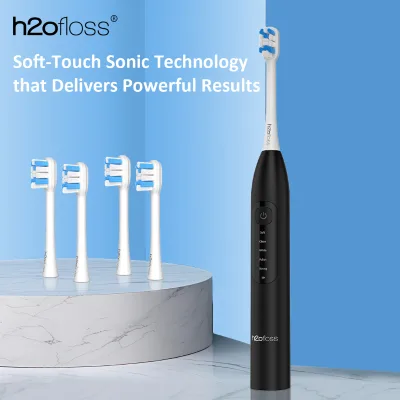

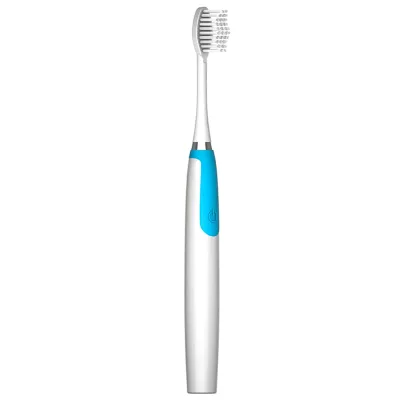
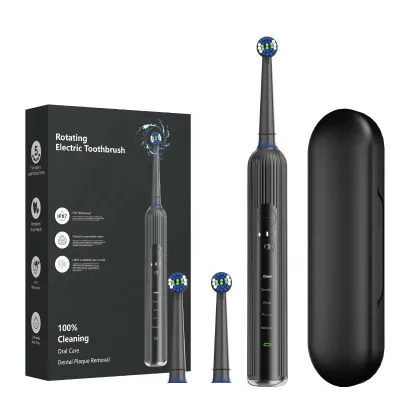
Rechargeable Head Case Ultrasonic Smart Dental Cleaner Sonic Electric Toothbrush
$0.92 - $0.95
MOQ: 100 Pieces


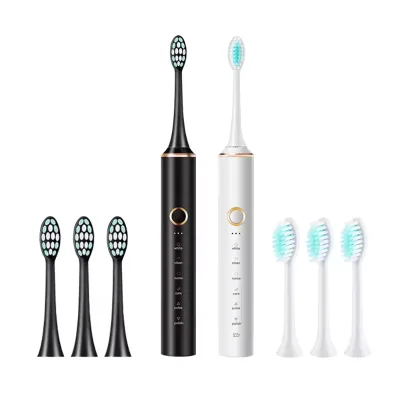


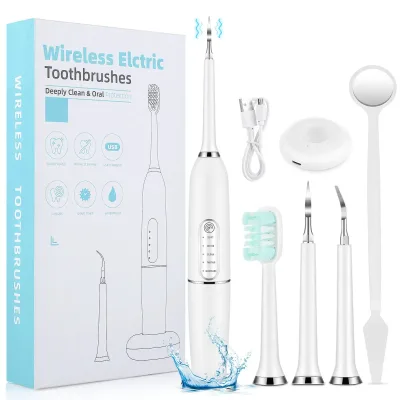
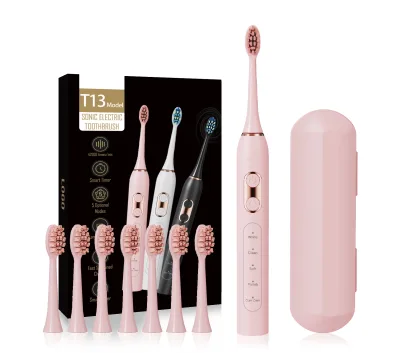
Personalized Sonic Electric Toothbrush Rechargeable Head Ipx7 Electrical Toothbrush
$2.00 - $3.00
MOQ: 28800 Pieces



Comprehensive Sourcing Guide
IPX7 Ultrasonic Sonic Toothbrush Sourcing Guide
Sourcing electric toothbrushes with IPX7 waterproof ratings requires careful attention to technical specifications and supplier capabilities. The market offers various models, including the EKONG SMILE brand, which features sonic vibration frequencies around 38,000 times per minute. Buyers must distinguish between true ultrasonic technology and sonic variants, as marketing terms often overlap. Understanding these distinctions is critical for selecting the right product for specific market demands and regulatory environments.
Procurement decisions should also consider the diverse charging methods available, such as Micro USB, wireless, and magnetic induction. While some listings claim app control, many standard models operate without smartphone connectivity, focusing instead on basic cleaning modes. Evaluating the battery capacity, typically around 500mAh, and the resulting runtime of up to 30 days helps determine the product's value proposition. These factors directly influence customer satisfaction and the potential for returns due to performance issues.
Product Scope and Observed Listing Signals
The current market landscape includes a variety of electric toothbrush models, primarily originating from Guangdong, China. Observed listings show a wide price range, reflecting differences in materials, features, and order quantities. Products often feature soft polyester bristles and plastic housings, with color options typically limited to white or black. The single package size is generally compact, measuring around 17x10x5 cm, which facilitates efficient shipping and storage for retailers.
Buyers should note that while some products advertise eco-friendly or disposable features, the core functionality remains focused on household teeth cleaning. The observed minimum order quantities vary significantly, allowing for both small sample orders and large bulk purchases. Service offerings often include OEM and ODM capabilities, enabling brands to customize logos and packaging. Understanding these signals helps buyers align their procurement strategy with their target market's expectations for quality and customization.
Technical Specifications to Verify
Verifying the vibration frequency is essential, as sonic toothbrushes typically operate around 38,000 vibrations per minute. Buyers must confirm whether the product meets the IPX7 waterproof standard, ensuring it can withstand immersion in water without damage. The charging time, often cited as four hours, and the maximum runtime of 30 days are critical performance metrics. These specifications directly impact user convenience and the overall reliability of the device in daily use.
Additionally, the type of charging interface, whether Micro USB, wireless, or magnetic, should be clearly defined. Some models offer multiple working modes, such as three or four gears, to cater to different cleaning needs. The bristle types, ranging from extra soft to medium, should be verified for comfort and effectiveness. Ensuring that the battery is rechargeable and uses lithium technology is also important for long-term durability and safety compliance.
Compliance and Safety Documentation
Compliance with international standards is non-negotiable for importing electronic health devices. Certifications such as CE and RoHS are commonly observed, indicating adherence to European safety and environmental regulations. Buyers must request valid certificates from suppliers to ensure that the products meet the legal requirements of their target markets. Without proper documentation, shipments may be delayed or rejected at customs, leading to significant financial losses.
Furthermore, verifying the warranty terms, typically one year, provides an additional layer of protection for buyers. The operating language, often English, should be confirmed to ensure usability in key markets. Buyers should also check for any specific regional certifications required, such as FCC for the United States or PSE for Japan. Proactive verification of these documents helps mitigate risks and ensures a smooth supply chain process.
Cost Drivers and Commercial Terms
Several factors influence the final cost of electric toothbrushes, including the complexity of the charging mechanism and the quality of materials used. Models with wireless or magnetic charging may command higher prices due to additional manufacturing steps. The minimum order quantity also plays a significant role, with larger orders typically benefiting from economies of scale. Buyers should negotiate based on volume commitments to secure better pricing and favorable terms.
Packaging options, such as color boxes, can add to the overall cost but enhance product presentation. Customization services, including logo printing and packaging design, may incur additional fees. It is crucial to clarify all potential costs upfront to avoid unexpected expenses. Understanding the total landed cost, including shipping and duties, allows for accurate margin calculations and competitive pricing strategies in the end market.
Supplier Qualification and Quality Control
Selecting a reliable supplier involves assessing their manufacturing capabilities and quality control processes. Suppliers offering OEM and ODM services should have robust systems in place to maintain consistency across production batches. Buyers should request samples to evaluate the build quality, bristle softness, and overall user experience. This hands-on inspection helps identify potential issues before committing to large orders.
Establishing clear quality control protocols is essential for maintaining product standards. Buyers should define acceptable defect rates and specify inspection criteria for incoming goods. Regular communication with suppliers regarding production updates and any changes in materials or components is vital. Implementing third-party inspections for large orders can provide an additional layer of assurance and help maintain brand reputation.
Long-Term Procurement Checks
Long-term success in sourcing electric toothbrushes depends on continuous monitoring of supplier performance and market trends. Buyers should regularly review product feedback from end-users to identify any recurring issues or areas for improvement. Staying informed about advancements in battery technology and charging methods can help in selecting more innovative products in the future. Adapting to these changes ensures that the product portfolio remains competitive and relevant.
Maintaining strong relationships with suppliers facilitates better collaboration on product development and problem-solving. Buyers should also keep an eye on regulatory changes that may impact product compliance or market access. Regular audits of supplier facilities and processes can help ensure ongoing adherence to quality and safety standards. By proactively managing these aspects, buyers can secure a stable and efficient supply chain for their electric toothbrush products.
FAQs
What is the waterproof rating of this electric toothbrush?
The device features an IPX7 waterproof rating, allowing it to withstand immersion in water up to one meter for thirty minutes. This specification ensures safe usage during showering or rinsing without internal damage, making it suitable for daily home and travel hygiene routines.
How long does the battery last on a single charge?
The maximum runtime reaches thirty days on a full charge, powered by a 500mAh rechargeable lithium battery. Charging takes approximately four hours via Micro USB or magnetic charging options, providing long-term convenience for users who prefer minimal maintenance between power cycles.
Which certifications does the product hold for safety compliance?
The product holds CE and RoHS certifications, ensuring compliance with European safety and environmental standards. These credentials verify that the materials and manufacturing processes meet strict regulatory requirements for consumer electronics, providing assurance for international buyers and distributors seeking compliant household appliances.
Can buyers customize the logo and packaging for bulk orders?
Yes, customized logos and packaging are available through OEM and ODM services. Buyers can request specific branding on the white or black housing and choose from color box packaging options, allowing for tailored marketing solutions that align with their brand identity and retail requirements.
What operating modes are available for different cleaning needs?
The toothbrush offers three working modes to accommodate various cleaning preferences and sensitivity levels. These modes allow users to adjust intensity for gentle plaque removal or deeper cleaning, ensuring effective dental care for adults while maintaining the soft polyester bristles for gum protection.