Source Mesh Base Dental Lingual Buttons for Orthodontics
Find Mesh Base Dental Lingual Buttons from verified manufacturers. Compare 30 listings for Class II instruments made of 17-4 stainless steel. Options include CE-certified products with online support and various shipping methods from China; compare the available evidence and request quotations based on your requirements.
Updated
Key considerations
Products List




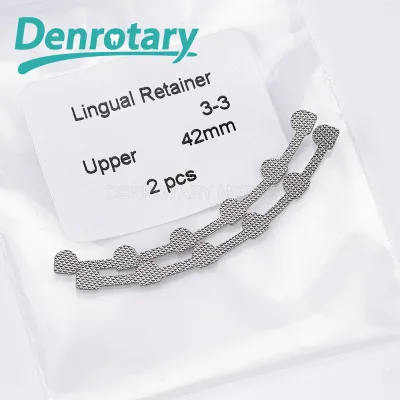
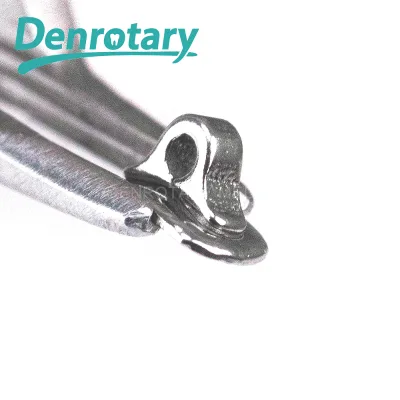
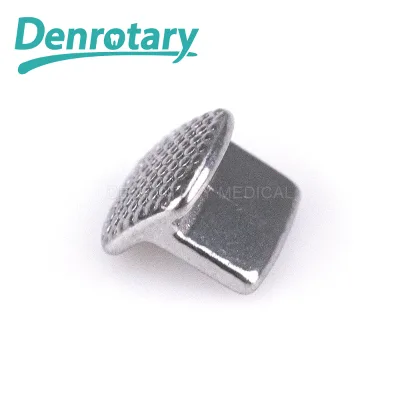

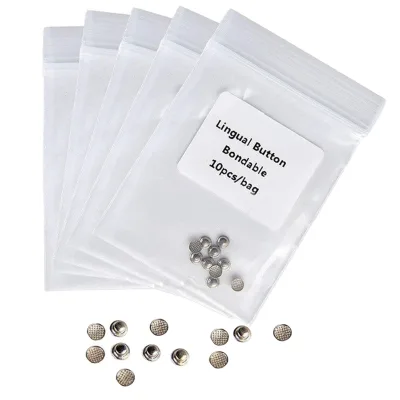




Comprehensive Sourcing Guide
Mesh Base Dental Lingual Buttons Sourcing Guide
Procuring Mesh Base Dental Lingual Buttons requires a disciplined approach to verifying material integrity and bonding reliability, as these components serve as critical anchors in orthodontic treatment. Buyers must prioritize suppliers who demonstrate consistent manufacturing capabilities, particularly those originating from established industrial hubs like Jiangsu or Henan in China, where specialized dental instrument production is concentrated. The observed market signals indicate a wide range of product listings, necessitating careful scrutiny of individual supplier claims against actual product specifications to ensure compatibility with clinical workflows.
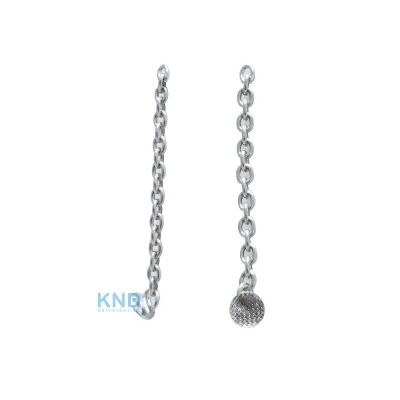
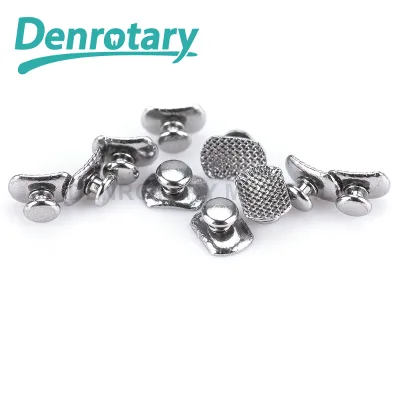
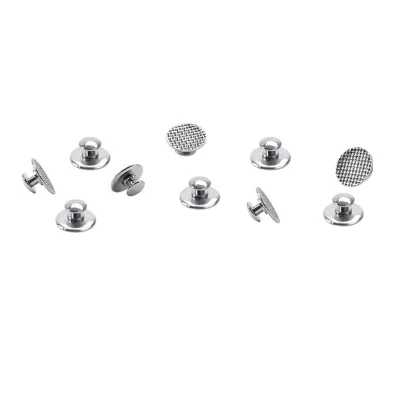
The core keyword highlights a specific design feature—the mesh base—which is essential for achieving strong mechanical retention when bonding to tooth enamel. Sourcing guides must emphasize the importance of verifying the exact geometry and surface texture of these buttons, as variations can significantly impact clinical success rates. Buyers should focus on suppliers who provide clear documentation of their manufacturing processes and quality control measures, ensuring that the final product meets the rigorous demands of daily orthodontic practice without compromising patient safety or treatment efficacy.
Product Scope and Observed Listing Signals
The current market landscape for Mesh Base Dental Lingual Buttons reveals a diverse array of product listings, with observed price points ranging from $0.5 to $4 USD per unit. This wide variance suggests significant differences in material quality, packaging standards, and supplier scale, requiring buyers to look beyond price alone when evaluating potential partners. The minimum order quantities (MOQ) observed range from 1 to 100 units, indicating flexibility for both small clinics and large distributors, though bulk purchasing may offer better economies of scale for high-volume practices.
Product attributes indicate that these items are typically classified as Class II instruments, constructed from hard stainless steel or similar metal alloys to ensure durability during orthodontic procedures. Listings often specify a shelf life of three years and a warranty period of five years, which are critical factors for inventory management and risk mitigation. Buyers should verify that the "mesh base" design is explicitly stated in the product description, as generic "lingual buttons" may lack the necessary retention features required for reliable bonding in complex orthodontic cases.
Technical Specifications to Verify
When evaluating technical specifications, buyers must confirm the exact model numbers and material compositions provided by suppliers, such as the 17-4 hard stainless steel mentioned in some listings. It is crucial to verify that the product shape matches the required clinical application, with rectangular or universal types being common variations. The single package size and gross weight should be checked to ensure efficient shipping and storage, as discrepancies in packaging dimensions can lead to unexpected logistics costs and handling difficulties in busy clinical environments.
Suppliers often list shipping options including DHL, EMS, FedEx, and UPS, which impacts delivery speed and reliability. Buyers should verify the port of dispatch, typically Shanghai or Guangzhou, to estimate transit times accurately. Additionally, the availability of customization options and sample products should be confirmed, as these factors allow for thorough testing before committing to large orders. Ensuring that the product is labeled as disposable and intended for specialized orthodontic use helps align procurement with clinical safety protocols and regulatory requirements.
Compliance and Safety Documentation
Compliance with international safety standards is non-negotiable for dental instruments, and buyers must verify that suppliers hold valid CE certification and adhere to relevant ISO standards, such as ISO3485. The presence of quality certifications like ISO and CE indicates a baseline level of manufacturing rigor, but buyers should request copies of these documents to confirm their validity and scope. It is essential to ensure that the products are manufactured in facilities that maintain strict hygiene and quality control measures to prevent contamination or defects.
Buyers should also verify the after-sale service provisions, such as online technical support, which can be invaluable for resolving clinical or logistical issues. The nature of the product as a specialized instrument equipment requires clear documentation of its intended use and limitations. Ensuring that the supplier provides comprehensive product information, including material safety data sheets and usage instructions, helps clinics maintain compliance with local regulatory bodies and ensures patient safety during orthodontic treatments.
Cost Drivers and Commercial Terms
Cost drivers for Mesh Base Dental Lingual Buttons include material costs, manufacturing complexity, and packaging standards, which collectively influence the final price per unit. Buyers should analyze the supply ability of suppliers, with some offering up to 100,000 packs per month, indicating robust production capacity. However, higher supply volumes do not always guarantee better quality, so buyers must balance cost considerations with the need for consistent product performance and reliability in clinical settings.
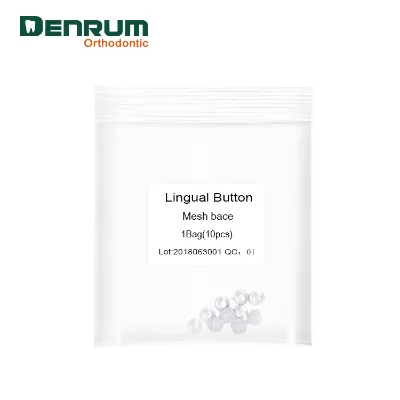
Commercial terms such as payment methods, shipping costs, and return policies should be clearly defined in the purchase agreement. Buyers should verify the packaging details, such as plastic packs containing 10 pieces per pack, to ensure adequate protection during transit. Additionally, the availability of cargo tracking services can provide peace of mind for high-value orders. Understanding these commercial terms helps buyers negotiate favorable conditions and avoid unexpected expenses that could erode profit margins or increase operational costs.
Supplier Qualification and Quality Control
Supplier qualification involves assessing the manufacturer's reputation, production capabilities, and quality control systems. Buyers should prioritize suppliers with a proven track record in the dental industry, particularly those specializing in orthodontic materials. Verifying the supplier's ability to provide samples allows for hands-on evaluation of product quality, including the strength of the mesh base and the precision of the button design. This step is critical for ensuring that the products meet clinical standards before committing to large-scale purchases.
Quality control measures should include regular inspections of raw materials, manufacturing processes, and finished products. Buyers should inquire about the supplier's defect rate and their procedures for handling non-conforming products. Additionally, verifying the supplier's commitment to continuous improvement and adherence to international standards can provide confidence in their long-term reliability. Establishing a strong relationship with a qualified supplier ensures a steady supply of high-quality Mesh Base Dental Lingual Buttons, supporting consistent clinical outcomes and patient satisfaction.
Long-Term Procurement Checks
Long-term procurement checks involve regular audits of supplier performance, product quality, and compliance with evolving regulatory standards. Buyers should establish key performance indicators (KPIs) to monitor delivery times, product defect rates, and customer satisfaction levels. Regular feedback from clinical staff can provide valuable insights into the practical performance of the lingual buttons, helping to identify any issues that may not be apparent during initial testing. This ongoing evaluation ensures that the procurement strategy remains aligned with clinical needs and business objectives.
Buyers should also stay informed about advancements in orthodontic materials and technologies, which may influence future procurement decisions. Maintaining a diverse supplier base can mitigate risks associated with supply chain disruptions or quality issues. Additionally, reviewing contract terms periodically ensures that they remain favorable and reflective of current market conditions. By implementing robust long-term procurement checks, buyers can sustain a reliable supply of high-quality Mesh Base Dental Lingual Buttons, supporting the success of their orthodontic practices and enhancing patient care.
FAQs
What material are Mesh Base Dental Lingual Buttons made from?
They are crafted from 17-4 hard stainless steel to ensure durability and strength during orthodontic procedures. This metal composition provides the necessary rigidity for bonding to teeth. The material is selected for its biocompatibility and resistance to corrosion within the oral environment, ensuring long-term stability for the patient.
Can I get samples of Mesh Base Dental Lingual Buttons?
Samples are available for potential buyers to evaluate product quality before placing larger orders. This allows dental professionals to verify the fit and bonding characteristics of the mesh base design. You can request these samples to assess the manufacturing standards and ensure they meet your specific clinical requirements for orthodontic treatments.
What is the MOQ for Mesh Base Dental Lingual Buttons?
The minimum order quantity ranges from 1 to 100 packs, offering flexibility for various practice sizes. This low entry point allows clinics to test the product without significant inventory commitment. The supply ability supports up to 100,000 packs per month, ensuring consistent availability for both small and large dental supply needs.
Which certifications do Mesh Base Dental Lingual Buttons hold?
These products hold CE and ISO certifications, confirming compliance with international safety and quality standards. The specific safety standard referenced is ISO3485, ensuring reliable performance in clinical settings. These credentials provide assurance regarding the manufacturing quality and regulatory adherence of the orthodontic materials supplied by the manufacturer.
How are Mesh Base Dental Lingual Buttons packaged and shipped?
Each pack contains 10 pieces in plastic packaging, with a single gross weight of 0.008 kg. They are shipped via DHL, EMS, FedEx, or UPS from ports in Shanghai or Guangzhou. The standard shipping method ensures timely delivery, and online technical support is provided for any post-purchase inquiries or usage guidance.