Source Bamboo Disposable Toothbrush for Home, Hotel, Travel
Source a Bamboo Disposable Toothbrush from 30 verified listings. Compare features like bristle hardness, handle material, and customization options including laser engraved logos. Ideal for home, hotel, and travel use with eco-friendly designs; compare the available evidence and request quotations based on your requirements.
Updated
Key considerations
Products List


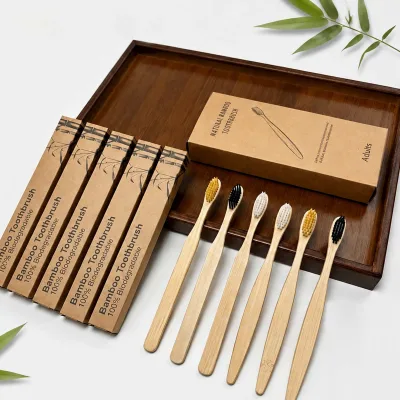
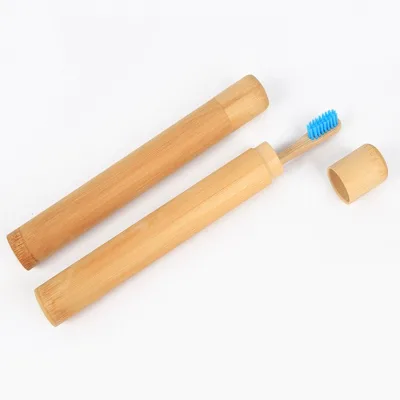
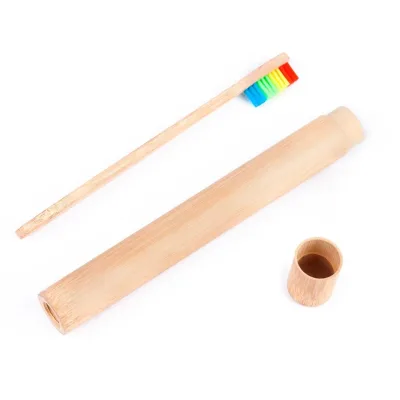
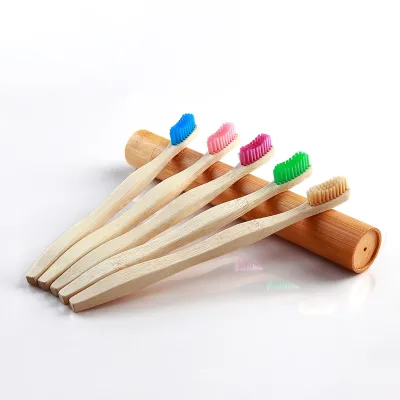
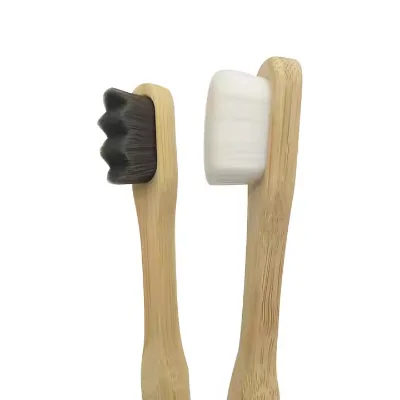
100% Natural Soft Disposable Toothbrush Gourd Shape Bamboo Toothbrush
$0.1735 - $0.6642
MOQ: 2 Minimum






Comprehensive Sourcing Guide
Bamboo Disposable Toothbrush Sourcing Guide
Sourcing bamboo disposable toothbrushes requires careful navigation of material definitions and product lifecycle claims. While the core keyword suggests disposability, observed market data reveals a complex landscape where "bamboo" often denotes the handle material, while bristles may be nylon or charcoal-infused polyamide. Buyers must distinguish between truly compostable units and those with mixed-material components that limit end-of-life options. The presence of "foldable" or "travel" variants further complicates the disposable narrative, as these are often designed for reuse. Understanding these distinctions is critical for aligning procurement with sustainability goals and regulatory requirements in target markets.
Procurement teams should also evaluate the specific usage contexts listed, such as hotel amenities, home care, or commercial travel kits. The observed listings indicate a strong emphasis on eco-friendly branding, yet the actual biodegradability depends heavily on the bristle composition. Nylon bristles, even when paired with bamboo handles, prevent full compostability. Therefore, buyers must verify whether the product is intended for single-use hospitality settings or long-term personal use. This distinction impacts inventory turnover, waste management strategies, and the accuracy of marketing claims made to end consumers regarding environmental impact.
Product Scope and Observed Listing Signals
The observed product range spans from basic wooden-handled brushes to specialized bamboo charcoal variants, with prices ranging from $0.06 to $11.24 USD. This wide variance suggests differences in bristle quality, packaging sophistication, and order volume tiers. Minimum order quantities (MOQs) vary significantly, from single units to 28,800 pieces, indicating flexibility for both small boutique brands and large hospitality chains. Buyers should note that lower prices often correlate with standard nylon bristles and basic kraft paper packaging, while higher price points may include premium features like laser-engraved logos or specialized soft-bristle configurations.
Listing signals also highlight customization options, including OEM/ODM acceptance and logo printing on products or packages. The observed models, such as JMBamboo and TB-060, suggest a variety of designs, including house-shaped heads and standard interdental brushes. Buyers must carefully review the "foldable" attribute, as many bamboo brushes are non-foldable, which affects shipping volume and packaging efficiency. Additionally, the presence of "disposable" tags in some listings contrasts with "non-disposable" attributes in others, requiring precise specification alignment to avoid receiving reusable travel brushes when single-use units were intended.
Technical Specifications to Verify
Key technical attributes include handle material, bristle type, and brush hardness. Observed handles are primarily original bamboo or wood, while bristles range from nylon to DuPont 610 and bamboo charcoal-infused polyamide. Buyers must verify the bristle hardness, as options include soft, medium, and hard variants, with soft being common for eco-friendly positioning. The standard length of 19cm for bamboo models provides a baseline for ergonomic design, but buyers should confirm if interdental or specialized shapes are required for specific market segments. Accurate specification matching ensures the product meets user comfort expectations and functional requirements.
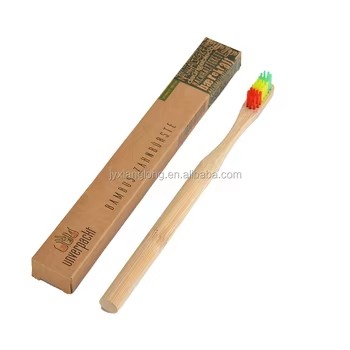
Packaging specifications are equally critical, with options ranging from individual kraft paper boxes to blister cards and bulk carton packing. The observed packing density, such as 1000 boxes per carton, impacts logistics costs and storage requirements. Buyers should also verify the single package size, which can affect shipping efficiency and retail shelf presentation. Additionally, the model numbers like Z887 or TB-032 may correspond to specific bristle patterns or handle textures. Confirming these details with suppliers prevents mismatches between ordered specifications and delivered goods, ensuring consistency across large procurement orders.
Compliance and Safety Documentation
Regulatory compliance is paramount when sourcing oral care products, particularly for export markets. Observed certifications include FDA, BRC, SGS, and ISO, which indicate adherence to manufacturing quality and safety standards. Buyers must verify the current validity of these certificates and ensure they cover the specific product models being ordered. The mention of FSC certification in background context suggests potential for sustainably sourced bamboo, but buyers should request physical documentation to confirm chain-of-custody compliance. This is especially important for brands marketing eco-friendly credentials to environmentally conscious consumers.
Safety documentation should also address bristle material safety, particularly if charcoal-infused nylon is used. Buyers should request material safety data sheets (MSDS) and migration test results to ensure no harmful substances leach into the mouth during use. Additionally, verifying that the bamboo handle is treated with non-toxic finishes is essential. For markets with strict plastic regulations, confirming the exact composition of bristles and any packaging components helps avoid non-compliance issues. Clear documentation from suppliers reduces legal risks and supports transparent sustainability reporting.
Cost Drivers and Commercial Terms
Cost structures are influenced by material selection, customization levels, and order volume. Bamboo handles and charcoal bristles typically command higher prices than standard wood and nylon combinations. Customization, such as laser engraving or custom packaging, adds to the unit cost but can enhance brand value. Buyers should negotiate tiered pricing based on MOQs, as observed ranges suggest significant discounts for larger orders. Understanding the cost breakdown helps in budgeting and comparing suppliers effectively, ensuring that premium features justify the price increase.
Commercial terms also include lead times and payment conditions, which vary by supplier. Buyers should clarify production schedules, especially during peak seasons, to avoid supply chain disruptions. Payment terms, such as deposits or letters of credit, should be aligned with risk tolerance and supplier reliability. Additionally, shipping costs and Incoterms impact the total landed cost. Buyers should request detailed quotations that separate product costs, customization fees, and logistics expenses to make informed decisions. Transparent commercial terms facilitate smoother negotiations and prevent hidden costs.
Supplier Qualification and Quality Control
Supplier qualification involves assessing manufacturing capabilities, quality management systems, and past performance. Buyers should verify the supplier's production capacity and ability to meet large MOQs without compromising quality. Requesting samples is essential to evaluate bristle density, handle smoothness, and packaging integrity. Observing the laser engraving quality and logo print accuracy helps ensure brand consistency. Additionally, checking the supplier's export experience and references from other buyers provides insight into their reliability and customer service standards.
Quality control processes should include in-process inspections and final random inspections before shipment. Buyers should define acceptable quality limits (AQL) for defects such as broken bristles, splintered handles, or misprinted logos. Implementing a third-party inspection service can provide an objective assessment of product conformity. Regular communication with suppliers regarding quality issues and corrective actions helps maintain high standards. Establishing a robust quality control framework minimizes the risk of receiving substandard products and protects brand reputation in competitive markets.
Long-Term Procurement Checks
Long-term procurement success depends on continuous supplier performance monitoring and market adaptation. Buyers should regularly review supplier delivery times, defect rates, and responsiveness to issues. Establishing key performance indicators (KPIs) helps track supplier reliability and identify areas for improvement. Additionally, staying informed about regulatory changes and sustainability trends ensures that products remain compliant and relevant. Regularly updating specifications based on consumer feedback and market demands helps maintain product competitiveness and customer satisfaction.
Building strong relationships with suppliers fosters collaboration and innovation. Engaging in joint development projects for new materials or designs can provide a competitive edge. Buyers should also diversify their supplier base to mitigate risks associated with single-source dependencies. Regular audits and site visits, where feasible, provide deeper insights into manufacturing practices and ethical standards. By maintaining a proactive approach to supplier management, buyers can ensure a stable supply of high-quality bamboo toothbrushes that meet evolving market needs and sustainability goals.
FAQs
Can I get a custom logo on the bamboo toothbrush?
Yes, you can get a custom logo laser engraved or printed on the products and package. This customization is available for the bamboo toothbrush models listed. The logo options allow for branding on the handle or the kraft paper box packaging for your specific needs.
What certifications do these bamboo toothbrushes hold?
These bamboo toothbrushes hold FDA, BRC, SGS, and ISO certifications. These standards ensure the product meets international safety and quality requirements. The certifications apply to the manufacturing process and the final product materials used in the bamboo and nylon bristle construction.
What is the minimum order quantity for these toothbrushes?
The minimum order quantity ranges from 1 to 28,800 units depending on the specific model and customization. You can find options starting at a single item for testing or bulk orders for large distribution. The MOQ varies based on the selected product model and packaging requirements.
Are these bamboo toothbrushes foldable or disposable?
No, these bamboo toothbrushes are non-foldable and non-disposable. They are designed for durable home, hotel, and travel use. The handle is made of original bamboo while the bristles are nylon or bamboo charcoal for long-term daily cleaning applications.
Where are these bamboo toothbrushes manufactured?
These bamboo toothbrushes are manufactured in China, specifically in locations like Yangzhou and Anhui. The products are exported globally to meet international demand. The origin ensures compliance with the stated certifications and production standards for the bamboo and wooden handle materials.
What bristle hardness options are available for these brushes?
You can choose from soft, medium, hard, and medium-hard bristle options. The bristles are made of nylon or DuPont 610 material. This variety allows you to select the appropriate cleaning intensity for adult and children users depending on their specific dental care needs.
How are the bamboo toothbrushes packaged for shipping?
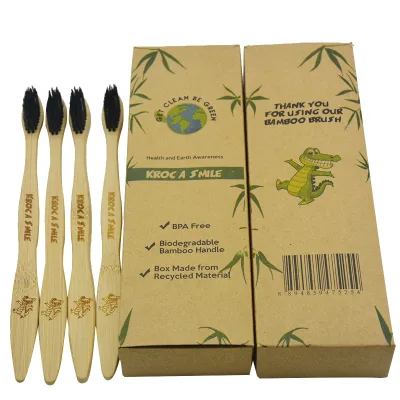
The toothbrushes are packed in kraft paper boxes with 1000 boxes per carton. Some models use blister card packaging for individual retail presentation. This packaging protects the bamboo handle and bristles during global export while maintaining the eco-friendly branding of the product.