Source Ultrasonic Dental Plaque Remover Toothbrush for Home, Clinic, Travel
Compare 30 Ultrasonic Dental Plaque Remover Toothbrush units with features like USB charging, IP7 waterproof rating, and 5-speed modes. These devices support effective oral health maintenance for home and professional use with CE and ISO certifications; compare the available evidence and request quotations based on your requirements.
Updated
Key considerations
Products List

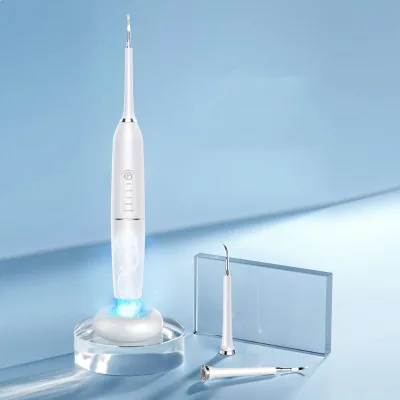
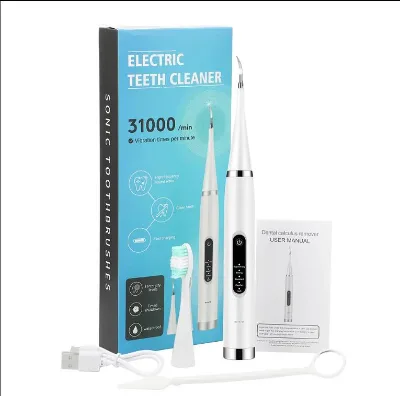
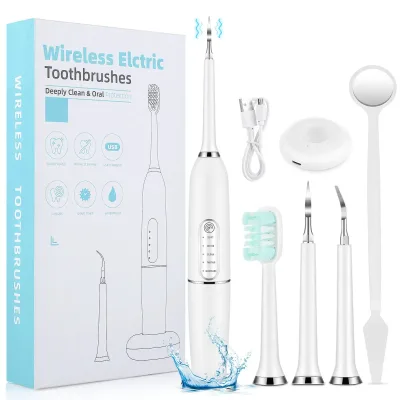
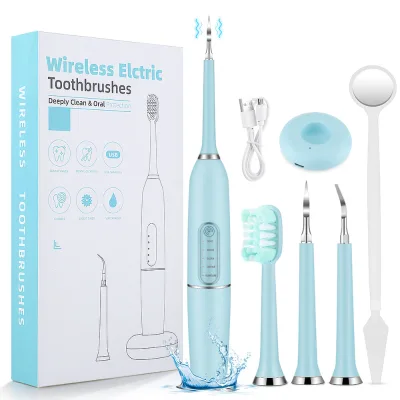
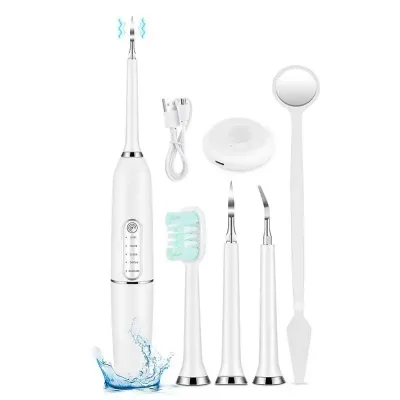


Oral Care UV Disinfection U-Shape Ultrasonic Hand Free Automatic Toothbrush 504
$10.10 - $11.10
MOQ: 100 Pieces

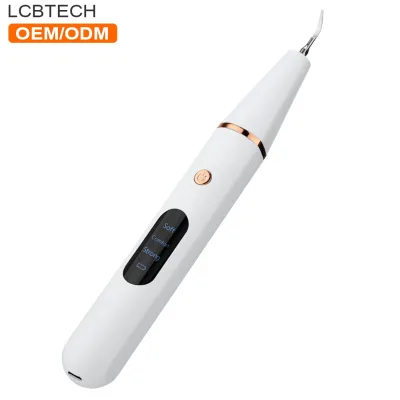
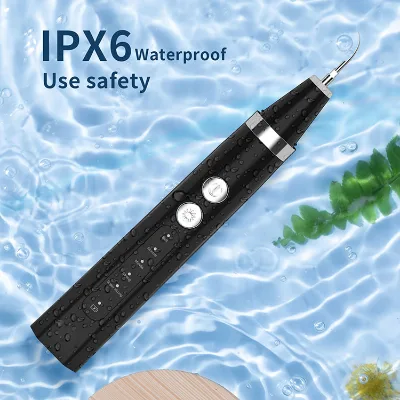

Oral Hygiene Teeth Whitening Ultrasonic Long Battery Electric Toothbrush
$6.48 - $6.50
MOQ: 10000 Pieces
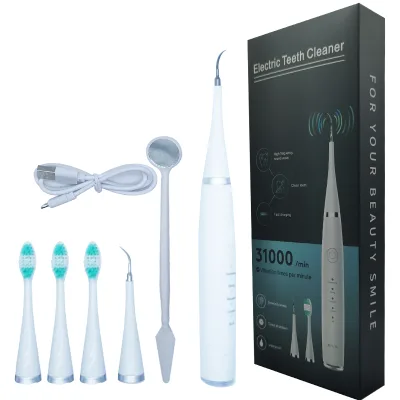
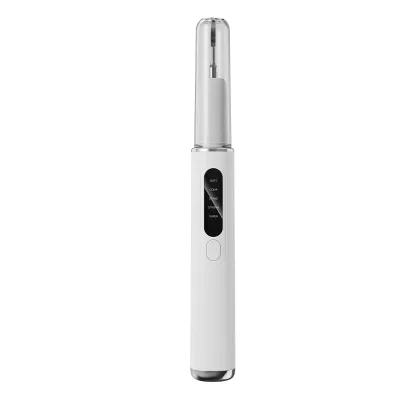
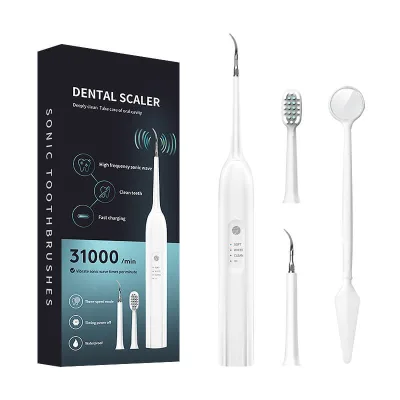

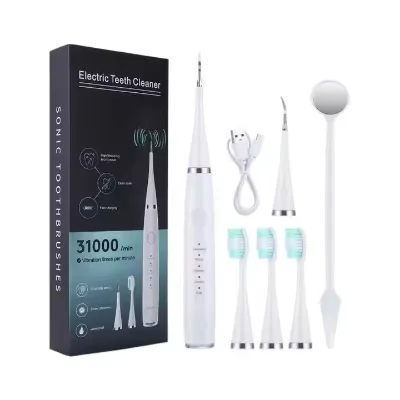

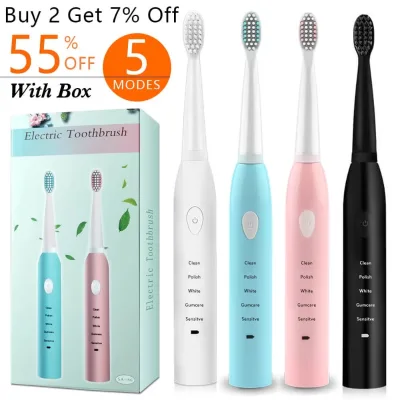



Comprehensive Sourcing Guide
Ultrasonic Dental Plaque Remover Toothbrush Sourcing Guide
Procuring ultrasonic dental plaque remover toothbrushes requires a disciplined approach to verifying technical performance and supplier reliability. These devices utilize high-frequency vibrations to dislodge tartar and plaque, offering a non-invasive alternative to traditional manual cleaning. Buyers must distinguish between consumer-grade aesthetic tools and professional-grade medical devices, as the regulatory and performance expectations differ significantly. The core value proposition lies in the precision of the ultrasonic transducer and the stability of the power delivery system.
Sourcing decisions should be driven by clear application definitions, whether for home use, clinical settings, or OEM branding. The market offers a wide range of models, from basic handheld units to more complex systems with multiple attachments. Understanding the specific operational requirements, such as battery life, waterproofing standards, and interface types, is critical for aligning product selection with end-user expectations. This guide outlines the essential verification steps to ensure quality, compliance, and commercial viability in your procurement strategy.
Product Scope and Observed Listing Signals
The observed market data indicates a diverse product landscape with thirty distinct listings available for sourcing. Prices range from two to forty-eight USD, reflecting variations in build quality, feature sets, and brand positioning. Minimum order quantities (MOQs) vary widely from one unit to ten thousand, catering to both small boutique buyers and large-scale distributors. This price and volume dispersion suggests that buyers can find options suitable for various business models, from dropshipping to private label manufacturing, provided they carefully evaluate the specifications against their target market needs.
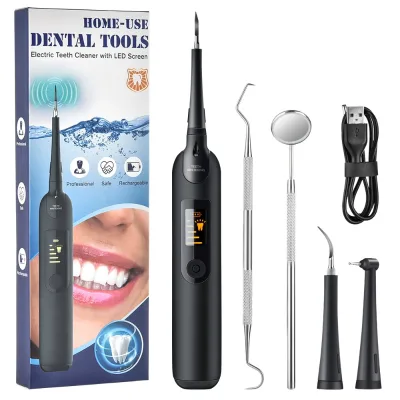
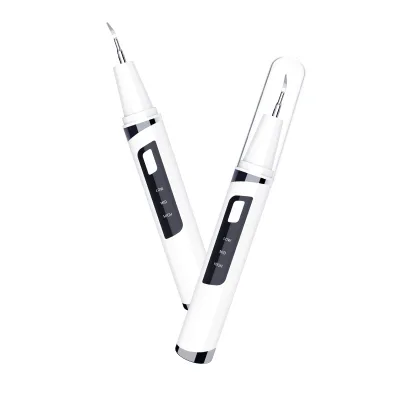
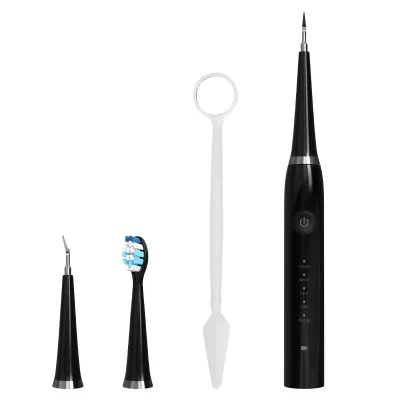
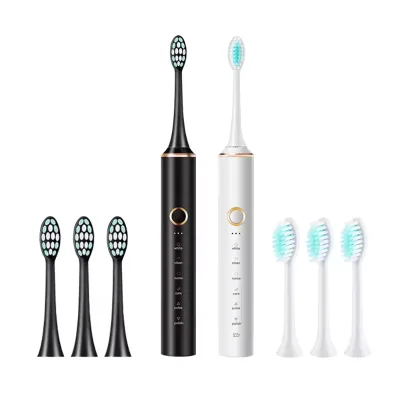
Key attributes observed include a focus on home usage, with products designed for all ages and genders, although some listings specifically note male-oriented marketing. Materials are predominantly ABS plastic, ensuring durability and ease of cleaning, while color options span white, black, green, and pink to appeal to diverse consumer preferences. Many units feature a five-speed adjustable mode, allowing users to customize intensity based on sensitivity. The presence of touch screens and LED indicators suggests a trend toward user-friendly interfaces, enhancing the perceived value and modern appeal of these dental care devices.
Technical Specifications to Verify
Verifying the core technical specifications is paramount to ensuring device efficacy and user safety. Buyers should confirm the operating voltage, which typically ranges from 3.7 to 4.2 volts, and the rated current, often capped at 130mA maximum. The power source is predominantly USB rechargeable, utilizing either Micro USB or standard USB cables, which enhances convenience for global users. Battery capacity is a critical metric, with observed values around 250mAh, which directly impacts the device's runtime between charges. Ensuring consistent power delivery is essential for maintaining the ultrasonic frequency required for effective plaque removal.
Waterproofing capabilities are another vital technical aspect, with many listings claiming IP7 ratings, indicating protection against immersion in water. This feature is crucial for hygiene and ease of cleaning after use. The bristle type is often specified as soft, designed to be gentle on gums while effectively targeting plaque. Additionally, the single package size and gross weight, such as 21.5x12.7x15 cm and 0.350 KG respectively, are important for logistics planning and shipping cost estimation. Buyers must verify these physical dimensions to ensure compatibility with their packaging and distribution channels.
Compliance and Safety Documentation
Compliance with international safety and quality standards is non-negotiable for dental care devices. Buyers must request and verify certificates such as CE and ISO, which indicate adherence to European health, safety, and environmental protection standards. These certifications are essential for market access in many regions and serve as a baseline for product quality. The warranty period is another critical factor, with observed terms ranging from one to twenty-four months. A longer warranty often reflects the manufacturer's confidence in their product's durability and reliability, providing buyers with greater assurance and reduced after-sales liability.
Documentation should also include detailed test reports for electrical safety, electromagnetic compatibility, and material biocompatibility. Buyers should verify that the materials used, such as ABS plastic, are free from harmful substances like BPA. The charging interface type, whether EU or US plug, must match the target market's electrical standards to prevent safety hazards. Ensuring that all documentation is up-to-date and issued by recognized bodies is crucial for maintaining regulatory compliance and protecting the brand's reputation in the competitive dental care market.
Cost Drivers and Commercial Terms
Several factors influence the final cost of ultrasonic dental plaque remover toothbrushes, including material quality, electronic component sophistication, and packaging complexity. The inclusion of features like touch screens, multiple speed settings, and LED indicators can increase production costs. Buyers should analyze the cost breakdown to understand where value is added, ensuring that they are not overpaying for unnecessary features or underpaying for compromised quality. The packaging details, such as color boxes and blister packs, also contribute to the overall cost and should be evaluated for their impact on product presentation and protection during transit.
Commercial terms, including MOQs and lead times, play a significant role in procurement planning. Lower MOQs may come with higher per-unit costs, while larger orders can offer economies of scale. Buyers should negotiate clear terms regarding payment methods, shipping responsibilities, and return policies. The customization options available, such as OEM branding and specific color choices, can also affect pricing. Understanding these commercial dynamics allows buyers to optimize their inventory levels and cash flow while maintaining competitive pricing in their target markets.
Supplier Qualification and Quality Control
Supplier qualification is the foundation of a successful sourcing strategy. Buyers should conduct thorough due diligence on potential suppliers, verifying their business licenses, manufacturing capabilities, and quality management systems. Suppliers located in regions like Jiangsu and Guangdong, China, are common sources for these devices, but buyers must assess their specific track records and customer feedback. Requesting samples is essential to evaluate the product's build quality, performance, and user experience firsthand. This hands-on verification helps identify any discrepancies between advertised specifications and actual product performance.
Quality control processes should be clearly defined and agreed upon before production begins. Buyers should implement pre-shipment inspections to ensure that products meet the agreed-upon standards. This includes checking for physical defects, verifying electronic functionality, and ensuring proper packaging. Establishing a clear communication channel with the supplier for addressing any issues is crucial for maintaining product quality. Regular audits and performance reviews can help identify areas for improvement and strengthen the supplier relationship over time, ensuring a consistent supply of high-quality dental care devices.
Long-Term Procurement Checks
Long-term procurement success requires ongoing monitoring and adaptation to market changes. Buyers should regularly review supplier performance metrics, including on-time delivery rates, product defect rates, and responsiveness to issues. This data-driven approach helps identify reliable partners and addresses potential problems before they escalate. Additionally, staying informed about regulatory changes and emerging technologies in the dental care sector is essential for maintaining compliance and competitiveness. Buyers should proactively seek out new innovations, such as improved battery technologies or enhanced ultrasonic frequencies, to keep their product offerings relevant.
Building a resilient supply chain involves diversifying suppliers and maintaining healthy inventory levels. This strategy mitigates the risk of disruptions caused by geopolitical events, natural disasters, or supply chain bottlenecks. Buyers should also consider the environmental impact of their sourcing decisions, exploring options for sustainable materials and eco-friendly packaging. By focusing on long-term relationships and continuous improvement, buyers can ensure a steady supply of high-quality ultrasonic dental plaque remover toothbrushes that meet the evolving needs of their customers and maintain their brand's reputation in the market.
FAQs
What is the operating voltage and battery capacity?
The device operates on a 3.7-4.2V range with a 250mAh rechargeable battery. It features USB charging via a Micro USB interface. This setup ensures reliable power for daily oral hygiene tasks while maintaining a compact and portable design for convenient home use.
Can the unit be customized for branding?
Yes, customization is available for this ultrasonic dental plaque remover. Buyers can request OEM branding options to suit their specific market needs. This flexibility allows businesses to tailor the product appearance and packaging, including color box and blister options, to align with their brand identity.
Which certifications does the product hold?
The product holds CE and ISO certifications, ensuring compliance with international safety and quality standards. These credentials verify that the manufacturing process meets rigorous regulatory requirements. Buyers can rely on these documented standards when evaluating the product for distribution in regulated markets across different regions.
How many working modes are available?
The device offers five adjustable working modes for versatile cleaning. Users can select the appropriate intensity for their specific oral care needs. This 5-speed adjustable feature allows for effective plaque removal while providing gentle care for sensitive teeth and gums during daily maintenance routines.
What is the warranty period for this item?
The product comes with a warranty period of either one or two years, depending on the specific supplier terms. This coverage provides assurance regarding the device's durability and performance. Buyers should verify the exact warranty duration with the manufacturer to ensure adequate protection for their investment.
Is the device waterproof for safe use?
Yes, the device is waterproof with an IP7 rating. This specification ensures it can withstand immersion in water, making it safe for use in wet environments like bathrooms. The waterproof design enhances durability and allows for easy cleaning and maintenance after each use without damaging internal components.