Home Use Teeth Whitening Trays Suppliers and Manufacturers
Source 26 verified suppliers for Home Use Teeth Whitening Trays. Compare dimensions like China Hebei and Fujian origins, CE certification, and pricing from $0.09 to $1.49. Review response times and MOQs to identify suitable partners for your dental supply needs.
Suppliers List

Tangshan UMG Medical Instrument Co., Ltd.
- Verified by BV
- Combined
- China Hebei
- Lead time23 days
- Avg. response≤ 2h
Main productsDental Handpiece, Dental Material, Dental Equipment, Dental Disposable Instrument, Dental Orthodontic, Dental Teach Simulation, Dental Prophy Angles, Latex Free Disposable Prophy Cups, Disposable Prophy Brush, Dental Unit
Main marketsSouth America,Africa,Southeast Asia/ Mideast,East Asia(Japan/ South Korea),Domestic,Europe,Australia,North America
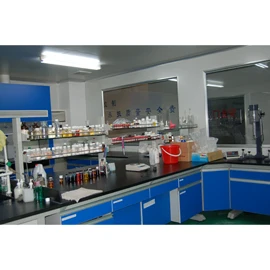
FUZHOU DELPHIN BIO-TECH CO., LTD.
- Manufacturer, Trading Company
- Fujian, China
- Lead time7 days
- Avg. response≤ 7h
Main productsTeeth Whitening Kit, Mouth Tray, Denture Cleansing Tablet, Teeth Whitening Powder, Mouthwash
Main marketsNorth America(40.00%), Oceania(20.00%), Domestic Market(20.00%), Eastern Europe(10.00%), Northern Europe(5.00%), Western Europe(4.00%), Southern Europe(1.00%)
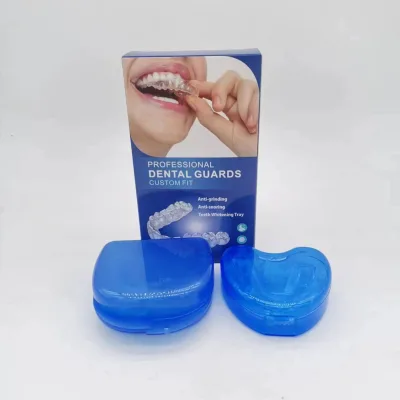
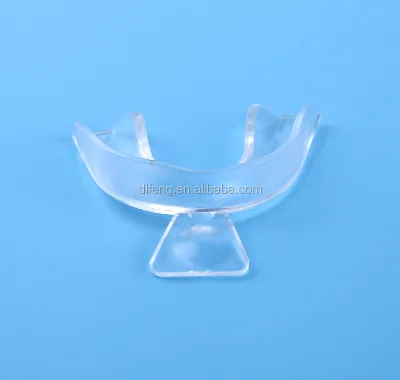
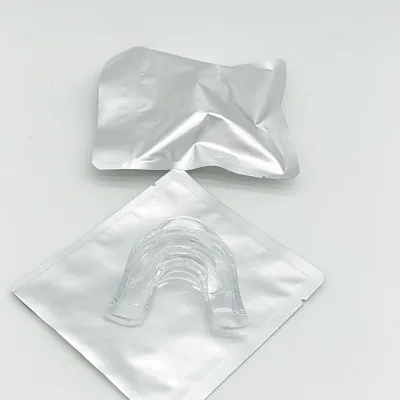
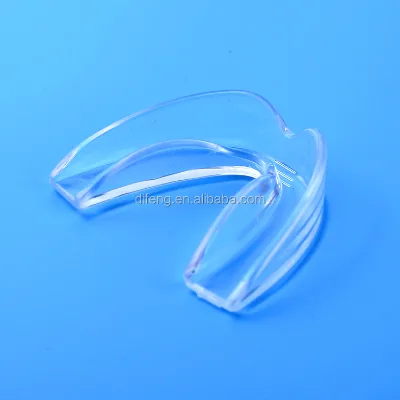
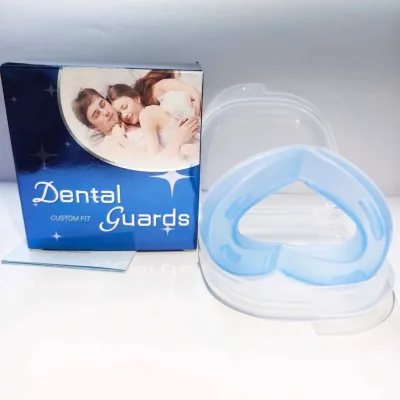
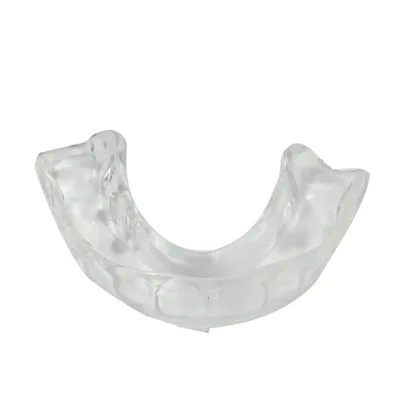
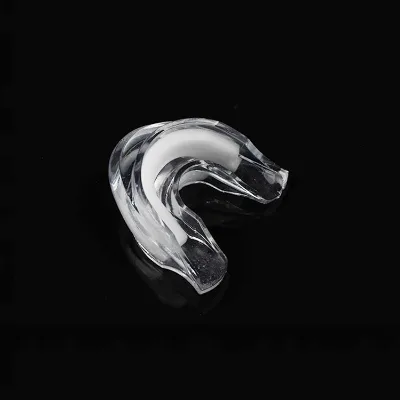
Teeth Whitening Hot Molding Mouth Trays With Handle Hot Water Molding Large Size Mouth Trays Teeth
$0.19 - $0.22
MOQ: 100 pieces
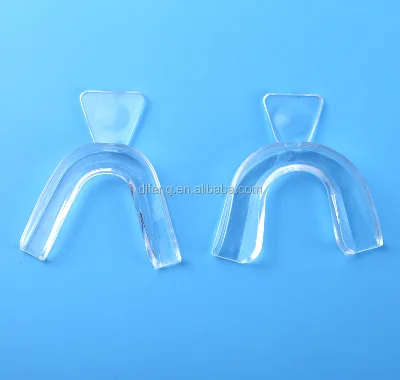
$0.18 - $0.20
MOQ: 100 pieces

Anhui Mingde Medical Care Products Co., Ltd.
- Trading Company
- China Anhui
- Lead time15 days
- Avg. response≤ 6h
Main productsSterilization Pouch, Dental Bibs, Examination Paper Couch Roll, Protective Bed Sheet, Dental Accessories, Disposable Underpad, Sterilized Packaging, Dental Appliance, Disposable Medical Consumables, Disposable Beauty Items
Main marketsSouth America,Africa,Southeast Asia/ Mideast,East Asia(Japan/ South Korea),Europe,Australia,North America

Shenzhen Jingmeixin Techonology Co., Ltd.
- Manufacturer
- Guangdong, China
- Lead time3 days
- Avg. response≤ 1h
Main productsholographic led display,led display receiving card,led modules,transparent led display,led receiving card
Main marketsNorth America(60.00%), Western Europe(10.00%), Domestic Market(5.00%), Southern Europe(5.00%), Northern Europe(5.00%), South America(5.00%), Mid East(5.00%), Eastern Europe(5.00%)
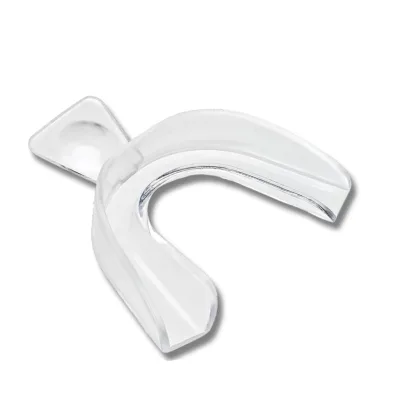
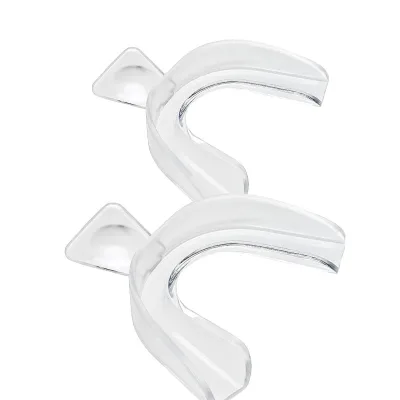
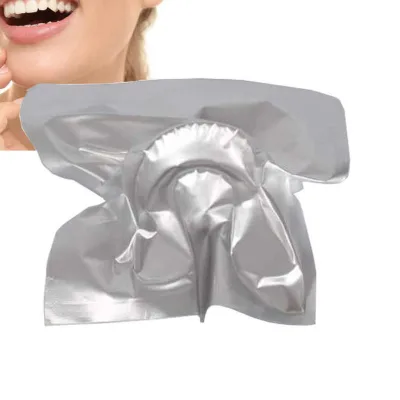
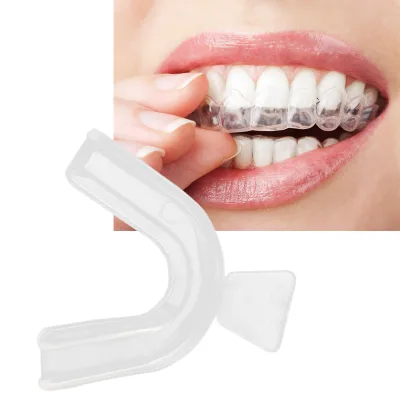
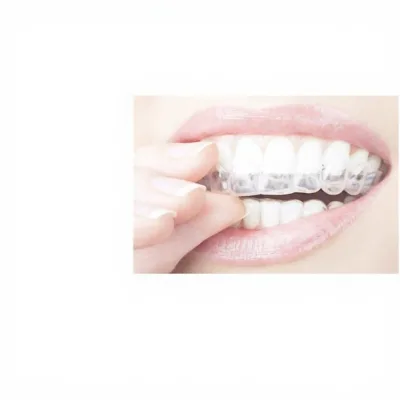
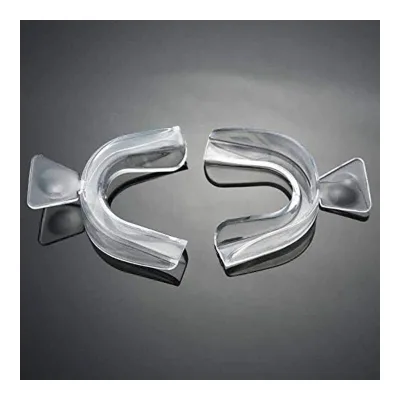
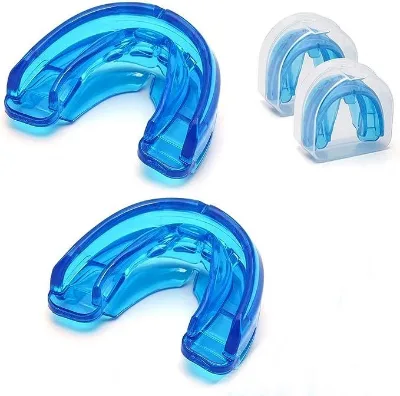
Thermoforming Dental Dual Moldable Tooth Teeth Whitening Bleaching Mouth Guard Tray
$0.20
MOQ: 100 Minimum
Shenzhen Ekong Technology Co., Ltd.
- Manufacturer, Trading Company
- Guangdong, China
- Lead time25 days
- Avg. response≤ 6h
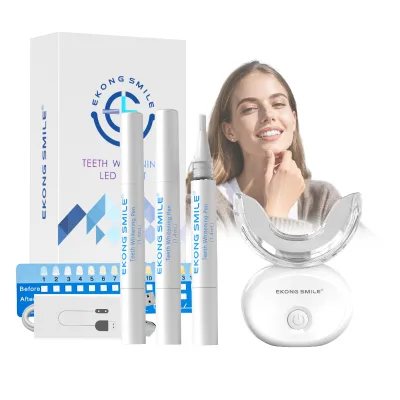
Main productsTeeth Whitening LED Light, Ultrasonic Cleaner, Tonuge Scraper, Electric Toothbrush, Water Flosser
Main marketsNorth America(60.00%), Oceania(10.00%), Africa(7.00%), Northern Europe(5.00%), Eastern Europe(5.00%), Western Europe(4.00%), Southern Europe(4.00%), South America(3.00%), Central America(2.00%), South Asia(0.00%), Eastern Asia(0.00%), Domestic Market(0.00%), Mid East(0.00%), Southeast Asia(0.00%)
Anhui Panfeng Protective Equipment Co., Ltd.
- Manufacturer, Trading Company
- Anhui, China
- Lead time30 days
- Avg. response≤ 5h
Main productsDisposable Nitrile Gloves,Vinyl Gloves,Food-grade Gloves,Dental Consumables,Specimen Transport Bag
Main marketsNorth America(30.00%), Mid East(20.00%), South America(10.00%), Northern Europe(5.00%), Eastern Europe(5.00%), Central America(5.00%), Western Europe(5.00%), Southeast Asia(5.00%), Africa(4.00%), Southern Europe(3.00%), Eastern Asia(3.00%), Oceania(3.00%), South Asia(2.00%)

- Verified by TUVRHEINLAND
- Combined
- China Hebei
- Lead time15 days
- Avg. response≤ 6h
Main productsEndodontic Instruments, Orthodontic, Dental Photography, Denture Box, Dental Micro Applicator, Dental Instrument Container, Hygiene and Protection, Cheek Retractor Mouth Prop, Dental Impressions, Acrylic
Main marketsNorth America


Dental Hot Formed Teeth-Whiten Tray/Impreesion Tray for Tooth Whitening
$0.10 - $0.13
MOQ: 1000 Pieces


Guangzhou Guotang Health Industry Co.,ltd
- Verified by Intertek
- Trading Company
- Lead time20 days
- Avg. response≤ 2h
Main productsDental Equipment, Dental Consumable, Oral Care Products, Teeth Whitening Products
Main marketsNorth America(25%), South America(15%), Eastern Europe(15%)
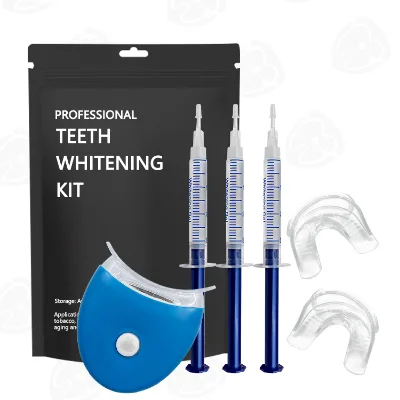
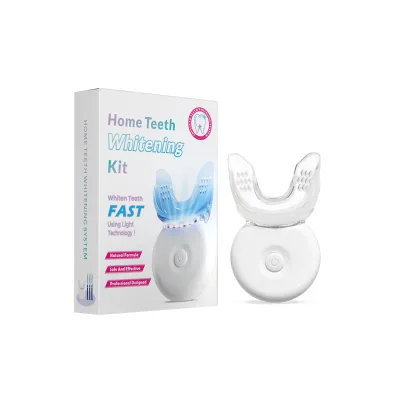
OEM Home Use Teeth Whitening Kit Blue Light Safe Gels Trays for Sensitive Teeth Whitening Teeth
$1.85 - $2.10
MOQ: 20 sets
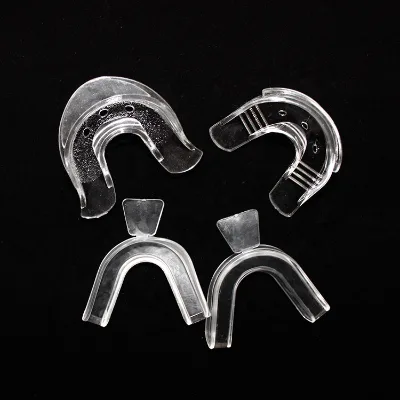
Custom Home Dental Bleaching Prefilled Thermoforming/Silicone Mouth Tooth Teeth Whitening Tray
$0.16 - $0.63
MOQ: 50 Minimum

Xiamen Comfortlife Electronics Co., Ltd.
- Verified by SGS
- Manufacturer
- China Fujian
- Lead time30 days
- Avg. response≤ 8h
Main productsAnti Snore Device, Foot Massage, Personal Care Products
Main marketsSouth America,Australia,North America


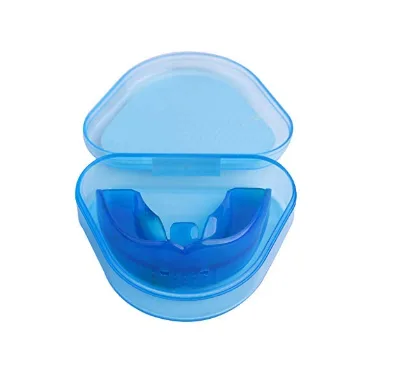
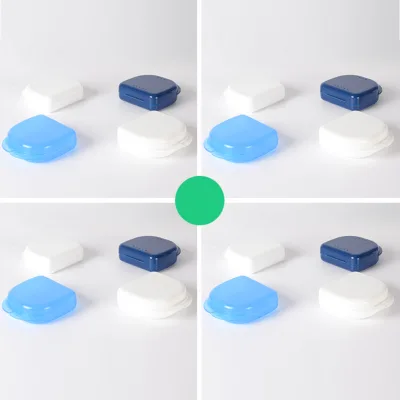
Teeth Whitening Trays Moldable 4 Dental Trays 2 Retainer Case Teeth Trays for Tooth Whitening Gel
$1.38 - $1.48
MOQ: 50 Pieces


Heyuan Hey White Technology Co, Ltd.
- Verified by SGS Group
- Manufacturer, Trading Company
- Lead time5 days
- Avg. response≤ 5h
Main productsTeeth Whitening Device, LED Toothbrush and Toothpaste, Red Light Oral Device, Gum Care Product, Teeth Whitening Gel
Main marketsOceania(30%), Eastern Europe(20%), Eastern Asia(20%)
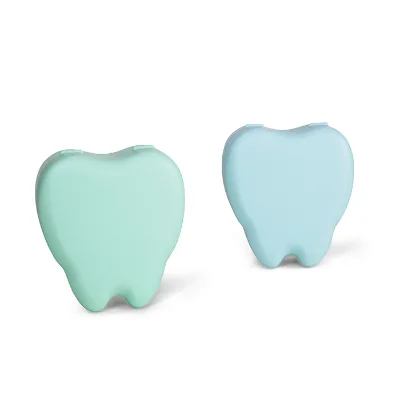
Multi-Color Teeth Whitening Case Mouthguard Container Thin Moldable Mouth Trays
$0.31 - $0.51
MOQ: 1 pieces
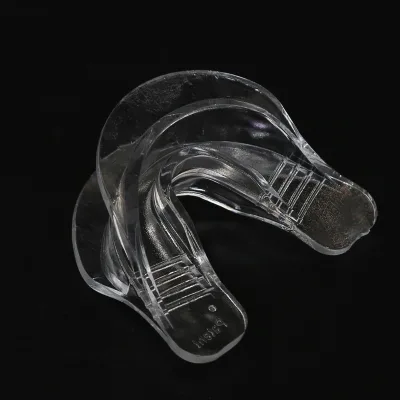
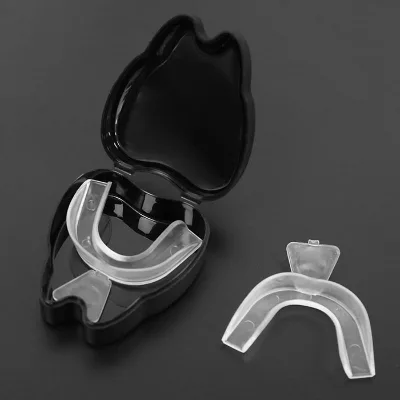
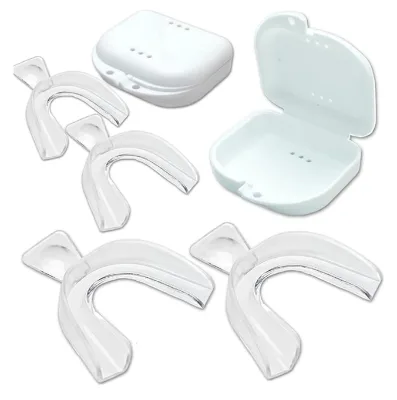
Custom Preformed Plastic Trays for Teeth Whitening Boil-and-Bite Thermo Forming Gumshield
$0.41 - $0.56
MOQ: 2 pieces
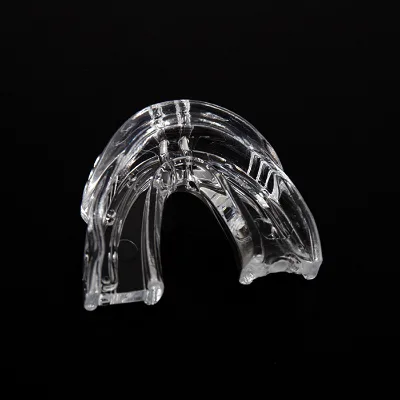
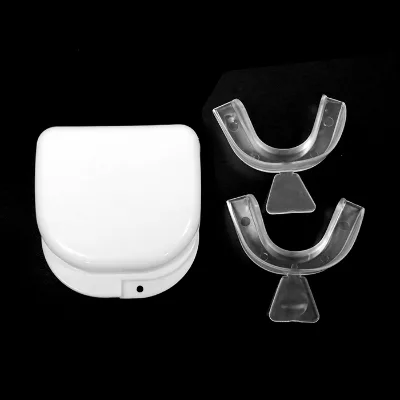
EVA Thermoplastic Moulding Teeth Whitening Mouth Guard with Gel for Home Use
$0.41 - $0.51
MOQ: 2 pieces
Jiangxi Ushine Bright Medical Co., Ltd.
- Verified by SGS Group
- Manufacturer, Trading Company
- Jiangxi, China
- Lead time5 days
- Avg. response≤ 2h
Main productsTeeth Whitening Kit, Teeth Whitening Gel , Teeth Whitening Strips, Impression Material, Electric Toothbrush
Main marketsNorth America(35%), South America(20%), Oceania(15%)

Changzhou Shengkang Medical Instrument Co., Ltd.
- Verified by SGS
- Trading Company,Manufacturer/Factory
- China Jiangsu
- Lead time23 days
- Avg. response≤ 9h
Main productsDental Bib, Saliva Ejector, Micro Applicator, Disposable Dental Kit, Cotton Roll, Cheek Retractors, Disposable Impression Tray, Self-Sealing Sterilization Pouch, Disposable Ded Sheet, Cotton Gauze
Main marketsSouth America,Eastern Europe,Mid East,North America,Southeast Asia,Eastern Asia,Oceania,Western Europe,Africa

Disposable Fluoride Foam Teeth Whitening Prefilled Impression Mouth Trays
$0.08 - $0.25
MOQ: 1000 Pieces


Disposable Plastic Tooth Trays Oral Impression Trays Dental Impression Tray
$0.09 - $0.12
MOQ: 5000 Pieces

Dental Supply ABS Tooth Tray Oral Impression Tray Dental Impression Tray
$0.07 - $0.23
MOQ: 1000 Pieces

Wholesale Custom Private Logo Silicone Trays Dental Teeth Impression Tray Factory Price
$0.07 - $0.23
MOQ: 1000 Pieces

High-Quality Low-Price Wholesale Disposable Dental Impression Trays for Teeth Care Dental Treatment
$0.07 - $0.23
MOQ: 1000 Pieces
Fuzhou Courage Technology Co., Ltd.
- Trading Company
- Fujian, China
- Lead time3 days
- Avg. response≤ 2h
Main productsTeeth whitening kit,teeth whitening pen,teeth whitening gel,teeth whitening light,teeth whitening tray
Main marketsWestern Europe(30.00%), North America(30.00%), Eastern Europe(10.00%), South Asia(5.00%), Southern Europe(5.00%), Northern Europe(5.00%), South America(5.00%), Mid East(5.00%), Oceania(5.00%)
Jiangxi Dentalbright Technology Co., Ltd.
- Verified by SGS Group
- Manufacturer, Trading Company
- Lead time5 days
- Avg. response≤ 3h
Main productsTeeth Whitening Kit, Teeth Whitening Gel, Teeth Whitening Strips, Impression Material, Electric Toothbrush
Main marketsNorth America(35%), Western Europe(20%), Domestic Market(14%)
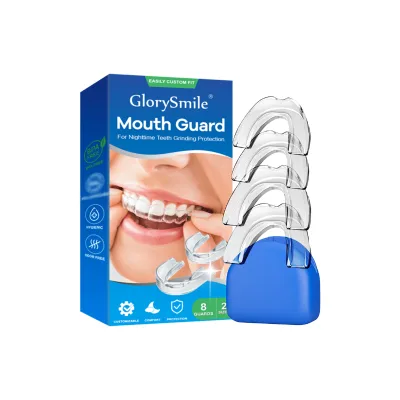
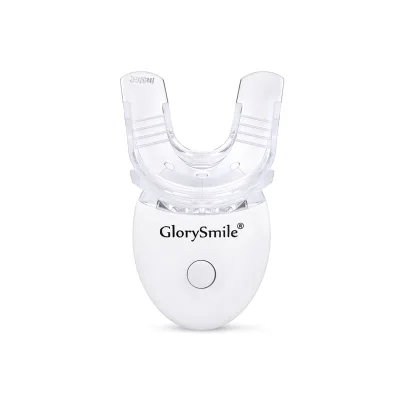
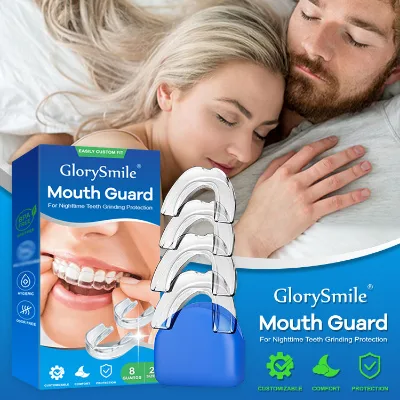
Thermoforming Teeth Whitening Bleaching Mouth Trays & Box Case Anti-grinding Mouth Guard Wholesale
$1.84 - $2.14
MOQ: 2 pieces

Tianjin Spider Impex Co., Ltd.
- Manufacturer/Factory
- China Tianjin
- Lead time23 days
- Avg. response≤ 3h
Main productsDental Materials, Dental Lab Materials, Dental Consumbles, Dental Laboratory Equipment, Orthodontic Consumbles, Orthodontic Brush Kits, Dental Retainer Case, Dental Equipment, Screws, Fasteners
Main marketsSouth America,Eastern Europe,Mid East,North America,Southeast Asia,Eastern Asia,Oceania,Western Europe,Africa

Thermoforming Dental Mouth Guard Teeth Whitening Trays Bleaching Tooth Whitener Oral Hygiene
$0.20 - $0.30
MOQ: 1000 Pieces


Dental Denture Box Plastic Denture Storage Case/Retainer Box/ Teeth Whitening Tray Case
$0.20 - $0.65
MOQ: 500 Pieces

Teeth Whitening Tray for Sale Professional Dental Food Grade Mouth Guard
$0.20 - $0.30
MOQ: 1000 Pieces

Jiangxi Dentalbright Technology Co., Ltd.
- Verified by BV
- Combined
- China Jiangxi
- Lead time15 days
- Avg. response≤ 4h
Main productsTeeth Whitening Kit, Teeth Whitening Pen, Tooth Whitening Gel, Teeth Whitening Strips, Teeth Whitening Powder, Teeth Whitening Light, Toothpaste, Teeth Whitening Bamboo Brush, Anti Snore Collections
Main marketsEurope,Australia,North America


Dental Clinic Use Silicone Putty Impression Material Heavy Body Teeth Whitening Tray
$4.80 - $5.50
MOQ: 10 Pieces

Dental Silicone Putty Impression Material Heavy Body Teeth Whitening Tray
$4.80 - $5.50
MOQ: 10 Pieces


Best Transparent Color Silicon Material Gel-Prefilled Tray Teeth Whitening Mouth Tray
$0.32 - $0.39
MOQ: 10 box

Best Quality Silicon Material Transparent Color Gel-Prefilled Teeth Whitening Tray
$0.32 - $0.39
MOQ: 10 box
ABrite Tech (Shanghai) Co.,Ltd
- Verified by SGS Group
- Manufacturer, Trading Company
- Lead time15 days
- Avg. response≤ 3h
Main productsWater flosser, Teeth whitening gel, Teeth whitening light, Teeth whitening strips, Teeth whitening machine
Main marketsNorth America(60%), Western Europe(30%), Mid East(3%)

Henan Geesion Medical Devices Co., Ltd.
- Verified by BV
- Trading Company
- China Henan
- Lead time15 days
- Avg. response≤ 7h
Main productsPain Relief Patch, Cooling Gel Patch, Detox Foot Patch, Slimming Patch, Capsicum Plaster, Stop Smoking, Nasal Strips, Dental Mouthguard, Cough Relieve Patch, Wormwood Knee Patch
Main marketsSouth America,Africa,Southeast Asia/ Mideast,East Asia(Japan/ South Korea),Europe,Australia,North America

Dental Thermoplastic Dental Trays Teeth Whitening Accessories Anti-Grinding Protection Mouth Guard
$0.22 - $0.25
MOQ: 100 Pieces


Ningbo Finer Medical Instruments Co., Limited
- Trading Company,Manufacturer/Factory
- China Zhejiang
- Lead time23 days
- Avg. response≤ 21h
Main productsMedical Consumables, Medical Equipment, Hospital Furniture, Mobility Safety Aid, Daily Living Aid
Main marketsSouth America,Eastern Europe,Mid East,North America,Southeast Asia,Eastern Asia,Oceania,Western Europe,Africa

Henan Zhuangxiu Industrial Development Co., Ltd.
- Trading Company
- Henan, China
- Lead time0 days
- Avg. response≤ 1h
Main productsTeeth whitening lamp,teeth whitening kit,Teeth whitening gel,teeth whitening strips,beauty and personal care
Main marketsNorth America(30.00%), Western Europe(28.00%), South America(16.00%), Central America(6.00%), Eastern Europe(5.00%), Southeast Asia(5.00%), Southern Europe(5.00%), Mid East(3.00%), Africa(2.00%)
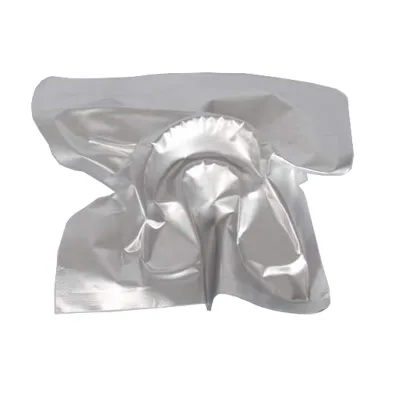
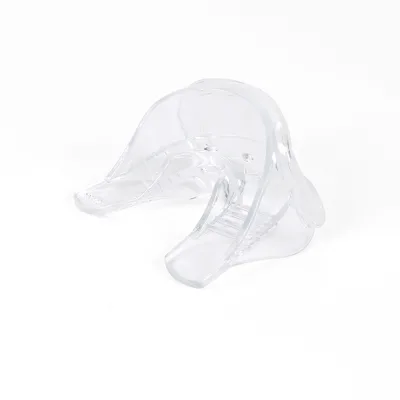
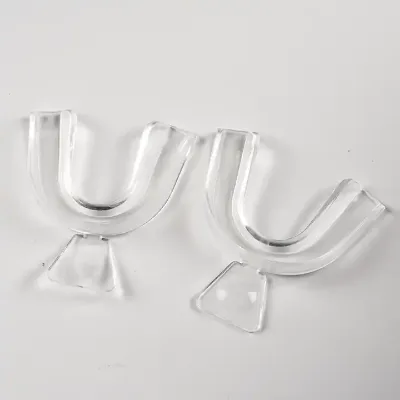
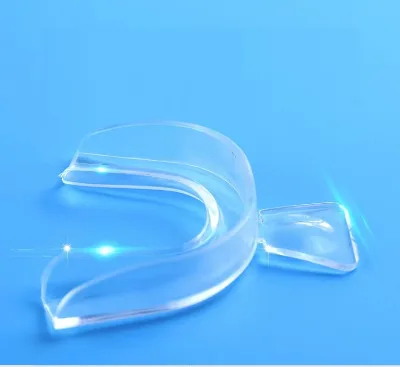
Factory Outlet Food Grade Thermal Forming Teeth Whitening Tray Premium Mouth Guard Gel for Kit
$0.20 - $0.28
MOQ: 1 pairs
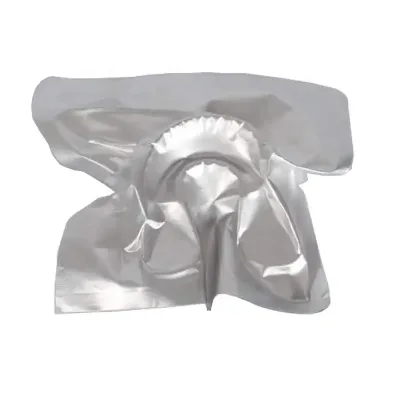
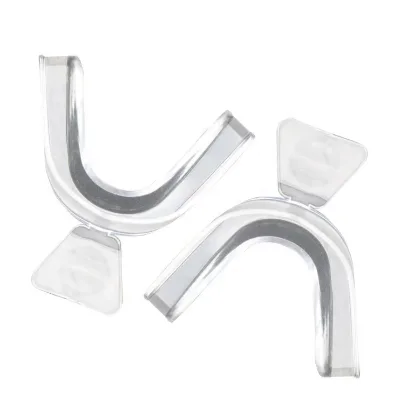
Thermoforming Moldable Boil and Bite Bleaching Tooth Grinding Whitening Dental Mouth Guard
$0.32 - $0.35
MOQ: 100 pieces

Zhengzhou Linker Medical Equipment Co., Ltd.
- Verified by SGS
- Trading Company
- China Henan
- Lead time15 days
- Avg. response≤ 3h
Main productsDental Equipment, Dental Unit, Ultrasonic Scaler, Light Cure, X-ray Unit, Air Turbine Handpiece, Micro Motor Unit, Low Speed Handpiece, Teeth Whitening, Apex Locator
Main marketsSouth America,Africa,Southeast Asia/ Mideast,Europe,Australia,North America

$0.55 - $0.60
MOQ: 100 Sets

Wuxi Frit Technology Co., Ltd.
- Manufacturer, Trading Company
- Jiangsu, China
- Lead time7 days
- Avg. response≤ 3h
Main productsTeeth Whitening, Water Flosser, Toothbrush, Plastic Tube, Perfume Atomizer
Main marketsNorth America(25.00%), Western Europe(24.00%), Eastern Asia(10.00%), Oceania(8.00%), Southeast Asia(7.00%), Eastern Europe(6.00%), South Asia(5.00%), Northern Europe(5.00%), Mid East(5.00%), South America(2.00%), Central America(2.00%), Southern Europe(1.00%)
Jiangxi Dentalbright Technology Co., Ltd.
- Manufacturer, Trading Company
- Lead time旺季: , 淡季:
- Avg. response≤ 3h
Main productsTeeth Whitening Kit, Teeth Whitening Gel, Teeth Whitening Strips, Impression Material, Electric Toothbrush

Anyang Yingpai Dental Materials Co., Ltd.
- Verified by CTI
- Combined
- China Henan
- Lead time15 days
- Avg. response≤ 10h
Main productsAcrylic Resin Teeth, Dental Zirconia Block, Dental Milling Machine, Dental X Ray Unit, Intraoral Scanner, Dental Lab Equipment, Dental Base Powder, Dental Equipment, Dental Lab Materials, Dental Materials
Main marketsSouth America,Others(foreignTradeCapacity.exportBusinessCapacityMarketOther),Southeast Asia/ Mideast


Portable Disposable Dental Teeth Tray Plastic Autoclavable Impression Tray
$0.28 - $0.48
MOQ: 300 pieces

Anqing Topeak Medical Co., Ltd.
- Trading Company
- China Anhui
- Lead time15 days
- Avg. response≤ 5h
Main productsDental Bibs, Non Woven SMS, Mirco Applicator, Face Mask, Saliva Ejector, Dental Needle, Sterilization Pouch, Sterilization Reel, Isolation Gown, Coverall
Main marketsSouth America,Others(foreignTradeCapacity.exportBusinessCapacityMarketOther),Southeast Asia/ Mideast,East Asia(Japan/ South Korea),Europe

- Verified by SGS
- Trading Company,Manufacturer/Factory
- China Jiangsu
- Lead time45 days
- Avg. response≤ 19h
Main productsTeeth Whitening Strips, Toothbrush, Interdental Brush, Electric Toothbrush, Dental Floss, Soft Dental Picks, Travel Kit, Teeth Whitening Pen, Dental Floss Pick, Toothpaste Tablet
Main marketsSouth America,Eastern Europe,Mid East,North America,Southeast Asia,Eastern Asia,Oceania,Western Europe,Africa


Teeth Whitening Kit Professional / Teeth Whitening Strips with Trays&Light
$2.50 - $2.70
MOQ: 10000 Box


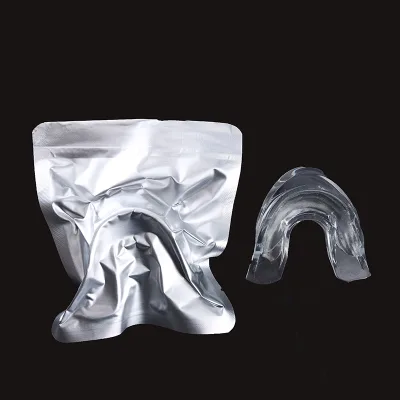
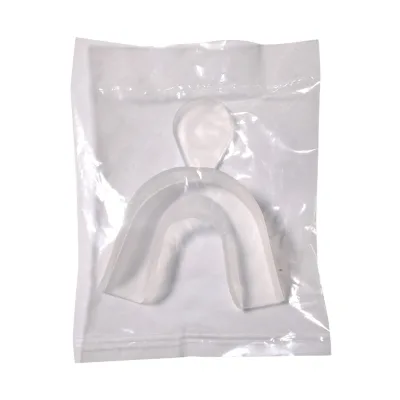
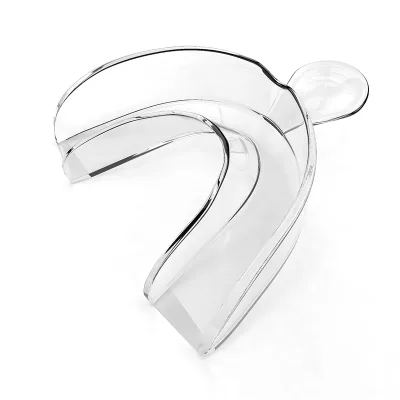


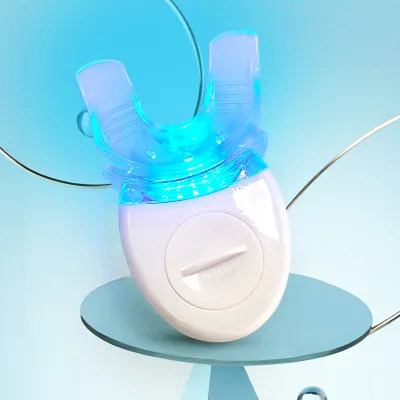


Comprehensive Sourcing Guide
Home Use Teeth Whitening Trays Supplier Concentration and Factory Types
The current supplier landscape for Home Use Teeth Whitening Trays reveals a distinct geographic concentration in China, with significant manufacturing activity centered in Hebei and Fujian provinces. Suppliers located in Hebei often operate as combined entities, offering a broad range of dental products including handpieces, materials, and equipment alongside whitening accessories. This diversification suggests that many factories in this region have established infrastructure capable of supporting multiple dental product lines, which can be advantageous for buyers seeking a consolidated supply chain. The presence of these combined companies indicates a mature industrial ecosystem where production lines for impression trays and whitening kits may share resources with other dental consumables. Buyers evaluating suppliers from this region should consider the potential for streamlined logistics if they are also sourcing other dental instruments, as the supplier’s main product list often includes items like dental units and orthodontic materials. This breadth of capability can simplify vendor management, although it requires careful verification to ensure that the specific whitening tray production maintains high quality standards separate from other product lines.
In contrast, suppliers based in Fujian province frequently present themselves as either manufacturers or trading companies, focusing more specifically on oral care products such as teeth whitening kits, mouth trays, and denture cleansing tablets. This specialization often correlates with a direct manufacturing capability for silicone and EVA-based trays, which are the primary materials used in home whitening applications. The distinction between a pure manufacturer and a trading company is critical for buyers, as it impacts pricing structures, communication efficiency, and control over production schedules. Manufacturers in Fujian often highlight their ability to produce food-grade materials and offer OEM services, catering to brands that require custom packaging or specific material compositions. Trading companies, while potentially offering a wider variety of styles, may introduce additional layers in the supply chain. Buyers must discern whether the supplier is the actual producer or an intermediary, as this affects the transparency of the manufacturing process and the ability to conduct factory audits. The concentration in these two provinces provides a clear map for sourcing, allowing buyers to target regions known for specific types of dental product expertise.
How to Verify Home Use Teeth Whitening Trays Suppliers
Verification is a critical step in ensuring that suppliers meet the necessary quality and operational standards for Home Use Teeth Whitening Trays. One key indicator of reliability is the verification status provided by third-party inspection agencies. For instance, some suppliers in the current results display BV verification, which signifies that an independent body has assessed their business legitimacy and operational capabilities. Buyers should prioritize suppliers with such verified badges, as it reduces the risk of engaging with fraudulent entities. Additionally, system certifications are another important factor to consider. While specific certification types may vary, the presence of CE certification on product listings is a strong signal that the items comply with European health, safety, and environmental protection standards. This is particularly relevant for home use products that come into direct contact with the mouth, as it ensures that the materials used are safe for consumer application. Buyers should request copies of these certificates and verify their validity through the issuing bodies to ensure authenticity.
Beyond certifications, the responsiveness and transparency of the supplier are vital metrics for verification. The response time of a supplier can indicate their operational efficiency and commitment to customer service. In the current data, response times vary, with some suppliers showing a response time of 1.49 hours, while others may take longer. A faster response time often correlates with a more organized sales team and better communication channels, which are essential for resolving issues during the sourcing process. Buyers should also look for suppliers who provide detailed product attributes, such as material composition, customization options, and packing details. For example, suppliers listing food-grade EVA or silicone materials demonstrate a focus on safety and quality. Furthermore, the availability of OEM services and customization options can indicate a supplier’s flexibility and willingness to work with buyers to meet specific requirements. By combining verification badges, certification checks, and an assessment of communication responsiveness, buyers can build a robust profile of supplier reliability before committing to any orders.
What to Compare Across Home Use Teeth Whitening Trays Suppliers
When evaluating multiple suppliers for Home Use Teeth Whitening Trays, buyers must compare several key dimensions to identify the best fit for their business needs. One of the most significant factors is the minimum order quantity (MOQ), which varies across suppliers. For example, some suppliers offer an MOQ of 200 pieces, while others may require 204 pieces or even 100 pieces. Understanding these thresholds is crucial for inventory management and cash flow planning, especially for new businesses or those testing the market. Buyers should also compare the price ranges, which can differ based on material quality, customization options, and order volume. Prices for whitening trays can range from as low as $0.09 to over $1.40 per unit, depending on the specific product features and packaging. It is important to note that lower prices may not always indicate better value, as they might reflect lower material quality or fewer included services. Buyers should seek a balance between cost and quality, ensuring that the price aligns with the expected product performance and safety standards.
Another critical aspect to compare is the lead time and supply ability. Lead times indicate how long it takes for a supplier to produce and ship the order after confirmation. In the current results, lead times can be around 23 days for some suppliers, while others may offer faster turnaround times. Supply ability, often listed as pieces per month, provides insight into the supplier’s production capacity. For instance, some suppliers claim a supply ability of 100,000 pieces per month, while others may have higher capacities. Buyers should ensure that the supplier’s capacity aligns with their projected demand to avoid stockouts or delays. Additionally, the customization options available, such as OEM services and specific material choices, should be compared. Suppliers offering flexible customization can better meet the unique branding and product requirements of different buyers. By systematically comparing MOQs, prices, lead times, and customization capabilities, buyers can make informed decisions that optimize their sourcing strategy and ensure a smooth supply chain operation.
Common Home Use Teeth Whitening Trays Sourcing Risks
Sourcing Home Use Teeth Whitening Trays involves several potential risks that buyers must be aware of to mitigate negative impacts on their business. One significant risk is the variability in material quality, particularly regarding the safety and compliance of the materials used. Since these trays come into direct contact with the mouth, the use of non-food-grade materials can pose health risks to consumers. Buyers must ensure that suppliers explicitly state the use of food-grade EVA or silicone, as indicated in some product listings. Failure to verify this can lead to product recalls, legal liabilities, and damage to brand reputation. Another risk is the inconsistency in product specifications, such as size, shape, and fit. Home use trays must fit comfortably and effectively to ensure user satisfaction. Buyers should request samples to test the fit and quality before placing large orders. Additionally, the risk of miscommunication regarding customization requirements can lead to products that do not meet the buyer’s expectations. Clear and detailed specifications, including packaging and labeling requirements, are essential to avoid discrepancies.
Logistical and operational risks are also prevalent in the sourcing process. Delays in production or shipping can disrupt the buyer’s inventory levels and sales cycles. Suppliers with longer lead times or lower supply abilities may struggle to meet urgent demands, leading to stockouts. Buyers should assess the supplier’s reliability in meeting delivery schedules and their ability to handle peak demand periods. Furthermore, the risk of engaging with unverified suppliers can result in financial loss or receipt of substandard products. Buyers should prioritize suppliers with verified badges and positive track records to minimize this risk. Another operational risk is the lack of transparency in pricing and additional costs, such as shipping and customs duties. Buyers should clarify all costs upfront to avoid unexpected expenses. Additionally, the risk of intellectual property infringement exists if buyers use proprietary designs without proper agreements. Ensuring that all intellectual property rights are respected and protected is crucial for maintaining brand integrity. By identifying and addressing these risks proactively, buyers can safeguard their interests and ensure a successful sourcing experience.
Home Use Teeth Whitening Trays Regional Sourcing and Logistics
The geographic location of suppliers plays a crucial role in determining logistics costs, lead times, and overall supply chain efficiency. In the current supplier results, manufacturers are primarily located in Hebei and Fujian provinces in China. Suppliers in Hebei, often operating as combined entities, may benefit from established industrial clusters that support various dental product manufacturing. This concentration can lead to economies of scale and potentially lower production costs. However, buyers should consider the logistical implications of sourcing from this region, including transportation costs and delivery times to their destination. Similarly, suppliers in Fujian, which often specialize in oral care products, may offer more focused logistics solutions tailored to their specific product lines. The port of dispatch for some Fujian suppliers is listed as Fuzhou, which is a major shipping hub. This can facilitate efficient export processes and potentially reduce transit times to international markets. Buyers should evaluate the proximity of the supplier’s location to major shipping ports to optimize logistics.
Logistics planning also involves understanding the packaging and shipping details provided by suppliers. For instance, some suppliers offer standard shipping packages, while others provide specific packing configurations, such as 12 pieces per box and 20 boxes per carton. These details impact the volume and weight of the shipment, which in turn affects shipping costs. Buyers should request detailed packing information to calculate the total shipping volume and weight accurately. Additionally, the supply ability of the supplier, often listed as pieces per month, influences the logistics planning. Suppliers with higher supply abilities can handle larger orders more efficiently, reducing the need for multiple shipments. Buyers should also consider the lead time, which can vary based on the supplier’s location and production capacity. For example, a lead time of 23 days may be typical for some suppliers, while others may offer faster turnaround times. By aligning the supplier’s location and logistics capabilities with their business needs, buyers can optimize their supply chain and reduce overall costs.
Home Use Teeth Whitening Trays Commercial Terms and Order Planning
Commercial terms and order planning are essential components of a successful sourcing strategy for Home Use Teeth Whitening Trays. Buyers must carefully review the pricing structures, which can vary significantly based on the product type, material, and customization options. Prices for whitening trays can range from $0.09 to over $1.40 per unit, depending on factors such as material quality and packaging. Buyers should negotiate prices based on order volume and long-term partnership potential. Additionally, the minimum order quantity (MOQ) is a critical commercial term that affects inventory management and cash flow. Some suppliers offer an MOQ of 200 pieces, while others may require 100 or 204 pieces. Buyers should align their order quantities with their sales forecasts to avoid excess inventory or stockouts. It is also important to clarify any additional costs, such as tooling fees for custom molds or sample charges, to ensure transparent pricing.
Order planning involves coordinating with suppliers to ensure timely delivery and consistent supply. Buyers should establish clear communication channels and regular check-ins to monitor production progress and address any issues promptly. The lead time, which can be around 23 days for some suppliers, should be factored into the order planning process to ensure that inventory levels are maintained. Buyers should also consider the supplier’s supply ability, which indicates their capacity to produce and deliver large volumes. Suppliers with higher supply abilities, such as 100,000 pieces per month, can better support large orders and peak demand periods. Additionally, buyers should review the payment terms and escrow options to ensure secure transactions. Using escrow services can provide an extra layer
FAQs
What is the price range for Home Use Teeth Whitening Trays?
Prices for these trays typically range from $0.09 to $1.49 per unit depending on material and customization. Basic EVA trays start near $0.09, while pre-filled silicone options cost around $0.86 to $1.05. Bulk orders often secure lower rates, with minimum order quantities starting at 100 pieces for some suppliers.
What materials are used for these whitening trays?
Manufacturers primarily use food-grade EVA and silicone for these trays. These materials are selected for their softness, elasticity, and non-toxic properties. Some products are explicitly labeled as food grade to ensure safety during home use. The trays are designed to be comfortable and durable for repeated molding and application of whitening agents.
What is the minimum order quantity for these trays?
Minimum order quantities vary by supplier and product type. Some manufacturers accept orders as low as 100 pieces, while others require 200 or 204 units. Specific models may have distinct MOQs, such as 204 pieces for certain storage boxes or trays. Buyers should verify the exact MOQ for their chosen model before placing an order.
Are these trays CE certified?
Yes, many available trays carry CE certification. This indicates compliance with relevant health and safety standards for dental accessories. Buyers can verify this by checking the product attributes for the CE mark. Certification ensures the product meets specific regulatory requirements for materials and manufacturing processes in international markets.
Where are these trays manufactured?
These trays are primarily manufactured in China, specifically in the Hebei and Fujian provinces. Suppliers in these regions offer various options, including OEM and ODM services. The origin is often listed as Hebei or Fujian, China, indicating the production location for the dental consumables and accessories.
Can I customize these trays with my brand?
Customization is available for many suppliers offering these trays. Options include OEM branding and custom packaging. Buyers can often request specific colors, such as blue, green, white, pink, or yellow. Customization allows businesses to brand the trays for their specific market needs, enhancing product recognition and value.
What is the typical lead time for these orders?
Lead times vary by supplier, with some offering production within 7 days. Other suppliers may have longer lead times, such as 23 days. Response times also differ, ranging from under 2 hours to 7 hours. Buyers should confirm the specific lead time with the supplier to ensure timely delivery for their orders.