Find ATV Wheel Bearing Removal Tool for Automotive Repair, Maintenance, and Assembly
Source 30 verified products including hydraulic gear pullers and wheel bearing tool sets designed for automotive repair. Buyers can compare specifications for the ATV Wheel Bearing Removal Tool across multiple suppliers to find the right fit for their needs.
Key considerations
Products List

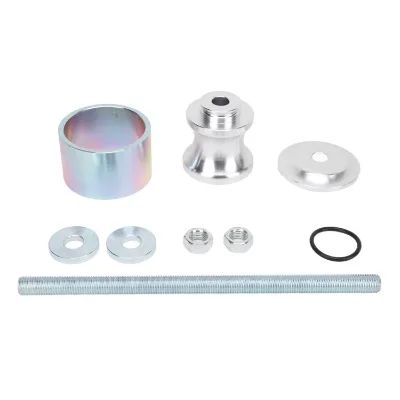
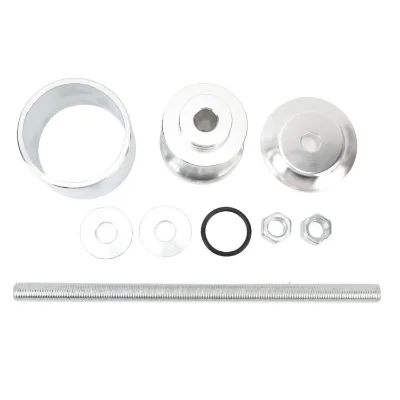
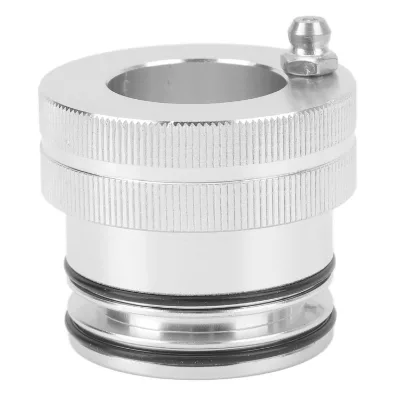
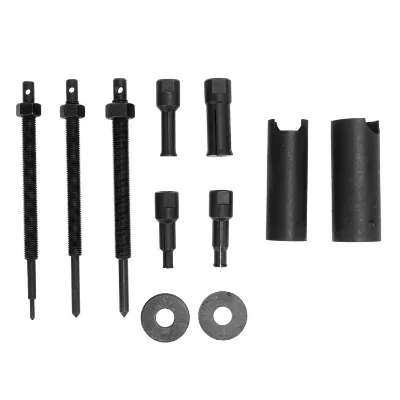
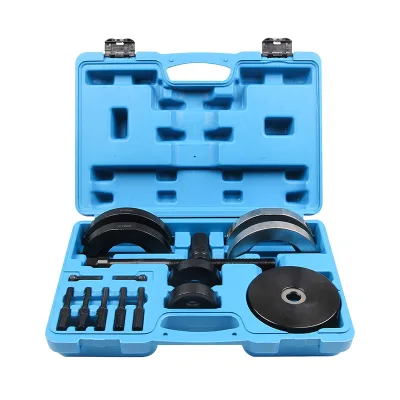
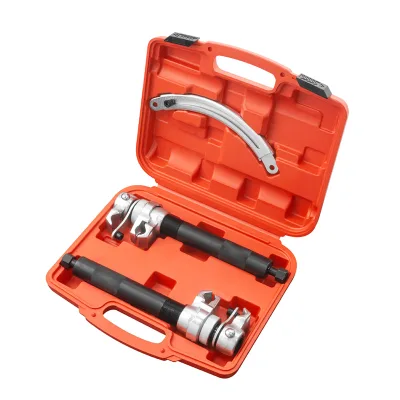

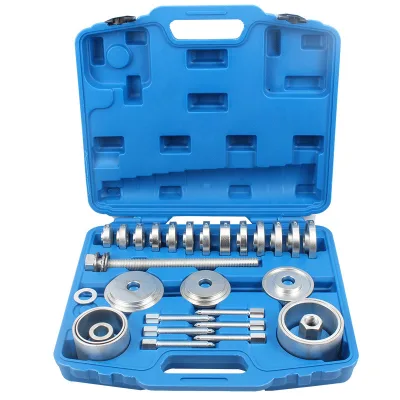
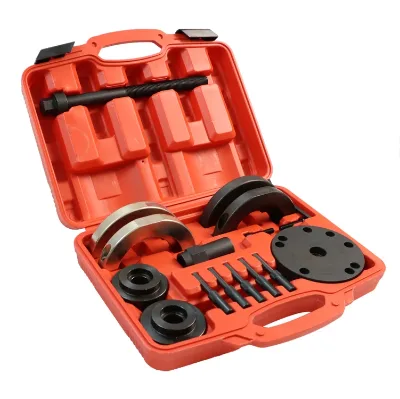
19PCS Bearing Removal Tool Kit / Front Wheel Drive Bearing Removal Tool Set
$29.00 - $32.00
MOQ: 50 Sets


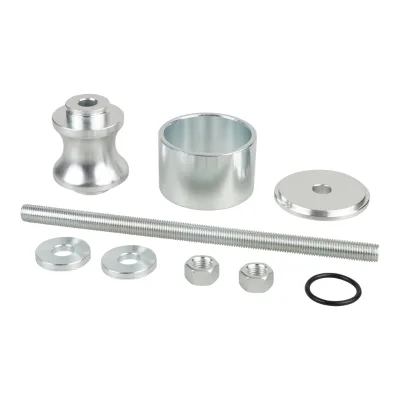
High Suspension Bush Tool, Bush Removal Install Tool, Auto Repairing Tool
$9.80 - $11.00
MOQ: 100 Sets


21PCS Extra Large Different Sizes Bearing Removal Tool Set for Car Repairing
$60.00 - $65.00
MOQ: 20 Sets

15PCS Universal Front Drive Wheel Bearing Puller Removal Installation Tool Kit
$38.00 - $42.00
MOQ: 20 Sets
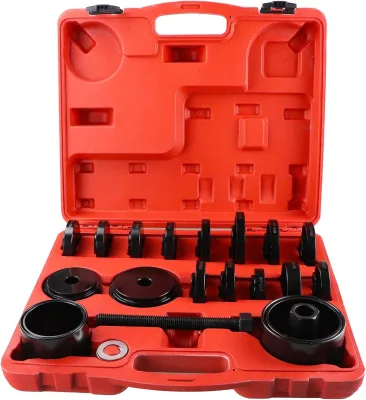
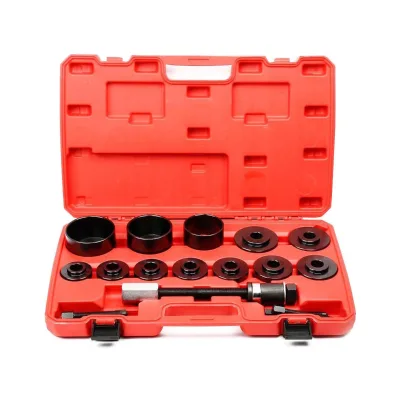

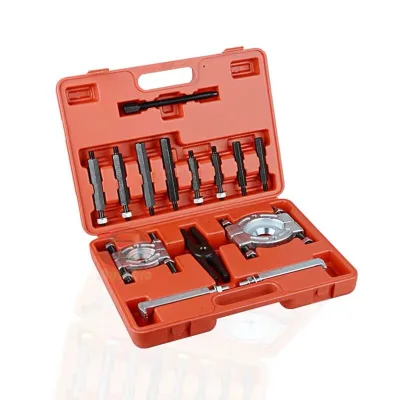


85mm Wheel Bearing Press Kit for Front Wheel Drive Bearing Removal & Installation
$34.00 - $38.00
MOQ: 10 Pieces


Aluminum Alloy RC Car Bearing Steering Hub Carrier Disassembly Removal Tool
$1.50 - $1.60
MOQ: 50 Pieces


Comprehensive Sourcing Guide
Strategic Sourcing Guide for ATV Wheel Bearing Removal Tools
Understanding Product Categories and Technical Specifications
When sourcing equipment for the specific application of ATV wheel bearing removal, buyers must first navigate the distinction between specialized single-purpose tools and comprehensive multi-function sets. The market often presents products under broad headings such as "Hydraulic Crimping Tools" or "Wheel Bearing Tools Set," which can create confusion regarding their actual utility for all-terrain vehicle maintenance. The core keyword, "ATV Wheel Bearing Removal Tool," typically falls under the broader category of automotive repair tools, specifically designed for the extraction and installation of wheel hub bearings.
Technical specifications are the primary differentiator in this sector. For effective bearing removal, the tool must possess sufficient mechanical leverage and precise dimensional compatibility. In the observed product landscape, materials such as High Carbon Steel and CR-V (Chrome Vanadium) are standard indicators of durability. High Carbon Steel is frequently cited for its hardness and resistance to deformation under high torque, which is critical when pressing out seized bearings. Conversely, CR-V offers a balance of toughness and flexibility, reducing the risk of the tool snapping during high-stress operations.
The physical dimensions of the tool are equally vital. Specifications indicate that single package sizes can vary significantly, ranging from compact units measuring 5x5x5 cm to larger sets housed in cases measuring 48x29x10 cm. For ATV applications, the tool must accommodate the specific diameter of the wheel hub. While some listings mention a "Universal" car fitment, buyers must verify that the tool's jaw span or pressing force is adequate for the specific ATV model, as ATV hubs often differ in size and configuration from standard passenger vehicles. The "Crimping Range" of 16-400mm² observed in related hydraulic tools suggests a high capacity for force application, but for mechanical bearing pullers, the focus shifts to the mechanical advantage provided by the screw or hydraulic mechanism.
Compliance, Certification, and Material Standards
In the B2B procurement of automotive repair tools, verifying compliance with material standards is essential for ensuring safety and longevity. The supplied data highlights "CR-V" and "High Carbon Steel" as primary material specifications. While these are industry-standard terms, buyers should not assume that every product labeled with these materials meets specific international quality thresholds without verification. There is no explicit mention of ISO certifications or specific testing standards (such as ASTM or SAE) in the provided product facts. Therefore, procurement teams must treat these material claims as observations that require validation through third-party testing or supplier-provided mill certificates.
Compliance also extends to the manufacturing origin and the resulting quality control processes. The data indicates that products originate from regions such as Guangdong and Anhui in China. While these are established manufacturing hubs, the "Place of Origin" alone does not guarantee adherence to specific safety or performance standards. Buyers should request documentation regarding the manufacturing process, specifically looking for evidence of heat treatment protocols that ensure the steel achieves the necessary hardness and tensile strength. Without explicit certification data, the assumption that a tool is "High-level" or "Quality" is an attribute that must be proven rather than taken for granted.
Furthermore, the "OEM & ODM" acceptance noted in the product attributes suggests that many suppliers offer customized manufacturing. This flexibility allows buyers to tailor tools to specific ATV models or branding requirements. However, customization introduces complexity in compliance. When a tool is customized, the material composition and heat treatment processes must remain consistent with the original design specifications to maintain structural integrity. Buyers should ensure that any customization does not compromise the tool's ability to withstand the high forces required for bearing removal.
Cost Drivers and Pricing Dynamics
The pricing for ATV wheel bearing removal tools is influenced by a complex interplay of material costs, manufacturing complexity, and order volume. The observed price range in the market spans from $1.50 to $65.00 USD. This wide variance indicates that the product category includes everything from basic manual pullers to sophisticated hydraulic or multi-component sets. The lower end of the spectrum likely corresponds to simple, single-function tools with minimal packaging, while the higher end reflects comprehensive sets with hard cases, multiple adapters, and higher-grade materials.
A significant cost driver is the packaging and unit weight. Data shows single gross weights ranging from 0.116 kg for small components to 2.514 kg for larger sets. The packaging type, whether "Neutral Packing," "Carton," or "Hard Case," also impacts the final cost. Hard cases, often used for professional-grade sets, add to the manufacturing and shipping expenses but provide better protection during transit. Additionally, the "Single package size" varies from 35x12x8 cm to 5x5x5 cm, directly affecting logistics costs. Buyers must consider that smaller, lighter items may have a higher per-unit shipping cost if not consolidated efficiently.
Minimum Order Quantity (MOQ) is another critical factor in cost management. The observed MOQ range is broad, extending from 1 piece to 500 pieces. Some listings specify an MOQ of 100 pieces, while others accept orders as low as 4 sets. For buyers with smaller inventory needs, the ability to order low quantities is essential to avoid overstocking. However, larger orders often benefit from economies of scale, reducing the per-unit cost. The "Selling Units" being listed as "Single item" suggests that individual tools are available, but bulk purchasing may be required to access the lower price points within the observed range.
Typical Applications and Functional Versatility
The primary application for these tools is automotive repair, specifically targeting wheel hub bearings. The product attributes explicitly mention "Wheel Hub Bearing Tool" and "Automotive Repair Tools" as usage categories. For ATV maintenance, the tool must be capable of handling the specific stresses associated with off-road vehicles, which often endure higher loads and more severe operating conditions than standard passenger cars. The "Function" of these tools is described as "Squeeze," indicating a pressing or pulling mechanism designed to dislodge bearings from their housings.
While the core function is bearing removal, many tools in this category are designed as "Combination" sets. This versatility allows a single purchase to cover multiple repair scenarios, such as installing new bearings or removing other press-fit components. The "Crimping Range" of 16-400mm², while technically referring to crimping, implies a high-force capability that can be adapted for bearing extraction. However, buyers must ensure that the tool's design is optimized for the specific geometry of ATV wheel hubs. A tool designed for a car hub may not fit an ATV hub without the correct adapters or attachments.
The "Car Fitment" is listed as "Universal" in some contexts, but this term can be misleading. In the context of specialized ATV tools, "Universal" often means the tool comes with a range of adapters to fit various hub sizes. Buyers should verify the specific adapter list included in the set to ensure compatibility with the ATV models they service. The "Usage" as a "Wheel Hub Bearing Tool" confirms the primary intent, but the "Application" as "Crimping" in other listings suggests that some products in the broader category may be misclassified or intended for different tasks. Careful review of the product description is necessary to confirm the tool is suitable for bearing removal rather than cable crimping or other functions.
Supplier Evaluation and Quality Assurance
Evaluating suppliers for ATV wheel bearing removal tools requires a rigorous approach to quality assurance. The data indicates that suppliers offer "OEM" branding and "Customizable" logos, suggesting a high degree of flexibility. However, the presence of "OEM" does not inherently imply high quality; it simply means the supplier is willing to manufacture under the buyer's brand. Buyers must assess the supplier's track record, production capacity, and quality control measures.
Key evaluation criteria include the consistency of material specifications. Suppliers claiming "High Carbon Steel" or "CR-V" should be able to provide evidence of material sourcing and processing. The "Quality" attribute is listed as "High-level" in some entries, but this is a subjective claim. To mitigate risk, buyers should request samples for testing before placing large orders. Testing should focus on the tool's ability to withstand high torque without deformation or failure.
The "Warranty" period is another important metric. A "6 Months" warranty is mentioned in the product data, which serves as a baseline expectation for product reliability. Buyers should negotiate warranty terms that align with the expected usage intensity of their fleet. Additionally, the "Package" options, such as "Neutral Packing" or "Carton," should be evaluated for their ability to protect the tools during shipping. Damaged tools upon arrival can indicate poor packaging standards or rough handling by the supplier.
Long-Term Procurement and Inventory Management
Long-term procurement strategies for ATV wheel bearing removal tools must account for inventory turnover, tool longevity, and the evolving needs of the service fleet. The "Model Number" variations, such as "1618240017111" or "1613240001611," suggest a wide array of specific configurations. Buyers should standardize their inventory to reduce complexity, selecting models that offer the best balance of versatility and performance for their specific ATV models.
Inventory management is also influenced by the "Single gross weight" and "Single package size." Heavier items with larger dimensions may require more storage space and higher shipping costs. Buyers should optimize their order quantities to balance storage costs with the need to maintain adequate stock levels. The "MOQ" flexibility allows for just-in-time ordering, which can reduce holding costs but may increase the risk of stockouts if lead times are not managed carefully.
Finally, the "Logo: Customizable" attribute offers an opportunity for brand building. For companies that service multiple clients, having branded tools can enhance professional image and customer trust. However, customization should not compromise the tool's functionality. Buyers should ensure that any branding or packaging changes do not interfere with the tool's usability or safety features. By focusing on these long-term considerations, buyers can build a sustainable procurement strategy that supports efficient and reliable ATV maintenance operations.
FAQs
What materials are used for atv wheel bearing removal tools?
Tools are typically made from High Carbon Steel or CR-V metal to ensure durability. High Carbon Steel provides hardness for resisting deformation under high torque, while CR-V offers a balance of toughness and flexibility to prevent snapping during high-stress operations.
Which packaging options are available for these automotive repair tools?
Buyers can choose from Neutral Packing, Carton, or Hard Case options depending on their needs. Hard cases are often used for professional-grade sets to provide better protection during transit, while neutral packing is standard for bulk orders.
Can I customize the logo and brand on these wheel hub bearing tools?
Yes, OEM branding and customizable logos are acceptable for most suppliers. This flexibility allows buyers to tailor tools to specific ATV models or branding requirements, though customization must not compromise the tool's structural integrity or safety features.
What is the typical MOQ for ordering ATV Wheel Bearing Removal Tool sets?
Minimum Order Quantities vary significantly, ranging from 4 sets to 500 pieces depending on the supplier. Some listings specify an MOQ of 100 pieces, while others accept smaller orders as low as 4 sets to accommodate buyers with smaller inventory needs.
How do pricing and weight affect the cost of these hydraulic crimping tools?
Prices range from 1.5 to 65 USD based on material quality and packaging complexity. Heavier items with larger dimensions, such as those weighing up to 2.514 kg, may incur higher shipping costs compared to compact units weighing around 0.116 kg.
Where are these automotive repair tools typically manufactured?
Products originate from manufacturing hubs in China, specifically Guangdong and Anhui provinces. While these regions are established centers for tool production, buyers should verify specific quality control processes and material sourcing for each supplier.