Source ISO 7 Cleanroom with PVC Floor for Electronics Factories
Find and compare 30 products for an ISO 7 Cleanroom with PVC Floor, featuring anti-static and waterproof properties. Options include 2mm PVC tiles and aluminum access floors suitable for electrical factories, computer rooms, and medical applications.
Key considerations
Products List


Hospital Operation Room Purification Project Clean Room with Homogeneous Anti-Static PVC Floor
$15.00 - $30.00
MOQ: 50 Square Meters

ISO5 Modular Cleanroom with Raised Floor Prefabricated Modular Clean Room for Pharmaceutical
$2000.00 - $20000.00
MOQ: 1 Pieces

Class 100000 ISO 8 High Quality Customized Cleanliness Clean Room Project with PVC Floor
$8000.00 - $100000.00
MOQ: 1 Pieces

Airkey Optional Cleanliness Turnkey Cleanroom Clean Room Project with PVC Floor
$8000.00 - $100000.00
MOQ: 1 Pieces

High Standard ISO 5-8 Customized Modular Cleanroom with Automatic Door
$20000.00 - $100000.00
MOQ: 1 Pieces

High Standard ISO 5-8 Customized Modular Clean Room with Automatic Door/Manufacturing Plant
$20000.00 - $100000.00
MOQ: 1 Pieces


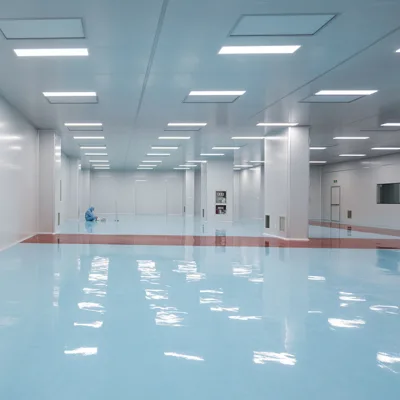


ISO Cleanroom for Small Volume Filling
$50.00
MOQ: 1 Square Meters
Shanghai Marya Pharmaceutical Engineering & Project Co., Ltd.

Cleanroom Project Supplier ISO Class Modular Clean Room with Clean HVAC System
$3000.00 - $4000.00
MOQ: 1 Pieces


Dust Free Cleanroom ISO 7 8 Level Prefabricated Clean Room for Industry5 Buyers
$1000.00 - $2000.00
MOQ: 1 Pieces

Customized Modular Cleanroom for Different Cleanliness Level ISO1-ISO8
$3000.00 - $4000.00
MOQ: 1 Pieces

ISO 7 Clean Room Modular Design Low Humidity Dry Clean Workshop Cleanroom
$200.00
MOQ: 10 Square Meters

Modular Cleanroom ISO7 Cleanroom Lab Turnkey Solution Clean Room
$180.00 - $200.00
MOQ: 10 Square Meters

ISO Standard Factory Class 100000 Clean Room Industry Modular Clean Room
$245.00 - $260.00
MOQ: 5 Square Meters

GMP Clean Room Economical ISO 5 ISO 7 Workshop Dust Free Room Cleanroom Price
$245.00 - $260.00
MOQ: 5 Square Meters

Class 100 Portable Clean Room 1000 Sqm Turnkey Project Cleanroom Building in Europe
$180.00 - $200.00
MOQ: 10 Square Meters

Comprehensive Sourcing Guide
ISO 7 Cleanroom with PVC Floor Sourcing Guide
Procuring an ISO 7 cleanroom environment that integrates specialized flooring requires a disciplined approach to material selection and system integration. The core challenge lies in balancing the stringent particulate control requirements of the cleanroom classification with the functional demands of the floor surface, such as static dissipation and chemical resistance. Buyers must recognize that "ISO 7" refers to a specific air cleanliness standard, while the flooring component serves as a critical barrier against contamination generation and electrostatic discharge. This guide provides evidence-based procurement strategies for sourcing these integrated systems, focusing on verified product attributes, technical verification, and commercial due diligence.
Successful sourcing begins with understanding the distinct material profiles available in the market. Current listings indicate a prevalence of Polyvinyl Chloride (PVC) solutions, often featuring conductive or anti-static properties, alongside metal-based raised access floors. These materials are frequently marketed for applications in electronics, optical manufacturing, and microelectronic facilities. Buyers should evaluate how these material choices align with their specific operational needs, such as the need for waterproofing, fireproofing, or specific slip resistance ratings. The integration of these flooring systems into a cleanroom structure demands careful attention to installation methods, such as stringer systems for metal tiles or seamless welding for PVC, to ensure no gaps exist where particulates could accumulate.
Product Scope and Observed Listing Signals
The current market landscape for cleanroom flooring reveals a diverse range of product specifications, primarily centered around PVC and aluminum alloy materials. Observed listings highlight PVC tiles and sheets with thicknesses ranging from 2mm to 3.0mm, often treated with UV coatings to enhance durability and ease of cleaning. These products frequently carry certifications such as ISO and CE, indicating adherence to international quality and safety standards. The functional attributes commonly advertised include anti-static, waterproof, soundproof, and fireproof capabilities, which are essential for maintaining the integrity of sensitive electronic and optical manufacturing environments. Buyers should note that while these features are widely claimed, verification through third-party testing is necessary to confirm performance under actual cleanroom conditions.
In addition to PVC solutions, metal-based raised access floors represent another significant category, particularly for facilities requiring extensive underfloor infrastructure for utilities. These systems often utilize aluminum alloy components with thicknesses between 45-55mm and are available in standard sizes such as 600x600mm. The surface treatments for these metal tiles vary, including conductive epoxy coatings or High-Pressure Laminate (HPL) coverings, designed to manage electrostatic discharge and provide a durable, easy-to-clean surface. The observed price range for these products is broad, spanning from low-cost basic tiles to high-performance specialized systems, reflecting differences in material quality, certification levels, and customization options. Buyers must carefully distinguish between standard commercial flooring and specialized cleanroom-grade products to avoid procurement errors.
Technical Specifications to Verify
Electrical resistance is a critical technical parameter for cleanroom flooring, particularly in environments handling sensitive electronic components. Products are often categorized by their volume resistivity, with common ranges including 10^6 to 10^9 Ohm for static-dissipative materials and 10^4 to 10^6 Ohm for conductive variants. Buyers must verify which resistance class is appropriate for their specific application, as incorrect selection can lead to electrostatic discharge damage or insufficient static control. Dimensional stability is another key specification, with some products claiming stability rates of less than or equal to 0.35% according to EN434 standards. This metric is vital for ensuring that floor tiles do not warp or shift over time, which could compromise the seal of the cleanroom and allow particulate infiltration.
Surface treatment and physical durability also require rigorous verification. Attributes such as color fastness, often rated according to EN105-B02 standards, ensure that the flooring maintains its appearance and does not shed pigments that could contaminate the cleanroom air. Slip resistance ratings, such as R9, provide insight into the safety profile of the floor under wet or dry conditions, which is important for personnel safety without compromising the cleanroom's cleanliness class. Additionally, the weight of the material, observed at approximately 2850g/m² for certain PVC products, impacts the structural load requirements of the building. Buyers should request detailed technical data sheets that specify these parameters to ensure compatibility with their facility's design and operational requirements.
Compliance and Safety Documentation
Certification documentation serves as the primary evidence of a product's compliance with international standards. Listings frequently mention ISO 9001, CE, and ISO certifications, which indicate that the manufacturer has established quality management systems and that the products meet European safety requirements. However, buyers must distinguish between general manufacturing certifications and specific cleanroom performance certifications. For cleanroom applications, it is essential to verify that the flooring materials do not outgas volatile organic compounds (VOCs) that could contaminate the air. While specific VOC emission data may not be explicitly listed in all product descriptions, buyers should request Material Safety Data Sheets (MSDS) and emission test reports to ensure the materials are suitable for ISO 7 environments.
Fire safety and electrical safety are paramount in cleanroom design, where dense equipment and sensitive electronics are present. Buyers should verify that the flooring materials meet relevant fire resistance standards, such as those indicated by "Fireproof" attributes in product listings. Additionally, the electrical resistance properties must be validated through independent testing to ensure they fall within the specified range for the intended application. Documentation should also include installation guidelines that specify how to properly seal joints and edges to maintain the cleanroom's integrity. Buyers should ensure that the supplier provides comprehensive documentation that covers not only the product itself but also the recommended installation practices to achieve the desired cleanroom classification.
Cost Drivers and Commercial Terms
The cost of cleanroom flooring is influenced by several factors, including material type, thickness, and specialized treatments. PVC products with anti-static and UV-treated surfaces typically command higher prices than standard commercial vinyl due to the additional manufacturing processes and quality controls involved. Metal raised access floors, particularly those with conductive epoxy coatings and aluminum alloy construction, are generally more expensive due to the complexity of the system and the materials used. Buyers should also consider the cost of customization, as many suppliers offer tailored solutions for specific dimensions or performance requirements, which can impact the final price.
Commercial terms such as Minimum Order Quantity (MOQ) and lead times vary significantly across suppliers. Observed MOQs range from 1 to 500 units, allowing for flexibility in procurement for both small-scale projects and large installations. Lead times are typically around 30 days for standard products, but customized orders may require longer preparation periods. Buyers should negotiate clear terms regarding payment schedules, shipping responsibilities, and warranty coverage. It is also important to consider the total cost of ownership, including installation costs and long-term maintenance requirements, rather than focusing solely on the initial purchase price. Understanding these commercial dynamics helps buyers make informed decisions that balance budget constraints with performance needs.
Supplier Qualification and Quality Control
Supplier qualification is a critical step in ensuring the reliability of cleanroom flooring products. Buyers should prioritize suppliers who are manufacturers or established trade companies with a proven track record in the cleanroom industry. Verification of business type and production capabilities helps ensure that the supplier can meet quality and delivery requirements. Suppliers with ISO 9001 certification demonstrate a commitment to quality management, which is essential for producing consistent and reliable flooring products. Buyers should also assess the supplier's ability to provide technical support and after-sales service, as these factors contribute to the long-term success of the cleanroom installation.
Quality control processes should be transparent and well-documented. Buyers should request information about the supplier's internal testing procedures, including checks for electrical resistance, dimensional stability, and surface durability. Third-party testing reports from accredited laboratories provide additional assurance of product performance. It is also important to verify the supplier's ability to handle customized orders, as many cleanroom projects require specific dimensions or performance characteristics. Buyers should establish clear communication channels with the supplier to address any technical questions or concerns during the procurement process. Regular quality audits and inspections may be necessary for large orders to ensure that the delivered products meet the specified requirements.
Long-Term Procurement Checks
Long-term procurement success depends on establishing robust relationships with suppliers and implementing continuous improvement strategies. Buyers should monitor supplier performance over time, tracking metrics such as delivery reliability, product quality, and responsiveness to issues. Regular reviews of supplier capabilities and certifications help ensure that they continue to meet evolving industry standards and regulatory requirements. Buyers should also stay informed about advancements in cleanroom flooring technology, such as new materials or installation methods that offer improved performance or cost efficiency. This proactive approach allows buyers to make informed decisions about future procurement needs and maintain the integrity of their cleanroom environments.
Maintenance and lifecycle management are also key considerations for long-term procurement. Buyers should develop comprehensive maintenance plans that include regular cleaning protocols, inspection schedules, and replacement strategies for worn or damaged flooring. Understanding the expected lifespan of different flooring materials helps in budgeting for future replacements and minimizing downtime. Buyers should also consider the environmental impact of their flooring choices, exploring options for recycling or sustainable disposal of old materials. By focusing on long-term value rather than just initial cost, buyers can ensure that their cleanroom investments continue to deliver performance and reliability over time.
FAQs
What certifications do ISO 7 Cleanroom with PVC Floor products have?
Products typically hold ISO and CE certifications. Some listings also specify ISO9001 compliance. These standards ensure the flooring meets international quality and safety requirements for cleanroom environments.
How thick are the available ISO 7 Cleanroom with PVC Floor options?
Thickness options include 2mm, 2.5mm, and 3.0mm for PVC variants. Metal tiles may range from 45mm to 55mm. Select the thickness based on specific load-bearing and installation needs.
Can I customize the size and color of the cleanroom flooring?
Customization is available for both size and color. Standard sizes like 600x600mm exist, but custom dimensions can be arranged. Grey is a common color, though other options may be requested.
What is the lead time for ordering iso 7 cleanroom flooring?
The lead time is about 30 days for most orders. This duration covers manufacturing and preparation for shipment. Buyers should plan their project schedules accordingly to avoid delays.
Which suppliers offer anti-static and waterproof cleanroom flooring?
Suppliers provide flooring with anti-static and waterproof functions. The material is often PVC with conductive properties. These features are essential for electrical factories and microelectronic applications.
What is the minimum order quantity for cleanroom flooring products?
Minimum order quantities range from 1 to 500 units depending on the supplier. Specific MOQs vary by product type and customization level. Buyers should confirm exact requirements before placing an order.
How is the cleanroom flooring installed in electrical factories?
Installation often uses a stringer system for metal tiles. PVC tiles may use different methods depending on the surface treatment. Professional installation ensures proper grounding and stability.
What is the origin of the iso 7 cleanroom flooring products?
The products originate from China. Manufacturers and trade companies based there supply these items globally. Buyers can expect competitive pricing and a wide range of available specifications.