Source iso 80601-2-55 oxygen sensor for Medical, Industrial, Lab
Compare 30 verified options for the iso 80601-2-55 oxygen sensor suitable for medical devices, industrial monitoring, and laboratory applications. Review specifications including sensitivity, response time, and operating ranges to find the right component for your project.
Key considerations
Products List


Oxygen Sensor 10097559 O2 Sensor for Pb760 Pb840 Pb980 Ventilator Machine Accessories
$100.00 - $1000.00
MOQ: 1 Pieces


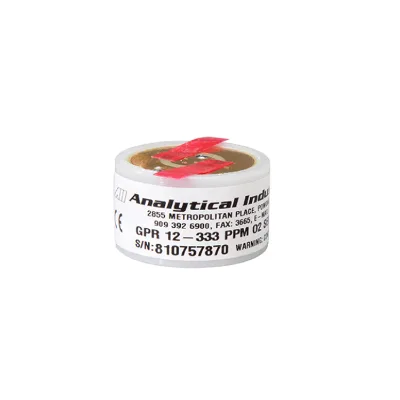
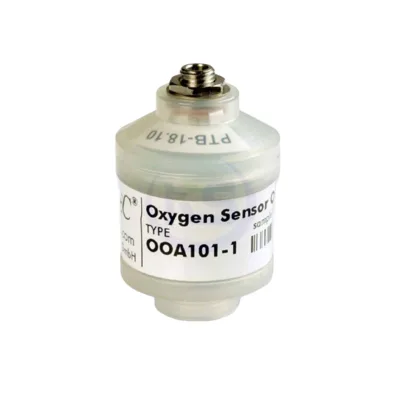
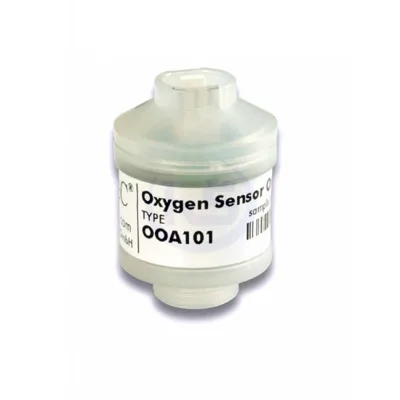
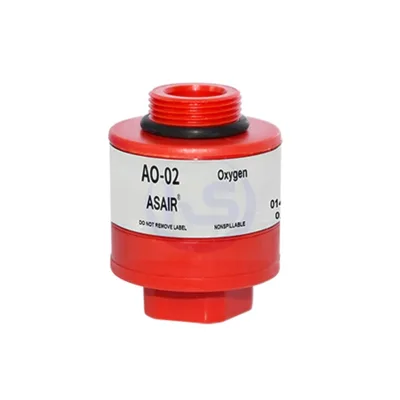

Online Dissolved Oxygen Sensor Built-in temperature and pressure sensors
$59.00 - $239.00
MOQ: 1 Pieces

Comprehensive Sourcing Guide
Strategic Sourcing Guide for ISO 80601-2-55 Compliant Oxygen Sensors
The procurement of medical-grade oxygen sensors requires a rigorous approach that balances technical performance with strict regulatory compliance. When searching for products aligned with the core keyword "iso 80601-2-55 oxygen sensor," buyers must navigate a landscape where specific medical device standards dictate the safety and efficacy of the equipment. While the ISO 80601-2-55 standard provides a framework for the safety and essential performance of medical electrical equipment, specifically for respiratory ventilators and related systems, the actual sensor components themselves must be selected with extreme precision. This guide outlines the critical factors for sourcing these components, drawing upon observed product attributes and verified technical data to ensure a robust supply chain strategy.
Technical Specifications and Performance Metrics
The foundational step in sourcing an oxygen sensor involves a deep dive into technical specifications that directly impact patient safety and system reliability. In the current market, sensors vary significantly in their operating principles, measurement ranges, and response times. Buyers should prioritize sensors that utilize electrochemical or amperometric principles, as these are prevalent in medical applications requiring high sensitivity and linearity.
Observed product data indicates that high-performance sensors often feature a measurement range of 0-100% O2 or specific sub-ranges such as 0-25% Vol or 0.5 to 35 Vol.%. The linearity of the sensor is a critical parameter; a linear response from 0% to 100% O2 ensures that the monitoring system provides accurate readings across the entire spectrum of oxygen concentrations. Furthermore, the output signal type is a decisive factor for integration. Analog output signals are common, with specific ambient air outputs ranging between 9 mV and 14 mV. For systems requiring digital integration, some units support UART ports with purity signal output, though the primary signal type often remains analog for direct sensor interfacing.
Response time is another non-negotiable metric. In a medical context, a delay in detecting oxygen concentration changes can be critical. Verified data suggests that high-quality sensors achieve a response time of less than 12 seconds to reach 90% of the final value. This rapid response is essential for ventilator safety systems. Additionally, repeatability must be maintained within tight tolerances, typically less than 1% volume O2 at constant temperature and pressure. Buyers must verify that the sensor's operating temperature range aligns with the intended clinical environment, with observed ranges spanning from -20°C to +55°C or 0°C to +50°C, depending on the specific model.
Compliance and Certification Verification
Navigating the regulatory landscape is perhaps the most complex aspect of sourcing medical sensors. The core keyword references ISO 80601-2-55, a standard governing the essential performance of respiratory ventilators. While this standard applies to the final medical device, the sensors within it must meet specific certification requirements to ensure they do not introduce electrical or safety hazards.
Current product observations confirm the presence of CE certification and RoHS compliance across various models. These certifications indicate adherence to European Union safety, health, and environmental protection requirements. Some listings also mention ISOCE certification, which buyers should verify against the latest ISO standards to ensure the sensor manufacturer maintains valid quality management systems. It is crucial to understand that while a sensor may be CE marked, this does not automatically guarantee the final device is ISO 80601-2-55 compliant; the integration and system-level testing are the responsibility of the medical device manufacturer.
Buyers must also scrutinize the "Certification" field in product documentation. The presence of CE and RoHS is a baseline, but for medical applications, additional verification of the sensor's biocompatibility and electrical safety is necessary. The standard ISO 80601-2-55 itself is a background reference for the system, but the sensor's individual compliance with IEC 60601-1 (general safety) is often a prerequisite. Procurement teams should request test reports that explicitly link the sensor's electrical characteristics to the safety margins required by medical standards. Do not assume that a generic industrial sensor meets medical requirements solely based on a CE mark; the specific application context and risk analysis must be documented.
Cost Drivers and Pricing Structures
Understanding the cost structure of oxygen sensors is vital for budgeting and total cost of ownership (TCO) analysis. The observed price range in the market spans from $1 to $10,000, a wide variance that reflects differences in technology, certification levels, and production volume. The lower end of the spectrum typically represents industrial-grade or single-use sensors, while the higher end often includes specialized medical-grade units with extended lifespans and rigorous quality control.
Several factors drive these costs. First, the material composition plays a significant role. Sensors constructed with metal housings or high-grade PPO (Polyphenylene Oxide) materials often command higher prices due to durability and chemical resistance. Second, the expected operating life is a major cost determinant. Products with a nominal sensor lifetime of 1,000,000% volume oxygen hours or an expected life of approximately 1,200,000% volume hours justify a higher upfront investment by reducing the frequency of replacement.
Minimum Order Quantity (MOQ) also influences unit pricing. The observed MOQ range is between 1 and 20 units. For small-scale prototyping or low-volume production, the ability to source single units is essential, though the unit cost may be higher. Conversely, bulk purchasing can significantly reduce the per-unit cost. Buyers should also consider the warranty period, which is observed to be 13 months from the date of despatch. A warranty of this duration adds value and reduces the financial risk associated with early sensor failure. Finally, customization options, such as OEM or ODM support, can increase costs but are often necessary for integrating the sensor into a specific medical device architecture.
Typical Applications and Integration Requirements
The primary application for these sensors is in medical respiratory care, including ventilators, anesthesia machines, and patient monitoring systems. The specific requirement for ISO 80601-2-55 compliance means the sensor must be capable of operating reliably in life-support environments where precision is paramount. The sensor's ability to measure oxygen purity accurately is critical for ensuring that patients receive the correct FiO2 (Fraction of Inspired Oxygen).
Integration is another key consideration. The production process for these sensors often involves integration techniques that allow for compact design, with weights ranging from 6g to 42g. This lightweight characteristic is beneficial for portable medical devices and wearable monitoring systems. The sensor's physical dimensions and weight must be compatible with the device's internal layout. For instance, a sensor weighing 6g is ideal for portable applications, whereas a 42g unit might be better suited for stationary equipment where size is less constrained.
The operating environment also dictates the choice of sensor. Medical devices must operate within specific temperature and humidity ranges. Observed data indicates operating humidity ranges of 0% to 99% RH non-condensing, which is essential for devices used in various hospital wards. The influence of humidity on the sensor's output, noted as -0.03% relative per % RH at 25°C, must be accounted for in the system's calibration algorithm. Furthermore, the warm-up time, which can be less than 30 minutes after sensor replacement, impacts the downtime of medical equipment. Buyers should ensure that the warm-up characteristics align with the clinical workflow to minimize service interruptions.
Supplier Evaluation and Customization Capabilities
Selecting the right supplier is as important as selecting the right sensor. Buyers should evaluate suppliers based on their ability to provide customization, as medical devices often require tailored solutions. The market shows that customization is available, with options for both customized and non-customized units. Suppliers offering OEM and ODM support are particularly valuable, as they can adapt the sensor's output signal, housing material, or electrical characteristics to fit specific device requirements.
The origin of the product is another factor in supplier evaluation. Observed data points to Germany as a location of origin for certain high-quality sensors, suggesting a potential association with rigorous manufacturing standards. However, buyers should verify the actual manufacturing location and the supplier's quality assurance processes rather than relying solely on the country of origin. The supplier's ability to provide detailed technical documentation, including data sheets and compliance certificates, is a strong indicator of reliability.
Additionally, the supplier's support for the entire product lifecycle is crucial. This includes the availability of replacement sensors, technical support for integration issues, and the provision of calibration services. A supplier that offers a warranty period of 13 months demonstrates confidence in their product quality. Buyers should also assess the supplier's responsiveness to inquiries and their ability to handle the observed MOQ ranges, ensuring they can scale production as the medical device manufacturer grows.
Quality Control and Long-Term Procurement Considerations
Quality control is the backbone of a successful procurement strategy for medical sensors. Buyers must implement rigorous testing protocols to verify that the sensors meet the specified performance metrics. Key quality checks include verifying the linearity of the response, the accuracy of the output signal in ambient air, and the repeatability of measurements under constant temperature and pressure. The storage life of the sensor, observed to be 12 months, must be factored into inventory management to prevent the use of expired components.
Long-term procurement considerations also involve the stability of the supply chain. Given the wide range of prices and the specialized nature of medical sensors, buyers should establish relationships with multiple suppliers to mitigate the risk of shortages. The production process, often described as "Integration," suggests a complex manufacturing environment that requires consistent quality control. Buyers should request evidence of process validation and regular audits of the supplier's manufacturing facilities.
Finally, the long-term viability of the sensor technology must be assessed. With an expected operating life of over 1,000,000% volume oxygen hours, the sensor represents a significant investment. Buyers should plan for the eventual replacement of these sensors and ensure that the supplier can provide compatible replacements for years to come. The ability to replace the sensor with a warm-up time of less than 30 minutes is a critical operational feature that minimizes downtime. By focusing on these long-term factors, buyers can ensure a sustainable and reliable supply of high-quality oxygen sensors for their medical devices.
Comparative Analysis of Sensor Attributes
To facilitate informed decision-making, the following table summarizes key attributes observed in the market, highlighting the differences between various sensor models and their suitability for medical applications.
| Attribute | Model Mox-3 | Model OOM202 | Model ES4-O2-25% | General Observation |
|---|---|---|---|---|
| Certification | RoHS, CE | CE | ISOCE | CE and RoHS are common; ISOCE requires verification. |
| Measurement Range | 0-100% O2 | 0-25% Vol | 0.5 to 35 Vol.% | Ranges vary; select based on clinical need. |
| Operating Principle | Not Specified | Amperometric, 3-Electrode | Not Specified | Amperometric is standard for medical use. |
| Weight | 42g | 28g | 6g | Lighter sensors (6g) suit portable devices. |
| Response Time | < 12 S | Not Specified | Not Specified | < 12s is a benchmark for high performance. |
| Output Signal | Analog Type | Not Specified | Usrt Port Support | Analog is standard; UART offers digital integration. |
| Operating Temp | 0°C - +50°C | -20 to +55°C | Not Specified | Wider ranges (-20 to +55°C) offer more flexibility. |
| Warranty | 13 Months | Not Specified | Not Specified | 13 months is a standard warranty period observed. |
| Material | Metal | PPO | Not Specified | Metal and PPO are common housing materials. |
| Customization | Available | Non-Customized | Customized | OEM/ODM support varies by supplier. |
This comparison underscores the importance of matching specific sensor attributes to the requirements of the medical device. While the Mox-3 offers a broad 0-100% range and a 13-month warranty, the ES4-O2-25% provides a specialized range and digital output support. The OOM202, with its amperometric principle and wide temperature range, is another strong candidate for specific applications. Buyers must carefully evaluate these attributes against their device's design constraints and regulatory requirements to make the optimal choice.
In conclusion, sourcing oxygen sensors for medical applications requires a meticulous approach that prioritizes technical precision, regulatory compliance, and supplier reliability. By adhering to the guidelines outlined in this guide, buyers can navigate the complexities of the market and secure high-quality components that meet the stringent demands of ISO 80601-2-55 and related medical standards.
FAQs
What certifications do iso 80601-2-55 oxygen sensors typically have?
Most sensors carry CE and RoHS certifications to ensure safety and environmental compliance. Some listings also mention ISOCE certification, though buyers must verify specific quality management systems against current standards for medical device integration.
How long is the expected operating life of these oxygen sensors?
The nominal sensor lifetime is typically at least 1,000,000 volume oxygen hours. Some models offer an expected operating life of approximately 1,200,000 volume hours, justifying higher upfront costs through reduced replacement frequency.
Can I find sensors with a response time under 12 seconds?
Yes, high-performance models achieve a response time of less than 12 seconds to reach 90% of the final value. This rapid response is critical for medical applications requiring immediate detection of oxygen concentration changes.
What is the warranty period for these oxygen sensor units?
The standard warranty period is 13 months from the date of despatch. This duration adds value and reduces financial risk associated with early sensor failure for medical device manufacturers.
Which measurement ranges are available for oxygen concentration monitoring?
Available ranges include 0-100% O2, 0-25% Vol, and 0.5 to 35 Vol.%. Buyers should select the range that aligns with their specific clinical environment and required precision for patient safety.
How does humidity influence the output of these oxygen sensors?
Humidity influences the output by approximately -0.03% relative per % RH at 25°C. This factor must be accounted for in the system's calibration algorithm to ensure accurate readings in varying environmental conditions.
What is the minimum order quantity for purchasing these sensors?
The observed minimum order quantity ranges from 1 to 20 units. This flexibility supports small-scale prototyping or low-volume production needs while allowing bulk purchasing for cost reduction.