Source Commercial Outdoor Inflatable Bounce House with Slide for Park, Market, Amusement Park
Find 30 Commercial Outdoor Inflatable Bounce House with Slide options from Chinese manufacturers. Compare models by size, material, and certification to select units suitable for parks, markets, and amusement parks.
Key considerations
Products List


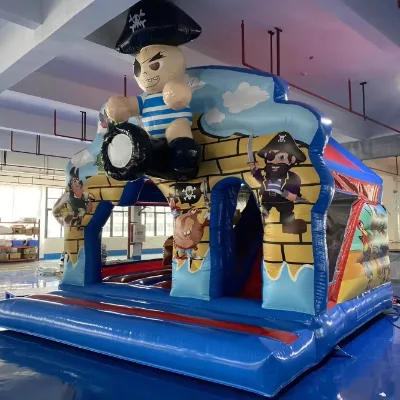

Commercial Bouncer Inflatable Commercial Bouncy Castles Princess Bounce House with Slide
$2080.00 - $2380.00
MOQ: 1 Pieces


Colorful Inflatable Bouncer Combo Slide Inflatable Bounce House with Slide
$1456.00 - $8000.00
MOQ: 1 Pieces


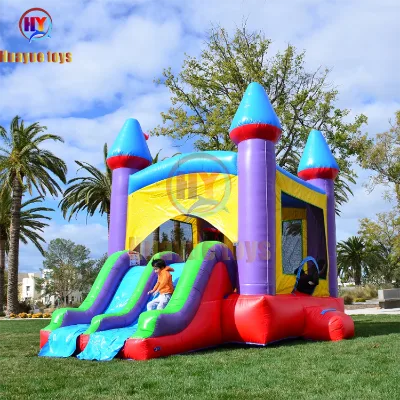
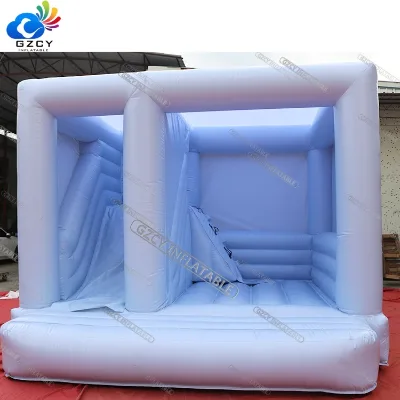
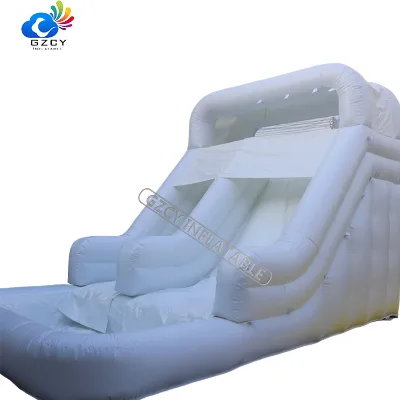


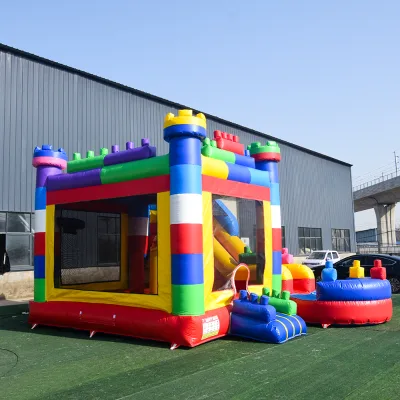


Outdoor Commercial Inflatable Bouncy Castle Bounce House with Slide for Kids
$300.00 - $700.00
MOQ: 1 Pieces


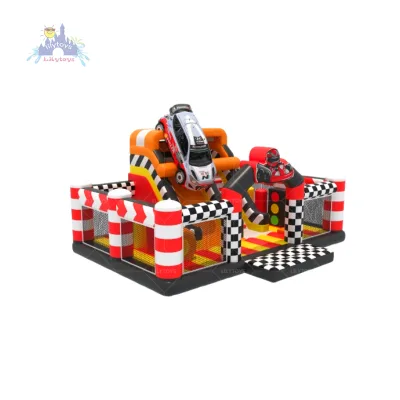
Commercial Outdoor Indoor Kids Jumper Bouncy Jumping House Bounce House with Slide
$459.00 - $899.00
MOQ: 1 Pieces
Comprehensive Sourcing Guide
Strategic Sourcing Guide for Commercial Outdoor Inflatable Bounce Houses with Slide
The Commercial Outdoor Inflatable Bounce House with Slide represents a significant capital investment for event organizers, amusement park operators, and community centers. Sourcing this equipment requires a disciplined approach that balances safety compliance, material durability, and operational versatility. The market offers a diverse array of configurations, ranging from compact playhouses to large-scale structures designed for high-traffic environments. Buyers must navigate a complex landscape of specifications, certifications, and customization options to ensure the selected unit meets both regulatory requirements and functional needs. This guide outlines the critical factors for evaluating potential suppliers and products, grounded in observed industry data and technical realities.
Technical Specifications and Material Composition
The foundational element of any inflatable structure is its material composition, which dictates longevity, safety, and resistance to environmental stressors. Observed product data indicates that commercial units frequently utilize PVC (Polyvinyl Chloride) or Tarpaulin materials. These materials are selected for their robustness and ability to withstand repeated inflation cycles and outdoor exposure. A critical specification to verify is fabric thickness, which directly correlates with puncture resistance and structural integrity. Available data points to specific thicknesses such as 0.55mm and 0.45mm, though buyers should treat these as observations of specific listings rather than universal standards. Thicker fabrics generally offer enhanced durability for commercial use, but the optimal choice depends on the intended frequency of use and the specific environmental conditions of the installation site.
Dimensions and standard configurations vary significantly based on the intended application. Listings reveal a wide spectrum of sizes, with standard models ranging from compact units measuring approximately 3.5 meters in width to expansive structures reaching up to 9 meters in length and 4.8 meters in height. Specific model examples include dimensions like 5.544 meters (181313 feet) and 844 meters (26.71313 feet). When sourcing, buyers must ensure that the chosen dimensions align with the available space at the venue, accounting for necessary safety perimeters. The inclusion of a slide is a defining feature of the "bounce house with slide" category, often integrated into the main structure to create a continuous flow of activity. The slide component must be evaluated for its angle, length, and surface texture to ensure it provides a safe and enjoyable experience for the target age group.
Compliance and Certification Verification
Safety is the paramount concern in the inflatable industry, and compliance with international standards is non-negotiable for commercial operations. Buyers must rigorously verify that the equipment carries recognized certifications. Observed product attributes list certifications such as CE (Conformité Européenne), ASTM (American Society for Testing and Materials), EN (European Norm), RoHS (Restriction of Hazardous Substances), CCC (China Compulsory Certification), REACH, and GS (Geprüfte Sicherheit). The presence of these marks indicates that the product has undergone testing for electrical safety, material toxicity, and structural stability.
However, the mere listing of a certification does not guarantee that every unit in a supplier's catalog meets that standard. Buyers should request specific test reports and certificates of conformity for the exact model they intend to purchase. For instance, while some listings mention ASTM and CE, others may include UV resistance or specific environmental standards. It is essential to confirm that the certification applies to the specific fabric thickness and design of the unit. Furthermore, the "Environmental" and "Corrosion" functions noted in product attributes suggest that the materials are treated to resist degradation from sunlight and moisture, which is critical for outdoor longevity. Buyers should verify that the UV resistance claims are backed by independent testing data, as prolonged sun exposure can degrade PVC and Tarpaulin materials over time.
Cost Drivers and Pricing Dynamics
The pricing of commercial inflatable bounce houses with slides is influenced by a complex interplay of factors, including material quality, size, customization, and certification status. The observed price range in the market spans from approximately $28 to $8,000 USD. This vast disparity highlights the difference between basic recreational units and high-end commercial-grade structures. Lower-priced items often correspond to smaller dimensions, thinner fabrics, or limited customization options. Conversely, the higher end of the price spectrum typically reflects larger footprints, thicker materials (such as 0.55mm PVC), and comprehensive safety certifications.
Customization is a significant cost driver. Product attributes indicate that customization is available, including custom sizes, colors, and designs. While this allows buyers to tailor the unit to their brand or venue theme, it inevitably increases the unit cost and potentially the lead time. The Minimum Order Quantity (MOQ) also plays a role in pricing; observed data shows an MOQ range of 1 to 16 sets, with some listings specifying an MOQ of 1 set. For buyers purchasing a single unit for a specific event or a small business, a low MOQ is advantageous. However, bulk purchasing may offer economies of scale. Buyers should also consider the weight of the unit, which ranges from less than 50kg to over 300kg. Heavier units often imply higher material density and durability, which can justify a higher price point but also impact shipping costs.
Typical Applications and Target Demographics
Understanding the intended application is crucial for selecting the right inflatable unit. The market data reveals a diverse range of usage scenarios, including parks, markets, amusement parks, kindergartens, communities, and water parks. The target age groups also vary, with specific listings catering to children aged 5-7 years, 8-11 years, and adults. This variation necessitates careful selection to ensure the equipment is appropriate for the intended users. For example, a unit designed for adults may have different safety features and load-bearing capacities compared to a playhouse for young children.
The "Water Park" usage category introduces specific requirements, such as water resistance and the presence or absence of a pool. Some units are designed with a pool, while others are "Without Pool," which affects the setup requirements and safety protocols. The "Outdoor Slide" attribute confirms that these units are built for exterior use, requiring weather-resistant materials and secure anchoring systems. Buyers must assess the specific environment where the unit will be deployed. A unit intended for a community park may require different durability features compared to one used in a temporary market setting. The style of the unit, such as a "Playhouse" or a more elaborate structure, also influences its suitability for different venues.
Supplier Evaluation and Operational Logistics
Evaluating a supplier requires a focus on their ability to deliver consistent quality and support. Key attributes to verify include the shipping method, packaging, and origin. Most commercial inflatables are shipped by sea due to their size and weight, though air and express shipping options are available for smaller or urgent orders. The packaging is equally important; observed data mentions "Strong PVC Tarpaulin Bag," "Carton," and "PVC Carry Bag." Proper packaging ensures the unit arrives without damage and is easy to transport to the site.
The origin of the product is another critical factor. Many listings indicate a Chinese origin, which is a major manufacturing hub for inflatable products. Buyers should verify the supplier's track record in exporting to their specific region and their understanding of local safety regulations. The inclusion of a blower is a standard feature, but buyers should confirm the blower's power, noise level, and compatibility with local electrical standards. Additionally, the "Function" attributes, such as environmental and corrosion resistance, should be validated through supplier documentation. A reliable supplier will provide detailed installation manuals and maintenance guides to ensure the unit is set up correctly and maintained for maximum lifespan.
Quality Control and Long-Term Procurement Considerations
Long-term procurement success depends on rigorous quality control and a clear understanding of maintenance requirements. Buyers should implement a pre-shipment inspection protocol to verify that the fabric thickness, stitching, and welding meet the agreed specifications. The weight of the unit, ranging from 250-300kg for larger models to under 50kg for smaller ones, serves as a proxy for material density and should be checked against the supplier's specifications. Any deviation could indicate substandard materials or construction shortcuts.
Maintenance is a critical aspect of long-term ownership. The "Environmental" function suggests that the materials are treated to resist UV degradation and corrosion, but regular cleaning and storage are still necessary. The "Strong PVC Tarpaulin Bag" or "Carton" packaging should be used for storage to protect the unit from dust and moisture when not in use. Buyers should also consider the repairability of the unit. High-quality PVC and Tarpaulin materials can be patched, but the availability of repair kits and the ease of finding replacement parts should be verified. Finally, buyers should establish a clear warranty policy with the supplier, covering defects in materials and workmanship, to mitigate the risks associated with long-term use in commercial settings.
Comparative Analysis of Key Product Attributes
To facilitate decision-making, the following table summarizes key attributes observed in the market for commercial outdoor inflatable bounce houses with slides. This comparison highlights the variability in specifications and helps buyers identify the features most relevant to their specific needs.
| Attribute Category | Observed Range / Options | Critical Verification Point |
|---|---|---|
| Material | PVC, Tarpaulin, Nylon | Verify fabric thickness (e.g., 0.45mm vs 0.55mm) for durability. |
| Certifications | CE, ASTM, EN, RoHS, CCC, REACH, GS, UV | Request specific test reports for the exact model and material. |
| Dimensions | 3.5m to 9m (Length/Width/Height) | Ensure dimensions fit the venue with adequate safety clearance. |
| Age Group | 5-7 Years, 8-11 Years, Adults | Match unit design and load capacity to the target demographic. |
| Usage Type | Park, Market, Amusement Park, Water Park | Confirm suitability for specific environment (e.g., water resistance). |
| Weight | <50kg to 300kg | Correlate weight with material density and shipping logistics. |
| Customization | Size, Color, Design, Standard Sizes | Assess cost and lead time implications of custom orders. |
| Packaging | PVC Tarpaulin Bag, Carton, Carry Bag | Verify packaging integrity for transport and storage. |
| Blower | Included | Check power specifications and compatibility with local grids. |
By adhering to these guidelines and focusing on verified data points, buyers can navigate the complex market for commercial outdoor inflatable bounce houses with slides. The goal is to secure a product that not only meets immediate operational needs but also ensures long-term safety and reliability for all users.
FAQs
What certifications are available for Commercial Outdoor Inflatable Bounce House with Slide?
Available certifications include CE, ASTM, EN, RoHS, CCC, REACH, and GS. Buyers must verify that these marks apply to the specific model and fabric thickness, as listings may vary. Requesting specific test reports ensures compliance with safety standards for the intended use.
How can I customize the size and design of the unit?
Customization is available for size, color, and design to match venue themes. This option allows buyers to tailor the structure to specific requirements, though it may increase costs and lead times. Confirming custom dimensions against venue space is essential before ordering.
Which material thickness ensures durability for commercial use?
Observed fabric thicknesses range from 0.45mm to 0.55mm for PVC and Tarpaulin materials. Thicker fabrics generally offer better puncture resistance and structural integrity for high-traffic environments. Buyers should select thickness based on the frequency of use and environmental conditions.
Can the unit be used in water parks or outdoor markets?
Yes, units are designed for various usages including water parks, parks, markets, and amusement parks. Some models are specified without a pool, while others are built for water environments. Verify the specific function attributes to ensure suitability for the intended location.
What is the typical weight range for these inflatable structures?
Weights vary significantly, ranging from less than 50kg to over 300kg depending on size and material density. Heavier units often imply higher durability but impact shipping logistics. Check the specific weight for the chosen model to plan transport and anchoring requirements accurately.
How do I determine the minimum order quantity for purchase?
The minimum order quantity ranges from 1 set to 16 sets depending on the supplier. Some listings specify an MOQ of just one set, which is ideal for single-unit purchases. Buyers should confirm the specific MOQ with the supplier before finalizing the order.