Source ISOCE Certified Prosthetics Components for Joints, Amputees, Deformities
Compare 22 listings of ISOCE Certified Prosthetics Components suitable for joints, lower limb amputees, and correcting deformities. Buyers can review specifications, certifications, and customization options to find the right fit for their needs.
Key considerations
Products List


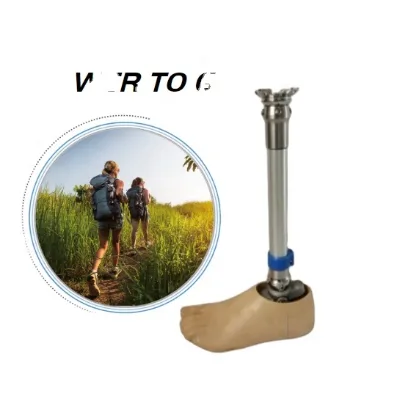
Prosthetic Components for Prosthesis Leg
$500.00 - $900.00
MOQ: 1 Sets
Shijiazhuang Wonderfu Rehabilitation Device Technology Co., Ltd.


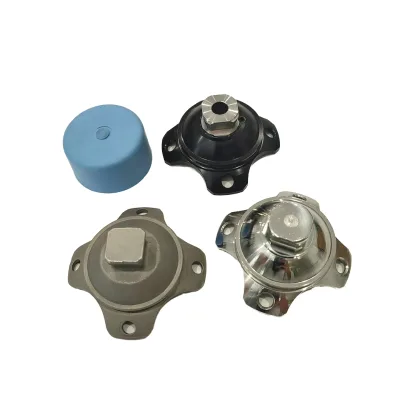
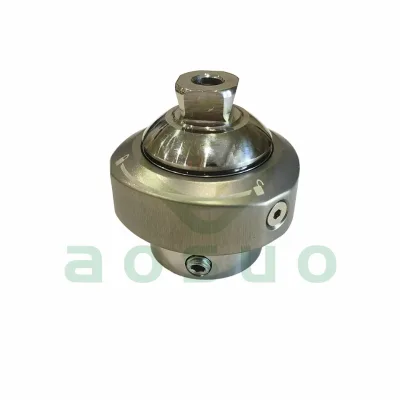
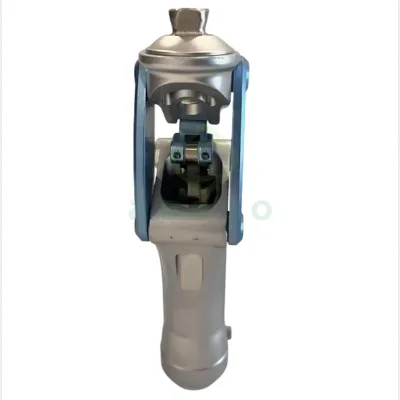
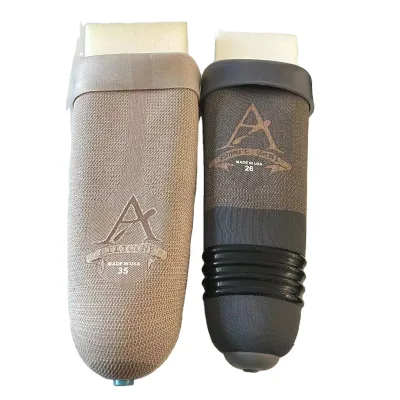
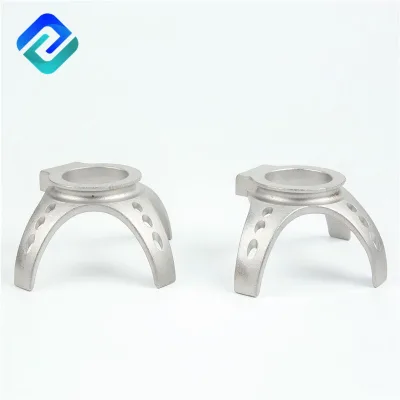
High Quality Stainless Steel Oem Medical Prosthetic Investment Casting Parts.
$5.50 - $5.80
MOQ: 1000 pieces



Comprehensive Sourcing Guide
Strategic Sourcing Guide for ISO-Certified Prosthetics Components
Procuring medical devices and prosthetics components requires a rigorous approach that balances clinical efficacy with supply chain reliability. For buyers searching for "ISO certified prosthetics components," the primary objective is to identify suppliers who can consistently deliver products that meet international safety and quality standards while adhering to specific technical requirements for patient use. The market offers a diverse array of items, ranging from plaster bandages to complex structural components like prosthetic sockets and limb attachments. This guide outlines the essential factors for evaluating suppliers, verifying certifications, and ensuring that the selected components align with the specific needs of low-limb amputees and other patient demographics.
Technical Specifications and Material Integrity
The foundation of any successful procurement strategy lies in a precise understanding of the technical specifications required for the intended application. Prosthetics components are not generic hardware; they are engineered to withstand specific physical loads and environmental conditions. When evaluating potential products, buyers must scrutinize the material composition, as this directly influences durability, weight, and biocompatibility.
Available data indicates that components are manufactured from high-grade materials such as stainless steel and aluminium. Stainless steel is often selected for its superior strength and corrosion resistance, making it suitable for load-bearing joints and structural frameworks. Conversely, aluminium offers a favorable strength-to-weight ratio, which is critical for reducing the energy expenditure required by the user during ambulation. The weight of the component itself is a significant variable; observed specifications range from lightweight units weighing 0.1 kg to heavier assemblies reaching 3 kg. Buyers must match these weights against the patient's mobility requirements and the specific prosthetic design.
Furthermore, the physical dimensions and standard specifications are non-negotiable. Products are often defined by strict dimensional standards, such as 4.04.06.5 cm or 556.5 cm for smaller components, and larger assemblies like 302015 cm. These measurements must align with the anatomical dimensions of the residual limb and the overall prosthetic system. The "Standard" attribute also encompasses weight limitations for the user; for instance, certain components are rated for body weights up to 100 kg or 110 kg, while others support up to 120 kg. Selecting a component with an inadequate weight limit can lead to structural failure, posing a severe safety risk to the user.
Compliance Verification and Certification Standards
The term "ISO certified" in the context of prosthetics implies adherence to International Organization for Standardization (ISO) protocols, which are often integrated with other critical regulatory marks. In the procurement landscape, the presence of CE (Conformité Européenne) and ISO certifications is a baseline requirement for market access in many regions. However, buyers must look beyond the mere presence of these logos on a product listing.
The provided data highlights a tiered certification landscape. Some products list CE and ISO as standard attributes, while others include the FDA (Food and Drug Administration) certification alongside CE and ISO. The inclusion of FDA certification suggests that the product meets specific United States regulatory requirements for medical devices, which often entails more rigorous clinical evaluation and quality management system audits than CE marking alone. Buyers should verify that the certification applies to the specific model number being purchased, as certifications are often model-specific rather than company-wide.
It is crucial to distinguish between "Certification" and "Certificate." While some listings mention "CE, ISO" under certification attributes, others specify "CE ISO FDA" under certificate attributes. This distinction may indicate different levels of regulatory clearance or specific documentation available for the product. Procurement teams must request valid, current copies of these certificates from the supplier. The verification process should include checking the certificate number against the issuing body's database to ensure authenticity and that the certification has not expired. Relying on a supplier's claim without independent verification introduces significant compliance risk.
Cost Drivers and Economic Considerations
Understanding the cost structure of prosthetics components is essential for budgeting and negotiating effective contracts. The price range for these components is vast, observed from as low as $0.10 to as high as $1,900. This wide variance is driven by several key factors, including material costs, manufacturing complexity, certification levels, and customization requirements.
Basic components, such as simple plaster bandages or standard fittings, tend to fall at the lower end of the price spectrum. These items often have lower material costs and less complex manufacturing processes. In contrast, high-performance components made from specialized alloys, featuring custom engineering, or carrying multiple certifications (such as FDA) command premium prices. The "Customization" attribute is a major cost driver; products that can be tailored to specific patient needs, such as custom molds or adjusted dimensions, incur higher production costs compared to off-the-shelf, non-customized items.
Minimum Order Quantity (MOQ) also plays a pivotal role in the total cost of ownership. The observed MOQ ranges from 1 set to 1,000 units. For small clinics or individual practitioners, suppliers offering an MOQ of 1 set or 5 pieces are essential for maintaining inventory flexibility without excessive capital tie-up. However, larger orders often unlock volume discounts, reducing the unit price significantly. Buyers must balance the need for immediate inventory against the economies of scale offered by bulk purchasing. Additionally, packaging requirements, such as "Carton with Waterproof Film" or "Polybag and Safe Carton Box," add to the logistical costs and must be factored into the total landed cost calculation.
Typical Applications and Usage Environments
Prosthetics components are designed for specific clinical applications and environmental conditions. A thorough understanding of the intended use case is necessary to ensure the selected component performs reliably in the patient's daily life. The data indicates that these components are primarily used for correcting deformities and serving as prosthetic sockets for low-limb amputees. The indications often include lower limb antenatal or congenital deletions, requiring components that can accommodate developmental anomalies or surgical outcomes.
The "Using Ambient" attribute provides critical insight into the durability of the component. Some products are rated for "Indoor, Outdoor" use, suggesting they are robust enough to withstand varying weather conditions, temperature fluctuations, and exposure to moisture. This is particularly important for patients who lead active lifestyles. Conversely, components rated only for specific environments may degrade prematurely if used outside their designated scope. The "Using Site" attribute further refines the application, specifying that components are designed for use at the "Joint," implying they are integral to the articulation and movement of the prosthetic limb.
Specific features also dictate application suitability. For example, components with "Safe Underwater Activities" features are engineered to resist water ingress and corrosion, making them suitable for aquatic therapy or recreational swimming. The "Tilted" and "Folded" attributes (Non-Tilted, Non-Folding) indicate the mechanical stability of the component; rigid, non-folding designs are typically preferred for structural integrity in load-bearing applications, while folding mechanisms might be reserved for transport or specific therapeutic adjustments.
Supplier Evaluation and Capacity Assessment
Selecting the right supplier is as important as selecting the right product. Buyers must evaluate suppliers based on their production capacity, delivery capabilities, and service responsiveness. The data reveals that suppliers have varying production capacities, with some capable of delivering 600 sets per month. This capacity metric is vital for ensuring that the supplier can meet demand spikes without causing delays in patient care.
Lead times and delivery methods are equally critical. Suppliers offering a range of delivery options, including FedEx, DHL, UPS, Air, and Sea freight, provide flexibility in managing urgency and cost. Fast delivery methods like Air or courier services are essential for emergency replacements or urgent clinical needs, while Sea freight is more economical for large, non-urgent stock replenishment. The "Service" attribute, such as "You Can Find Us Any Time," suggests a commitment to customer support, which is crucial for troubleshooting technical issues or addressing post-delivery concerns.
When evaluating suppliers, buyers should also consider the "Condition" of the products. All observed products are listed as "New," which is the standard expectation for medical devices. However, verifying the supply chain integrity to ensure that "New" products have not been refurbished or stored in suboptimal conditions is a necessary due diligence step. Additionally, the "Customized" attribute indicates whether a supplier offers bespoke solutions. Suppliers marked as "Customized" can adapt products to specific patient needs, whereas "Non-Customized" suppliers offer standard inventory.
Quality Control and Long-Term Procurement
Quality control (QC) is the final gatekeeper in the procurement process. Even with certifications and high specifications, the actual product quality must be verified. Buyers should implement a robust QC protocol that includes inspecting packaging integrity, verifying dimensional accuracy, and checking for material defects upon receipt. The "prod_packing" standards, such as "Carton" or "Polybag and Safe Carton Box," should be inspected to ensure the product arrives undamaged.
Long-term procurement considerations involve establishing a relationship with suppliers who can provide consistent quality over time. The "Guarantee" period, observed as 12 months in some listings, is a key indicator of supplier confidence in their product. However, buyers should clarify the terms of this guarantee, including what constitutes a defect and the process for claims. For long-term contracts, buyers should negotiate service level agreements (SLAs) that cover delivery times, quality assurance, and after-sales support.
The "Standard" attribute, such as "Can Do Custom Work," suggests a supplier's ability to adapt to evolving clinical needs. As medical technology advances, the ability to source components that can be modified or upgraded becomes increasingly valuable. Buyers should prioritize suppliers who demonstrate a commitment to continuous improvement and compliance with evolving international standards.
Comparison of Component Attributes
To facilitate decision-making, the following table summarizes key attributes observed in the market for ISO-certified prosthetics components:
| Attribute Category | Specific Observations | Procurement Implication |
|---|---|---|
| Certifications | CE, ISO, FDA (varies by model) | Verify specific model certification; FDA adds US market compliance. |
| Materials | Stainless Steel, Aluminium | Match material to load requirements and weight constraints. |
| Weight Limits | Up to 100kg, 110kg, 120kg | Critical for safety; select based on patient body weight. |
| Customization | Available, Non-Customized | Custom options increase cost but improve patient fit. |
| MOQ | 1 Set to 1,000 Units | Balance inventory needs with cash flow; low MOQ for clinics. |
| Usage Site | Joint, Prosthetic Socket | Ensure component matches the anatomical location. |
| Environment | Indoor, Outdoor, Underwater | Select based on patient lifestyle and activity level. |
| Dimensions | 4.04.06.5cm to 302015cm | Verify against prosthetic design specifications. |
Conclusion
Sourcing ISO-certified prosthetics components is a multifaceted process that demands attention to detail, technical knowledge, and strategic supplier evaluation. By carefully analyzing technical specifications, verifying certifications, understanding cost drivers, and assessing supplier capabilities, buyers can secure high-quality components that meet the rigorous demands of medical applications. The diversity of available products, from simple bandages to complex structural elements, offers flexibility but requires a disciplined approach to selection. Ultimately, the goal is to ensure that every component procured contributes to the safety, comfort, and mobility of the patient, supported by a reliable and compliant supply chain.
FAQs
What certifications do ISOCE Certified Prosthetics Components have?
Products typically hold CE and ISO certifications, with some models also featuring FDA approval. Buyers must verify that the specific certificate applies to the exact model number to ensure regulatory compliance for their target market.
How much do ISOCE Certified Prosthetics Components cost?
Prices range widely from 0.10 to 1900 USD depending on material and complexity. Basic items like plaster bandages cost less, while custom-engineered parts made of stainless steel or aluminum command higher prices due to specialized manufacturing.
Which materials are used for ISOCE Certified Prosthetics Components?
Components are manufactured from high-grade stainless steel and aluminum to ensure durability and strength. Stainless steel offers superior corrosion resistance for load-bearing parts, while aluminum provides a favorable strength-to-weight ratio for user mobility.
Can ISOCE Certified Prosthetics Components be customized for patients?
Customization is available for specific models to meet unique patient needs, while other items are sold as non-customized standard units. Buyers should check the product attributes to confirm if bespoke molding or dimensional adjustments are supported by the supplier.
What is the minimum order quantity for ISOCE Certified Prosthetics Components?
Minimum order quantities vary significantly, ranging from 1 set to 1000 pieces depending on the supplier and product type. Small clinics can often source single units, whereas bulk purchasing may unlock volume discounts for larger orders.
How long is the delivery lead time for these components?
Suppliers offer various delivery methods including FedEx, DHL, UPS, air, and sea freight to accommodate different urgency levels. Production capacity can reach 600 sets per month, but specific lead times depend on the chosen shipping method and order volume.
Where are ISOCE Certified Prosthetics Components manufactured?
The primary origin for these components is China, where manufacturers produce items ranging from plaster bandages to structural sockets. Buyers should verify the specific product origin to ensure alignment with their regional import regulations and quality expectations.