Source Japandi Maple Ring Box for Jewelry, Gifts, and Storage
Compare 30 Japandi Maple Ring Box options featuring walnut wood, plastic, and cardboard materials. These boxes support logo printing and come in various sizes and shapes for jewelry, gifts, and storage needs; compare the available evidence and request quotations based on your requirements.
Updated
Key considerations
Products List


New Morandi Jewelry Box Fashion Ring Necklace Earring Box Classic Plaid Box Wholesale
$3.69 - $4.89
MOQ: 500 Pieces

Cross-Border Hot Sale Rose Flower Jewelry Box Ring Pendant Jewelry Box Jautomatic Open
$2.86 - $3.15
MOQ: 20 Pieces

Pattern Carved Octagonal Jewelry Box Ring Pendant Box Necklace Storage Box
$1.25 - $1.48
MOQ: 50 Pieces

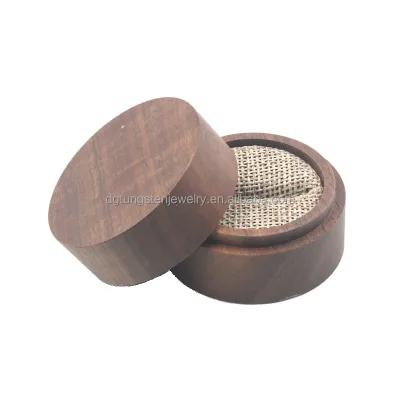
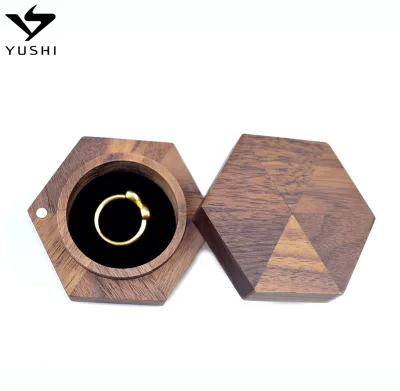
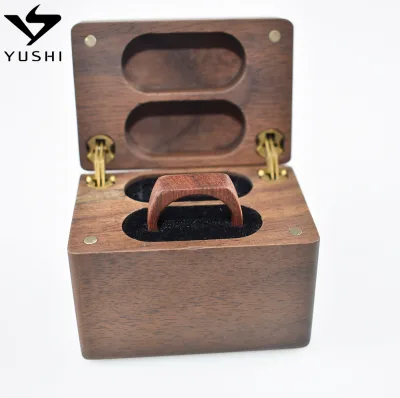
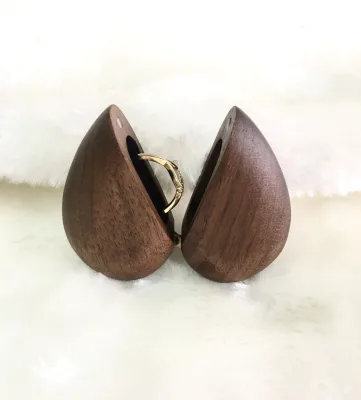
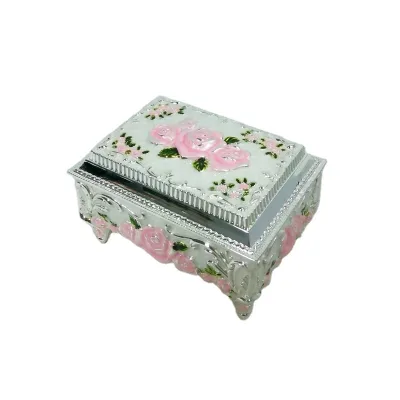

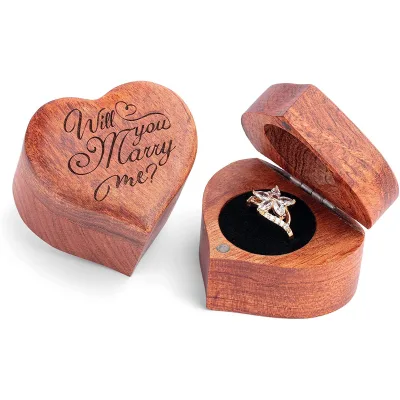
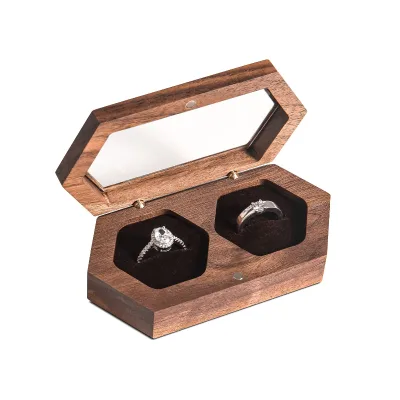
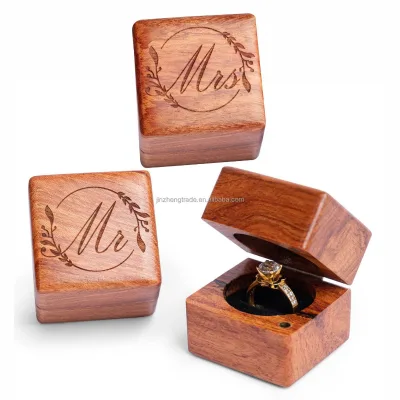
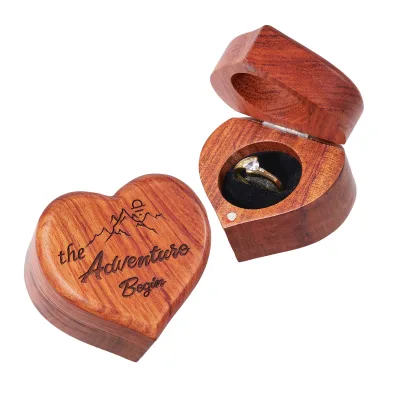
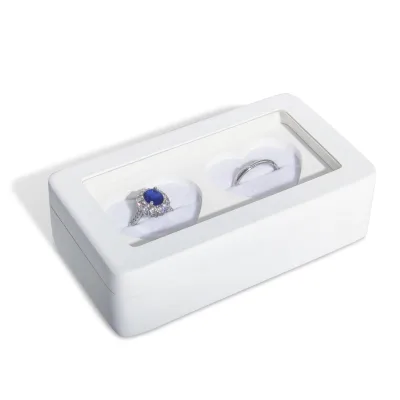
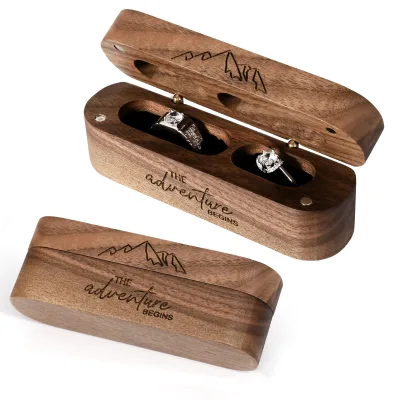


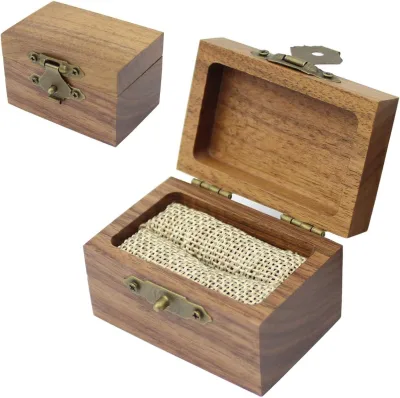
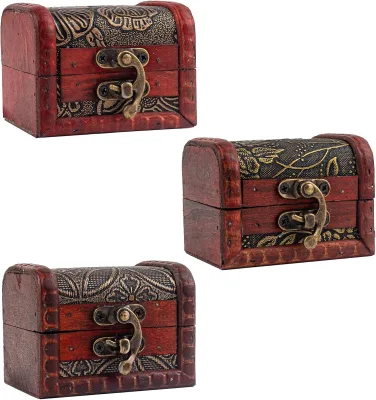
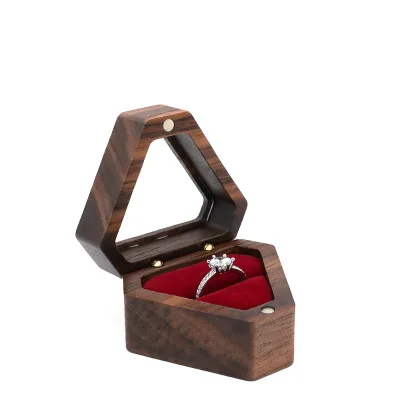


Custom Logo Black Walnut Wood Craft Boxes Wholesale Wooden Jewelry Ring Box
$2.30 - $2.50
MOQ: 1500 Pieces

Wood Jewelry Plain Pine Box Unfinished Unpainted Wooden Box with Hinged Lid
$2.58 - $3.25
MOQ: 500 Pieces
Comprehensive Sourcing Guide
Japandi Maple Ring Box Sourcing Guide
The term "Japandi Maple Ring Box" suggests a specific aesthetic blending Japanese minimalism with Scandinavian functionality, often utilizing natural wood tones. However, the supplied product facts do not confirm the availability of maple wood or a japandi design language in the current inventory. Buyers must verify if the observed walnut or bamboo options can be customized to meet this specific visual requirement, as the listed materials include plastic, cardboard, and walnut wood rather than maple.
Procurement teams should treat the "japandi" descriptor as a design intent rather than a guaranteed product attribute in the current dataset. Since the observed listings feature styles described as "Luxury" or "Simple" with colors like red, pink, and brown, the buyer must explicitly request samples to confirm if a natural wood finish resembling maple is achievable. Relying on the keyword alone without verifying the actual material composition could lead to receiving products that do not align with the intended interior design or brand identity.
Product Scope and Observed Listing Signals
The current market signals indicate a diverse range of ring boxes, including models like MY-JB-200A34 and MY-JB-221, which vary significantly in shape and size. While some listings specify a "Rectangle" or "Square" shape, others offer "Heart" shapes, and the observed sizes range from small dimensions like 7x7x4.3cm to larger formats. This variability suggests that a specific "japandi" style is not a standard SKU but rather a customization request that requires careful selection from the available inventory.
Buyers should note that the observed product types include "Jewelry Set Box" and "Ring Box," with usage spanning packing, storage, collection, and gifting. The materials listed are predominantly plastic, cardboard, and walnut wood, with some options featuring offset printing or logo customization. To find a maple-style box, the buyer must investigate if the walnut wood option can be sourced or if the cardboard boxes can be finished to mimic the desired light wood grain, as the direct supply of maple is not explicitly confirmed in the provided facts.
Technical Specifications to Verify
Dimensional accuracy is critical when sourcing specialized packaging, as the observed standards include specific measurements like 8.3x8.3x4.5cm and 22x4.5cm. Buyers must verify that the selected ring box dimensions accommodate the specific jewelry items intended for display, ensuring the internal volume matches the product requirements. The observed size range from 6cm to 22cm indicates that a one-size-fits-all approach is unlikely, and precise specifications must be confirmed before placing an order.
Material composition and surface handling are equally important technical factors to validate. The supplied facts mention materials such as 1000g cardboard, kraft paper, and walnut wood, with surface handling options including offset printing. For a japandi aesthetic, the buyer must verify the texture and finish of the wood or cardboard to ensure it meets the minimalist and natural look required. Additionally, the availability of logo printing on the outside and inside should be confirmed to maintain brand consistency without compromising the clean design lines.
Compliance and Safety Documentation
While the supplied context mentions FSC certification as a low-confidence background fact, buyers cannot assume this status applies to the specific walnut or cardboard products without verification. It is essential to request current compliance documentation to ensure that any wood materials used, such as the observed walnut, meet international safety and environmental standards. Without explicit confirmation, the buyer should treat the certification status as unverified and require the supplier to provide valid certificates before finalizing the procurement.
Safety regarding the materials used in the box construction is another vital area for verification. The observed materials include plastic and various paper types, which may have different chemical safety profiles depending on the manufacturing process. Buyers should ensure that the products are free from harmful substances, particularly if the boxes are intended for gifting or direct contact with jewelry. Requesting material safety data sheets or compliance reports will help mitigate risks associated with non-compliant materials in the supply chain.
Cost Drivers and Commercial Terms
The observed price range of 0.41 to 18 USD suggests significant cost variability based on material, size, and customization level. Buyers should anticipate that a custom japandi-style box using natural wood or high-quality finishes will likely fall toward the higher end of this spectrum. The cost drivers include the choice between plastic, cardboard, and wood, as well as the complexity of the surface handling and printing requirements, which can substantially impact the final unit price.
Minimum Order Quantities (MOQ) observed in the market range from 20 to 5000 units, which presents a strategic decision point for buyers. Smaller orders may incur higher per-unit costs, while larger volumes could offer better pricing but require significant capital commitment. Buyers must align their order volume with their inventory needs and cash flow, considering that customization options like logo printing or specific wood finishes might have different MOQ thresholds than standard stock items.
Supplier Qualification and Quality Control
Supplier qualification should focus on their ability to deliver consistent quality across different materials, particularly when mixing wood and paper elements. The observed products originate from Guangdong, China, and include various models with different standard sizes. Buyers must assess the supplier's capacity to maintain the structural integrity of the box, ensuring that the "Standard Export Carton" packaging protects the items during transit without damage.
Quality control processes must be rigorous, especially when dealing with natural materials like walnut wood which can vary in grain and color. Buyers should implement a sampling protocol to verify that the finished product matches the approved design and material specifications. Given the observed customization options, it is crucial to establish clear acceptance criteria for color, finish, and dimensions to ensure that the final delivery meets the aesthetic and functional requirements of the japandi style.
Long-Term Procurement Checks
Sustaining a supply chain for specialized items like japandi maple ring boxes requires regular performance reviews and quality audits. Buyers should monitor the supplier's ability to maintain consistent material quality over time, as natural wood and paper products can be subject to seasonal variations. Establishing a long-term relationship with a supplier who understands the specific aesthetic requirements will help ensure that the product quality remains stable across multiple production runs.
Continuous improvement in the procurement process involves tracking lead times and delivery reliability, as the observed lead times and production schedules can vary. Buyers should maintain open communication channels to address any potential issues with customization or material availability proactively. By regularly reviewing supplier performance against the established standards and specifications, buyers can ensure a reliable supply of high-quality ring boxes that meet their evolving market demands.
FAQs
What materials are used for these ring boxes?
The ring boxes are crafted from plastic, walnut wood, and cardboard with kraft paper. Some models feature an exterior wood finish, while others utilize 1000g cardboard combined with kraft paper for durability. These materials ensure sturdy protection for jewelry items while offering a premium aesthetic suitable for luxury packaging needs.
Can I customize the logo on the ring boxes?
Yes, customization is available for both the outside and inside of the boxes. You can choose from offset printing or logo printing options to brand your packaging. This allows you to add your company name or design elements, ensuring the packaging aligns perfectly with your brand identity and marketing strategy.
What are the standard sizes for these ring boxes?
Standard sizes range from small to medium dimensions, such as 7x7x4.3cm, 8.3x8.3x4.5cm, and 9.5x9.5x6.2cm. Specific models also include sizes like 8x8x6cm and 22x4.5cm. These varied dimensions accommodate different jewelry types, ensuring a secure fit for rings, necklaces, or other small accessories.
Where are these ring boxes manufactured?
These ring boxes are manufactured in Guangdong, China. The production facilities adhere to standard export packaging practices to ensure safe transit. Sourcing from this region provides access to established supply chains and competitive manufacturing capabilities for high-quality jewelry packaging solutions.
What styles are available for these ring boxes?
Available styles include luxury, simple, and clamshell designs. Shapes range from rectangles and squares to hearts, catering to diverse aesthetic preferences. These styles are suitable for various uses, including gift packaging, storage, and collection, allowing you to select the perfect look for your specific product line.
What is the minimum order quantity for these boxes?
The minimum order quantity ranges from 20 to 5000 units, depending on the specific model and customization requirements. This flexible MOQ allows businesses of various sizes to place orders that suit their inventory needs, whether for small batches or large-scale distribution.