Source Japandi On-glazed Sushi Plate for Restaurants, Catering, and Events
Compare 30 Japandi On-glazed Sushi Plate options from verified Chinese suppliers. Buyers can evaluate materials like ceramic and melamine, customization features, and pricing to find the right serving trays for restaurants, catering services, and events; compare the available evidence and request quotations based on your requirements.
Key considerations
Products List


White Porcelain Plates Sushi Plates Kuai Plates White Rectangular Plates
$1.65 - $3.30
MOQ: 100 Pieces


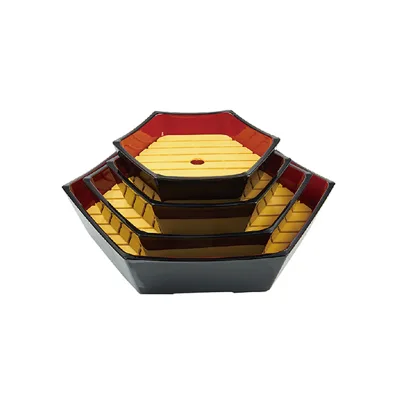
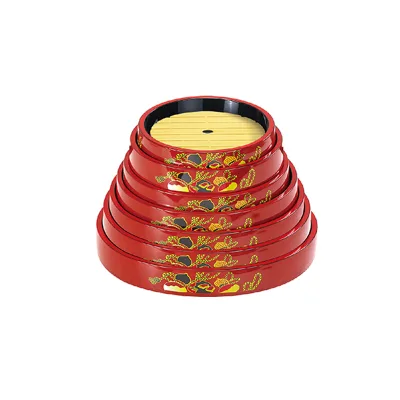
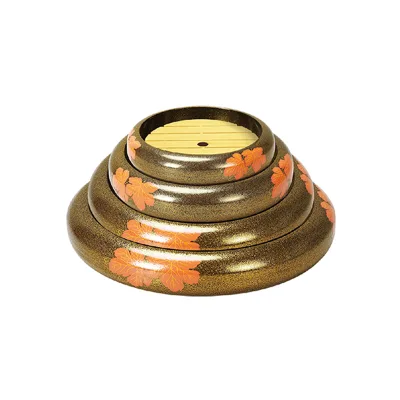


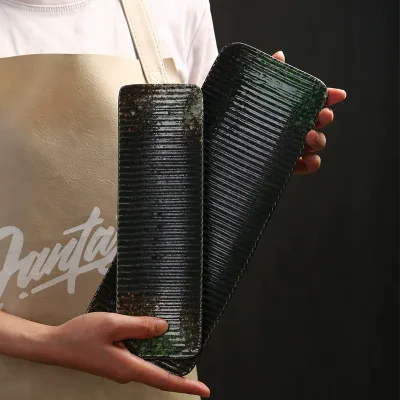


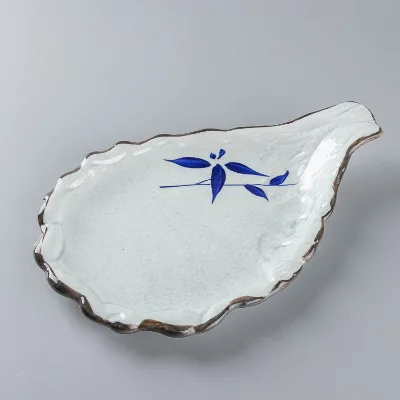
Japanese Style Japanese Style Sushi Plates with Irregular Oval Flat Design
$0.99 - $3.99
MOQ: 100 Pieces


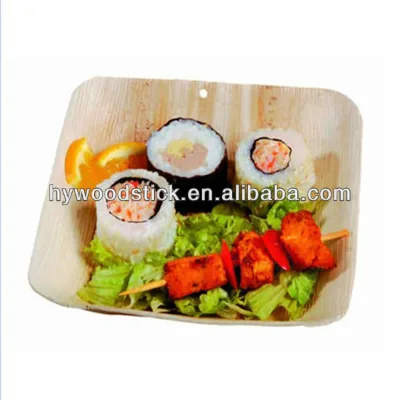


Custom Size Natural Wooden Sushi Serving Tray Plates Single-Use Boat-Display Boat
$0.01 - $0.03
MOQ: 200000 Pieces

Comprehensive Sourcing Guide
Japandi On-glazed Sushi Plate Sourcing Guide
Sourcing glazed sushi plates in the Japandi aesthetic requires balancing minimalist Scandinavian functionality with Japanese rustic warmth. This style emphasizes natural textures, muted earth tones, and clean geometric lines, often utilizing materials like ceramic, porcelain, or melamine to achieve a lightweight yet durable finish. Buyers must distinguish between true glazed ceramics, which offer premium heat retention and a glossy, non-porous surface, and melamine alternatives that provide shatter resistance for high-volume hospitality settings. The visual appeal of Japandi design relies heavily on the quality of the glaze application, ensuring it is smooth, consistent, and free of pinholes that could harbor bacteria or detract from the elegant presentation.
Procurement teams should prioritize suppliers who demonstrate expertise in both traditional glazing techniques and modern manufacturing efficiency. The observed market includes models ranging from standard round dishes to specialized hexagonal serving trays, indicating a diverse inventory that can support varied menu presentations. It is critical to verify whether the "glazed" description applies to the entire piece or only the interior surface, as exterior finishes may differ to enhance grip or aesthetic contrast. Understanding the specific material composition is essential, as ceramic and porcelain require different handling during shipping and storage compared to plastic-based options, directly impacting logistics costs and breakage rates during transit.
Product Scope and Observed Listing Signals
The current market landscape for Japandi-style sushi ware reveals a wide spectrum of product configurations, with observed listings featuring models such as RYS0004587, RY0708, and CS-13808-06. These identifiers suggest a fragmented supply chain where multiple manufacturers offer similar aesthetic profiles under distinct internal SKUs. Buyers will encounter variations in standard sizes, including 10-inch, 12-inch, 14-inch, and 16-inch diameters, as well as specific metric dimensions like 20.512cm and 30.813.4*3.7cm for rectangular or tray formats. This diversity allows for flexible menu planning but necessitates rigorous specification matching to ensure consistency across large orders, particularly when mixing different plate types for a cohesive table setting.
Material composition varies significantly across the observed data, with ceramic, porcelain, and melamine all present in the supply base. While ceramic and porcelain align with traditional high-end dining expectations, melamine options like the A5 melamine standard offer cost-effective durability for casual or outdoor service. The presence of "Non-Disposable" attributes indicates a focus on reusable, long-life inventory, which is crucial for sustainability goals. Additionally, the availability of customization options, including logo acceptance and OEM branding, suggests that many suppliers are equipped to produce private-label goods. Buyers must carefully cross-reference material claims with intended use cases, as melamine has different thermal and chemical resistance properties compared to fired ceramics.
Technical Specifications to Verify
Verifying dimensional accuracy is paramount when sourcing Japandi sushi plates, as slight deviations can disrupt the minimalist aesthetic and functional stacking capabilities. Buyers should request detailed technical drawings for key models, such as the CT-YA91 with its 15011523mm profile or the PL168 at 1458050mm, to ensure they meet specific tableware requirements. The observed standards include precise measurements like 27.5131cm and 31141.5cm, highlighting the importance of verifying thickness and rim height, which affect both visual balance and practical usability. Confirming these dimensions against physical samples is essential, as manufacturing tolerances can vary between batches, potentially leading to inconsistent presentation in high-volume service environments.
Surface finish and structural integrity are critical technical factors that influence both safety and longevity. For glazed ceramics, buyers must inspect for uniform glaze coverage, checking for cracks, chips, or uneven firing that could compromise the plate's integrity. The "Handpainted" technique noted in some listings, such as model YS-F738C, requires careful quality control to ensure artistic consistency across large quantities. Additionally, the shape of the plate, whether round or hexagonal as seen in the Hexagonal sushi Serving Tray, must be evaluated for symmetry and edge smoothness. Suppliers should provide evidence of rigorous quality checks, including drop tests for melamine and thermal shock tests for ceramics, to guarantee that the products can withstand daily commercial use without degradation.
Compliance and Safety Documentation
Food safety compliance is non-negotiable when sourcing tableware, particularly for items that come into direct contact with acidic or hot foods. The observed listings frequently cite FDA certification, which is a baseline requirement for products entering the United States market. However, buyers must verify that the certification covers the specific material composition, as melamine and ceramic glazes have different regulatory pathways. Some suppliers also list SGS or CE/EU certifications, indicating adherence to international safety standards. It is crucial to request current, valid certificates for each material type and model, ensuring that the glazes used are lead-free and cadmium-free, especially for ceramic products where heavy metal leaching can be a concern if the firing process is inadequate.
Beyond initial certification, ongoing compliance monitoring is necessary to maintain safety standards throughout the supply chain. Buyers should inquire about the supplier's quality management systems and whether they conduct regular internal testing for food contact materials. The "Eco-Friendly" attribute mentioned in some listings suggests a focus on sustainable manufacturing practices, but this claim should be substantiated with verifiable data on production processes or material sourcing. Additionally, understanding the packaging standards, such as the "Standard Export Carton" or "Inner Box + Master Box" configurations, is important for protecting the products during transit and preventing damage that could compromise their safety and usability.
Cost Drivers and Commercial Terms
Pricing for Japandi-style sushi plates is influenced by material choice, production complexity, and order volume. The observed price range of $0.01 to $9.98 USD reflects significant variation, with lower prices typically associated with melamine or high-volume ceramic production, while higher prices correspond to handcrafted or specialized ceramic designs. Buyers must consider the total cost of ownership, including shipping, tariffs, and potential breakage rates, rather than focusing solely on the unit price. The minimum order quantity (MOQ) ranges from 1 to 200,000 pieces, offering flexibility for both small boutique orders and large institutional purchases, but higher volumes often unlock better pricing tiers and more favorable commercial terms.
Commercial terms also include customization costs, lead times, and sample policies. The availability of OEM branding and logo acceptance may incur additional setup fees, which should be factored into the budget. Sample policies, such as "Freight Collect," indicate that buyers are responsible for shipping costs when evaluating product quality before committing to a large order. It is advisable to negotiate clear terms regarding payment schedules, return policies for defective goods, and responsibilities for customs clearance. Understanding these financial dynamics helps buyers make informed decisions that align with their budget constraints and risk tolerance, ensuring a smooth procurement process from initial inquiry to final delivery.
Supplier Qualification and Quality Control
Evaluating supplier capabilities is essential to ensure consistent quality and reliable delivery. Buyers should assess the manufacturer's production capacity, technological infrastructure, and experience in exporting to their target markets. Suppliers with a strong track record in producing Japandi-style ware will likely have established quality control protocols, including pre-production sample approvals and in-line inspections during manufacturing. The presence of multiple model numbers and standards in the supplier's catalog suggests a versatile production line capable of handling diverse orders, but buyers must verify that the supplier can maintain consistency across different product types and materials.
Quality control measures should extend beyond the factory floor to include final random inspections before shipment. Buyers should request detailed inspection reports that cover dimensional accuracy, surface defects, and packaging integrity. For ceramic and porcelain products, checking for firing consistency and glaze quality is critical, while for melamine, verifying structural strength and heat resistance is paramount. Establishing a clear communication channel with the supplier for addressing quality issues and implementing corrective actions is vital for long-term partnership success. Additionally, considering the supplier's location in China, buyers should be aware of logistical considerations and ensure that the supplier has experience in managing international shipping and documentation requirements.
Long-Term Procurement Checks
Sustainable sourcing practices are increasingly important for brands aiming to reduce their environmental impact. Buyers should inquire about the supplier's efforts to minimize waste during production, such as recycling ceramic scraps or using eco-friendly packaging materials. The "Eco-Friendly" attribute observed in some listings should be explored further to understand the specific initiatives undertaken by the supplier. Additionally, considering the durability and reusability of the products, buyers can assess the lifecycle impact of their tableware choices. Opting for high-quality, long-lasting items reduces the frequency of replacement and contributes to a more sustainable operation, aligning with broader corporate social responsibility goals.
Continuous relationship management with suppliers is key to adapting to changing market demands and maintaining product quality over time. Regular performance reviews, including assessments of delivery times, product consistency, and responsiveness to issues, help identify areas for improvement. Buyers should also stay informed about industry trends and regulatory changes that may affect their sourcing strategy. By fostering a collaborative partnership with suppliers, buyers can leverage their expertise to innovate and improve their product offerings. This proactive approach ensures that the procurement process remains efficient, cost-effective, and aligned with the brand's values and customer expectations in the long run.
FAQs
What materials are used for these Japandi On-glazed Sushi Plate products?
The listings include plates made from ceramic and porcelain, plus melamine and plastic options. Ceramic and porcelain pieces are non-disposable and eco-friendly, while melamine offers a lighter, break-resistant alternative for busy service. Check each product model, such as RY0708 or RYS0004587, to confirm which material applies before ordering.
Which sizes are available for Japandi On-glazed Sushi Plate models?
Available sizes span several specifications, including 10 inch, 12, 14, 16, 18, and 19 inch plates, plus measured items like 20.5 by 12 cm and 30.8 by 13.4 by 3.7 cm. Size is tied to individual model numbers, so confirm the exact standard for the model you select before confirming quantities.
Can I customize the logo on a Japandi On-glazed Sushi Plate order?
Yes, customization is available and logo printing is acceptable on these products. Many listings are marked as customized with OEM brand name options, so you can add your own branding. Discuss artwork requirements, placement, and sampling with the supplier before mass production begins.
What certifications do these sushi plate products hold?
The products carry FDA certification, with some listings also showing SGS and CE/EU certification. FDA registration supports food-contact use in regulated markets, while SGS testing adds third-party verification. Always request current certificates for the specific model number you intend to purchase, since certification can vary by listing.
How are Japandi On-glazed Sushi Plate orders packed for export?
Orders are packed in standard export cartons, and some listings specify inner box plus master box packaging. One product line notes 1000 pieces per carton. Packaging affects freight cost and breakage risk for ceramic pieces, so confirm carton dimensions, quantity per carton, and protective materials with your supplier before shipment.
What is the minimum order quantity for these sushi plates?
Minimum order quantities vary widely across the listings, with one melamine product requiring 50000 pieces, while MOQ values across the catalog range from 1 to 200000 pieces. Small trial orders may be possible on certain models. Confirm the exact MOQ for your chosen model number and customization level before requesting a quotation.
How can I get a sample of a Japandi On-glazed Sushi Plate?
Samples are available with freight collected, meaning you pay the shipping cost while the supplier may provide the sample item. Review the sample for glaze quality, handpainted technique, shape consistency, and packaging before committing to bulk. Sample lead time and cost should be confirmed directly with each supplier.
Where are these Japandi On-glazed Sushi Plate products made?
The listed products originate from China, with OEM brand name support and export carton packing for international shipments. Chinese suppliers in this category commonly serve restaurants, retailers, and importers worldwide. Verify export documentation, certification validity, and shipping terms when comparing factories for your target destination market.