Source Japanese Style Metal Gacha Machine for Amusement Parks, Malls, Theaters
Compare 30 Japanese Style Metal Gacha Machine listings from verified suppliers. Buyers can evaluate specifications like capsule capacity, dimensions, and customization options for use in amusement parks, shopping malls, and theaters; compare the available evidence and request quotations based on your requirements.
Key considerations
Products List


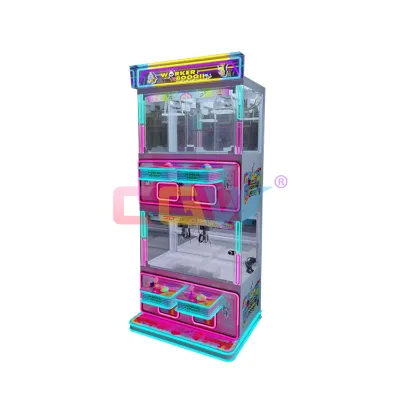


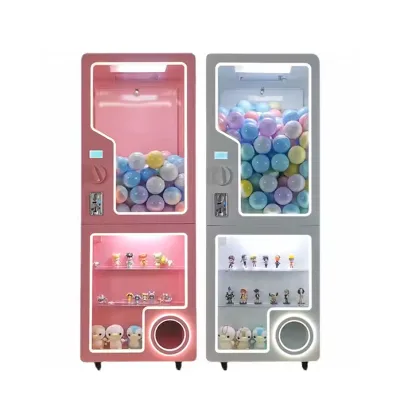


Coin-Operated Egg Game Capsule Gachapons Vending Machine Arcade Gachapons Machine
$597.00 - $634.78
MOQ: 1 pieces

Coin-Operated Hardware Version Yuanqi Code Mini Gachapon Gift Game Machine
$147.30 - $156.53
MOQ: 1 pieces


Cheap Pot O Gold Machine Metal Cabinet 19-Inch LCD Arcade Game Machine
$360.00 - $400.00
MOQ: 1 Pieces

Stand up Skill Game Machine Slot Machines Fire Multi Games Metal Cabinet
$875.00 - $899.00
MOQ: 1 Pieces


Comprehensive Sourcing Guide
Japanese Style Metal Gacha Machine Sourcing Guide
Sourcing Japanese-style metal gacha machines requires a nuanced understanding of both aesthetic design and mechanical reliability. These units are frequently deployed in high-traffic commercial environments such as amusement parks, theaters, and shopping malls, where visual appeal and durability are paramount. Buyers must distinguish between standard poster display models and more complex interactive variants, as the internal mechanics and power requirements vary significantly. The observed market includes diverse models ranging from compact metal acrylic constructions to larger, heavier units with specific voltage and power needs. Understanding these distinctions is critical for selecting the right equipment for your specific venue layout and customer demographic.
The procurement process involves evaluating multiple product attributes, including customization options, payment systems, and physical dimensions. Many suppliers offer OEM services, allowing buyers to integrate their own logos and graphics into the machine’s exterior. This level of personalization can enhance brand visibility but requires careful coordination during the manufacturing phase. Additionally, the choice between coin/token acceptors and customized card readers impacts the operational flexibility of the machine. Buyers should assess whether the available customization aligns with their long-term marketing strategy and operational workflow, ensuring that the aesthetic choices do not compromise the machine’s functional integrity or ease of maintenance.
Product Scope and Observed Listing Signals
The current market landscape for these machines reveals a wide variety of models, each with distinct physical and operational characteristics. For instance, some units are designed as poster displays with specific capsule capacities, accommodating sizes from 50mm to 100mm. Other models, such as those labeled with specific names like "Cosmic Code" or "Naughty Tiger," feature larger footprints and higher power consumption. These variations indicate that the product scope is not monolithic; rather, it encompasses a spectrum of designs tailored to different space constraints and user engagement levels. Buyers must carefully review the product size and weight specifications to ensure compatibility with their installation sites.
Observed listing signals also highlight significant differences in material composition and packaging standards. While some machines utilize a combination of metal and acrylic, others may rely on hardware and metal constructions. The packaging methods, ranging from EPE foam and wooden frames to wooden case packaging, suggest that shipping and handling requirements vary by model. These factors directly influence the total landed cost and the risk of damage during transit. Buyers should pay close attention to the listed dimensions and weights, as these metrics are essential for calculating logistics costs and ensuring that the machines can be safely transported and installed in their intended locations.
Technical Specifications to Verify
Technical verification is the most critical phase of the sourcing process, as discrepancies in specifications can lead to operational failures. Buyers must confirm the exact voltage and power requirements for each model, as observed data shows variations such as 120V/120W or 110V/220V/100W. Mismatched electrical specifications can result in equipment damage or safety hazards. Additionally, the physical dimensions, including length, width, and height, must be verified against the available floor space. Some models are compact, while others, like the "Guai Baby" variant, require a significant footprint. Ensuring that the machine’s size aligns with the venue’s layout is essential for optimal customer flow and accessibility.
The internal mechanics and capsule handling capabilities also require thorough verification. The suitable capsule size range, typically between 50mm and 100mm, must be confirmed to ensure compatibility with the desired prize inventory. Buyers should also check the machine type, whether it is a simple poster display or a more complex interactive unit. The payment system, whether it accepts coins, tokens, or custom cards, must be compatible with the local currency and operational preferences. Furthermore, the weight of the machine, which can range from 35kg to 150kg, impacts the installation process and the structural requirements of the display area. Accurate technical data is essential for successful deployment.
Compliance and Safety Documentation
Compliance with local safety and electrical standards is non-negotiable for commercial amusement equipment. Buyers must ensure that the machines carry appropriate certifications, such as CE, which indicates adherence to European health, safety, and environmental protection standards. However, certification alone is not sufficient; buyers should request detailed test reports and documentation to verify that the electrical components meet the specific requirements of their target market. This is particularly important for machines with higher power ratings, as they pose greater electrical risks if not properly insulated or grounded.
In addition to electrical safety, buyers should verify the mechanical safety features of the machines. This includes checking for secure paneling, safe capsule dispensing mechanisms, and stable bases to prevent tipping. The materials used in construction, such as metal and acrylic, should be free from sharp edges and toxic substances. Buyers should also inquire about the warranty terms, which often include a one-year warranty and lifetime technical support. Understanding the scope of the warranty and the availability of spare parts is crucial for minimizing downtime and ensuring long-term operational reliability. Proper documentation and compliance verification protect the buyer from liability and ensure a safe user experience.
Cost Drivers and Commercial Terms
The cost of Japanese-style metal gacha machines is influenced by several key factors, including material quality, customization options, and order volume. Customized features, such as unique graphics or specific payment systems, typically increase the unit price. Similarly, machines with more complex internal mechanisms or higher power requirements may command a premium. Buyers should also consider the packaging costs, as robust packaging like wooden frames or cases adds to the overall expense but is necessary for safe transit. Understanding these cost drivers allows buyers to make informed decisions about which features are essential and which can be simplified to reduce costs.
Commercial terms, including payment methods and delivery times, also play a significant role in the total cost of ownership. Buyers should negotiate clear payment terms, such as deposits and balance payments upon shipment, to mitigate financial risk. The delivery time, which can range from 7 to 15 working days, impacts inventory planning and revenue generation. Buyers should also consider the minimum order quantity (MOQ) requirements, which can vary from 1 to 10,000 units. Larger orders may offer economies of scale, but they also require significant storage space and capital investment. Careful negotiation of these terms ensures that the procurement process aligns with the buyer’s financial and operational capabilities.
Supplier Qualification and Quality Control
Selecting a reliable supplier is crucial for ensuring the quality and consistency of the gacha machines. Buyers should verify the supplier’s manufacturing capabilities, including their production capacity and quality control processes. Suppliers based in China, as indicated by the origin data, often have extensive experience in producing amusement equipment, but buyers should still conduct due diligence to assess their reputation and reliability. Requesting references or case studies from previous clients can provide valuable insights into the supplier’s performance and customer service. Additionally, buyers should inquire about the supplier’s ability to provide OEM services, as this indicates a level of flexibility and customization capability.
Quality control measures should be implemented throughout the production process to ensure that the machines meet the specified standards. Buyers should request pre-shipment inspections or third-party quality audits to verify that the products conform to the agreed-upon specifications. This includes checking the physical dimensions, electrical components, and mechanical functionality of the machines. Buyers should also establish clear communication channels with the supplier to address any issues that may arise during production or delivery. A proactive approach to quality control helps to minimize defects and ensures that the machines are ready for immediate deployment upon arrival.
Long-Term Procurement Checks
Long-term procurement success depends on establishing a sustainable relationship with the supplier and implementing ongoing quality assurance measures. Buyers should regularly review the performance of the machines in the field, monitoring for any recurring issues or maintenance needs. This feedback loop can inform future purchasing decisions and help identify areas for improvement in the machine design or supplier processes. Buyers should also stay informed about industry trends and technological advancements, as these can impact the relevance and competitiveness of the gacha machines. Regularly updating the procurement strategy ensures that the buyer remains agile and responsive to market changes.
Additionally, buyers should maintain a comprehensive inventory of spare parts and technical documentation to facilitate quick repairs and maintenance. This includes keeping a stock of common components such as coin acceptors, circuit boards, and capsule dispensing mechanisms. Establishing a relationship with the supplier for timely access to spare parts is essential for minimizing downtime. Buyers should also consider the lifecycle of the machines, planning for eventual replacement or upgrade. By focusing on long-term sustainability and operational efficiency, buyers can maximize the return on their investment and ensure the continued success of their amusement offerings.
FAQs
What certifications does the gacha machine have?
The machine carries CE certification as a standard compliance feature. This ensures the product meets essential safety and health requirements for operation in relevant markets. Buyers should verify specific documentation for their local regulations before finalizing procurement decisions.
Can I customize the machine with my own logo?
Yes, OEM service allows you to put your own logo and graphics on the unit. Customization is available for machine color and branding elements. This option supports unique marketing strategies for amusement parks and shopping malls without requiring custom manufacturing from scratch.
What is the delivery time for these machines?
The standard delivery time ranges from 7 to 15 working days after order confirmation. This lead time applies to the production and packaging phases. Buyers should account for this duration when planning inventory for amusement parks or game centers.
Which capsule sizes are suitable for this model?
The machine accepts capsule sizes ranging from 50mm to 100mm in diameter. Specific capacity varies by size, holding 180 pieces of 50mm capsules or 35 pieces of 100mm capsules. This flexibility allows operators to choose different prize types for their arcade games.
What is the warranty period for the equipment?
The product includes a 12-month warranty covering manufacturing defects and functional issues. Additionally, lifetime technical support is provided to assist with operational troubleshooting. This ensures long-term reliability for installations in theaters, shopping malls, and other entertainment venues.
How much power does the machine consume?
Power consumption varies by model, with some units rated at 100W or 120W. Specific models may reach up to 250W depending on features. Voltage options include 110V/220V or 120V to accommodate different regional electrical standards for safe operation.
What materials are used to construct the machine?
The main structure is built using metal and acrylic materials for durability. Some variants utilize hardware and metal combinations to ensure stability. These robust materials support the machine's function in high-traffic areas like amusement parks and game centers.