Source Japanese Style Soft Woven Fabric for Garment, Home Textile, and Decoration
Compare 30 listings of Japanese Style Soft Woven Fabric suitable for garment, home textile, and decoration applications. Buyers can evaluate features like waterproof, windproof, and anti-static properties alongside customization options and pricing details.
Key considerations
Products List


Twill Polyester/Nylon/Cotton Fabric Plain Japanese Style Woven Fabric for Shirts
$1.20 - $2.56
MOQ: 1000 Meters



Comprehensive Sourcing Guide
Strategic Sourcing Guide for Japanese Style Soft Woven Fabric
Understanding the Technical Landscape of Woven Textiles
When sourcing fabric described as "Japanese Style Soft Woven Fabric," buyers must first distinguish between the aesthetic intent and the underlying technical reality. The term "Japanese style" often implies a specific tactile quality—softness, drape, and a refined finish—combined with a woven structure that offers durability and stability. Based on the available market data, the core material composition for such textiles frequently involves high-performance synthetic fibers. Specifically, the supply chain often features 100% Polyester and Polyamide Fiber (Nylon) as the primary constituents. These materials are selected not merely for cost efficiency but for their ability to deliver specific functional attributes such as windproofing, water resistance, and high strength.
The structural integrity of these fabrics is often defined by their fiber type and construction method. In the observed market, "Synthetic Carbon Chain" structures and "Filament" fiber types are prevalent, particularly in models designed for high-performance applications. The weaving technique is a critical differentiator; while some products utilize "Weft Knitting" or "Machine Knitting" for stretch and softness, the specific requirement for a "woven" fabric points toward a tighter, more stable construction. The "Microfiber" structure is a common observation in high-end soft woven fabrics, providing a dense surface that feels soft to the touch while maintaining the structural rigidity associated with woven goods. Buyers should verify that the fabric's width, typically observed in the range of 57/58 inches, aligns with their pattern cutting requirements to minimize waste.
Material Composition and Functional Attributes
The functional performance of a woven fabric is heavily dependent on its material composition and finishing treatments. In the current market, products labeled with "Japanese style" softness often leverage the inherent properties of polyester and nylon. Polyester offers excellent durability and resistance to shrinking, while Polyamide (Nylon) contributes to high tensile strength and abrasion resistance. The combination of these fibers allows for a fabric that is both soft and robust, suitable for demanding applications.
Key functional attributes observed in this category include anti-static properties, which are crucial for garments that may generate static electricity in dry environments. Additionally, features such as "Waterproof," "Windproof," and "Breathable" are frequently cited, indicating that the fabric is treated or engineered to withstand environmental stressors without compromising comfort. For applications requiring hygiene, "Anti-Bacterial" and "Anti-Distortion" features are significant value-adds. The "Ripstop" structure, often found in high-strength variants, prevents small tears from propagating, enhancing the longevity of the final product.
It is essential to note that while "Eco-Friendly" is a listed feature in some product descriptions, buyers must verify the specific environmental claims against the actual finishing processes used. The "High Strength Fiber" designation suggests a focus on durability, which is often a prerequisite for the "Security" and "Garment" usage categories observed in the supply data. The interplay between the "Plain" or "Striped" patterns and the "Microfiber" structure determines the final aesthetic, allowing for the subtle, refined look often associated with Japanese textile design.
Compliance, Standards, and Certification Verification
Navigating the compliance landscape for textile sourcing requires a rigorous approach to verifying standards and certifications. While the market data indicates that products may adhere to "SGS" standards or "Standard Specifications," these are often generic descriptors rather than specific, universally recognized certifications. Buyers should not assume that a product labeled with "SGS" automatically meets specific international safety or environmental thresholds without further documentation.
The supply chain often references "Customed" standards, implying that the technical specifications can be tailored to the buyer's specific needs. However, this flexibility requires a clear definition of requirements upfront. For instance, while "Oeko-Tex" and "GOTS" are mentioned in background knowledge as relevant standards, they are not explicitly confirmed in the primary product facts. Therefore, buyers must treat these as verification targets rather than guaranteed attributes. The "Colour Fastness" is noted in the range of "3-4 Grade," a specific numerical benchmark that buyers should request to be confirmed on a case-by-case basis for each batch.
When evaluating suppliers, the presence of "ISO 9001" is a common expectation for quality management, yet it should be treated as a baseline requirement rather than a differentiator. The "Standard Package" and "Roll Packing" methods mentioned in the data suggest that packaging standards are generally consistent, but the "Customized" options available for packing and standards indicate that buyers have the opportunity to negotiate specific compliance protocols. It is critical to request third-party test reports for any claimed features, such as "Anti-Static" or "Waterproof," to ensure they meet the intended application's safety and performance criteria.
Cost Drivers and Economic Considerations
The cost structure of sourcing "Japanese Style Soft Woven Fabric" is influenced by several dynamic factors, primarily material composition, customization levels, and order volume. The observed price range in the market spans from $0.19 to $40 per unit, a significant variance that reflects differences in fiber quality, finishing complexity, and order quantity. The lower end of this spectrum likely corresponds to standard polyester fabrics with basic finishes, while the higher end may reflect specialized nylon blends, advanced functional treatments, or small-batch custom orders.
Minimum Order Quantity (MOQ) is a critical economic driver, with observed ranges spanning from 1 to 5,000 units. This wide variability suggests that the market accommodates both prototyping and large-scale production. Buyers with lower volume needs may face higher per-unit costs due to the setup time required for custom weaving and finishing processes. Conversely, larger orders can leverage economies of scale to reduce costs, provided the supplier has the capacity to handle the volume within their lead time constraints.
Lead times are another significant cost factor, with typical delivery windows ranging from 15 to 30 days. This duration can fluctuate based on the complexity of the "Customed" finishing processes and the availability of raw materials. The "Make-to-Order" supply type indicates that production is triggered by the purchase order, which can lead to longer lead times compared to stock items. Buyers must factor in these timelines when planning their production schedules to avoid delays. Additionally, the "ODM/OEM" acceptance by suppliers allows for brand-specific customization, which may incur additional design and tooling costs.
Typical Applications and Usage Scenarios
The versatility of "Japanese Style Soft Woven Fabric" makes it suitable for a diverse range of applications, from high-performance apparel to home textiles. The primary usage categories identified include "Garment," "Security," "Home Textile," and "Decoration." In the garment sector, the fabric's "Windproof," "Waterproof," and "Breathable" properties make it ideal for outerwear, sportswear, and protective clothing. The "Anti-Static" and "Anti-Bacterial" features further enhance its suitability for active wear and medical-related garments.
For security applications, the "High Strength Fiber" and "Ripstop" structures provide the necessary durability to withstand harsh conditions. The "Plain" and "Striped" patterns offer aesthetic flexibility, allowing the fabric to be used in both functional and decorative contexts. In the home textile and decoration sectors, the "Soft" and "Microfiber" characteristics are highly valued for creating comfortable and visually appealing products. The "Printed" and "Plain Dyed" options allow for a wide range of design possibilities, catering to different interior design trends.
The "Toy Fabric" and "Plush" applications, while less common for woven structures, indicate that the material can be adapted for softer, tactile products. The "Bag," "Lining," and "Trousers" applications further demonstrate the fabric's adaptability across various product categories. Buyers should consider the specific weight requirements, with some products noted as having a weight of ≥200g/m², which is suitable for heavier-duty applications like bags and outerwear.
Supplier Evaluation and Quality Control Protocols
Evaluating suppliers for "Japanese Style Soft Woven Fabric" requires a multi-faceted approach that goes beyond simple price comparisons. The geographic origin of the products, primarily "Zhejiang Prov. China," "Hangzhou, China," and "Wujiang," indicates a concentrated manufacturing hub known for textile production. Buyers should verify the specific location of the supplier to ensure they are dealing with a manufacturer rather than a middleman, as this can impact quality control and communication efficiency.
Quality control protocols should be established early in the sourcing process. Given the "Customed" nature of many products, buyers must define clear acceptance criteria for features such as "Colour Fastness," "Anti-Static" performance, and "Waterproof" ratings. The "Standard Specifications or Customized" options suggest that suppliers are willing to adapt, but the buyer must provide detailed technical drawings and specifications to ensure the final product meets expectations. Regular third-party inspections are recommended to verify that the "Microfiber" structure and "Filament" fiber type are consistent with the agreed-upon standards.
The "Supply Type" being "Make-to-Order" means that quality control must be integrated into the production process rather than relying solely on post-production checks. Buyers should request samples before committing to large orders to verify the "Softness," "Drape," and overall aesthetic quality. Additionally, the "ODM/OEM" capability of suppliers should be assessed to ensure they have the design and production capacity to meet specific branding requirements.
Long-Term Procurement and Supply Chain Resilience
Building a resilient supply chain for "Japanese Style Soft Woven Fabric" involves more than just securing a single order; it requires a strategic partnership with suppliers who can adapt to changing market demands. The "Customized" options for packing, standards, and finishing provide opportunities for buyers to differentiate their products in the market. However, this flexibility also introduces complexity, requiring robust communication channels and clear documentation to manage variations.
Long-term considerations include the stability of the supply chain and the ability to scale production. The "15 Days to 30 Days" lead time is a critical factor in inventory management, and buyers should plan for potential delays due to raw material shortages or production bottlenecks. The "Standard Package" and "Roll Packing" methods are generally reliable, but custom packaging requirements may require additional lead time.
Buyers should also consider the environmental impact of their sourcing decisions. While "Eco-Friendly" is a listed feature, the specific environmental credentials should be verified through third-party certifications. The "Anti-Static" and "Anti-Bacterial" features, while functional, may involve chemical treatments that require careful management to ensure compliance with environmental regulations. Establishing a long-term relationship with a supplier who prioritizes sustainability and quality can help mitigate risks and ensure a steady supply of high-performance fabrics.
Finalizing the Sourcing Strategy
In conclusion, sourcing "Japanese Style Soft Woven Fabric" requires a balanced approach that considers technical specifications, compliance, cost, and supplier reliability. The market offers a wide range of options, from standard polyester fabrics to high-performance nylon blends with advanced functional treatments. By carefully evaluating the material composition, verifying standards and certifications, and establishing clear quality control protocols, buyers can secure a supply chain that meets their specific needs. The flexibility of "Make-to-Order" production and "ODM/OEM" capabilities allows for customization, but it also demands a proactive approach to management and communication. Ultimately, the success of the sourcing strategy depends on the buyer's ability to navigate the complexities of the textile market and build strong, transparent relationships with suppliers.
FAQs
What materials are used for this fabric?
The fabric is primarily made of 100% Polyester or Polyamide Fiber. These synthetic fibers provide high strength and durability while maintaining a soft texture suitable for various garment applications.
Can I request custom patterns and finishes?
Yes, customization is available for patterns and finishing processes. Buyers can specify requirements for plain, striped, or printed designs along with custom finishing treatments to meet specific project needs.
What are the typical lead times for orders?
Delivery times typically range from 15 to 30 days for production. This timeline applies to make-to-order items and may vary depending on the complexity of the requested customization and order volume.
Which functional features does the fabric offer?
The fabric offers features like waterproof, windproof, and anti-static properties. Additional benefits include being breathable, ripstop, and anti-bacterial, making it suitable for security and outdoor garment uses.
What is the standard width of the fabric?
The standard width is typically 57 or 58 inches. This dimension is consistent across most microfiber woven products and helps minimize waste during pattern cutting for garment manufacturing.
How is the fabric packed for shipping?
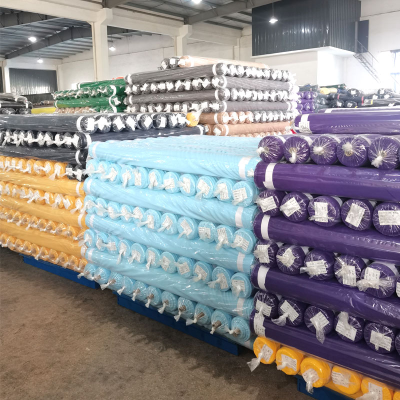
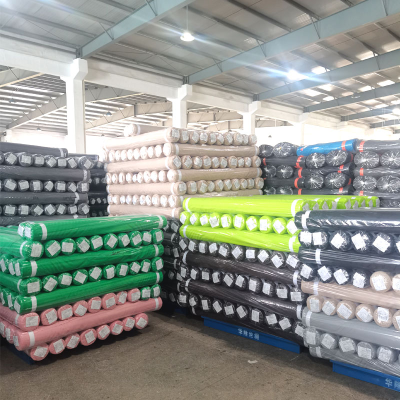
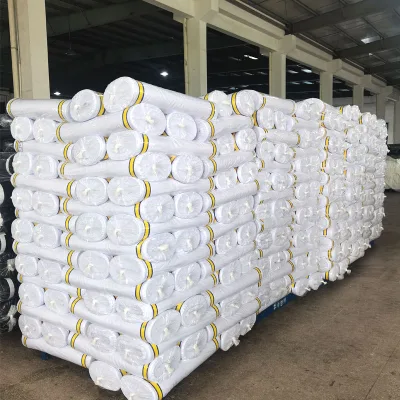
The fabric is usually packed in rolls on paper tubes with plastic bags outside. Standard packaging is available, but customized packing options can be arranged to suit specific logistics requirements.
Where are the manufacturers located?
Manufacturers are located in Zhejiang Province, Hangzhou, and Wujiang in China. These regions are known for their concentrated textile production capabilities and supply chain efficiency for synthetic fabrics.