Source Japanese Style Transparent Drawer Organizer for Home, Office, and Kitchen
Find and compare 30 listings for the Japanese Style Transparent Drawer Organizer. Evaluate options featuring folding designs, PP plastic construction, and customizable logos to find the right fit for your storage needs.
Key considerations
Products List
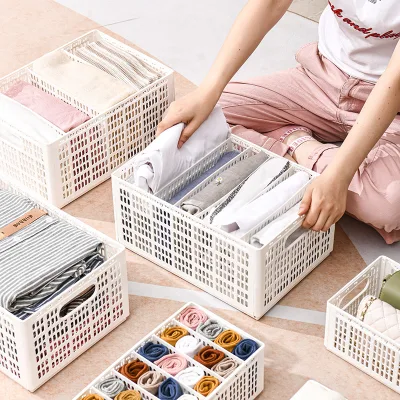
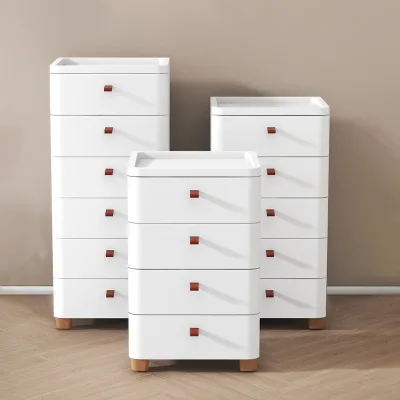
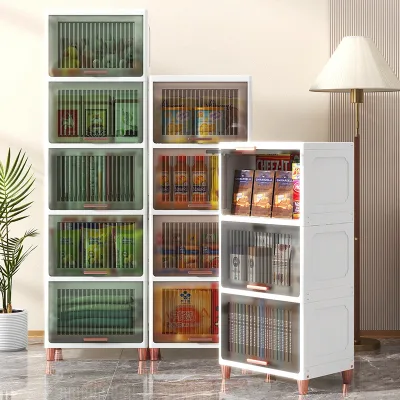


Multifunction Closet Storage Washable Drawer Organizer for Clothes Storage Box
$0.80 - $1.80
MOQ: 1000 Pieces


Comprehensive Sourcing Guide
Japanese Style Transparent Drawer Organizer Sourcing Guide
Sourcing Japanese-style transparent drawer organizers requires a nuanced understanding of the intersection between minimalist aesthetics and functional storage solutions. The "Japandi" style, a hybrid of Japanese rustic minimalism and Scandinavian functionality, emphasizes clean lines, natural materials, and uncluttered spaces. In the context of drawer organization, this translates to products that are visually lightweight, often utilizing transparent or semi-transparent materials to maintain a sense of openness while providing structural integrity. Buyers must distinguish between true minimalist designs and those that merely mimic the aesthetic with excessive branding or bulky forms. The transparency feature is not just decorative; it serves a practical purpose by allowing users to identify contents at a glance, reducing the need to open every drawer to find items. This visual clarity is a key selling point in markets where space optimization and mental order are prioritized.
However, the market for these organizers is diverse, ranging from simple plastic bins to complex modular systems. Procurement teams must navigate a wide array of product listings that may share similar keywords but differ significantly in material quality, dimensional precision, and load-bearing capacity. The observed product data indicates a significant variance in specifications, with some items being explicitly foldable while others are rigid structures. This diversity necessitates a rigorous verification process to ensure that the selected product aligns with the specific storage needs of the end-user. Whether the goal is to organize kitchen utensils, bathroom toiletries, or office supplies, the organizer must meet precise dimensional and functional requirements. Understanding these distinctions is critical to avoiding procurement errors and ensuring customer satisfaction.
Product Scope and Observed Listing Signals
The current market landscape for Japanese-style transparent drawer organizers reveals a broad spectrum of product types, from single-unit folding bins to multi-layer combination cabinets. Observed listings include products with specific dimensions such as 311712cm and larger modular units like 183542cm combination cabinets. These variations suggest that buyers are not limited to a single product format but can choose from a range of solutions depending on their inventory space and organizational strategy. The presence of both folding and non-folding options indicates that flexibility in storage is a key consideration for many consumers. Folding designs offer the advantage of space-saving when not in use, making them ideal for seasonal storage or small apartments, while rigid cabinets provide stable, long-term organization for high-volume items.
Color and material choices also play a significant role in defining the product scope. While transparency is a hallmark of the Japanese style, observed listings include white, translucent black, green tea, and honky-tonk finishes. These color options allow for customization to match existing decor, enhancing the aesthetic appeal of the storage solution. The material composition is predominantly plastic, with polypropylene (PP) being a common choice due to its durability and eco-friendly properties. Buyers should note that while transparency is desired, the level of clarity can vary, affecting the visibility of contents. Additionally, the load capacity of these organizers is typically limited, with some products supporting up to 5kg, which is suitable for lightweight items but may not be appropriate for heavy tools or dense books.
Technical Specifications to Verify
Dimensional accuracy is paramount when sourcing drawer organizers, as even minor deviations can prevent proper fit within standard drawers or cabinets. Buyers must verify the single package size and the actual product dimensions, noting that tolerances can exist, such as <±1cm for size and <±5% for weight. These tolerances are critical for inventory planning and logistics, as they affect how many units can be packed into a master carton and the overall shipping volume. The observed data includes specific model numbers like 005 and 029, which may correspond to different configurations or sizes. It is essential to confirm the exact dimensions of the product, including width, depth, and height, to ensure compatibility with the intended storage space.
Material properties and manufacturing techniques also require close scrutiny. The use of injection molding is a common technique for producing plastic organizers, offering consistency and durability. However, buyers should verify the specific type of plastic used, as this impacts the product's transparency, flexibility, and resistance to cracking. The presence of features like foldability adds complexity to the design, requiring hinges or flexible joints that must withstand repeated use. Additionally, the weight of the product, which can range from 1.07 kg to 2.500 kg depending on the size and structure, affects shipping costs and handling. Buyers should request detailed technical drawings or samples to assess the quality of the joints, the clarity of the plastic, and the overall build quality before placing large orders.
Compliance and Safety Documentation
While specific certification statuses are not universally listed for all products, buyers must ensure that the organizers comply with relevant safety and environmental standards, particularly if they are intended for use in kitchens or bathrooms where food or personal care items may be stored. Polypropylene (PP) is generally considered safe for food contact, but buyers should verify that the material is free from harmful additives like BPA or phthalates. This is especially important for products that will be used in close proximity to food or for children's items. Documentation such as material safety data sheets (MSDS) or food contact compliance certificates should be requested from suppliers to confirm that the plastic meets international safety standards.
Environmental considerations are also increasingly important in the procurement of plastic products. The "Eco-Friendly" attribute observed in some listings suggests that manufacturers may be using recycled materials or processes that reduce environmental impact. Buyers should inquire about the recyclability of the product and the packaging materials. The use of OPP bags and carton packaging is common, but buyers should assess whether these materials can be minimized or replaced with more sustainable alternatives. Additionally, verifying the place of origin, such as Zhejiang, China, or Jieyang, can provide insights into the regulatory environment and manufacturing practices of the supplier. Ensuring that the supplier adheres to local environmental regulations can mitigate risks associated with non-compliance and enhance the brand's sustainability profile.
Cost Drivers and Commercial Terms
The cost of Japanese-style transparent drawer organizers is influenced by several factors, including material costs, manufacturing complexity, and order volume. The observed price range of $0.33 to $235.5 USD reflects the diversity of products available, from simple single bins to complex multi-layer cabinets. Buyers should analyze the cost per unit in relation to the product's features, such as foldability, transparency, and load capacity. Higher prices may be justified by superior material quality, more precise dimensions, or additional features like customized logos. However, buyers must also consider the minimum order quantity (MOQ), which can range from 1 to 2000 pieces, affecting the total investment required.
Commercial terms, including packaging details and shipping methods, also impact the overall cost. The use of individual cartons or OPP bags with master cartons affects the packing efficiency and shipping volume. Buyers should negotiate terms that optimize packaging to reduce freight costs without compromising product protection. Additionally, the availability of customized logos and colors can add to the cost but may enhance brand value. It is crucial to clarify all commercial terms, including payment methods, delivery times, and return policies, to avoid unexpected expenses. Buyers should also consider the total landed cost, including duties and taxes, when evaluating the competitiveness of the supplier's offer.
Supplier Qualification and Quality Control
Selecting a reliable supplier is critical to ensuring the quality and consistency of Japanese-style transparent drawer organizers. Buyers should verify the supplier's manufacturing capabilities, including their experience with injection molding and their ability to maintain tight dimensional tolerances. The presence of multiple product models and styles suggests that the supplier has a diverse production line, which can be an advantage for sourcing a wide range of products. However, buyers must also assess the supplier's quality control processes, including inspection protocols for material quality, dimensional accuracy, and finish. Requesting samples and conducting third-party inspections can help identify potential issues before committing to large orders.
Communication and responsiveness are also key indicators of supplier reliability. Buyers should evaluate the supplier's ability to provide detailed product information, technical support, and after-sales service. The acceptance of customized logos and colors indicates a willingness to work with buyers on specific requirements, but buyers must ensure that the supplier can maintain consistency across large production runs. Additionally, verifying the supplier's location, such as Shenzhen or Zhejiang, can provide insights into their logistical capabilities and proximity to major shipping ports. Building a strong relationship with a qualified supplier can lead to better pricing, improved quality, and more flexible terms over time.
Long-Term Procurement Checks
Sourcing Japanese-style transparent drawer organizers is not a one-time transaction but an ongoing process that requires continuous monitoring and evaluation. Buyers should establish key performance indicators (KPIs) to track supplier performance, including on-time delivery, product quality, and responsiveness to issues. Regular audits and feedback loops can help identify areas for improvement and ensure that the supplier remains aligned with the buyer's standards. Additionally, buyers should stay informed about market trends and consumer preferences, as the demand for minimalist and eco-friendly products may evolve over time.
Long-term procurement also involves managing inventory and supply chain risks. Buyers should diversify their supplier base to mitigate the risk of disruptions and ensure a steady supply of products. Monitoring price fluctuations and material costs can help in negotiating better terms and planning budgets. Furthermore, buyers should consider the lifecycle of the product, including its durability and recyclability, to ensure that it meets the long-term needs of the end-user. By adopting a strategic approach to procurement, buyers can build a resilient supply chain that supports their business goals and delivers value to their customers.
FAQs
What material is used for the folding plastic storage organizer?
The product is constructed from PP plastic, ensuring durability and safety for home use. This material supports the folding design and provides a lightweight yet sturdy structure for organizing clothes and other items in various rooms.
Can the drawer organizer be customized with a logo?
Yes, customized logos are acceptable for this product. Buyers can request branding options to personalize the storage units, making them suitable for corporate gifts or specific retail requirements while maintaining the standard Japandi style.
What is the maximum load capacity of the organizer?
The organizer supports a maximum load of 5kg per unit. This capacity is suitable for storing clothing and light household items, ensuring stability during use in kitchens, bathrooms, or bedrooms without risk of structural failure.
How does the folding feature benefit home storage?
The functional design allows the unit to fold, saving significant space when not in use. This feature is ideal for apartments and small living areas where flexible storage solutions are needed to maintain a tidy and organized environment.
Which locations are suitable for using this storage unit?
This organizer is designed for use in kitchens, bathrooms, home offices, living rooms, and bedrooms. It is also applicable in schools, warehouses, and dining areas, offering versatile storage solutions across multiple environments within a home or facility.
What are the dimensions of the single package?
The single package size measures 32 by 17 by 35 centimeters for the folding model. Another variant has a package size of 36 by 36 by 19.5 centimeters, ensuring safe transport and storage during shipping to international destinations.
Is the product available in multiple colors?
The current listing specifies the color as white. While customization may be available for logos, the standard product appearance is limited to this single color option to maintain the clean, modern aesthetic associated with the Japandi style.