Source Keyboard Cleaning Gel for keyboards, cars, and computers
Find 30 verified listings for Keyboard Cleaning Gel suitable for keyboards, cars, and computers. Compare specifications, pricing, and customization options from multiple suppliers to identify the best fit for your needs.
Key considerations
Products List


Visbella Online Hot Sale Dust Remove Keyboard Cleaning Jelly Cleaning Gel
$0.17 - $0.34
MOQ: 3000 Pieces

Visbella Online Hot Sale Dust Remove Keyboard Cleaning Jelly Cleaning Gel
$0.17 - $0.34
MOQ: 3000 Pieces


Interior Universal Dust PC Tablet Laptop Keyboards Car Jelly Cleaning Gel
$0.16 - $0.18
MOQ: 1000 Pieces
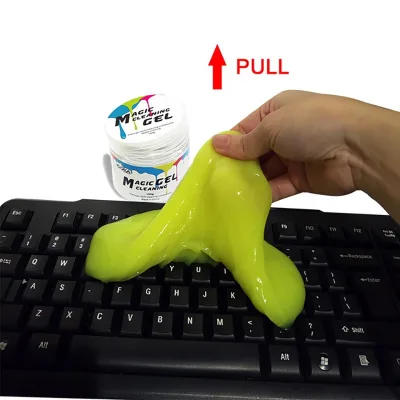
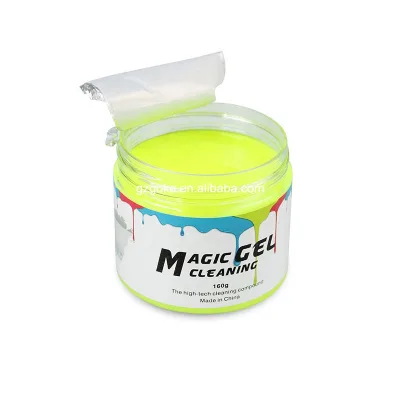
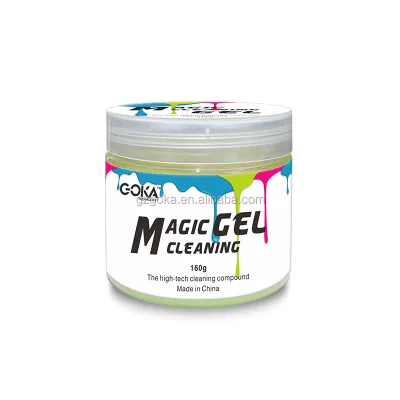
Goka Slimy Glue Easy Cleaning Gel for Car Slime Cleaning Magic Keyboard Cleaner Gel
$1.10 - $1.30
MOQ: 1000 Minimum
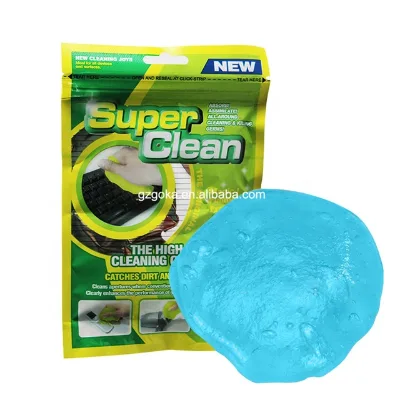
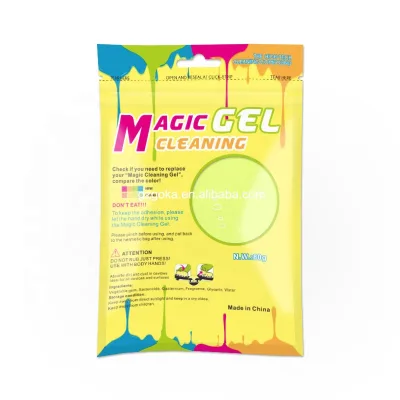
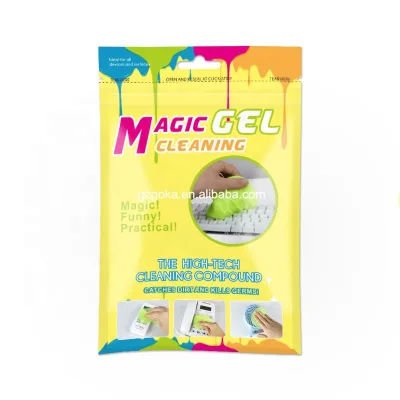
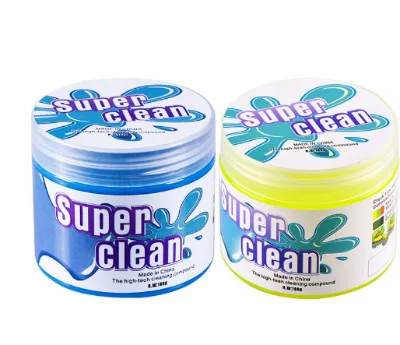
Smart Cyber Super Cleaner Magic Dust Cleaning Compound Slimy Gel for Keyboard
$1.12 - $1.53
MOQ: 100 pieces
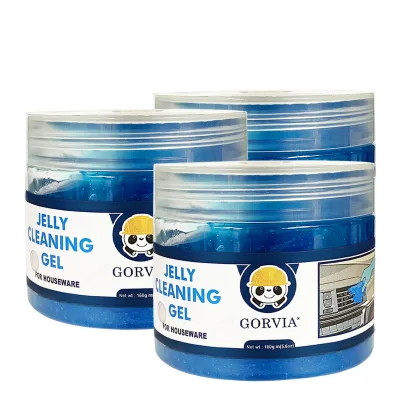
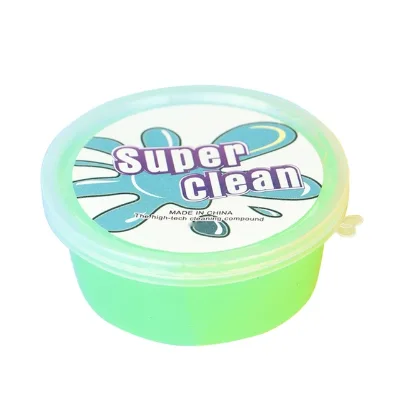

Cleaning Gel Universal Dust Cleaner for Car Vent Keyboard Cleaning Slime Dashboard Dust
$0.35 - $0.39
MOQ: 1000 Pieces


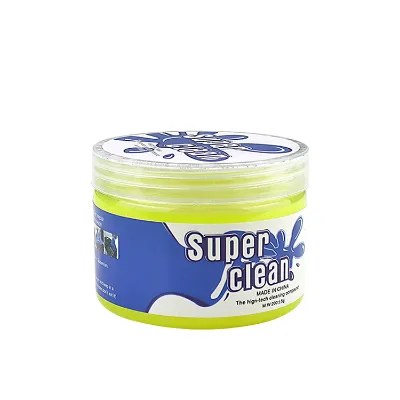

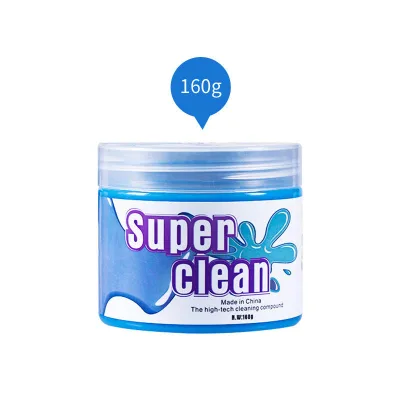

Premium Mini Keyboard Cleaner Spray for Efficient Electronic Maintenance
$0.38 - $0.39
MOQ: 4000 Pieces


Ultimate Keyboard Duster Spray for Electronics Cleaning and Maintenance
$0.47 - $0.49
MOQ: 4000 Pieces

Comprehensive Sourcing Guide
Strategic Sourcing Guide for Keyboard Cleaning Gel Procurement
The global demand for specialized cleaning solutions has expanded significantly, driven by the proliferation of electronic devices in both consumer and industrial sectors. Among these, Keyboard Cleaning Gel has emerged as a critical tool for maintaining hygiene and functionality in high-use environments. For B2B procurement professionals, navigating the market for these adhesive dust-removal products requires a disciplined approach that distinguishes between verified product attributes and marketing generalizations. This guide provides a structured framework for evaluating suppliers, verifying technical specifications, and ensuring compliance with international standards, based on current market observations and supply chain data.
Technical Specifications and Material Composition
Understanding the physical and chemical properties of Keyboard Cleaning Gel is the first step in defining procurement requirements. The core functionality of these products relies on a non-toxic, reusable adhesive matrix capable of lifting dust, crumbs, and debris from intricate key mechanisms without leaving residue. Market observations indicate that the primary material composition for these gels is often described as "organic silicone" or "super soft gel," which provides the necessary viscosity and elasticity for effective cleaning.
However, buyers must exercise caution when reviewing material data sheets, as inconsistencies exist in supplier listings. Some product profiles list the composition as "inorganic material," while others specify "water-soluble" morphologies. These conflicting descriptors suggest that the market contains diverse formulations, ranging from traditional silicone-based adhesives to newer water-soluble variants. Procurement teams should explicitly request Material Safety Data Sheets (MSDS) to verify the actual chemical composition. The presence of specific identifiers, such as CAS No. 9000-30-0 or EINECS 232-536-8, can serve as a baseline for verifying the identity of the base polymer, though these numbers must be cross-referenced with the specific batch provided by the manufacturer.
Physical specifications also vary widely. Observed product dimensions for packaging range from compact blister cards to large master cartons measuring approximately 41.5 * 24.5 * 36.5 cm. The standard packaging weight often cited is 80 grams per unit, though variations exist, with some listings specifying 160g or 180g plastic bottles. The morphology of the gel itself is a critical quality indicator; it must remain "super soft" and "reusable" to function effectively over multiple cycles. Buyers should verify that the gel does not harden prematurely or leave sticky residues on keyboard surfaces, which would negate its primary utility.
Compliance and Certification Verification
In the B2B sector, regulatory compliance is non-negotiable. Keyboard cleaning gels are often used in environments where food safety, automotive assembly, and general office hygiene intersect. Consequently, suppliers must demonstrate adherence to rigorous international standards. High-confidence data from the current market indicates that reputable manufacturers typically hold certifications such as RoHS (Restriction of Hazardous Substances), REACH (Registration, Evaluation, Authorization, and Restriction of Chemicals), and ISO 9001.
When evaluating potential suppliers, procurement officers should not rely solely on a supplier's self-declaration. Instead, they must request valid, third-party audit reports or certificates of conformity. The presence of SGS and BSCI certifications further validates a supplier's commitment to quality management and social responsibility. It is important to note that while some product listings mention "Reach" certification, the specific scope and validity of this certification can vary. Buyers should verify that the product meets the specific regulatory requirements of their target export markets, particularly regarding chemical restrictions in the European Union and North America.
Furthermore, the "Customization" attribute is frequently listed as available, which implies that suppliers can tailor formulations or packaging to meet specific client needs. However, customization can impact compliance. If a buyer requests a custom scent, such as lemon, mint, or apple, they must ensure that the added fragrances do not introduce non-compliant volatile organic compounds (VOCs) or allergens that would violate RoHS or REACH standards. Similarly, if the product is intended for use in the automotive or construction sectors, as suggested by some application listings, additional industry-specific approvals may be required.
Cost Drivers and Pricing Dynamics
The pricing structure for Keyboard Cleaning Gel is influenced by several variables, including material costs, packaging complexity, and order volume. Observed market data reveals a wide price range, with unit costs fluctuating between $0.11 and $5.50 USD. This significant variance is not necessarily indicative of quality differences but rather reflects the diversity in product specifications and order quantities.
The Minimum Order Quantity (MOQ) is a primary driver of unit cost. Data shows an MOQ range from 1 unit to 10,000 units. Suppliers offering lower MOQs, such as 1 to 3,000 pieces, often charge a premium per unit to cover setup and handling costs. Conversely, bulk orders of 20,000 pieces or more can leverage economies of scale, resulting in lower per-unit pricing. Buyers should also consider the "OEM" (Original Equipment Manufacturer) capabilities of the supplier. Some suppliers list an OEM capacity of 3,000 pieces, while others support up to 20,000 pieces. Higher OEM volumes typically correlate with more competitive pricing but require longer lead times and stricter quality control agreements.
Packaging costs also play a significant role. Options range from simple 80g PP bags to more complex configurations like blister cards, transparent PET bottles with stickers, or export cartons containing 100 pieces. The choice of packaging material and the level of customization (e.g., digital printing on bottles or cartons) will directly impact the final landed cost. Additionally, the "Payment" terms are often negotiable, which can affect cash flow and total procurement costs. Buyers should factor in the potential for volume discounts and negotiate payment terms that align with their working capital cycles.
Typical Applications and Usage Scenarios
Keyboard Cleaning Gel is a versatile product with applications extending far beyond standard computer keyboards. Market observations highlight a broad spectrum of use cases, including woodworking, packing, footwear and leather processing, fiber and garment manufacturing, construction, and the automobile industry. This versatility suggests that the product's adhesive properties are robust enough to handle various debris types, from fine dust in electronics to larger particulates in industrial settings.
In the consumer electronics sector, the primary application is the cleaning of computer keyboards, laptop trackpads, and gaming peripherals. The "instant adhesive" bonding function allows the gel to quickly capture debris without the need for harsh chemicals or disassembly. For the automotive industry, the gel is utilized for cleaning interior components, including dashboard buttons, steering wheel controls, and ventilation grilles. The "water-soluble" morphology mentioned in some product profiles may be particularly advantageous in these settings, as it allows for easy cleanup of the gel itself after use.
In industrial applications, such as woodworking and construction, the gel serves as a tool for removing sawdust, concrete dust, and other particulates from machinery controls and safety equipment. The "reusable" nature of the gel is a key selling point in these high-volume environments, where frequent cleaning is necessary to maintain operational safety and efficiency. Buyers should align their procurement strategy with their specific industry requirements, ensuring that the selected gel formulation is compatible with the materials and debris types prevalent in their operations.
Supplier Evaluation and Quality Control
Selecting the right supplier requires a comprehensive evaluation of their production capabilities, quality control systems, and logistical reliability. Based on the available data, suppliers are primarily located in China, with specific manufacturing hubs in Zhejiang and Guangdong provinces. These regions are known for their robust manufacturing ecosystems, but buyers must conduct due diligence to ensure the specific facility meets their standards.
Key evaluation criteria include the supplier's "Supply Ability," which is listed as 4,000 pieces per week for some vendors. This metric provides insight into the supplier's capacity to fulfill large orders without causing delays. Buyers should also assess the "Delivery" lead time, which is typically around 30 days. This timeline should be factored into the procurement schedule to avoid stockouts. Additionally, the availability of free samples is a critical indicator of a supplier's confidence in their product quality. Buyers should always request samples to test the gel's performance, texture, and cleaning efficacy before committing to a large order.
Quality control measures should be verified through the supplier's certification status and testing protocols. The presence of ISO 9001 certification suggests a structured quality management system, but buyers should request specific test results for the product batch, including viscosity tests, adhesion strength, and residue analysis. The "Production Standard" of 80g per bag or unit should be strictly monitored to ensure consistency. Any deviation from the agreed-upon weight or specification could indicate a lack of quality control, leading to customer dissatisfaction and potential returns.
Long-Term Procurement Considerations
Sourcing Keyboard Cleaning Gel is not merely a transactional activity but a strategic partnership that requires long-term planning. Buyers should consider the scalability of their supply chain and the flexibility of their suppliers to adapt to changing market demands. The "Customization" attribute, which is widely available, offers an opportunity to differentiate products in the market. However, customization must be managed carefully to maintain consistency and compliance.
Sustainability is another emerging consideration. While the "reusable" nature of the gel aligns with sustainable practices, the environmental impact of the packaging materials, such as PET bottles and plastic cartons, should be evaluated. Buyers may wish to explore suppliers who offer eco-friendly packaging options or recyclable materials to meet corporate sustainability goals.
Finally, the "Payment" terms and "Sample" policies should be formalized in a long-term agreement. Negotiating favorable payment terms can improve cash flow, while a clear sample policy ensures that product quality is maintained across multiple orders. By focusing on these long-term factors, buyers can build a resilient supply chain that delivers consistent value and supports their business growth in the competitive cleaning product market.
FAQs
What certifications do Keyboard Cleaning Gel suppliers typically hold?
Reputable suppliers typically hold RoHS, REACH, ISO 9001, SGS, and BSCI certifications. These standards ensure compliance with chemical restrictions and quality management systems required for international trade.
Can I customize the packaging and scent of the cleaning gel?
Yes, customization is available for packaging and scents like lemon, mint, or apple. Buyers must ensure added fragrances do not violate RoHS or REACH standards when requesting specific modifications.
What is the standard weight and packaging format for the gel?
The standard unit weight is often 80 grams per bag, though 160g or 180g bottles exist. Packaging formats include PP bags, blister cards, and transparent PET bottles with stickers or export cartons.
How long is the delivery lead time for bulk orders?
The typical delivery lead time is around 30 days for most orders. Buyers should factor this timeline into their procurement schedule to avoid stockouts during peak demand periods.
Which industries besides electronics use this cleaning gel?
Applications extend to woodworking, construction, automotive, footwear, and garment manufacturing. The gel effectively removes debris from machinery controls and interior components in these diverse industrial settings.
What is the minimum order quantity for purchasing this product?
The minimum order quantity ranges from 1 unit up to 10,000 units depending on the supplier. Lower MOQs often incur higher per-unit costs compared to bulk orders of 20,000 pieces.
Where are the primary manufacturing locations for this product?
Manufacturing is primarily located in China, specifically in Zhejiang and Guangdong provinces. These regions offer robust ecosystems for producing organic silicone and super soft gel cleaning products.