Source Keyboard Style LED Fidget Clicker for Promotions, Gifts, and Events
Compare 30 Keyboard Style LED Fidget Clicker options from verified Chinese suppliers. Buyers can evaluate materials like acrylic and zinc alloy, customization features, and pricing for promotional gifts and business use.
Key considerations
Products List






Comprehensive Sourcing Guide
Strategic Sourcing Guide for Keyboard Style LED Fidget Clickers
Understanding Product Variants and Technical Specifications
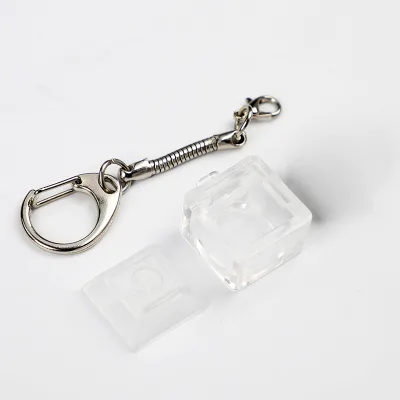
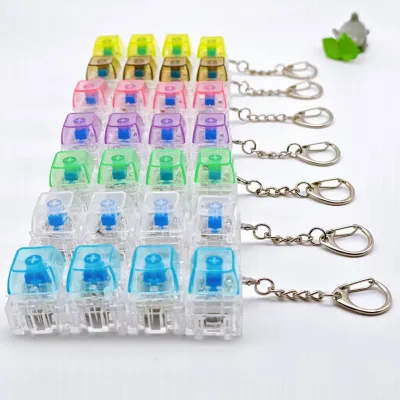
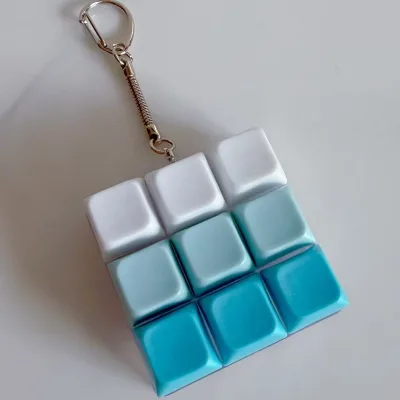
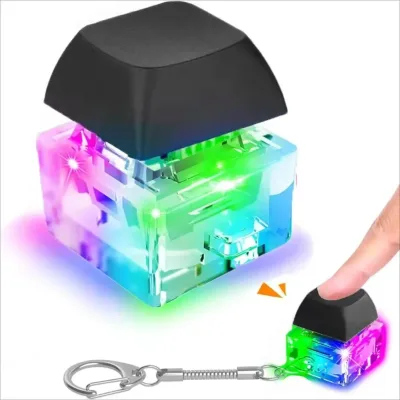
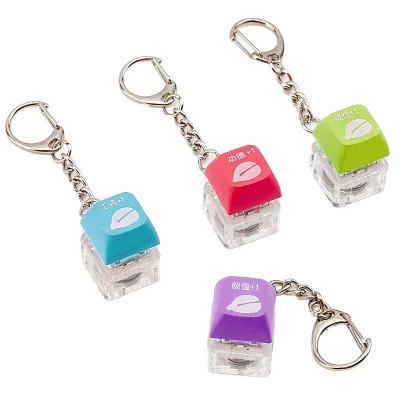
The market for keyboard-style LED fidget clickers presents a nuanced landscape where functional utility meets promotional branding. When sourcing these items, buyers must first distinguish between the core mechanical design and the specific electronic features. The primary technical distinction lies in the presence or absence of illumination. While the core keyword emphasizes "LED," the available product data indicates a clear bifurcation between "Keyboard keychain (without lights)" and "Keyboard Keychain (with Light)." This distinction is critical for procurement planning, as the inclusion of light-emitting diodes introduces battery requirements, circuit complexity, and potential failure points that do not exist in the non-illuminated variants.
The physical construction of these items often utilizes Acrylic or Zinc Alloy as the primary material. Acrylic variants typically offer a translucent aesthetic that can enhance the visual effect of internal lighting, whereas Zinc Alloy components provide a more durable, metallic finish often associated with business or industrial applications. The standard dimensions observed in the supply chain frequently align with a 7.6cm (3-inch) profile, which is optimized for portability and ease of attachment to keyrings or lanyards. However, buyers should verify that "Customzied" size specifications are clearly defined in the technical drawings before finalizing orders, as standard dimensions may not accommodate specific branding requirements or ergonomic preferences.
The surface treatment of metal components is another vital technical specification. Polished finishes are common for Zinc Alloy parts, providing a sleek, professional appearance suitable for corporate gifts. For acrylic parts, the clarity and finish must be evaluated to ensure they do not obscure the LED light or the keyboard design. The processing method, such as engraving, allows for the permanent addition of logos or text directly onto the keychain body, which is a preferred method for high-volume promotional campaigns requiring brand visibility without the risk of decal peeling.
Compliance, Certification, and Safety Standards
In the realm of electronic promotional items, compliance and safety are paramount. The supply data highlights specific certifications such as SGS and BSCI. SGS certification typically covers product safety, quality, and performance testing, ensuring that the materials used do not contain hazardous substances and that the product meets international safety benchmarks. BSCI (Business Social Compliance Initiative) certification addresses the social responsibility of the manufacturing process, ensuring fair labor practices and safe working conditions. While these certifications are present in the supplier pool, buyers must verify that the specific batch of keyboard keychains they intend to purchase carries valid, current certification documentation.
For products with LED components, electrical safety is a primary concern. Buyers should request test reports regarding battery safety, particularly if the device uses non-rechargeable coin cells or integrated rechargeable units. The presence of "Eco-Friendly" attributes in the product descriptions suggests that some manufacturers are utilizing materials that are recyclable or free from harmful chemicals. However, this claim requires verification against local regulations in the destination market, such as RoHS (Restriction of Hazardous Substances) in Europe or similar standards in North America.
The "Custom Logo Badge" and "Metal Badge" categories indicate that these products often serve as dual-purpose items, functioning as both fidget tools and identification or security badges. In such cases, the magnetic or pin-back mechanisms must be secure to prevent accidental detachment. If the product is marketed as a "Security B" badge or similar, the durability of the attachment mechanism must be tested to ensure it withstands daily wear and tear without compromising the integrity of the badge or the keychain.
Cost Drivers and Pricing Dynamics
The pricing structure for keyboard style LED fidget clickers is influenced by several variable factors. The observed price range in the market spans from $0.27 to $100 USD, a wide disparity that reflects differences in material quality, customization complexity, and order volume. The lower end of this spectrum typically corresponds to basic acrylic or simple metal keychains with minimal customization, often sold in bulk with standard packaging. The higher end of the range likely encompasses complex LED assemblies, premium materials like high-grade zinc alloy or brass, and extensive custom engraving or 3D molding.
Order volume is a significant cost driver. The Minimum Order Quantity (MOQ) ranges from 2 to 10,000 units, with a specific data point indicating an MOQ of 100 pieces for certain configurations. Buyers purchasing below the standard MOQ may face higher per-unit costs or may need to pay a setup fee for custom molds. Conversely, orders exceeding 10,000 units often benefit from economies of scale, reducing the per-unit cost significantly. The customization level also impacts cost; "Non-Customized" items are generally cheaper than "Customized" ones, which require additional tooling, design time, and production setup.
Packaging costs are another variable. While some suppliers offer standard "Poly Bag/OPP Bag" packaging, others provide "Paper Box Packaging" or custom-branded boxes. The choice of packaging can add a few cents to the unit cost but significantly enhances the perceived value of the product, especially for corporate gifting. Shipping methods, such as DHL, UPS, FedEx, or TNT, also affect the total landed cost. Air freight is faster but more expensive, while sea freight is cost-effective for large volumes but requires longer lead times.
Typical Applications and Use Cases
Keyboard style LED fidget clickers serve a diverse range of applications, extending beyond simple desk toys. The primary use case identified in the data is "Promotion Gifts." These items are highly effective for trade shows, corporate events, and marketing campaigns due to their interactive nature and brand visibility. The ability to engrave logos or customize colors makes them ideal for creating memorable brand experiences.
Beyond promotion, these items are utilized as "Coin Holder," "Bottle Opener," and "Watch" accessories, indicating a multifunctional design. This versatility allows buyers to source a single product that serves multiple purposes, increasing its utility for the end-user. For instance, a keychain that functions as a fidget toy, a bottle opener, and a coin holder offers more value than a single-purpose item, making it a preferred choice for promotional giveaways.
The "Business" style attribute suggests that these products are also suitable for professional environments. They can be used as desk accessories for stress relief during meetings or as unique corporate gifts for employees and clients. The "Universal" suitability means they can be distributed to a wide audience without concerns about size or compatibility issues. Additionally, the "Eco-Friendly" nature of some variants makes them attractive for companies with sustainability goals, allowing them to align their promotional activities with environmental values.
Supplier Evaluation and Selection Criteria
Selecting the right supplier requires a rigorous evaluation process based on the available data points. Buyers should prioritize suppliers who demonstrate flexibility in customization, as indicated by the "Customization: Available" and "OEM/ODM: Yes" attributes. This flexibility is crucial for brands that need to tailor the product to their specific identity. The presence of "Sample Time: 7days" and "Production Time: 12days" suggests a relatively agile supply chain, but buyers must confirm these timelines for their specific order volume and customization requirements.
Geographic origin is another factor to consider. The data indicates suppliers located in "Shanxi, China" and "Zhongshan City, Guangdong Province, China." Guangdong is a well-known manufacturing hub with extensive experience in electronics and metalwork, which may offer advantages in terms of supply chain maturity and technical expertise. Shanxi, while also a manufacturing region, may have different specializations. Buyers should evaluate the supplier's location in the context of their logistical needs and the specific expertise required for the product.
Payment terms such as "Tt/Paypal/Western Union" offer various levels of security and flexibility. Buyers should negotiate terms that balance risk and cash flow, ensuring that payments are made in stages that align with production milestones. The availability of "SGS" and "BSCI" certifications should be verified through official channels to ensure the supplier maintains high standards of quality and social responsibility.
Quality Control and Inspection Protocols
Implementing a robust quality control (QC) protocol is essential to ensure that the final product meets expectations. Given the range of materials and processes, from acrylic molding to metal polishing and LED assembly, QC must be comprehensive. Buyers should request pre-production samples to verify the accuracy of the design, the quality of the engraving, and the functionality of the LED lights. The "Polished" surface treatment should be inspected for uniformity and the absence of scratches or imperfections.
For LED components, functional testing is critical. Each unit should be tested to ensure the lights illuminate correctly, the battery life is as expected, and the switch mechanism operates smoothly. The "Keyboard keychain (with Light)" variant requires specific attention to the battery compartment to ensure it is secure and does not leak. The "Non-Customized" variants should be checked for consistency in color and finish, ensuring that the batch matches the approved sample.
Packaging inspection is also vital. The "Paper Box Packaging" or "Poly Bag/OPP Bag" should be checked for durability and proper sealing. Any custom branding on the packaging must be clear and free of smudges or misalignments. Buyers should establish a clear Acceptable Quality Limit (AQL) standard for the inspection process, defining the maximum number of defects allowed per batch.
Long-Term Procurement Considerations
Sourcing keyboard style LED fidget clickers is not just a one-time transaction but part of a long-term supply chain strategy. Buyers should consider the scalability of the supplier's production capacity. The observed MOQ range of 2 to 10,000 units suggests that suppliers can handle both small and large orders, but buyers must confirm the supplier's ability to ramp up production during peak demand periods.
The potential for product evolution is another consideration. As technology advances, the LED components may become more efficient or the battery life may improve. Buyers should maintain a relationship with suppliers who are open to incorporating new technologies or design improvements into future orders. The "Custom Design" capability indicates that suppliers can adapt to changing market trends or brand requirements, making them valuable long-term partners.
Sustainability is increasingly important in procurement. Buyers should explore the "Eco-Friendly" options and inquire about the recyclability of the materials used. Ensuring that the supply chain adheres to environmental standards can enhance the brand's reputation and align with corporate sustainability goals. Finally, maintaining open communication with suppliers regarding market trends, cost fluctuations, and regulatory changes will help buyers navigate the dynamic landscape of promotional product sourcing effectively.
Comparative Analysis of Product Attributes
| Attribute | Non-Customized Variant | Customized Variant |
|---|---|---|
| Model | Keyboard keychain (without lights) | Keyboard Keychain (with Light) |
| Material | Acrylic / Zinc Alloy | Acrylic / Zinc Alloy |
| Customization | None | Logo Engraving, Color, Size |
| Packaging | Paper Box / Poly Bag | Custom Box / Poly Bag |
| MOQ | Typically 100 PCS | Variable (2-10,000) |
| Lead Time | 12 Days Production | 12 Days Production + Sample Time |
| Certification | SGS, BSCI | SGS, BSCI |
| Origin | Shanxi / Guangdong | Shanxi / Guangdong |
This table highlights the key differences between standard and customized offerings. While the core materials and production times remain similar, the customization layer adds significant value and flexibility. Buyers should weigh the cost of customization against the marketing benefits of a branded, unique product. The "Universal" suitability and "Business" style ensure that both variants can serve a wide range of applications, from corporate gifts to promotional giveaways. By carefully evaluating these attributes, buyers can make informed decisions that align with their specific procurement goals and budget constraints.
FAQs
What customization options are available for keyboard keychains?
Customization is available for these items, allowing for tailored designs. Suppliers offer both non-customized and customized versions, with options for engraved logos and specific size adjustments to meet unique branding needs.
Which certifications do the manufacturers hold for these products?
Manufacturers hold SGS and BSCI certifications for these products. These credentials verify product safety and social compliance, ensuring the items meet international quality standards and ethical manufacturing practices before shipment.
How long does it take to produce a custom order?
Production typically takes 12 days after sample approval. Sample preparation requires 7 days, and the total timeline depends on order volume and the complexity of the requested customization or packaging specifications.
What is the minimum order quantity for these keychains?
The minimum order quantity is 100 pieces for standard configurations. However, the observed market range extends from 2 to 10,000 units, allowing flexibility for smaller test orders or large bulk purchases depending on the supplier.
Can I find keyboard keychains made from specific materials?
Yes, keychains are available in Acrylic and Zinc Alloy materials. Acrylic offers a translucent look suitable for lighting, while Zinc Alloy provides a durable, polished finish often used for business-style promotional gifts.
Where are the manufacturers of these keychains located?
Manufacturers are located in Shanxi, China and Zhongshan City, Guangdong Province. These regions are established hubs for producing metal and acrylic promotional items with varying capabilities in customization and shipping logistics.