Source Kid Toy Rattan Storage Basket for home, nursery, and playroom
Compare 30 Kid Toy Rattan Storage Basket options from verified Chinese manufacturers. Buyers can evaluate specifications like size, load capacity, and customization features to find the right storage solution for home, nursery, or playroom organization.
Key considerations
Products List




Comprehensive Sourcing Guide
Strategic Sourcing Guide for Kid Toy Rattan Storage Baskets
Understanding Product Attributes and Material Composition
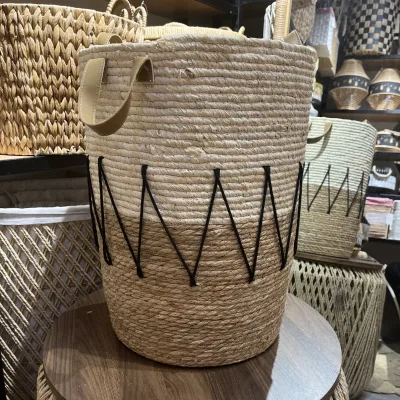
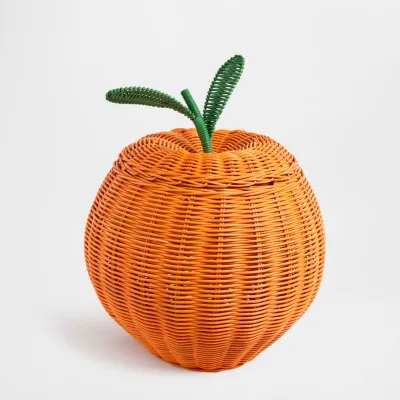
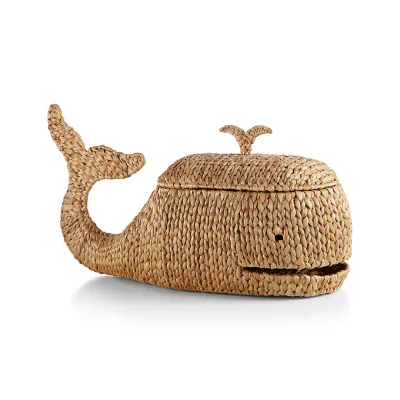
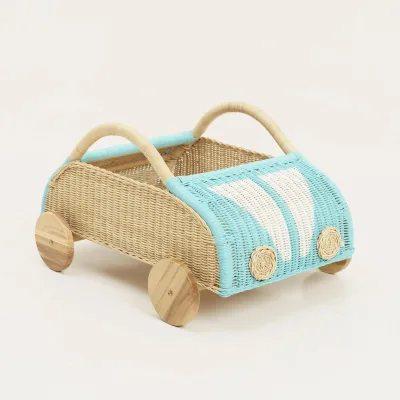
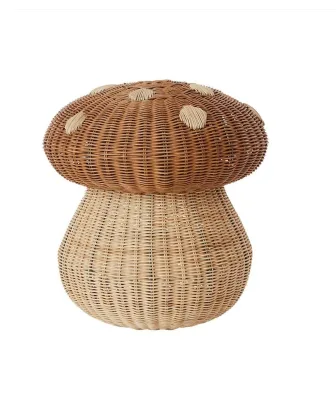
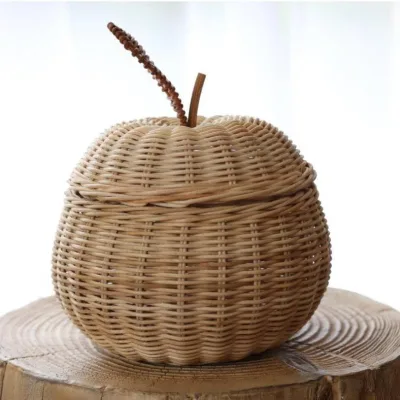
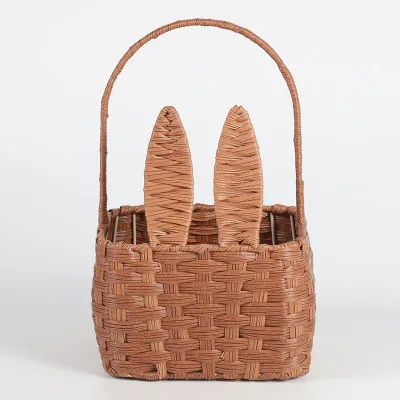
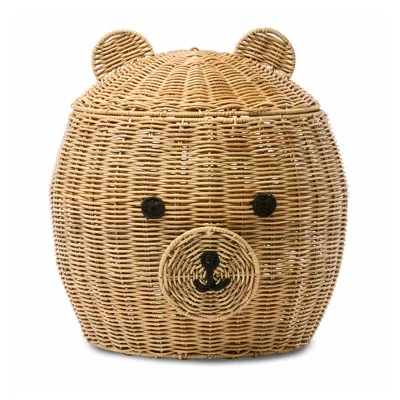
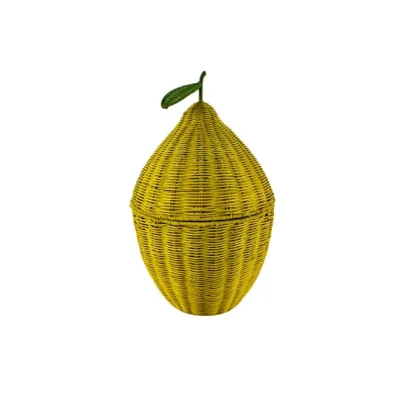
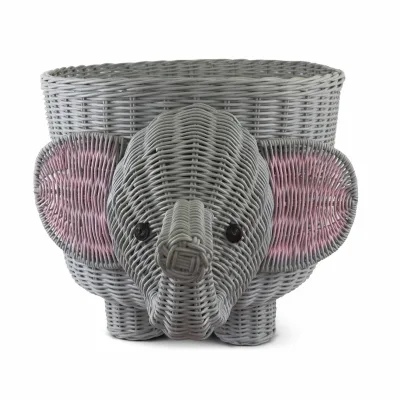
When sourcing a Kid Toy Rattan Storage Basket, the primary objective is to identify a product that balances aesthetic appeal with the rigorous safety and durability requirements of children's environments. Based on the available market data, the core material for these units is consistently identified as rattan. This natural fiber offers a distinct advantage in the children's market due to its perceived eco-friendliness and organic texture, which aligns with modern parenting preferences for sustainable home goods. The product is frequently categorized under "Storage Baskets" or specifically as "Rattan fruit shape basket" and "animal shaped" variants, indicating a strong design trend toward playful, organic forms rather than purely geometric containers.
The functional design of these baskets is multifunctional, serving dual purposes as both storage solutions and decorative elements within a child's room. The observed attributes suggest a "Modern" style with "Flexible" functional designs, allowing them to fit seamlessly into various interior decors. A critical observation regarding the material is the "Glossy" technics applied to some units, which may indicate a protective coating. Buyers must verify the nature of this finish, as children's products require non-toxic, lead-free, and phthalate-free surface treatments. The "Eco-Friendly" feature is a recurring attribute in the supply data, suggesting that manufacturers are positioning these items as sustainable alternatives to plastic storage. However, the term "Eco-Friendly" should be treated as a marketing observation rather than a certified guarantee unless accompanied by third-party documentation.
The physical dimensions of these baskets vary significantly across listings. Specific observations note a "Single package size" of 38x30x21 cm for larger units, while other data points list a compact 2x2x2 cm specification, which likely refers to a sample or a specific component rather than the final assembled product. The "Capacity" is observed to range between 20-35 liters, a volume suitable for storing toys, books, or blankets. Weight tolerances are noted as strictly controlled, with some listings specifying a tolerance of less than ±1% and others at ±5%, indicating that manufacturers are conscious of shipping costs and structural consistency. The "Single gross weight" varies from 0.002 kg for sample units to 3.0 kg for full sets, highlighting the importance of verifying the actual weight of the finished good for logistics planning.
Technical Specifications and Dimensional Standards
Technical precision is paramount when selecting storage solutions for children, where fit and stability are critical. The supply data indicates a high degree of customization regarding shape, with "Custom" and "animal shaped" options available. This flexibility allows buyers to source baskets that match specific branding or thematic requirements. However, the dimensional tolerances vary across different product listings. Some specifications cite a tight tolerance of less than ±1mm, while others allow for a broader range of less than ±2mm or even less than ±2cm. For a procurement strategy focused on high-quality children's products, the tighter tolerance ranges (±1mm to ±2mm) should be prioritized to ensure that the baskets stack neatly and fit within designated storage spaces without gaps or instability.
The "Size" attribute is listed as "M" or "Small" in various contexts, suggesting a modular approach to sizing. The "Specification" field mentions dimensions of 80x60x40 cm, which likely represents a large storage unit or a specific model number rather than a standard basket size. Buyers must clarify whether the ordered unit corresponds to the "M" size or the larger 80x60x40 cm specification to avoid fulfillment errors. The "Shape" is described as "customized" or "animal shaped," which introduces a variable in the manufacturing process. Unlike standard rectangular boxes, shaped baskets require specific mold designs or weaving patterns, which can impact the lead time and the minimum order quantity (MOQ).
Packaging specifications are equally important for protecting the product during transit. The standard packing method observed is "1 set/Polybag," which provides a basic layer of protection against dust and moisture. However, for international shipping, additional outer cartons are typically required. The "Single package size" of 38x30x21 cm serves as a baseline for calculating container loading efficiency. Buyers should also note the "Custom packaging" acceptance, which allows for branding opportunities but may incur additional costs or require a higher MOQ. The "Weight tolerance" of less than ±1% or ±5% is a critical quality metric; a tighter tolerance suggests better quality control in the weaving and assembly process, ensuring that every unit in a shipment has consistent weight and structural integrity.
Compliance, Certification, and Safety Verification
While the provided data highlights the "Eco-Friendly" nature of the rattan material, it does not explicitly list specific safety certifications such as ASTM F963 (Standard Consumer Safety Specification for Toy Safety) or EN71 (European Standard for Toy Safety). This absence underscores the necessity for buyers to conduct their own due diligence regarding compliance. Rattan is a natural material, but the processing methods, including dyeing, coating, and gluing, introduce potential chemical risks. The "Glossy" finish mentioned in the technical attributes requires verification to ensure it meets the heavy metal limits and flammability standards applicable to children's products in the target market.
Buyers must verify that the manufacturer adheres to the "100% quality check before shipment" protocol observed in the supply data. This internal QC process is a positive indicator but does not replace external third-party testing. For products intended for children, it is essential to request test reports from accredited laboratories confirming that the rattan fibers are free from mold, pests, and harmful chemicals. The "Place of origin" is listed as both Shandong, China, and Guangxi, China, indicating that multiple manufacturing hubs exist for this product type. Different regions may have varying levels of regulatory oversight and industry standards, so buyers should confirm the specific factory location and its compliance history.
The "Load" capacity is observed to be between 5-10 kg. While this indicates structural strength, it does not guarantee safety under dynamic conditions typical of children's play. A basket rated for 10 kg static load may fail if a child climbs on it or if the load is distributed unevenly. Therefore, buyers should request specific structural integrity test results that simulate real-world usage scenarios. Additionally, the "Customized Logo" feature requires attention to the inks or materials used for branding. These must also be non-toxic and durable, as children's products often undergo frequent handling and cleaning.
Cost Drivers and Pricing Dynamics
The pricing for kid toy rattan storage baskets is influenced by several key factors, including material sourcing, labor intensity, and customization levels. The observed price range in the market is between 1 and 20.3 USD, a wide spectrum that reflects differences in size, complexity, and quality. The lower end of this range likely corresponds to smaller, simpler designs or bulk orders with minimal customization, while the higher end may represent larger units, complex animal shapes, or premium finishes. The "MOQ" (Minimum Order Quantity) is a significant cost driver, with observed ranges from 1 to 500 units. However, a specific high-confidence fact notes an MOQ of 100 pcs, which suggests that for standard orders, buyers should expect to commit to at least this volume to secure the best unit price.
Customization is a primary driver of cost variance. The ability to accept "Customized Logo" and "Custom packaging" adds value but also increases production complexity. Buyers should anticipate that orders with custom branding or unique shapes will command a higher price per unit compared to standard "color 1" through "color 6" options. The "Sample time" of 3-7 days or 3-5 days indicates that the initial prototyping phase is relatively quick, but the "Shipment Time" of 25-35 days after down payment suggests a longer production cycle for bulk orders. This lead time is influenced by the "technics" used, such as the "Glossy" finish, which may require additional drying or curing time.
The "Single gross weight" of 3.0 kg for a full set significantly impacts shipping costs. Rattan is lightweight compared to wood or metal, but the volume occupied by the baskets can lead to high volumetric weight charges. Buyers should optimize packaging to minimize the "Single package size" of 38x30x21 cm to reduce freight expenses. Additionally, the "Capacity" of 20-35 liters means that larger baskets will consume more container space, affecting the cost per unit when shipped via sea freight. Understanding these cost drivers allows buyers to negotiate more effectively and plan their budget for both the product cost and the logistics expenses.
Supplier Evaluation and Operational Reliability
Evaluating suppliers for rattan storage baskets requires a focus on their production capabilities, quality control systems, and logistical reliability. The data indicates that manufacturers are located in Shandong and Guangxi, China, regions known for their manufacturing infrastructure. A key differentiator among suppliers is the "Manufacturer" identity, with "Eco Farmie" mentioned as a specific entity. While buyers should not rely on a single name, they should look for suppliers who demonstrate transparency in their operations and provide clear documentation of their processes. The "100% quality check before shipment" is a standard practice, but buyers should verify the specific checkpoints and the qualifications of the QC personnel.
The "Sample time" of 3-5 days is a strong indicator of a responsive supplier. Quick turnaround on samples allows buyers to evaluate the product quality, finish, and dimensions before committing to a large order. However, the "Shipment Time" of 25-35 days after down payment requires careful planning. Buyers must ensure that their inventory management systems can accommodate this lead time to avoid stockouts. The "MOQ" of 100 pcs is a standard threshold, but some suppliers may offer lower quantities for a premium price. Buyers should assess whether their order volume justifies the MOQ or if they can consolidate orders with other products to meet the requirement.
Reliability is also measured by the supplier's ability to handle "Custom packaging" and "Customized Logo" requests without compromising the delivery schedule. The "Functional Design" being "Multifunction" and "Flexible" suggests that the supplier has the technical expertise to adapt to changing market trends. Buyers should request references or case studies from previous clients to validate the supplier's track record. Additionally, the "Weight tolerance" of less than ±1% or ±5% is a metric that reflects the supplier's precision. A supplier consistently meeting the tighter tolerance is likely to have more robust quality control systems and better production processes.
Long-Term Procurement and Application Strategy
The long-term success of sourcing kid toy rattan storage baskets depends on the product's versatility and the supplier's ability to scale. The "Usage" of "Home Storage" and "Neatening/Storage" indicates that these baskets are not limited to children's rooms but can be used throughout the home. This versatility increases the potential market size and reduces the risk of obsolescence. The "Season: All Season" attribute further supports the idea that these products have year-round demand, making them a stable addition to a buyer's portfolio. The "Color" options ranging from "color 1" to "color 6" and "Natural" allow for seasonal marketing campaigns and product line expansions.
For long-term procurement, buyers should consider the "Eco-Friendly" trend as a strategic advantage. As consumer awareness of sustainability grows, products made from natural materials like rattan are likely to maintain or increase their market share. However, buyers must stay vigilant about supply chain disruptions that could affect the availability of raw rattan. Establishing a relationship with a supplier who has a stable supply of raw materials and a flexible production line is crucial. The "Custom" shape and "animal shaped" options provide opportunities for product differentiation, allowing buyers to create unique offerings that stand out in a crowded market.
Quality control remains a critical long-term consideration. The "Dimensional tolerance" of less than ±1mm to ±2cm and "Weight tolerance" of less than ±1% to ±5% are metrics that should be monitored continuously. Buyers should implement a system for regular quality audits and feedback loops with the supplier to ensure that the product quality remains consistent over time. The "Single gross weight" and "Single package size" should also be reviewed periodically to optimize logistics costs as the product evolves. By focusing on these long-term factors, buyers can build a sustainable and profitable sourcing strategy for kid toy rattan storage baskets.
Comparative Analysis of Product Specifications
To facilitate informed decision-making, the following table summarizes the key technical and operational specifications observed in the market data. This comparison highlights the variability in attributes and helps buyers identify the specifications that best align with their procurement needs.
| Specification Category | Observed Value / Range | Notes for Buyers |
|---|---|---|
| Material | Rattan | Verify non-toxic coating and finish. |
| Product Name | Storage Basket, Rattan fruit shape basket | Confirm specific shape (animal vs. fruit). |
| Size | M, Small, 806040cm | Clarify if "M" or 80cm refers to the ordered unit. |
| Capacity | 20-35L | Ensure capacity matches intended storage volume. |
| Weight Tolerance | <±1% (Include) to <±5% | Prioritize tighter tolerance for consistency. |
| Dimensional Tolerance | <±1mm to <±2cm | Tighter tolerance (±1mm) preferred for stacking. |
| MOQ | 100 pcs (High Confidence) | Range observed 1-500; 100 is standard baseline. |
| Sample Time | 3-5 Days or 3-7 Days | Verify current lead time with specific supplier. |
| Shipment Time | 25-35 Days after down payment | Plan inventory accordingly. |
| Packing | 1 set/Polybag | Confirm outer carton requirements for shipping. |
| Load Capacity | 5-10 kg | Verify structural integrity for dynamic loads. |
| Origin | Shandong, China; Guangxi, China | Confirm specific factory location for compliance. |
| Finish | Glossy | Check for non-toxic, child-safe coating. |
| Customization | Logo, Shape, Packaging Accepted | Assess cost impact of custom requests. |
This table serves as a reference point for buyers to compare potential suppliers and ensure that the selected product meets all necessary technical and operational requirements. By carefully reviewing these specifications, buyers can mitigate risks and ensure a successful procurement experience for kid toy rattan storage baskets.
FAQs
What is the typical MOQ for kid toy rattan storage baskets?
The typical minimum order quantity is 100 pieces for standard orders. Some suppliers may accept lower quantities, but the 100-piece threshold is the high-confidence baseline for securing unit pricing and production slots.
How long does it take to receive samples for these baskets?
Sample preparation typically requires 3 to 7 days after the request is made. Buyers should plan for this short lead time before committing to bulk production, which generally takes 25 to 35 days after the down payment.
Which material is used to construct these storage baskets?
These baskets are constructed primarily from rattan, a natural fiber known for its eco-friendly properties. The material is often finished with a glossy technique and is available in multiple color options ranging from natural to various dyed shades.
Can buyers request customized logos on the storage baskets?
Yes, manufacturers accept customized logos to help buyers build brand identity. This customization is available alongside options for custom packaging, though it may influence the final unit price and production timeline compared to standard items.
What is the load capacity of a single rattan storage basket?
A single basket typically supports a load between 5 and 10 kilograms. This capacity makes them suitable for storing toys, books, or blankets, though dynamic usage by children requires careful supervision to ensure structural safety.
How are these baskets packaged for shipment?
The standard packing method is one set per polybag to protect against dust and moisture. For international shipping, additional outer cartons are usually required, and the single package size varies from compact samples to larger units measuring 38x30x21 cm.