Source Kids Art Table for Kindergarten, Preschool, and Daycare
Explore 30 verified options for a Kids Art Table designed for kindergarten, preschool, and daycare centers. Buyers can compare modern designs, material types like wood and metal, and customization services from suppliers in China.
Key considerations
Products List


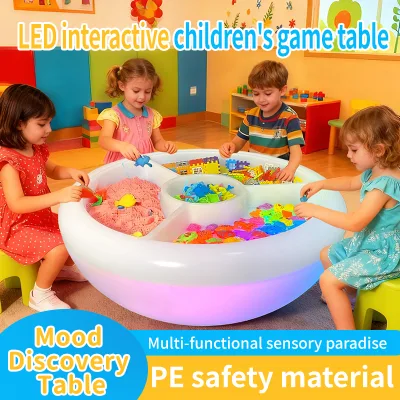
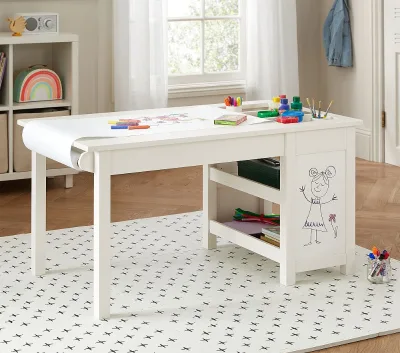
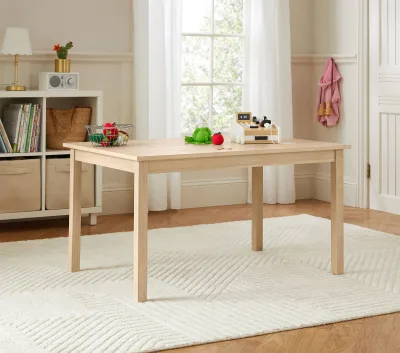
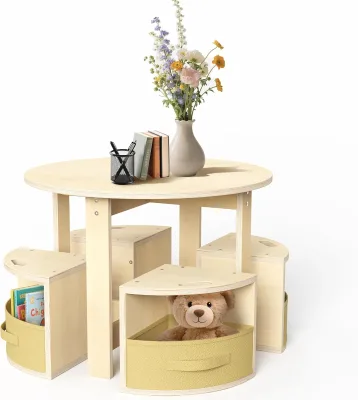
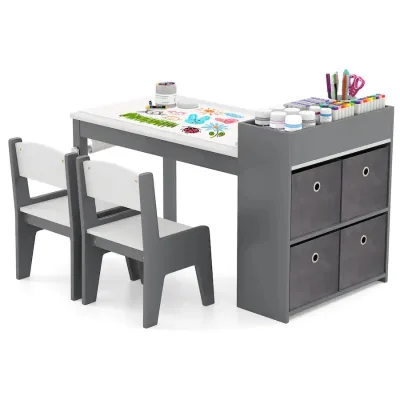
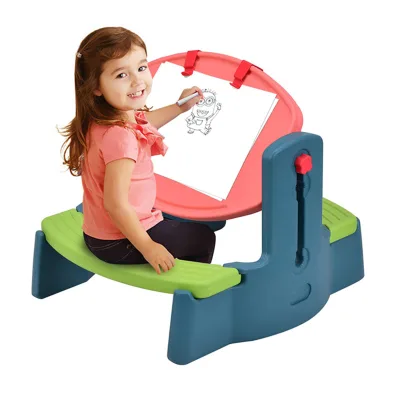


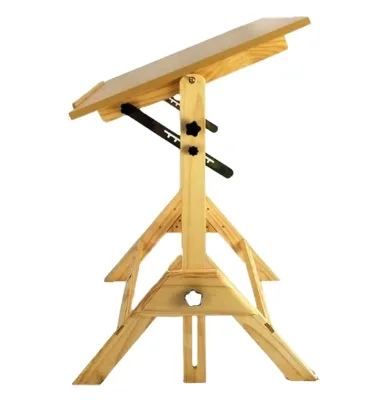
Adjustable Art Drawing Table for Creative Professionals and Students
$145.00 - $150.00
MOQ: 100 Pieces

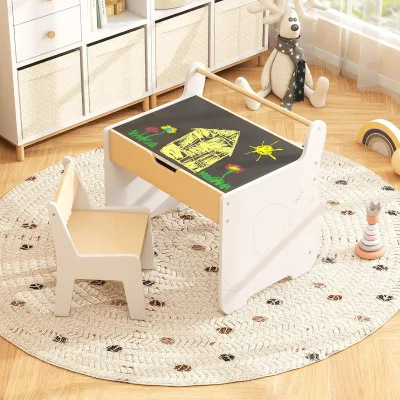


$35.00 - $50.00
MOQ: 20 Pieces
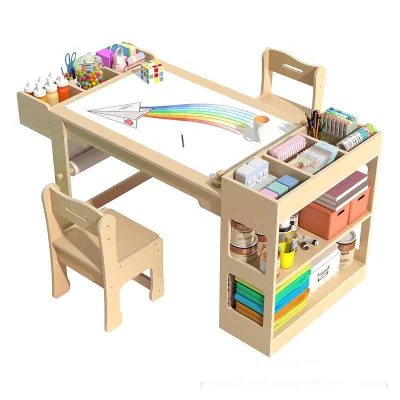

Wooden Desk Kids Study Table Children Study Table and Chair Height Adjustable Kid Desk
$115.00 - $139.00
MOQ: 100 Pieces

Kids Writing Table Chair Children Study Table and Chair Set Students Study Table
$128.00 - $149.00
MOQ: 50 Sets


Comprehensive Sourcing Guide
Strategic Sourcing Guide for Kids Art Tables
Selecting the right art tables for early childhood environments requires a disciplined approach that balances safety, durability, and functional design. For procurement professionals, the market offers a diverse array of options ranging from fixed wooden units to foldable metal structures. This guide synthesizes available product data to help buyers navigate the technical specifications, compliance requirements, and cost factors inherent in sourcing children's furniture. The focus remains on evidence-based attributes observed in current listings, ensuring that procurement decisions are grounded in verified product characteristics rather than speculative claims.
Technical Specifications and Material Composition
The foundation of any successful procurement strategy for kids art tables lies in a rigorous understanding of technical specifications. The market presents distinct variations in material composition, which directly influences the table's suitability for specific environments. Observations indicate a split between wood and metal constructions. Wood-based units are frequently cited with a "Modern" style and "Rectangle" shape, often featuring dimensions such as 1800900560mm. These large-format tables are typically designed for group activities in settings like kindergartens and daycare centers. Conversely, metal options utilize an iron base paired with a plastic table top, offering a different structural profile. These units often come in "Round" configurations, with diameters noted around 1160mm or 800mm, and heights varying between 480mm and 560mm.
Shape and configuration are equally critical. While rectangular tables dominate the wood category, round tables are prevalent in the metal and plastic sector. The "Folded" attribute reveals a significant functional divergence; some units are designed as "Unfolded" permanent fixtures, while others are "Folded" for storage efficiency. This distinction is vital for facilities with limited space. Furthermore, the "Rotary" attribute indicates that certain models feature a "Fixed" base, ensuring stability during vigorous artistic activities. Buyers must verify the specific model numbers, such as ZTX-0406 or SF-17K-1, as these identifiers often correlate with specific dimensional standards and material mixes. The "Table Base" is explicitly identified as iron in certain listings, providing a robust foundation, while the "Table Top Material" is listed as plastic, which offers easy cleaning capabilities essential for art projects involving paint and glue.
Compliance, Certification, and Safety Standards
In the realm of children's furniture, compliance is not merely a regulatory hurdle but a core component of product value. Sourcing guides must prioritize products that adhere to recognized international standards. Available data highlights several key certifications and standards that buyers should look for. The "ISO9001: 2008" and "ISO9001: 14001" standards appear in product specifications, indicating that the manufacturer maintains quality management and environmental management systems. Additionally, the "FSC" (Forest Stewardship Council) certification is noted, which is crucial for wood-based products to ensure sustainable sourcing of timber.
Beyond manufacturing standards, specific product certifications are essential for market entry and safety assurance. Listings reference "SGS," "ISO," "TUV," and "BV" as certificates, suggesting third-party verification of product safety and quality. For electrical or specific material safety, "RoHS," "CCC," and "CE" certifications are also observed. These marks are particularly relevant for plastic components and metal bases, ensuring that materials do not contain harmful substances and meet regional safety regulations. Buyers must verify that the specific unit they are purchasing carries the relevant certification for their target market, as the presence of a manufacturer's general ISO certification does not automatically guarantee that every individual product model has passed specific safety tests like SGS or TUV. The "Certification" field often lists multiple standards, and procurement teams should cross-reference these against local regulations for kindergarten and nursery equipment.
Cost Drivers and Pricing Dynamics
Understanding the cost structure of kids art tables requires analyzing the interplay between materials, customization, and order volume. The observed price range in the market spans from $5.90 to $415.38 USD, a wide disparity that reflects differences in material quality, size, and complexity. Smaller, round, foldable metal tables with plastic tops tend to occupy the lower end of this spectrum, while larger, rectangular wooden tables with modern finishes command higher prices.
The "MOQ" (Minimum Order Quantity) is a significant cost driver. Data shows an MOQ range from 1 to 1000 units, with specific listings citing an MOQ of 20 sets for certain metal and plastic models. Higher order volumes generally unlock better unit pricing, but buyers must balance this against storage costs and budget constraints. Customization is a major factor influencing cost; while "Customization" is listed as "Available" for many products, some are marked as "Non-Customized." Custom orders often involve additional tooling or design fees, which can push the price toward the upper limit of the observed range. Additionally, the "Lifetime" of the furniture, estimated at 3-8 years for normal use, should be factored into the total cost of ownership. A slightly higher upfront cost for a unit with a 5-8 year lifespan may offer better long-term value compared to a cheaper unit with a shorter durability profile.
Typical Applications and Usage Scenarios
The intended application of the art table dictates the required specifications. The data explicitly links these products to "Kindergarten," "Preschool," "Nursery," "Daycare Center," and "Home" environments. The "Usage" field further expands this to include "Classroom," "Meeting Room," "Hall," and "Playground." This versatility suggests that while the primary design intent is for early childhood education, the robust construction allows for multi-purpose use in larger community spaces.
For "Kindergarten" and "Nursery School" settings, the "Furniture Type" is consistently identified as "Children Furniture" or "Children Bookcase," though the art table function is distinct. The "For Ages" attribute notes suitability for children aged 3 and up, which aligns with the developmental stage where fine motor skills and artistic expression begin to flourish. The "Installation" process is supported by "Installation Struction Map with All Parts Pictures," which is critical for facilities that may not have dedicated on-site assembly teams. Whether the table is "Unfolded" for permanent placement or "Folded" for temporary use in a "Hall" or "Playground," the design must accommodate the specific spatial and safety needs of the environment. The "Service" attribute, offering "OEM&ODM," indicates that suppliers can tailor products for specific institutional branding or unique spatial requirements, making them suitable for large-scale procurement projects.
Supplier Evaluation and Origin Verification
When evaluating potential suppliers, the "prod_origin" is a key data point. The majority of the observed products originate from "China," with a specific subset noted as coming from "Guangdong." Guangdong is a recognized manufacturing hub for furniture, implying a mature supply chain and established logistics networks. However, origin alone does not guarantee quality; it must be paired with the supplier's adherence to the previously mentioned standards.
Buyers should scrutinize the "Service" capabilities, specifically the availability of "OEM&ODM" services. This indicates a supplier's flexibility in producing custom designs or private-label goods. The "Installation" support, described as providing a map with pictures of all parts, is a strong indicator of a supplier's commitment to after-sales support and ease of deployment. Additionally, the "Warranty Time" of 1 year is a standard offering, but buyers should verify if this covers structural integrity or just surface finishes. The "Patent" attribute, mentioning "Everpretty," suggests that some designs may be proprietary, which could be a differentiator for buyers seeking unique products. When comparing suppliers, the consistency of the "prod_standard" and "prod_packing" (e.g., "Export Standard Carton") across different models is a reliable metric for assessing the supplier's operational maturity.
Quality Control and Long-Term Procurement Considerations
Ensuring long-term value requires a focus on quality control measures and durability. The "Lifetime" of the furniture is a critical metric, with observations ranging from 3 to 8 years in normal use. This variance suggests that quality control processes must be robust to ensure the product meets the higher end of this lifespan. The "Material" composition plays a significant role here; wood and metal/plastic combinations offer different wear characteristics. For instance, the "Table Top Material" being plastic is advantageous for cleaning, but the "Table Base" being iron must be treated to prevent rust, especially in humid environments like nurseries.
The "prod_packing" method, described as "Export Standard Carton" or "Packing in Carton and Fabric(Kd)," is essential for preventing damage during transit. "Kd" likely refers to Knock-Down packaging, which reduces shipping volume and cost but requires precise assembly instructions. The "Delivery Time" of 20-30 working days is a standard lead time for international orders, but buyers should verify this against their project timelines. Long-term procurement strategies should also consider the "Customized" nature of the product. If a facility requires specific dimensions or colors, the "Customization" availability must be confirmed early in the process to avoid delays. Finally, the "Installation" documentation must be comprehensive to ensure that the furniture is assembled correctly, which directly impacts its safety and longevity. By focusing on these verified attributes, buyers can mitigate risks and ensure a successful procurement of kids art tables that meet the rigorous demands of early childhood education environments.
FAQs
What materials are used for kids art tables?
Kids art tables are primarily constructed from wood or metal with plastic tops. Wood units often feature a modern style and rectangular shape, while metal options utilize an iron base paired with a plastic table top for durability and easy cleaning in daycare environments.
Which certifications ensure safety for children furniture?
Relevant certifications include ISO9001, FSC, SGS, TUV, BV, RoHS, CCC, and CE. These marks verify quality management, sustainable sourcing for wood, and safety compliance for materials, ensuring the furniture meets international standards for kindergarten and nursery use.
How long do these tables typically last?
The expected lifetime ranges from 3 to 8 years in normal use depending on the model. A 1-year warranty is standard, and proper assembly using the provided instruction map helps maximize the durability of the furniture in high-traffic educational settings.
Can I customize the size and design?
Customization is available for many models, allowing for specific dimensions and styles. However, some units are non-customized, and buyers must verify the specific product model to confirm if OEM or ODM services can be applied to their unique requirements.
What is the minimum order quantity for purchase?
The minimum order quantity varies significantly, ranging from 1 to 1000 units across different listings. Specific metal and plastic models often require an MOQ of 20 sets, while other suppliers may offer lower thresholds for smaller procurement needs.
How are the tables shipped and packed?
Products are typically packed in export standard cartons or carton and fabric knock-down packaging. This method reduces shipping volume and protects the furniture during transit, with delivery times generally spanning 20 to 30 working days from the origin.