Source Kid Proof Rugged iPad Case for School, Travel, and Home
Find 30 Kid Proof Rugged iPad Case options featuring TPU and leather materials with shock absorption and stand functions. Compare waterproof and dirt-resistant designs from Shenzhen suppliers to select the best protective cover for educational and daily use.
Key considerations
Products List


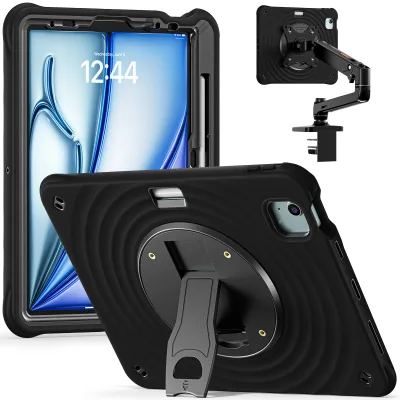


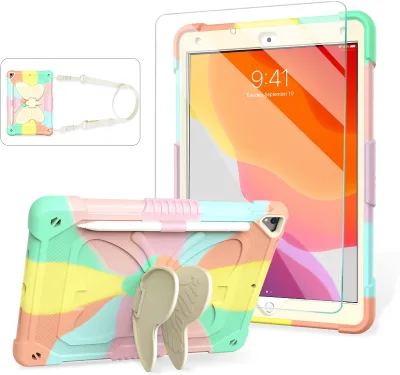


for iPad 10.2-789 with Bracket Rugged Shockproof Silicone Protective Case
$4.70 - $4.90
MOQ: 100 Pieces


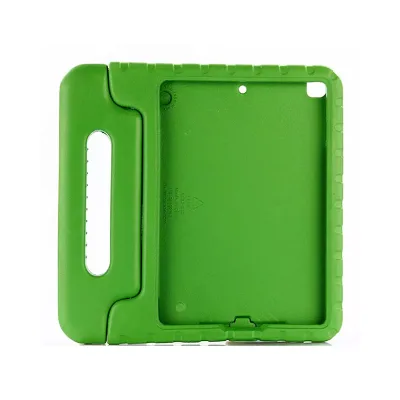
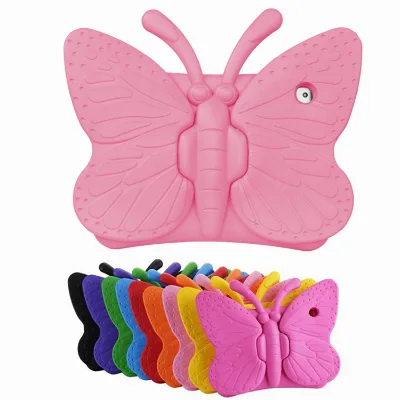
Comprehensive Sourcing Guide
Kid Proof Rugged iPad Case Sourcing Guide
Sourcing protective enclosures for children’s tablets requires a careful balance between durability, usability, and safety. The term "kid proof" is often used in marketing to imply ruggedness, but in a B2B context, it refers to specific design features such as shock absorption, dirt resistance, and secure locking mechanisms. Buyers must distinguish between marketing claims and verifiable physical attributes, focusing on materials like TPU and leather composites that offer varying degrees of protection. The goal is to secure products that can withstand drops, spills, and rough handling while maintaining the functionality of the device inside.
This guide outlines the essential steps for sourcing these cases, from understanding product scope to verifying long-term supplier reliability. It draws on observed market data and standard procurement practices to help buyers make informed decisions. By focusing on technical specifications, compliance, and commercial terms, procurement teams can mitigate risks associated with low-quality imports and ensure that the final products meet the rigorous demands of educational institutions, parents, and retailers.
Product Scope and Observed Listing Signals
The current market for rugged iPad cases presents a diverse range of options, with observed price points ranging from $2.50 to $65.00 USD and minimum order quantities (MOQs) varying significantly from 1 to 3,000 units. This wide spectrum indicates that buyers can find solutions for both small-scale custom orders and large-volume retail distributions. The presence of customization options, including logo printing and OEM/ODM services, suggests that many suppliers are equipped to handle branded projects. Buyers should note that lower price points often correlate with basic protective features, while higher prices may include advanced functionalities like magnetic wireless keyboards or multi-touch trackpads.
Observed listings reveal a mix of materials and styles, including TPU, leather, and hybrid constructions. Some products are designed specifically for leisure and decoration, featuring elements like stands, magnets, and hock-proof designs. Others are more utilitarian, focusing on shock absorption and dirt resistance. The compatibility with various iPad models, including the 9th, 8th, and 7th generations, as well as Pro sizes, is a critical factor. Buyers must verify that the case fits the specific device model intended for use, as dimensions can vary slightly between generations. The availability of both waterproof and non-waterproof options further expands the scope, allowing buyers to select products based on the intended environment, such as outdoor use versus classroom settings.
Technical Specifications to Verify
When evaluating technical specifications, buyers should prioritize the hardness and material composition of the case. Observed data indicates a range from "Medium Soft" to "Partial Hard" hardness levels, which directly impacts the level of protection offered. TPU cases often provide flexibility and shock absorption, while leather or hybrid cases may offer a more premium feel with moderate protection. It is essential to verify the exact dimensions of the case, as observed standards include measurements like 10.24 x 7.48 x 0.39 inches and 25 x 192.8 x 17.2 mm. These dimensions must align with the target iPad model to ensure a snug fit that prevents movement and potential damage.
Additional features such as connectivity and functionality should also be scrutinized. Some rugged cases integrate Bluetooth 5.1 keyboards with 7-color backlighting and Type-C charging ports, adding value for educational use. Others focus on passive protection, offering features like pen slots, stand functions, and magnetic absorption for secure attachment. Buyers should confirm whether the case supports multi-touch trackpads or if it is purely a protective shell. The presence of a sleep function, which automatically puts the iPad to sleep when the case is closed, is another important technical detail that enhances usability. Verifying these specifications ensures that the product meets the functional needs of the end-user.
Compliance and Safety Documentation
Safety is paramount when sourcing products for children, and buyers must ensure that all materials used in the cases are non-toxic and free from harmful chemicals. While specific certification statuses are not provided in the observed data, buyers should request documentation confirming compliance with relevant safety standards, such as those for plastic and leather components. This includes verifying that the TPU and leather materials meet international safety regulations for consumer electronics accessories. Buyers should also check for any specific standards related to flammability or chemical content, such as UL913, if applicable to the region of sale.
In addition to material safety, buyers should verify the structural integrity of the cases. This involves reviewing test results for drop resistance, impact absorption, and durability under repeated use. Although specific test data is not available in the observed listings, buyers should ask suppliers for third-party lab reports or internal quality control records. Ensuring that the cases can withstand typical child-related abuse, such as dropping from waist height or exposure to spills, is crucial. Buyers should also confirm that any electronic components, such as integrated keyboards, are safely enclosed and do not pose a choking hazard or electrical risk.
Cost Drivers and Commercial Terms
The cost of rugged iPad cases is influenced by several factors, including material quality, customization options, and order volume. Observed MOQs range from 1 to 3,000 units, with lower MOQs often commanding higher per-unit prices. Buyers should consider the trade-off between volume discounts and the flexibility of smaller orders. Customization, such as logo printing or OEM packaging, typically adds to the cost but can enhance brand value. The inclusion of additional features, like wireless keyboards or magnetic stands, also increases the price point. Understanding these cost drivers helps buyers budget effectively and negotiate favorable terms.
Commercial terms vary among suppliers, with common payment methods including T/T, Western Union, and PayPal. Lead times for production are observed to range from 2 to 10 days after payment confirmation, which is relatively fast for customized goods. Buyers should clarify shipping methods, such as DHL, UPS, FedEx, or EMS, and who bears the cost of freight. Sample availability is another important consideration, with some suppliers offering 1-2 free samples when in stock. This allows buyers to evaluate product quality before committing to a large order. Clear communication of these terms helps avoid unexpected costs and delays.
Supplier Qualification and Quality Control
Supplier qualification is a critical step in the sourcing process, especially for products intended for children. Buyers should verify the supplier’s location, with many observed suppliers based in Shenzhen, China, a hub for electronics manufacturing. Assessing the supplier’s experience in producing rugged cases and their ability to handle OEM/ODM requests is essential. Buyers should request references or case studies to gauge the supplier’s reliability and consistency. Additionally, verifying the supplier’s capacity to meet production deadlines and handle quality issues is crucial for maintaining supply chain stability.
Quality control measures should be clearly defined and agreed upon before placing orders. Buyers should establish inspection criteria, including visual checks for defects, functional tests for integrated features, and durability tests for shock absorption. Implementing a pre-shipment inspection process can help identify and rectify issues before the goods are dispatched. Buyers should also discuss the supplier’s policy for handling defective products, including replacement or refund options. Establishing a strong quality control framework ensures that the final products meet the expected standards and reduces the risk of customer complaints.
Long-Term Procurement Checks
Long-term procurement success depends on continuous monitoring of supplier performance and product quality. Buyers should establish key performance indicators (KPIs) to track metrics such as on-time delivery, defect rates, and customer satisfaction. Regular communication with suppliers helps address any emerging issues promptly and fosters a collaborative relationship. Buyers should also stay informed about changes in material regulations and safety standards, ensuring that the products remain compliant over time. This proactive approach helps maintain the integrity of the supply chain and protects the brand’s reputation.
Additionally, buyers should periodically review the product portfolio to ensure it remains relevant and competitive. This includes evaluating new features, materials, and designs that may enhance the product’s appeal and functionality. Feedback from end-users, such as parents and educators, can provide valuable insights into product performance and areas for improvement. By continuously adapting to market trends and customer needs, buyers can ensure that their rugged iPad case offerings remain successful and sustainable in the long run. This ongoing diligence helps secure a competitive advantage and drives business growth.
FAQs
What materials are used for kid proof rugged ipad cases?
These cases are constructed from TPU and leather materials to ensure durability. The TPU version offers medium soft hardness while the leather option provides partial hardness. Both materials are selected to support shock absorption and protect the device from daily wear.
Can these cases be customized with a logo?
Yes, customization is available for logo printing on the product. Some listings offer cases with logo printing while others provide options without it. Buyers can request customized logos through OEM and ODM services accepted by the suppliers.
Which iPad models are compatible with these cases?
The cases are designed to fit iPad 9th, 8th, and 7th Generation models with 10.2-inch screens. They also support iPad 10.2, 10.5, 11, and 12.9 Pro sizes. The product is explicitly listed as compatible with Apple iPhone and various iPad generations.
How long does it take to receive an order?
The lead time is typically 2 to 10 days after payment is confirmed. This duration applies to standard orders processed by the Shenzhen China based suppliers. Buyers should confirm specific timelines with the vendor before finalizing the purchase agreement.
What is the minimum order quantity for these cases?
The minimum order quantity ranges from 1 to 3000 units depending on the supplier. Specific listings indicate an MOQ of 20 units for certain models. Buyers can often request samples, with 1 to 2 samples available for free when in stock.
Are these cases waterproof and dirt resistant?
Some models are waterproof and dirt resistant while others are not waterproof. The product attributes list both waterproof and non-waterproof options depending on the specific case design. Buyers should verify the waterproof status for the specific model they intend to purchase.
What payment methods are accepted for these orders?
Accepted payment terms include T/T, Western Union, and Paypal. These methods are standard for transactions with the suppliers offering these products. Buyers must confirm the specific payment terms with the vendor before proceeding with the order.