Source Kids Popping Candy Lollipop for Parties, Gifts, and Retail
Find 30 options for Kids Popping Candy Lollipop from verified manufacturers. Compare specifications, packaging types, and certifications to select the best wholesale confectionery for your business needs. Explore various models and materials to ensure quality and safety for your target market.
Updated
Key considerations
Products List


Lollipop with Popping Candy Fruit Flavored Lollipop Toy Candy Children's Sweets
$0.033 - $0.034
MOQ: 360000 Pieces


Lollipop with Popping Candy Fruit Flavored Lollipop Toy Candy Snack
$0.033 - $0.034
MOQ: 360000 Pieces

Lollipop with Popping Candy Fruit Flavored Lollipop Toy Candy Confectionery
$0.033 - $0.034
MOQ: 360000 Pieces

Lollipop with Popping Candy Fruit Flavored Lollipop Toy Candy Candy Factory
$0.033 - $0.034
MOQ: 360000 Pieces

Lollipop with Popping Candy Fruit Flavored Lollipop Toy Candy Wholesale Candy Confectionery
$0.033 - $0.034
MOQ: 360000 Pieces
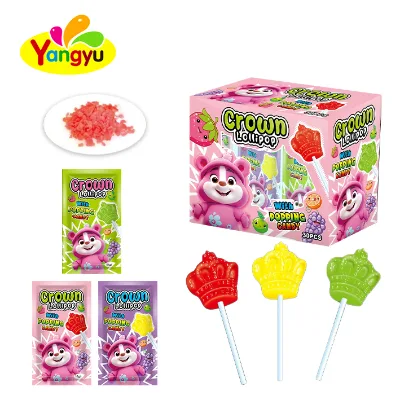
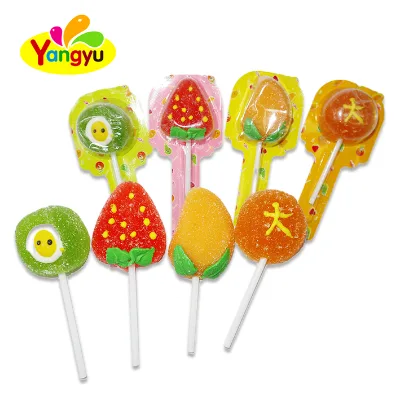
Children's Candy Snack Candy Little Yellow Duck Soft Candy Lollipop
$2.5941 - $2.6988
MOQ: 25000 pieces
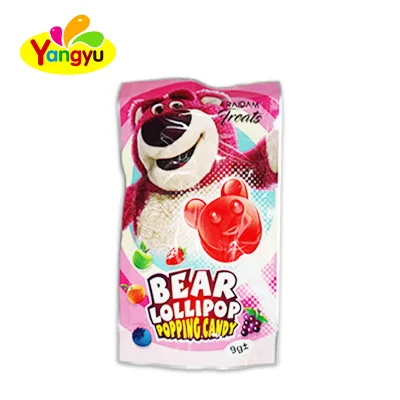
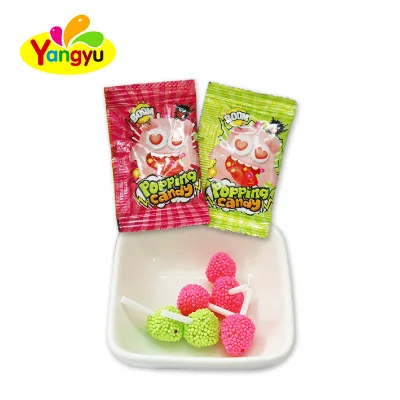
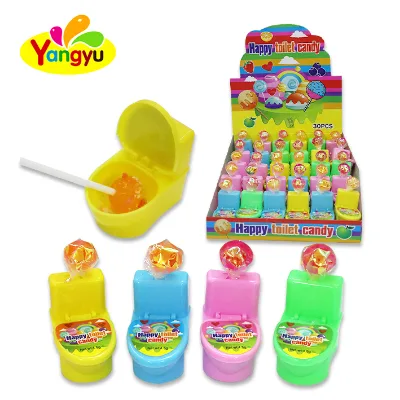
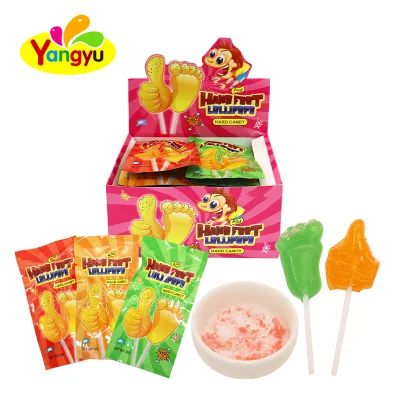
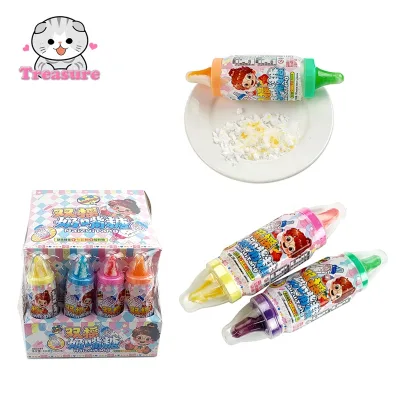
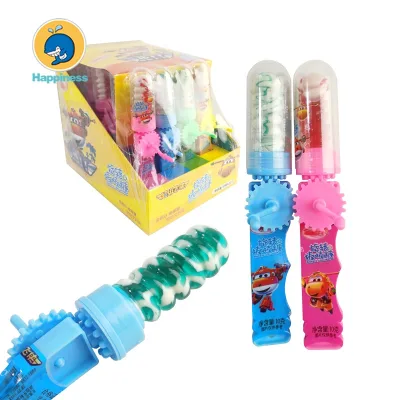
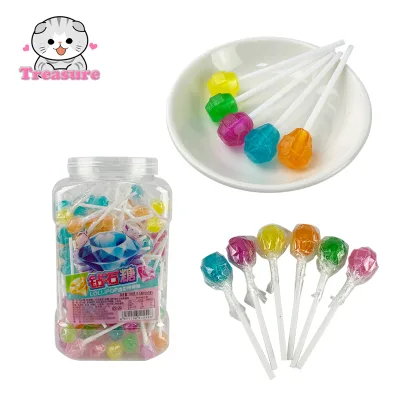
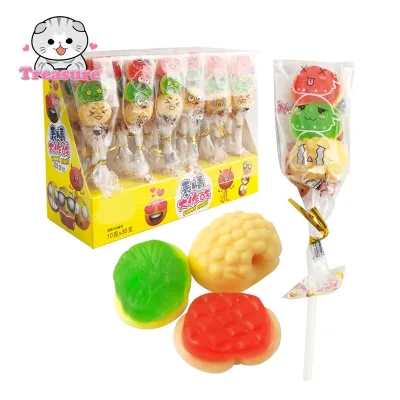
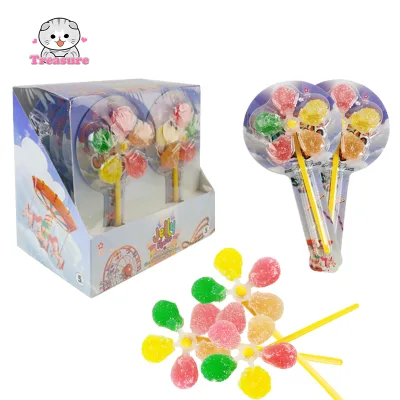
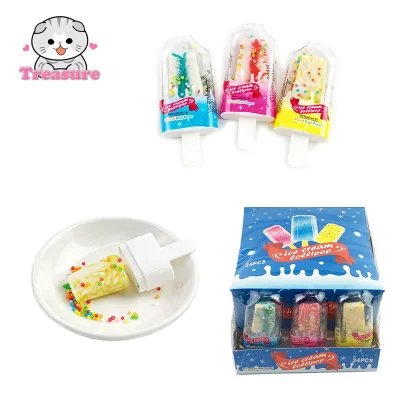
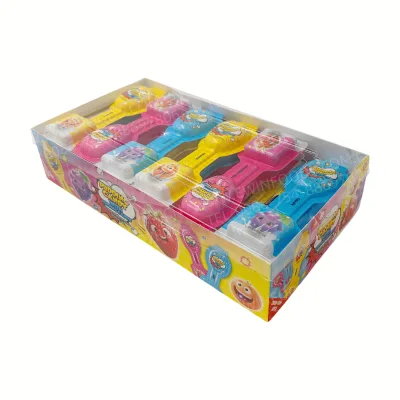
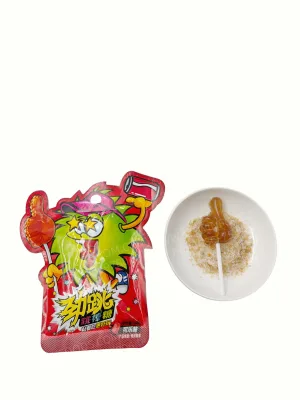
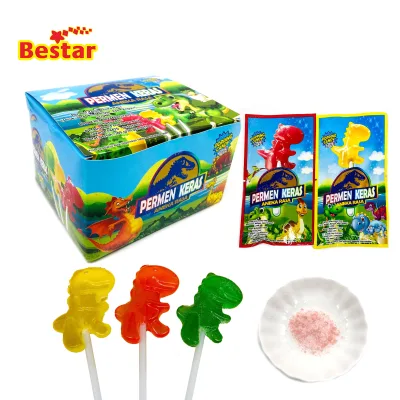
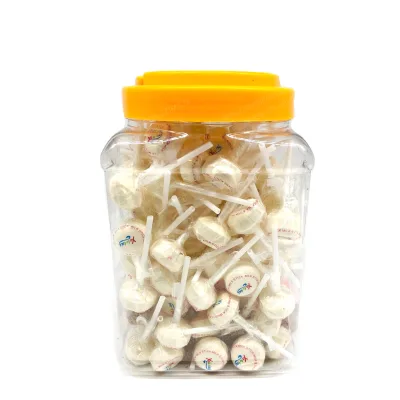

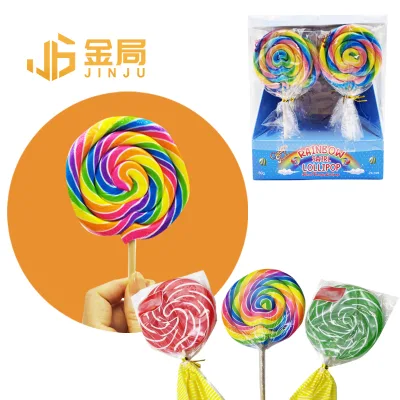
80g Variety Party Custom Lollipops Kids Swirl Pops Candy Lollipop Hard Candy Swirl Lollipop
$23.50 - $25.50
MOQ: 500 cartons
Comprehensive Sourcing Guide
Kids Popping Candy Lollipop Sourcing Guide
Sourcing children’s confectionery requires balancing sensory appeal with rigorous safety protocols, particularly when integrating effervescent elements like popping candy into lollipop formats. Buyers must recognize that this product category combines traditional hard candy structures with dynamic textural additives, creating a unique market segment that demands precise manufacturing control. The observed market signals indicate a diverse range of offerings, from simple fruit-flavored solids to complex two-in-one combinations featuring popping candy integrated directly into the lollipop base. Procurement teams should prioritize suppliers who demonstrate clear segmentation between adult and pediatric applications, ensuring that flavor profiles and physical dimensions align with child-safe consumption patterns.
The commercial landscape for these items reveals significant variability in packaging and customization options, which directly impacts logistics and shelf-life management. Evidence suggests that manufacturers offer OEM services and customizable packaging solutions, ranging from individual boxes to bulk corrugated cartons, allowing buyers to tailor their supply chain to specific retail or wholesale requirements. However, the presence of multiple product models and varying standard configurations necessitates careful verification of each supplier’s capabilities. Buyers should focus on establishing clear communication channels regarding ingredient transparency and storage requirements, as these factors are critical for maintaining product integrity from the factory floor to the end consumer.
Product Scope and Observed Listing Signals
The current market for kids popping candy lollipols presents a wide array of product variations, primarily distinguished by their form, ingredients, and target demographics. Observed listings highlight solid-form candies that often combine fruit sugar bases with popping candy elements, creating a dual-sensory experience. These products are frequently marketed under various keywords such as fruit candy, hard candy, and candy toys, indicating a broad appeal that extends beyond simple confectionery into the realm of interactive snacks. The application scope explicitly includes children, adults, and the elderly, suggesting that while the primary focus is on younger consumers, the product design accommodates a wider audience, which buyers must consider when defining their target market segments.
Packaging and storage requirements vary significantly across different product models, reflecting the diverse needs of global distribution channels. Some suppliers utilize plastic cans for primary packaging, while others opt for paper-based boxes or trays, each offering distinct protective qualities and aesthetic advantages. Storage instructions generally recommend normal conditions or cool places away from direct sunlight, emphasizing the need for climate-controlled logistics to preserve the effervescent properties of the popping candy. Buyers should note that customization is widely available, allowing for tailored branding and packaging solutions, but this flexibility requires early engagement with suppliers to ensure that design changes do not compromise the structural integrity of the lollipop or its protective casing.
Technical Specifications to Verify
Verifying technical specifications is paramount when sourcing popping candy lollipops, as the integration of effervescent particles into a solid candy matrix requires precise manufacturing tolerances. Buyers must confirm the exact model numbers and product standards associated with each order, as these identifiers often dictate the specific ingredient ratios and structural designs. For instance, certain models are defined by specific packing configurations, such as trays or five-layer corrugated boxes, which directly influence handling and stacking efficiency during transit. It is essential to validate that the product standard aligns with the buyer’s regional requirements, as some suppliers offer standards that are customizable to specific client needs, while others adhere to fixed industry norms.
The physical attributes of the lollipop, including its form and content composition, must be rigorously tested to ensure consistency and safety. The presence of popping candy within the lollipop structure introduces unique challenges regarding moisture control and texture retention, which can be affected by environmental conditions during storage and transport. Buyers should request detailed specifications regarding the weight distribution, stick material, and candy hardness to ensure that the product meets the expected sensory profile. Additionally, verifying the origin of production, particularly in regions known for confectionery manufacturing, can provide insights into the quality of raw materials and the efficiency of the production process, which are critical factors in maintaining product uniformity across large orders.
Compliance and Safety Documentation
Compliance with international safety and quality standards is non-negotiable when sourcing confectionery products for children, given the heightened scrutiny surrounding food safety. Buyers must verify that suppliers hold relevant certifications such as HACCP, FDA, ISO, and BRC, which demonstrate a commitment to rigorous quality management systems and food safety protocols. These certifications are not merely administrative formalities but serve as critical indicators of a supplier’s ability to maintain consistent product quality and adhere to strict hygiene standards throughout the manufacturing process. Procurement teams should request copies of these certificates and verify their validity with the issuing bodies to ensure that the supplier’s compliance status is current and comprehensive.
In addition to broad quality certifications, buyers must ensure that the product meets specific regulatory requirements for the target market, including labeling, ingredient disclosure, and allergen management. The instruction for use, typically straightforward for confectionery items, must be clearly communicated on the packaging to prevent misuse or choking hazards, especially for younger children. It is also crucial to verify that the product’s shelf life, often stated as twelve months, is accurately reflected in the packaging and that storage instructions are prominently displayed to guide retailers and consumers in maintaining product quality. Buyers should also confirm that the supplier provides detailed ingredient lists, as transparency is essential for managing consumer expectations and complying with local food labeling laws.
Cost Drivers and Commercial Terms
Understanding the cost drivers associated with kids popping candy lollipops is essential for effective budgeting and negotiation. The price range for these products can vary significantly based on factors such as packaging complexity, customization level, and order volume. Buyers should anticipate that higher levels of customization, such as unique packaging designs or specific ingredient formulations, may incur additional costs. Additionally, the choice of packaging material, whether plastic, paper, or corrugated cardboard, can impact the overall unit price due to differences in material costs and manufacturing processes. It is advisable to request detailed quotations that break down costs by component, allowing for a more accurate assessment of value and potential savings.
Commercial terms, including minimum order quantities (MOQ) and payment conditions, play a crucial role in the procurement strategy. Observed MOQs can range widely, from small trial orders to large bulk purchases, reflecting the flexibility of different suppliers. Buyers should negotiate terms that align with their inventory management capabilities and cash flow constraints, ensuring that they can secure sufficient stock without overcommitting resources. Lead times and shipping terms should also be clearly defined to avoid delays and additional logistics costs. Establishing a clear understanding of these commercial terms early in the sourcing process can help mitigate risks and ensure a smooth transaction from order placement to delivery.
Supplier Qualification and Quality Control
Supplier qualification is a critical step in ensuring the reliability and consistency of the supply chain for kids popping candy lollipops. Buyers should conduct thorough due diligence on potential suppliers, assessing their production capabilities, quality control processes, and track record in the confectionery industry. This includes verifying the supplier’s ability to meet specific product standards and their capacity to handle large volumes without compromising quality. It is also important to evaluate their responsiveness to customization requests and their ability to provide timely updates on order status. Suppliers with a strong reputation for quality and reliability are more likely to deliver products that meet the buyer’s expectations and maintain brand integrity.
Quality control measures should be implemented at various stages of the production process to ensure that the final product meets all specified requirements. Buyers should request samples for testing and evaluation before placing large orders, allowing for the identification of any potential issues with taste, texture, or packaging. Additionally, establishing clear quality assurance protocols, including regular inspections and audits, can help maintain consistent product quality over time. Buyers should also consider implementing a system for tracking and addressing any defects or complaints, ensuring that issues are resolved promptly and effectively. By prioritizing supplier qualification and robust quality control, buyers can minimize risks and ensure a steady supply of high-quality popping candy lollipops.
Long-Term Procurement Checks
Long-term procurement success depends on continuous monitoring and evaluation of supplier performance and market trends. Buyers should establish key performance indicators (KPIs) to track metrics such as delivery times, product quality, and customer satisfaction, allowing for data-driven decision-making and continuous improvement. Regular reviews of supplier performance can help identify areas for improvement and foster stronger partnerships based on mutual trust and collaboration. Additionally, staying informed about industry trends and regulatory changes is essential for adapting to evolving market conditions and maintaining compliance. Buyers should engage in ongoing dialogue with suppliers to discuss potential innovations, cost-saving opportunities, and strategic initiatives that can enhance the value proposition of the sourcing relationship.
Sustainability and ethical sourcing practices are increasingly important considerations in the confectionery industry, and buyers should prioritize suppliers who demonstrate a commitment to responsible business practices. This includes evaluating the supplier’s environmental impact, labor practices, and community engagement initiatives. By aligning with suppliers who share these values, buyers can enhance their brand reputation and meet the growing consumer demand for ethically produced products. Furthermore, building a resilient supply chain through diversification of suppliers and contingency planning can help mitigate risks associated with disruptions in production or logistics. By focusing on long-term relationships and strategic alignment, buyers can secure a competitive advantage and ensure the sustained success of their Kids Popping Candy Lollipop offerings.
FAQs
What certifications do the Kids Popping Candy Lollipop products have?
The products hold HACCP, FDA, ISO, BRC, and HALAL certifications. These credentials ensure compliance with international food safety standards. Buyers can verify these documents to meet regulatory requirements in their target markets. The certifications cover manufacturing processes and quality control measures for safe consumption.
Can I customize the packaging for these lollipops?
Yes, customization is available for these products. OEM services are offered to tailor packaging and branding to your specific needs. You can choose from options like plastic cans, paper boxes, or corrugated cartons. This flexibility allows you to align the product presentation with your brand identity and market preferences effectively.
What is the minimum order quantity for these candies?
The minimum order quantity is 500 cartons. This MOQ applies to standard bulk orders for wholesale distribution. Buyers should consider this threshold when planning their initial procurement strategy. Larger quantities may be available for established partners seeking to secure consistent supply chains for their retail networks.
How should these popping candy lollipops be stored?
Store the products in a cool place away from direct sunshine. Normal storage conditions are recommended to maintain quality. Avoid high humidity or heat sources that could affect the candy texture. Proper storage ensures the popping candy retains its effervescent properties and the lollipop remains fresh throughout its shelf life.
What is the shelf life of these fruit sugar candies?
The shelf life is 12 months from the date of production. This duration applies when stored under recommended conditions. Buyers can plan inventory management and distribution schedules accordingly. The stable shelf life supports long-term storage without compromising the taste or safety of the popping candy lollipops.
Where are these kids popping candy lollipops manufactured?
These products are manufactured in Guangdong, China. The origin indicates the production location for all listed models. Buyers can trace the supply chain back to this specific region. The manufacturing base supports various packaging options and customization services for international wholesale orders.