Source Knapsack Industrial Spray Powder Machine for Agriculture, Plastic Coating, and Metal Finishing
Compare 30 Knapsack Industrial Spray Powder Machine listings featuring parallel flow atomization and customizable heating modes. Buyers can evaluate options with steam or electric power sources, varying capacities, and CE or ISO certifications for diverse industrial needs.
Key considerations
Products List

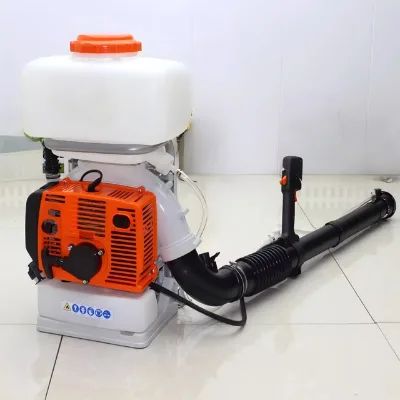
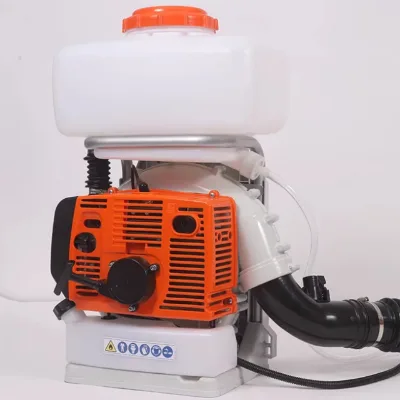


Fully Automatic Powder Spraying Line High Efficency Spraying Machine
$35000.00 - $60000.00
MOQ: 1 Sets


Professional Spray Drying Machine Supplier for Powder Production Industry
$10000.00 - $91000.00
MOQ: 1 Pieces


Powder Detergent Detergent Spray Dryer Industrial Hige-Speed Spray Dryer Machine
$20000.00 - $50000.00
MOQ: 1 Pieces


$7745.00 - $20000.00
MOQ: 1 Piece


Comprehensive Sourcing Guide
Strategic Sourcing Guide for Knapsack Industrial Spray Powder Machines
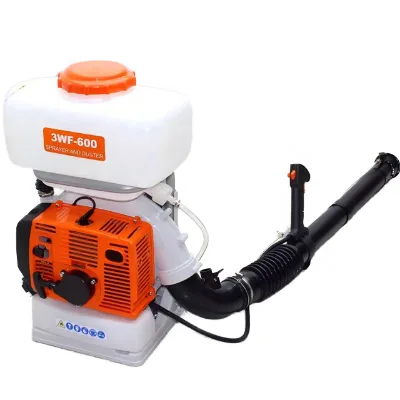
The procurement of a Knapsack Industrial Spray Powder Machine represents a critical decision for operations requiring high-efficiency, portable, and precise coating solutions. Unlike traditional bulk industrial lines, these units are designed for flexibility, allowing operators to maneuver around complex geometries while maintaining the durability and finish quality associated with electrostatic powder coating. For buyers navigating the global market, understanding the specific technical parameters, compliance requirements, and operational capabilities is essential to aligning procurement with long-term production goals. This guide synthesizes available market data to provide a structured approach to sourcing, ensuring that decisions are grounded in verified product attributes rather than speculative claims.
Technical Specifications and Operational Capabilities
When evaluating a Knapsack Industrial Spray Powder Machine, the primary focus must be on the core mechanical and electrical specifications that define its performance. The market data indicates a diverse range of configurations, particularly regarding the heating source and atomization method. Buyers should verify that the selected unit supports the specific energy source available at their facility, as observed options include steam, electricity, LPG, gas, and diesel. The heating mode is typically described as transmission-based, which is crucial for maintaining consistent powder fluidization and electrostatic charge during application.
A critical technical differentiator is the atomization process. High-performance units in this category often utilize gas atomization, a method that ensures a fine, uniform particle distribution essential for high-quality finishes. The feeding method is another area requiring careful scrutiny; observed specifications suggest the use of peristaltic pumps with adjustable flow rates ranging from 30 to 1500ml/H. This adjustability allows the machine to handle various powder viscosities and coating thicknesses without manual recalibration. Furthermore, the total power consumption is a significant factor for operational cost calculations. Standard configurations observed include a 3.5kw/220V setup, though customization options are frequently available to meet specific voltage or power requirements.
The physical design of the knapsack unit must also accommodate the intended workload. The capacity of the powder hopper is a key specification, with observed models offering a 14L capacity. This volume is generally sufficient for extended operations without frequent refilling, balancing portability with productivity. The weight of the unit, observed at approximately 12kg, is a critical ergonomic consideration. A machine of this weight, when worn as a knapsack, requires a balanced harness system to prevent operator fatigue during prolonged use. The single package dimensions, often around 50x34x68 cm, provide insight into the shipping volume and storage requirements, which is vital for logistics planning.
Compliance, Certification, and Safety Standards
In the industrial sector, compliance with international safety and quality standards is non-negotiable. Buyers must rigorously verify that the machinery carries recognized certifications before finalizing a purchase. The market data confirms that many units in this category are certified under CE and ISO standards. The CE marking indicates conformity with health, safety, and environmental protection standards for products sold within the European Economic Area, while ISO certification suggests adherence to international quality management protocols.
However, buyers should exercise caution regarding specific certification claims. While CE and ISO are frequently listed, the exact standard number (such as ISO 9001) or specific safety directives (like RoHS) should be confirmed via official documentation from the supplier rather than assumed based on general market listings. The presence of a machinery test report is another positive indicator of quality assurance. This document should provide independent verification of the machine's performance metrics, including pressure ratings, electrical safety, and coating consistency.
Safety features are integral to the design of industrial spray equipment. The machine must be constructed from durable materials, with steel being a common choice for the structural frame to withstand industrial environments. The coating process itself, often described as electrostatic, requires robust grounding and insulation to prevent electrical hazards. Buyers should ensure that the "Method Type" is indeed automatic or semi-automatic as claimed, reducing the risk of human error and ensuring consistent application. Additionally, the warranty period, often observed as 2 years, serves as a proxy for the manufacturer's confidence in the product's durability and their commitment to after-sales support.
Cost Drivers and Procurement Economics
Understanding the cost structure of knapsack industrial spray powder machines is essential for budgeting and total cost of ownership (TCO) analysis. The observed price range in the market is exceptionally wide, spanning from $2.50 to $250,000. This vast disparity is not indicative of a single product type but rather reflects the inclusion of various configurations, from basic manual units to fully automated, custom-engineered systems. Buyers must distinguish between the base unit cost and the cost of integrated features such as custom heating systems, advanced atomization nozzles, or specialized control interfaces.
The Minimum Order Quantity (MOQ) is another economic factor. Data indicates an MOQ of 1, which suggests that these machines are often available for single-unit procurement. This flexibility is advantageous for small to medium enterprises or pilot projects that do not require bulk purchasing. However, the "Selling Units" are typically listed as single items, meaning that pricing for larger volumes may require direct negotiation with the supplier.
Customization is a primary driver of cost in this sector. The ability to customize the machine according to customer needs, including specific dimensions, power requirements, and coating colors, adds value but also increases the unit price. The "Customized Services" attribute confirms that manufacturers are willing to tailor the product, but buyers should anticipate longer lead times and higher costs for non-standard configurations. Additionally, the packaging method, often described as exporting wooden packages or wooden box packing, adds to the shipping cost. For international buyers, the origin of the product, frequently listed as China (specifically Henan or Hebei provinces), will influence freight charges and import duties.
Typical Applications and Industry Use Cases
The versatility of knapsack industrial spray powder machines makes them suitable for a wide array of applications. The primary use case identified in the market data is agriculture, where these units are employed for coating agricultural equipment or structures. However, the "Application" field also lists "Plastic Spraying Equipment," indicating a broader utility in the manufacturing sector. The coating type is specified as powder, and the process involves electrostatic coating, which is ideal for creating durable, corrosion-resistant finishes on metal and plastic substrates.
The "Sprayer Type" is explicitly defined as a knapsack, which implies portability and manual operation. This makes the machine particularly useful for applications where the workpiece is large, irregular, or difficult to move to a fixed coating line. Examples include on-site repairs, custom fabrication shops, and maintenance operations in the field. The "Usage" attribute notes a potential lifespan of more than 10 years, suggesting that these machines are built for heavy-duty, long-term industrial use rather than light commercial tasks.
The "Coating Color" options are described as "Multi Color Can Be Chose," allowing for high customization in aesthetic and functional coatings. This is particularly relevant for industries requiring specific color codes or protective coatings with varying chemical properties. The "Quick Color Change Time" of 10-15 minutes is a significant operational advantage, minimizing downtime between different coating jobs and increasing overall productivity.
Supplier Evaluation and After-Sales Support
Selecting the right supplier is as critical as selecting the right machine. Buyers should prioritize suppliers who offer comprehensive after-sales services, including video support and overseas service agents. The "After-Sales Service" attribute highlights the availability of remote assistance and on-site support, which is vital for resolving technical issues quickly and minimizing production downtime. The "Condition" of the machine should always be verified as "New" to ensure that the buyer receives a product with full warranty coverage and no hidden wear.
The "Brand Name" and "Core Components" are also important evaluation criteria. While specific brand names may vary, the presence of a recognized engine or core component can be a proxy for reliability. Buyers should request detailed specifications of the engine and other critical parts to ensure they meet the demands of the intended application. The "Reciprocatior" design, noted as "Design Matched," suggests that the internal mechanisms are engineered to work in harmony, which can improve the efficiency and longevity of the machine.
Supplier transparency regarding the "Machinery Test Report" is essential. A reputable supplier will provide this report to validate the machine's performance claims. Additionally, the "Product Origin" should be clearly stated, with China (Henan and Hebei) being common sources. Buyers should verify the specific location to understand the supply chain dynamics and potential logistics challenges. The "Single Gross Weight" of 12.000 kg is a critical figure for shipping calculations, and buyers should ensure that the supplier's packaging aligns with this weight to avoid unexpected freight costs.
Quality Control and Long-Term Procurement Considerations
Quality control is a continuous process that begins before the purchase and extends through the lifecycle of the machine. Buyers should implement a rigorous inspection protocol that includes verifying the "Material Status" of the components, which can range from bulk and strap to cream, solution, and powder. The "Production Standard" should be checked against the specific model numbers, such as OLT-SD8000B, OLT-SD05L, OLT-SD10L, or OLT-SD20L, to ensure compatibility with existing systems.
Long-term procurement considerations involve assessing the "High Productivity" claims. While the market data lists "High productivity" as a feature, buyers should validate this through performance metrics such as the "Amount of Evaporated Water" (200ml/H~1500ml/H) and the "Feeding Method" efficiency. The "Dimension (LWH)" being customizable is a double-edged sword; while it offers flexibility, it requires precise planning to ensure the machine fits within the operational space.
Finally, buyers should consider the "Type" of the machine, which is listed as both "Centrifugal Spray" and "Powder Coating Line." This distinction is important for understanding the application method and the scale of operation. A centrifugal spray system may be more suitable for specific high-volume applications, while a powder coating line offers broader versatility. By carefully analyzing these attributes and cross-referencing them with the supplier's documentation, buyers can make informed decisions that align with their strategic objectives and ensure a successful procurement outcome.
FAQs
What customization options are available for this machine?
The machine can be customized according to specific customer needs including power and dimensions. Buyers can request changes to the heating system, atomization method, and total power to match their facility requirements while maintaining the core knapsack design.
Which certifications does the Knapsack Industrial Spray Powder Machine hold?
The equipment holds CE and ISO certifications to ensure compliance with international safety and quality standards. Buyers should verify specific test reports provided by the supplier to confirm the exact standards met for their region.
How much powder capacity does the knapsack unit hold?
The standard knapsack unit features a 14-liter capacity for efficient extended operations. This volume balances portability with productivity, allowing operators to coat large areas without frequent refilling during the workday.
Can the heating source be changed for different facilities?
Yes, the heating source can be selected from steam, electricity, LPG, gas, or diesel based on facility availability. The transmission heating mode ensures consistent powder fluidization regardless of the specific energy source chosen for the application.
What is the minimum order quantity for purchasing this machine?
The minimum order quantity is one single item, allowing for flexible procurement of individual units. This low MOQ supports small to medium enterprises or pilot projects that do not require bulk purchasing immediately.
How long is the warranty period for this equipment?
The machine comes with a standard two-year warranty covering core components and structural integrity. This warranty period reflects the manufacturer's confidence in the product's durability and includes after-sales support like video guidance and overseas agents.
What is the weight of the Knapsack Industrial Spray Powder Machine?
The single gross weight of the unit is 12 kilograms, designed for ergonomic portability. This weight allows operators to wear the machine comfortably while maneuvering around complex geometries during industrial coating tasks.