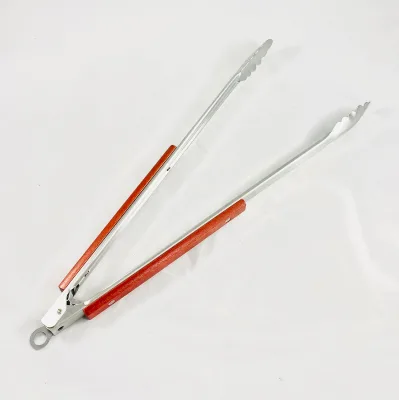
Source Kitchen Utensils BBQ Tongs for grilling, catering, and home cooking
Explore 30 verified listings for Kitchen Utensils BBQ Tongs featuring stainless steel construction and FDA certifications. Buyers can compare models like CB-B0211 and CB-KG040 with varying lengths, thicknesses, and packaging options from Yangjiang and Guangdong suppliers.
Key considerations
Products List
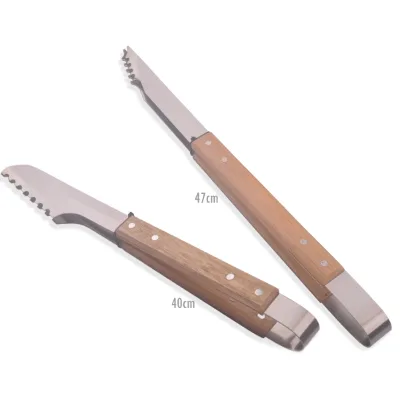


9" Silicone Locking Food Tongs - Kitchen Cooking, Serving & BBQ Grill Tool
$1.08 - $2.08
MOQ: 1000 Pieces


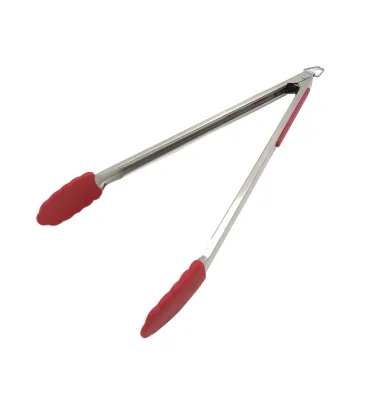
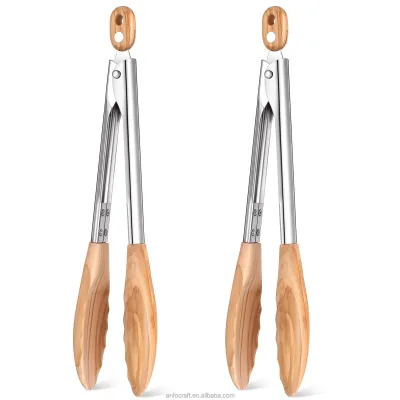


High Quality Stainless Steel Food Tongs with Silicone Tips Heat Resistant BBQ Tongs
$1.22 - $1.30
MOQ: 1000 Pieces

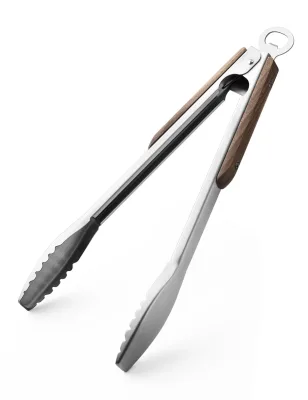


Cooking Tongs, Premium Silicone Free Non-Stick Stainless Steel BBQ Grilling Food Tongs
$0.95 - $0.99
MOQ: 2000 Pieces
Comprehensive Sourcing Guide
Strategic Sourcing Guide for Kitchen Utensils and BBQ Tongs
Understanding Product Categories and Technical Specifications
When sourcing kitchen utensils, specifically BBQ tongs and spatulas, buyers must first distinguish between the specific functional categories available in the market. The product landscape includes distinct items such as "2 in 1 BBQ spatula" tools and dedicated "Salad Tongs," each serving unique culinary purposes. A critical observation in the current supply chain is the prevalence of "Tool Sets" which often bundle these items for comprehensive kitchen utility. The physical construction of these items is predominantly defined by the use of "Metal" as a base material, with "Stainless Steel" being the specific grade frequently cited for durability and corrosion resistance.
The technical specifications for these utensils vary significantly based on the intended application. For instance, thickness is a primary determinant of rigidity and longevity. Data indicates that product thickness can range from 0.4mm for lighter-duty items to 0.8mm for heavy-duty BBQ tools. This variance directly impacts the user experience; thicker gauges provide better leverage for flipping heavy cuts of meat, while thinner profiles may be preferred for delicate salad tossing. Furthermore, the standard dimensions are not uniform across all SKUs. Buyers will encounter standardized lengths such as 7", 9", 12", and 20.5*4cm, alongside specific model numbers like CB-B0211, CB-KG040, and CB-B0178. These model identifiers often correlate with specific finishing processes and standard sizes, requiring precise communication during the procurement phase to ensure the delivered goods match the operational requirements of the end-user.
Compliance, Certification, and Material Safety
In the B2B procurement of food-contact products, compliance is not merely a regulatory formality but a fundamental component of brand safety. The supplied data highlights that products in this category frequently carry "FDA" and "LFGB" certifications. These certifications are critical for markets in North America and the European Union, respectively, ensuring that the materials used do not leach harmful substances into food during cooking or serving. When evaluating potential suppliers, buyers must verify that the specific batch of "Stainless Steel" or "Metal" utensils carries valid, up-to-date documentation for these standards.
Beyond the material itself, the finishing process plays a vital role in safety and hygiene. The data notes a "Not Coated" finishing process for certain items, which implies a reliance on the inherent properties of the stainless steel rather than added non-stick layers. This approach aligns with "Eco-Friendly" and "Reusable" attributes, suggesting a product lifecycle that avoids the degradation issues often associated with coated cookware. Additionally, the "Environmental Protection" attribute reinforces the sustainability angle, making these items suitable for brands targeting the green consumer market. Buyers should request proof of these certifications before finalizing orders, as the presence of a logo or a claim on a website does not guarantee that the specific production run has undergone the necessary third-party testing.
Cost Drivers and Pricing Dynamics
The pricing structure for kitchen utensils is influenced by a complex interplay of material costs, manufacturing complexity, and order volume. The observed price range in the market spans from $0.10 to $14.28 USD, a wide disparity that reflects differences in material quality, design complexity, and order quantity. The "Selling Units" are typically listed as "Single item," which allows for flexible purchasing but requires careful calculation of unit economics when ordering in bulk.
Several factors drive the cost within this range. First, the thickness of the metal is a primary cost driver; a 0.8mm gauge tool will inherently cost more than a 0.4mm version due to the higher volume of raw material used. Second, customization options significantly impact the final price. The availability of "Customized Logo" and "OEM" services introduces additional setup and tooling costs. While the "OEM/ODM" process is described as "Acceptable," the extent of customization—whether it is a simple laser etch or a full mold change—will dictate the price point. Finally, the "Lead Time" of 45 days and "Sample Time" of 7 days suggest that expedited shipping or rush orders may incur premium charges. Buyers must balance the desire for low unit costs against the necessity of high-quality materials and reliable lead times to avoid supply chain disruptions.
Supplier Evaluation and Operational Capabilities
Selecting a reliable supplier requires a deep dive into their operational capabilities and geographic origins. The data indicates that the primary "Place of Origin" is "China," with specific manufacturing hubs identified as "Yangjiang" and "Guangdong." These regions are historically significant for cutlery and kitchenware production, offering a mature ecosystem of suppliers. However, the specific location of the factory can influence logistics costs and the ease of communication.
When evaluating suppliers, buyers should look for evidence of "Automation" levels. The data mentions "Semi-automatic" production, which suggests a blend of human craftsmanship and machine efficiency. This is often a positive indicator for quality control, as manual oversight can catch defects that fully automated lines might miss. Furthermore, the "Packaging" standards are a crucial differentiator. Suppliers offer various options including "Tie Card," "Clam Shell," and "Hang Tag." The choice of packaging affects the retail presentation and the protection of the product during transit. A supplier that offers "Stackable" storage solutions and robust packaging like "Clam Shell" demonstrates an understanding of retail requirements and logistics efficiency. Buyers should verify if the supplier can accommodate "Customized Logo" requests and if they have the capacity to handle "OEM" orders without compromising on the "Perfect" new style design attributes.
Quality Control and Performance Verification
Quality control in the kitchen utensil sector must address both functional performance and aesthetic consistency. The "Feature" list includes "Easily Cleaned," "Heat Resistance," and "Welded" construction. These are not just marketing terms but critical performance metrics. "Heat Resistance" ensures that the utensils will not warp or degrade when used near open flames or hot grills, a common scenario for BBQ tools. The "Welded" attribute suggests that joints are reinforced, which is essential for tongs that must withstand repeated opening and closing forces without failing.
To verify these claims, buyers should request sample testing. The "Sample Time" of 7 days allows for a reasonable window to receive and evaluate prototypes. During this phase, buyers should test the "Function Type," which is listed as "Unitary," ensuring that the tool operates as a single, cohesive unit without loose parts. The "Applicable Scenarios" are noted as "Cooking," but the specific application—whether for high-heat grilling or delicate salad tossing—must be validated against the product's thickness and material properties. For instance, a 0.4mm tool might be insufficient for heavy-duty BBQ tasks, whereas a 0.8mm tool would be ideal. Buyers should also inspect the "Color" consistency, as options range from "Silver" to "Light Grey" and "Black," with "Customized" colors available. Ensuring that the color matches the brand identity and that the finish is uniform across the batch is a key quality control step.
Long-Term Procurement and Supply Chain Strategy
Sourcing kitchen utensils is a long-term commitment that requires strategic planning beyond the initial order. The "Lead Time" of 45 days is a significant factor that buyers must account for in their inventory management. This duration suggests that production is not immediate and requires advance planning to avoid stockouts. Buyers should establish a relationship with suppliers that can provide consistent "Sample Time" and "Lead Time" estimates, as variations can disrupt retail schedules.
The "Customization" availability offers a pathway to brand differentiation. By leveraging "OEM" services and "Customized Logo" options, buyers can create a unique product line that stands out in a crowded market. However, this requires a clear understanding of the "Standard" sizes and "Model Numbers" to ensure that the customized products align with the existing product portfolio. The "Environmental Protection" and "Reusable" attributes also position these products for long-term relevance in a market increasingly focused on sustainability. Buyers should consider the lifecycle of the product; stainless steel utensils that are "Eco-Friendly" and "Easily Cleaned" have a longer lifespan, reducing the frequency of repurchasing and lowering the total cost of ownership for the end consumer.
In conclusion, successful procurement of kitchen utensils and BBQ tongs requires a meticulous approach to specifications, compliance, and supplier capabilities. By focusing on the technical details such as thickness and material, verifying certifications like FDA and LFGB, and understanding the cost drivers related to customization and lead times, buyers can build a robust supply chain. The data provided highlights a market rich in options, from "Tool Sets" to specialized "Salad Tongs," all grounded in the manufacturing expertise of Chinese production hubs. Strategic buyers will leverage these insights to select partners who can deliver high-quality, compliant, and customized products that meet the evolving demands of the global kitchenware market.
FAQs
What certifications do these Kitchen Utensils BBQ Tongs have?
These items carry FDA and LFGB certifications for food safety compliance. This ensures the stainless steel materials do not leach harmful substances, meeting regulatory standards for North American and European markets.
How thick are the metal Kitchen Utensils BBQ Tongs?
The metal thickness varies between 0.4mm and 0.8mm depending on the specific model. Thicker 0.8mm gauges offer better rigidity for heavy-duty grilling, while thinner options suit lighter salad tossing tasks.
Can I request a customized logo on these tools?
Yes, customized logos and OEM branding are available for these products. Buyers can request specific branding to differentiate their retail line, though this may involve additional setup costs and tooling requirements.
What is the typical lead time for these orders?
The standard lead time for production is 45 days from order confirmation. Buyers must account for this duration in their inventory planning to avoid stockouts, as expedited shipping may incur extra charges.
Which materials are used to make these Kitchen Utensils BBQ Tongs?
The primary material is stainless steel, classified as metal for durability. This construction provides heat resistance and welded joints, ensuring the tools withstand high cooking temperatures without warping or degrading.
What packaging options are available for these items?
Suppliers offer packaging options including tie cards, clam shells, and hang tags. These choices affect retail presentation and product protection, with some designs supporting stackable storage for efficient logistics.
Where are these Kitchen Utensils BBQ Tongs manufactured?
Products originate from China, specifically from manufacturing hubs in Yangjiang and Guangdong. These regions provide a mature ecosystem for cutlery production, offering a blend of semi-automatic efficiency and manual quality oversight.