Source Knee Joint Capsicum Plaster for pain relief, sprains, and arthritis
Compare 30 listings of Knee Joint Capsicum Plaster from verified Chinese manufacturers. These products offer pain relief for muscle strain, arthritis, and joint discomfort with varying sizes and certifications.
Key considerations
Products List

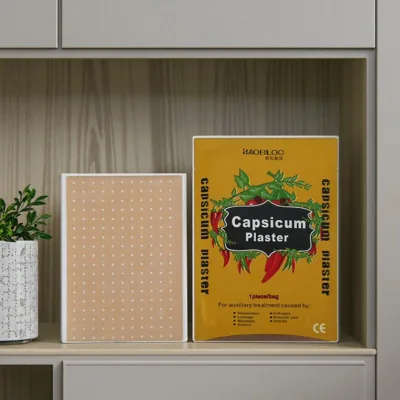


Chinese High Viscosity Capsicum Plaster Medical, Knee Plaster Pain Relief Patch
$0.10 - $0.20
MOQ: 20000 Pieces


Hot Capsicum Patch Back Pain Relief Joint Pain Killer Capsicum Plaster
$0.05 - $1.00
MOQ: 10000 Pieces


Capsicum Plaster Pain Relief Patch Capsicum Plaster for Sprain Back Pain
$0.03 - $0.20
MOQ: 10000 Pieces


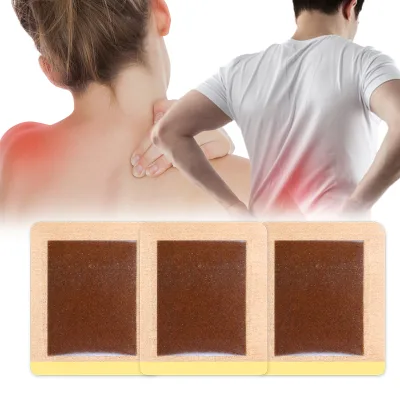

Comprehensive Sourcing Guide
Strategic Sourcing Guide for Knee Joint Capsicum Plasters
Navigating the global market for knee joint capsicum plasters requires a disciplined approach that balances therapeutic efficacy with rigorous supply chain verification. As a B2B procurement specialist, your primary objective is to secure a reliable stream of medical-grade adhesive patches that meet specific clinical and regulatory standards. The product category, often categorized under medical materials and accessories, encompasses a diverse range of formulations, from cotton-based to non-woven fabric and PVC constructions. Understanding the nuanced differences in these materials, along with the associated certification landscapes, is essential for mitigating procurement risks. This guide outlines the critical factors buyers must evaluate when sourcing capsicum plasters designed for pain relief, specifically targeting applications involving the knee joint and surrounding skeletal structures.
Technical Specifications and Material Composition
The foundation of a successful procurement strategy lies in a precise understanding of the product's technical specifications. Capsicum plasters are not monolithic; they vary significantly in their base materials, which directly influence breathability, adhesion, and patient comfort. Observed market data indicates that suppliers offer products constructed from cotton, non-woven fabric, and PVC. Cotton-based plasters are often preferred for their natural breathability, while non-woven fabric options provide a balance between flexibility and cost-efficiency. PVC materials, on the other hand, may offer superior water resistance but require careful evaluation regarding skin sensitivity.
Dimensions are another critical specification variable. Standard sizes observed in the market include 6x10cm, 7x10cm, 10x18cm, 12x18cm, and 160x120mm. For knee joint applications, larger surface areas such as 12x18cm or 160x120mm are typically required to ensure adequate coverage of the joint and surrounding ligaments. Buyers must verify that the selected model number aligns with these dimensional requirements. For instance, specific model identifiers like HT-05 or D103A may correspond to distinct size configurations or material compositions. Furthermore, the physical attributes of the product, such as whether it is folded or non-folding, and whether it is tilted or non-tilted, affect application ease and storage logistics. Most modern capsicum plasters are designed as non-folding, single-use items intended for indoor use, with a specific application site targeting the hip, joint, skeleton, back, shoulder, neck, and waist.
Regulatory Compliance and Certification Verification
In the medical device sector, regulatory compliance is non-negotiable. Capsicum plasters are often classified as medical instruments, with observed classifications ranging from Class I to Class II. This distinction is vital for determining the level of regulatory scrutiny required in the target market. A Class I classification generally implies a lower risk profile, while Class II indicates a moderate risk, necessitating more stringent oversight. Buyers must verify the instrument classification of the specific product before proceeding with an order, as this impacts import duties and market access in regions like the European Union or North America.
Quality certifications serve as the primary evidence of a supplier's adherence to safety and manufacturing standards. The supply chain for these products frequently lists CE certification, indicating compliance with European health, safety, and environmental protection standards. Additionally, ISO certification is a common requirement, with specific references to ISO 13485 for medical device quality management systems. While some listings mention FDA certification, buyers should treat this as a claim requiring independent verification rather than an automatic guarantee. The presence of multiple certifications, such as both CE and FDA, suggests a robust quality control framework, but the buyer must confirm the validity of these certificates for the specific product batch and model number. It is imperative to request current copies of these certificates and cross-reference them with the issuing authority to ensure they have not expired or been revoked.
Cost Drivers and Economic Considerations
The pricing structure for capsicum plasters is influenced by a complex interplay of material costs, certification fees, and order volume. The observed price range in the market spans from $0.02 to $6.00 per unit, a wide variance that reflects differences in material quality, packaging complexity, and branding. Lower-priced items often utilize standard non-woven fabrics and minimal packaging, whereas higher-priced options may feature premium cotton blends, specialized adhesive technologies, or enhanced branding like "HAOBLOC."
Order Volume (MOQ) is a significant determinant of unit cost. Suppliers typically enforce Minimum Order Quantities ranging from 20 boxes to 1,000,000 units. A standard entry-level MOQ might be as low as 20 boxes, making it accessible for smaller retailers or testing phases. However, achieving the lowest price per unit usually requires scaling up to the higher end of the MOQ spectrum. Buyers should analyze their inventory turnover rates to determine the optimal order size that balances cash flow with unit cost savings. Additionally, packaging specifications, such as 1pc/bag, 50bags/box, and 20boxes/ctn, contribute to the overall logistics cost. The single gross weight of 1.000 kg per package and the single package size of 15x23x5 cm are critical for calculating freight costs and warehouse storage requirements. Understanding these variables allows for a more accurate total cost of ownership analysis beyond the sticker price.
Typical Applications and Therapeutic Scope
Capsicum plasters are designed for a broad spectrum of therapeutic applications, primarily focused on pain relief and external drug delivery. The core function is categorized as "Drugs For Exterior Use," indicating that the active ingredients, such as capsicum extract, are intended to be absorbed through the skin to provide localized relief. The observed applications extend beyond the knee joint to include fever, muscle strain, sprain, arthritis, rheumatism, dysmenorrhea, cervical spondylitis, sciatica, and psoatic strain. This versatility makes the product suitable for a wide demographic, particularly the middle-aged and elderly groups who are more prone to joint-related issues.
For knee joint specific procurement, the application site is clearly defined as the joint, skeleton, and surrounding areas. The product is designed for external use only, with a "Nature" attribute suggesting a natural or herbal formulation, although the exact composition should be verified with the supplier. The "Fast Acting" advantage is a common selling point, implying that the plaster provides rapid relief upon application. Buyers should ensure that the product's claimed benefits align with the specific needs of their target patient population. The "Cold Hot Dressing Application" feature suggests that the plaster may provide thermal therapy, which can be beneficial for reducing inflammation and improving blood circulation in the knee joint. However, the exact mechanism of action and the duration of relief should be confirmed through clinical data or supplier documentation.
Supplier Evaluation and Quality Control Protocols
Selecting the right supplier is as critical as selecting the right product. The supply chain for capsicum plasters is dominated by manufacturers located in China, with specific origins noted in Anhui and Hubei provinces. While these regions are known for their manufacturing capabilities, buyers must conduct thorough due diligence to ensure the supplier's reliability. Key evaluation criteria include the supplier's production capacity, quality control processes, and ability to meet delivery timelines.
Quality control should be a continuous process rather than a one-time check. Buyers should request detailed information on the supplier's quality assurance protocols, including in-process testing and final product inspection. The "New" condition of the product and the "Non-Tilted" and "Non-Folding" attributes suggest a focus on structural integrity and ease of use. Additionally, the "Sample: Free" attribute indicates that many suppliers are willing to provide product samples for evaluation. This is a crucial step in the procurement process, allowing buyers to physically inspect the product's adhesion, material quality, and packaging before committing to a large order.
When evaluating suppliers, buyers should also consider the "Customization" availability. Many suppliers offer customized options, which can be beneficial for branding or specific therapeutic requirements. However, customization often comes with higher MOQs and longer lead times. Buyers must weigh the benefits of customization against the potential increase in cost and complexity.
Long-Term Procurement and Supply Chain Resilience
Sourcing capsicum plasters is not merely a transactional activity but a strategic partnership that requires long-term planning. The shelf life of the product is a critical factor, with observed ranges of 2 to 3 years. This duration impacts inventory management and stock rotation strategies. Buyers must ensure that their procurement schedule aligns with the product's shelf life to minimize waste and ensure that patients receive fresh, effective products.
Supply chain resilience is another key consideration. The "Place of Origin" being China introduces potential logistical challenges, including shipping delays and customs regulations. Buyers should develop contingency plans to mitigate these risks, such as maintaining safety stock or diversifying their supplier base. The "Using Ambient" and "Using Site" attributes indicate that the product is designed for indoor use and specific body parts, which simplifies storage and distribution requirements but does not eliminate the need for careful logistics planning.
Finally, buyers should maintain open communication with suppliers regarding any changes in regulations, material availability, or production capacity. The medical device market is dynamic, and staying informed about industry trends and regulatory updates is essential for maintaining a competitive edge. By focusing on these long-term considerations, buyers can build a robust and reliable supply chain for knee joint capsicum plasters that meets the evolving needs of their customers.
Comparative Analysis of Product Attributes
To facilitate informed decision-making, the following table summarizes key product attributes observed in the market, highlighting the variations that buyers must consider during the sourcing process.
| Attribute Category | Observed Variations | Procurement Consideration |
|---|---|---|
| Material | Cotton, Non-Woven Fabric, PVC | Assess breathability vs. durability; check for skin sensitivity issues. |
| Classification | Class I, Class II | Verify regulatory requirements for target markets; higher class implies stricter controls. |
| Certification | CE, ISO, FDA (claimed) | Request valid certificates; verify issuer and scope of certification. |
| Dimensions | 6x10cm to 160x120mm | Match size to knee joint coverage needs; larger sizes may cost more. |
| Shelf Life | 2 Years, 3 Years | Plan inventory turnover to avoid expiration; longer life reduces waste risk. |
| MOQ | 20 boxes to 1,000,000 units | Balance order volume with cash flow; higher volumes often reduce unit cost. |
| Origin | Anhui, China; Hubei, China | Consider logistics costs and lead times associated with specific regions. |
| Packaging | 1pc/bag, 50bags/box, 20boxes/ctn | Evaluate storage efficiency and ease of distribution to end-users. |
This comparative analysis underscores the importance of detailed specification matching. By carefully evaluating these attributes, buyers can select the most suitable capsicum plaster for their specific market needs, ensuring both product efficacy and supply chain efficiency.
FAQs
What materials are used for knee joint capsicum plasters?
These plasters are constructed from cotton, non-woven fabric, or PVC. Buyers should verify the specific material composition as it affects breathability and skin compatibility for long-term wear.
Which certifications are available for these medical plasters?
Products often carry CE, ISO, and FDA certifications. Verify the specific instrument classification, which ranges from Class I to Class II, to ensure compliance with your target market regulations.
How long is the shelf life of capsicum plasters?
The shelf life typically ranges from 2 to 3 years. Plan your inventory turnover carefully to ensure products remain effective and safe for end-users before expiration.
Can I customize the packaging and dimensions of the plasters?
Customization is available for packaging and specific dimensions like 12x18cm or 160x120mm. Note that custom orders may require higher minimum order quantities and longer lead times from the factory.
What is the minimum order quantity for these products?
The minimum order quantity starts at 20 boxes but can go up to 1,000,000 units. Lower MOQs are suitable for testing, while larger volumes secure better unit pricing.
Where are these plasters manufactured and shipped from?
Products originate from manufacturing facilities in Anhui and Hubei, China. Buyers must account for international shipping logistics and potential customs delays when planning their supply chain.