Source Kraft Corrugated Folder for Food, Electronics, and Gifts
Compare 30 verified listings for Kraft Corrugated Folder options tailored for food, electronics, and gift packaging. Buyers can review customization, certifications, and shipping terms from Chinese manufacturers offering OEM services.
Key considerations
Products List


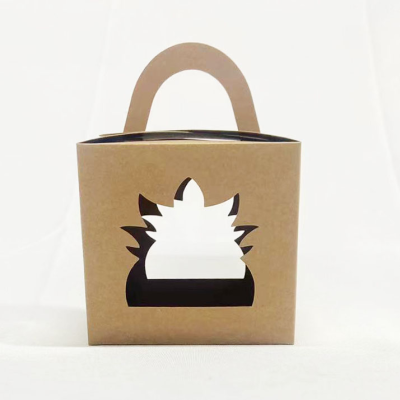


New Style High-Quality Folding Mailer Corrugated Kraft Paper Recycled Box
$0.10 - $1.00
MOQ: 500 Pieces


Comprehensive Sourcing Guide
Strategic Sourcing Guide for Kraft Corrugated Folder Solutions
Understanding Product Specifications and Material Composition
When sourcing kraft corrugated folders, buyers must first establish a clear understanding of the fundamental material properties and technical specifications that define the product category. The core material identified in the market is paper, specifically utilizing kraft paper, which is renowned for its durability and eco-friendly profile. A critical observation in the current supply landscape is the availability of recycled material options, allowing procurement teams to align with sustainability goals while maintaining structural integrity. The product is primarily designed for the application of packing, serving as a protective and organizational solution for a diverse range of goods.
The physical dimensions of these folders are not standardized across all suppliers; rather, the prevailing specification is "as Your Requirement" or "as You Required." This indicates a high degree of customization where the buyer dictates the final size, often provided in specific millimeter measurements such as 23025060 mm for certain models. The structural form factor varies, with observed models including FP4515, FP15000024, FP675, and FP34, suggesting that manufacturers offer distinct series to accommodate different volume and shape needs. The printing configuration is another vital technical attribute. While some units are designed for single-sided printing, others support two-sided applications, enabling comprehensive branding and information display. The color printing capabilities are extensive, supporting CMYK, Pantone/PMS, Flexo, and Offset processes, often utilizing four-color processes to ensure vibrant and accurate reproduction of logos and graphics.
Compliance, Certification, and Regulatory Standards
Navigating the compliance landscape is essential for B2B buyers, particularly when dealing with international trade and regulated industries. The supply base for kraft corrugated folders demonstrates a strong alignment with international management and safety standards. High-confidence data indicates that suppliers frequently hold ISO 9001 and ISO 14001 certifications, which validate quality management systems and environmental management practices respectively. Additionally, the BSCI (Business Social Compliance Initiative) certification is commonly observed, ensuring that the manufacturing processes adhere to ethical labor standards.
Beyond management systems, material certification is a critical verification point. Buyers should expect to see documentation from recognized third-party testing agencies such as SGS, BV, and TUV. These certifications confirm that the paper and recycled materials used meet specific safety and quality benchmarks. For industries with strict environmental mandates, the FSC (Forest Stewardship Council) certification is also a relevant standard to verify. It is important to note that while these certifications are prevalent in the observed data, they are not universal guarantees for every single listed product. Procurement teams must explicitly request current certificates for the specific order to ensure compliance with their internal corporate policies and destination market regulations. The standard for the product is often listed as "Customized" or "SGS BV ISO," reinforcing that the final product is tailored to meet specific client requirements rather than adhering to a rigid, one-size-fits-all industry standard.
Cost Drivers and Pricing Dynamics
The pricing structure for kraft corrugated folders is highly variable, reflecting the complex interplay of customization, volume, and material selection. The observed price range in the market spans from 0.02 USD to 5,000,000 USD, a disparity that underscores the difference between single-unit samples and large-scale industrial orders. The primary cost driver is the level of customization. Since the product standard and size are often "Customized," the engineering and setup costs for unique dimensions or specialized printing techniques will significantly influence the final unit price.
Material composition also plays a pivotal role in cost determination. The use of recycled material may offer cost advantages compared to virgin kraft paper, depending on market fluctuations, but it must be balanced against the specific strength requirements of the application. The printing process is another significant factor; complex multi-color offset printing or specialized Pantone matching incurs higher costs than standard single-color flexo printing. Furthermore, the packaging method, which can range from simple Kraft paper wrapping to master carton and palletized shipping, adds to the overall expense. Buyers should be aware that the Minimum Order Quantity (MOQ) acts as a gatekeeper for pricing tiers. While some suppliers may accept orders as low as 1 unit, the standard MOQ observed is 1000 pieces. Orders falling below this threshold may incur premium pricing or sample costs, although stock samples are sometimes available for free. Payment terms, including T/T, L/C, and PayPal, also influence the financial terms of the deal, with larger orders often negotiating more favorable credit terms.
Typical Applications and Industry Use Cases
The versatility of kraft corrugated folders makes them suitable for a broad spectrum of industries. The primary application is identified as "Food," indicating their use in packaging food products where hygiene and material safety are paramount. However, the scope extends well beyond the food sector. The product is explicitly noted for use in the Electronic, Apparel, Cosmetics, and Household goods industries. This suggests that the folders serve as protective packaging for delicate electronics, retail-ready packaging for clothing, premium presentation boxes for cosmetics, and storage solutions for household items.
Specific use cases also include Digital Products, Gifts, Toys, Drinks, and Health Care Products. For digital products, the folders provide necessary protection against static and physical damage. In the gift and toy sectors, the customizable nature of the product allows for creative branding and attractive presentation. The health care and drink industries benefit from the material's ability to be certified for safety and its resistance to moisture when properly treated. The "Usage" attribute lists these diverse categories, confirming that the Kraft Corrugated Folder is a multi-purpose solution rather than a niche product. The ability to customize the logo according to customer requests further enhances their utility in marketing and brand differentiation across these varied sectors.
Supplier Evaluation and Manufacturing Capabilities
Selecting the right supplier requires a thorough evaluation of their manufacturing capabilities and logistical support. The origin of the products is predominantly China, with specific hubs identified in Shanghai. This concentration of supply in Shanghai suggests a mature ecosystem with access to advanced logistics and established manufacturing networks. A key differentiator among suppliers is the presence of in-house factory capabilities. Buyers should verify if the supplier operates their own factory ("Factory: Yes") rather than acting solely as a trading company, as this often ensures better quality control and communication.
Technological advantage is another critical evaluation metric. The supply base boasts advanced printing technology, including the German Manroland R904-7b Four Color and R9055 Five Color presses. These high-end machines indicate the supplier's capacity for high-quality, precise, and large-volume printing runs. When evaluating potential partners, buyers should request evidence of these specific technologies and inquire about the age and maintenance status of the equipment. Additionally, the supplier's ability to handle custom orders is paramount. The "Order" attribute is listed as "Customized," and the "Service" is defined as OEM (Original Equipment Manufacturer), meaning the supplier is equipped to produce goods under the buyer's brand. Buyers should also assess the supplier's flexibility regarding art file acceptance, which typically includes PDF, CDR, Ai, and CAD formats, ensuring seamless integration with the buyer's design workflow.
Quality Control and Operational Logistics
Maintaining product quality throughout the procurement lifecycle requires a robust quality control (QC) strategy. The production process involves specific advantages in technology, such as the aforementioned German presses, which inherently support high print quality. However, buyers must implement their own QC protocols. This includes verifying the "Art File Accept" formats to ensure design integrity before production begins. The "Sample Delivery Time" is noted as 7 days, which serves as a benchmark for the supplier's responsiveness. Buyers should utilize this sample phase to physically inspect the material strength, color accuracy, and dimensional precision against the "as Your Requirement" specifications.
Logistics and shipping are equally critical components of the procurement process. The "Type of Shipping" options are diverse, including Express, Sea/Vessel, and Air, allowing buyers to balance speed and cost based on their inventory needs. The "Shipment" attribute confirms that Sea, Air, and Courier services are available. Packaging for shipment is another area requiring attention; the product is often packed in Corrugated Master Carton Cases, Kraft Paper, or Master Cartons with Pallets. This "Customized Support" for packing ensures that the goods arrive in optimal condition. The "Lead Time" for samples is 7 days, but bulk lead times will vary based on order volume and customization complexity. Buyers should clarify these timelines during the negotiation phase to avoid supply chain disruptions. Finally, the "Payment Term" flexibility, offering T/T, L/C, and PayPal, provides buyers with various financial instruments to manage cash flow and mitigate risk during the transaction.
Long-Term Procurement Considerations and Sustainability
For long-term procurement strategies, buyers should prioritize suppliers who demonstrate a commitment to sustainability and continuous improvement. The availability of recycled materials and certifications like ISO 14001 and FSC are strong indicators of a supplier's environmental responsibility. As global regulations on packaging and waste management tighten, sourcing from suppliers with robust environmental certifications will future-proof the supply chain. The "Customized Support" for both product standard and packing allows for long-term adaptation to changing market demands or regulatory requirements.
Furthermore, the relationship with the supplier should be viewed as a partnership. The OEM service model implies a collaborative approach where the supplier adapts to the buyer's evolving branding and product needs. Buyers should establish clear communication channels regarding art file versions and logo requests to ensure consistency over time. The ability to accept various art file formats (Ai, Pdf, CAD) facilitates this long-term collaboration. Finally, buyers should monitor the market for changes in the "Observed MOQ" and pricing trends. While the current MOQ is often 1000 pieces, understanding the potential for volume discounts and the flexibility of the supplier to accommodate smaller trial runs can be crucial for new product launches. By focusing on these long-term factors, buyers can secure a reliable, high-quality, and sustainable supply of kraft corrugated folders that supports their business growth.
FAQs
Can I customize the size and dimensions of the folder?
Yes, the product size is fully customizable to meet your specific requirements. You can request exact dimensions such as 230*250*60 mm or other custom measurements tailored to your packaging needs.
What certifications do the manufacturers typically hold?
Suppliers commonly hold ISO 9001, ISO 14001, and BSCI certifications for quality and ethical standards. Material safety is further verified by third-party agencies like SGS, BV, and TUV for specific orders.
What is the typical minimum order quantity for these folders?
The standard minimum order quantity is 1000 pieces, though some suppliers may accept orders as low as one unit for samples. Bulk pricing tiers usually apply once the 1000-piece threshold is met.
How long does it take to receive a sample?
Sample delivery typically takes seven days from the time the request is processed. Stock samples may be available for free, while custom samples depend on the specific design and material requirements.
Which printing methods are supported for custom branding?
The folders support CMYK, Pantone, Flexo, and Offset printing processes. You can choose between single-sided or two-sided printing configurations to suit your branding and information display needs.
Where are the primary manufacturing facilities located?
The primary manufacturing facilities are located in China, with a significant concentration in Shanghai. This location provides access to advanced logistics and a mature supply chain ecosystem for efficient shipping.
What materials are used to construct these folders?
The folders are primarily made from kraft paper and are available with recycled material options. This ensures durability while allowing buyers to align with sustainability goals and eco-friendly procurement strategies.