Source Kraft Paper Easter Treat Boxes with Window for Gifts, Food, and Crafts
Compare 30 listings for Kraft Paper Easter Treat Boxes with Window, featuring options with embossing, offset printing, and custom sizes. These recyclable and biodegradable boxes are suitable for food, jewelry, and greeting card packaging with logo printing services available.
Key considerations
Products List


Custom Color Bakery Dessert Cake Egg Tart Packaging Paper Box with Window
$0.02 - $0.05
MOQ: 30000 piece


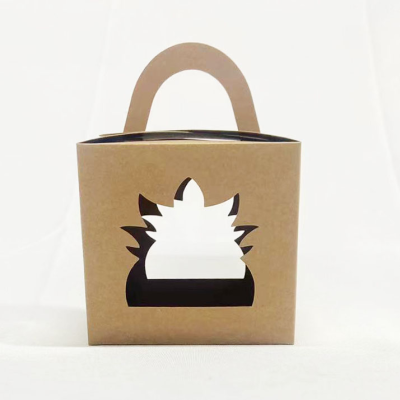


Recyclable Kraft Paper Gift Box with Window for Attractive Retail Packaging
$0.03 - $0.05
MOQ: 50 Pieces


Comprehensive Sourcing Guide
Strategic Sourcing Guide for Kraft Paper Easter Treat Boxes with Window
Understanding Product Specifications and Material Composition
When sourcing kraft paper Easter treat boxes with a window, the primary focus must be on the material integrity and structural design that defines this category. The core material identified in the market is kraft paper, a robust paper type known for its strength and natural brown appearance. This material is often selected for its ability to provide a sturdy container for treats while maintaining an eco-conscious profile. The product specifications indicate that these boxes are available in a rectangular shape, which is the standard geometry for packaging confectionery and small gifts.
A critical feature for this specific application is the inclusion of a window. This design element allows the contents to be visible without opening the package, which is essential for retail environments where visual appeal drives sales. The window is typically integrated into the kraft paper structure, requiring precise die-cutting to ensure the structural integrity of the box remains intact. The thickness of the paper is a variable specification that buyers should verify, as it can be customized to meet specific weight-bearing requirements. While some listings indicate a weight of 350, this likely refers to the grammage (gsm) of the paper rather than the total weight of the finished box, which is generally under 0.5 kg per unit.
The customization options for these boxes are extensive. Buyers can often request customized colors, though the natural kraft finish is the most common baseline. The thickness is also a customizable parameter, allowing suppliers to adjust the rigidity of the box based on the weight of the Easter treats inside. Furthermore, the surface handling processes available include embossing and offset printing. Embossing can add a tactile dimension to the packaging, enhancing the premium feel, while offset printing allows for high-quality branding and festive designs. The printing page is typically single-sided, meaning the decorative elements are applied to the exterior, leaving the interior plain or coated for food safety.
Compliance, Certification, and Safety Standards
For packaging intended for food applications, particularly during the Easter season when treats like chocolate and candy are prevalent, compliance with food safety standards is non-negotiable. The product attributes highlight that these boxes are designed for food packaging, which necessitates verification of the material's suitability for direct or indirect food contact. While specific certification names are not universally listed in every product entry, buyers must ensure that the kraft paper used is free from harmful chemicals and heavy metals.
The standard specifications for these products often reference a range of classifications, such as #1 through #10, which may relate to different grades of paper or packaging standards. However, the most critical verification for the buyer is the "Food" application designation. This implies that the paper must meet specific regulatory requirements for food contact materials in the destination market. Buyers should request documentation confirming that the paper and any adhesives or coatings used in the window integration are compliant with relevant food safety regulations, such as FDA guidelines in the United States or EU regulations for food contact materials.
Additionally, the features listed include "Recycled," "Disposable," "Compostable," "Eco-Friendly," and "Biodegradable." These terms are marketing claims that require substantiation. A buyer should not assume that a box labeled "compostable" will decompose in all environments; verification of specific composting standards (such as ASTM D6400 or EN 13432) is necessary. The "Recycled" attribute suggests the use of post-consumer waste, but the percentage of recycled content should be confirmed. For Easter treats, which are often consumed quickly, the "Disposable" nature of the box is a key feature, but the end-of-life disposal method must align with the buyer's sustainability goals.
Cost Drivers and Pricing Variables
The pricing of kraft paper Easter treat boxes with windows is influenced by several dynamic factors. The observed price range in the market spans from $0.01 to $35.40 per unit, a wide variance that reflects differences in volume, customization, and material quality. The most significant cost driver is the Minimum Order Quantity (MOQ). The market shows an MOQ range from 5 to 50,000 units. Orders at the lower end of this spectrum, such as the MOQ of 5 or 10,000, will typically carry a higher unit cost due to the fixed setup costs for printing and die-cutting being amortized over fewer units. Conversely, orders approaching 50,000 units will benefit from economies of scale, significantly reducing the per-unit price.
Customization is another major cost factor. While the base product may be simple, adding features like logo printing, embossing, or specific window shapes increases the complexity of the production process. The "With Logo Printing" attribute indicates that branding is a standard option, but the method of printing (offset vs. digital) and the number of colors used will impact the cost. Customized colors and thicknesses also add to the production time and material costs. Furthermore, the design service provided by the supplier can be a value-add that influences the overall price, especially if the buyer requires unique structural designs or specific aesthetic trends like "Safety" in design.
Packaging and logistics also contribute to the final cost. The standard packing method involves export cartons and pallets, which ensures the boxes arrive in good condition. However, the weight of the product, which is generally under 0.5 kg per unit, must be considered when calculating shipping costs, especially for large orders. The origin of the product, primarily from China and specifically Fujian, affects the freight costs and lead times. Buyers should factor in the "Delivery Detail" of 45-60 days after order confirmation for larger orders, which impacts cash flow and inventory planning.
Typical Applications and Usage Scenarios
The versatility of kraft paper Easter treat boxes with windows makes them suitable for a broad spectrum of applications beyond just Easter. The product attributes list usage in Arts and Crafts, Electronic Products, Jewelry, Garment & Shoes, Greeting Cards, Letters, Gifts, Cosmetic, and Health Care Products. This indicates that the structural design is robust enough to handle various item types, though the primary focus for this specific keyword is food packaging.
For Easter specifically, these boxes are ideal for holding chocolate bunnies, jelly beans, and other confectionery items. The window feature allows consumers to see the treats, creating an immediate visual connection and enhancing the gift-giving experience. The "Food Packaging" application confirms their suitability for direct contact with edible items, provided the material safety standards are met. The "Gifts" and "Cosmetic" usage suggests that these boxes can also be repurposed for non-food items, such as small beauty products or handmade crafts, making them a flexible choice for retailers looking to diversify their inventory.
The "Arts and Crafts" and "Greeting Cards" applications highlight the aesthetic potential of the kraft paper. The natural brown color of the kraft paper provides a rustic, organic look that pairs well with spring and Easter themes. The ability to customize the design allows businesses to create unique packaging that stands out in a crowded market. The "Disposable" and "Eco-Friendly" features make these boxes particularly attractive for brands that want to align with sustainability trends, appealing to environmentally conscious consumers who prefer packaging that can be recycled or composted.
Supplier Evaluation and Selection Criteria
Selecting the right supplier for kraft paper Easter treat boxes requires a rigorous evaluation process. The first step is to verify the supplier's origin and production capabilities. The majority of these products originate from China, with specific mentions of Fujian as a production hub. Buyers should confirm the specific location of the factory to assess logistics and potential risks. The "Products Quanlity" attribute mentions "100% Exporter Standred," which is a positive indicator, but buyers should request evidence of this standard, such as quality control reports or past client references.
The supplier's ability to handle customization is crucial. The "Customization: Available" attribute suggests flexibility, but buyers must assess the supplier's capacity for specific requests like logo printing, embossing, and window integration. The "Design: Service Provided" indicates that the supplier may offer design assistance, which can be valuable for buyers who lack in-house design resources. However, the "Sample Time" varies significantly, ranging from 1-3 days to 10-15 days. Buyers should clarify the expected sample turnaround time to ensure it aligns with their project timeline.
Another critical factor is the supplier's adherence to standards. The "prod_standard" is listed as "Customized" or "Multiple specifications," which means there is no single universal standard. Buyers must explicitly define the required standards in their purchase order and ensure the supplier can meet them. The "OEM/ODM: Acceptable" attribute confirms that the supplier is open to original equipment and design manufacturing, which is essential for brands looking to create proprietary packaging. Finally, the "Delivery Detail" of 45-60 days for large orders should be factored into the supply chain planning to avoid stockouts during the peak Easter season.
Quality Control and Long-Term Procurement Considerations
Maintaining consistent quality is paramount when sourcing packaging for food and gift items. The "Features" listed, such as "Recycled," "Disposable," and "Compostable," must be verified through third-party testing to ensure they are not merely marketing claims. Buyers should request test results for biodegradability and compostability, as well as food safety compliance reports. The "Thickness: Customized Thickness" specification requires strict quality control to ensure that every batch meets the agreed-upon dimensions and rigidity. Variations in thickness can lead to structural failures, especially if the boxes are stacked or handled roughly during shipping.
The "Surface Handling" processes, including embossing and offset printing, also require quality checks. Embossing should be consistent and not compromise the structural integrity of the box, while offset printing must be free from smudging or misalignment. The "Window" feature is particularly prone to defects, such as poor adhesion or misalignment, which can detract from the product's appearance. Buyers should implement a sampling protocol to inspect these features before approving a full production run.
For long-term procurement, building a relationship with a reliable supplier is essential. The "MOQ" of 10,000 for some products suggests that suppliers may prefer larger, recurring orders. Buyers should negotiate terms that allow for flexibility in order quantities while maintaining cost efficiency. The "Sample Time" of 1-3 days for some suppliers indicates a capability for rapid prototyping, which is beneficial for testing new designs. However, for larger orders, the "Delivery Detail" of 45-60 days must be managed carefully to ensure timely delivery.
| Feature | Observation | Verification Requirement |
|---|---|---|
| Material | Kraft Paper | Food contact safety certification |
| Window | With Window | Structural integrity and adhesion test |
| Printing | Offset/Embossing | Color accuracy and registration check |
| Customization | Color/Thickness | Sample approval before mass production |
| Origin | China (Fujian) | Factory audit and logistics assessment |
| Lead Time | 45-60 Days | Production schedule alignment |
| MOQ | 5 - 50,000 | Volume discount negotiation |
By adhering to these guidelines, buyers can effectively source high-quality kraft paper Easter treat boxes with windows that meet their specific needs while ensuring compliance and sustainability. The key is to balance customization, cost, and quality through rigorous supplier evaluation and continuous quality control.
FAQs
Can I get custom colors and thickness for these boxes?
Yes, you can request customized colors and thickness to meet your specific needs. The product attributes confirm that both color and thickness are available as customizable parameters, allowing you to adjust the rigidity and appearance of the packaging.
What is the typical minimum order quantity for these boxes?
The minimum order quantity ranges from 5 to 50,000 units depending on the supplier and customization level. Some listings show an MOQ of 10,000 units, while others may accept orders as low as 5 units, so you must verify the specific requirement with your chosen vendor.
How long does it take to receive samples for these boxes?
Sample delivery times vary between 1 to 15 days depending on the supplier's workload and location. Some vendors offer samples within 1 to 3 days, while others may require 10 to 15 days to prepare and ship the custom prototypes for your review.
Are these boxes suitable for direct food packaging applications?
Yes, these boxes are explicitly designed for food packaging applications including Easter treats. The product attributes list food as a primary usage, but you must verify that the specific paper and window materials meet your local food safety regulations before use.
Which surface handling options are available for these boxes?
Available surface handling options include embossing and offset printing to enhance the visual appeal. These processes allow for branding and tactile features, with the printing typically applied to a single side of the rectangular kraft paper structure.
Can I have my own logo printed on these boxes?
Yes, logo printing is available as a standard customization option for these boxes. Suppliers offer services to laser or print your own logo, and design services are provided to assist with creating the necessary artwork for the branding application.
What are the standard packaging methods for shipping these boxes?
Standard packaging methods include export cartons and pallets to ensure safe transport. The products are packed in export cartons, and larger orders may be shipped on pallets, with the total weight of individual units generally remaining under 0.5 kg.