Source KTV Bar Stage Lights for Theme Parks, KTV Bars, and Horse Racing
Find 30 verified options for KTV Bar Stage Lights featuring LED technology, DMX512 control, and varied beam angles. Buyers can compare specifications like IP ratings, power consumption, and color temperature to select suitable lighting solutions for entertainment venues.
Key considerations
Products List
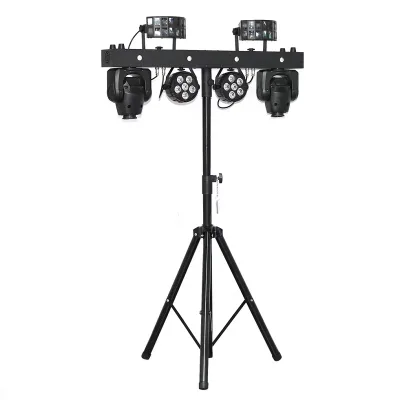
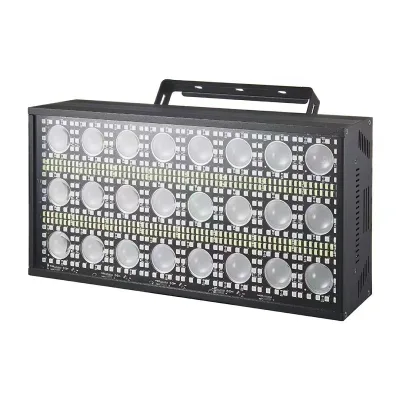
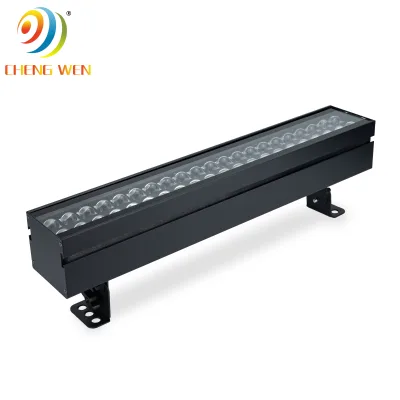
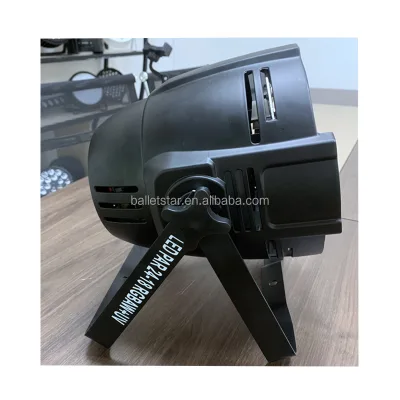


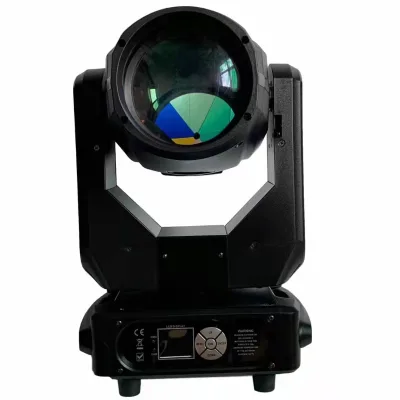
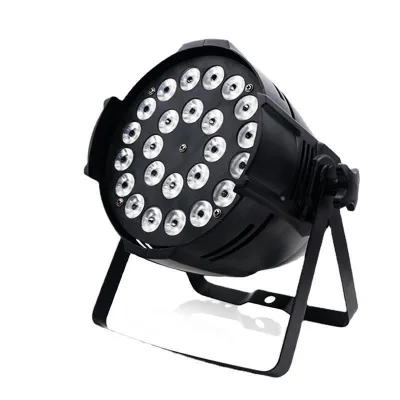
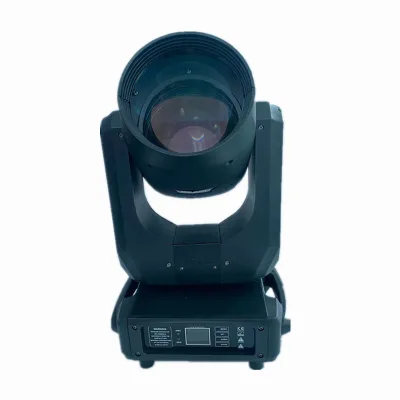
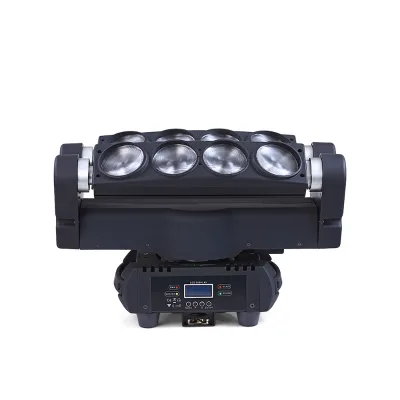


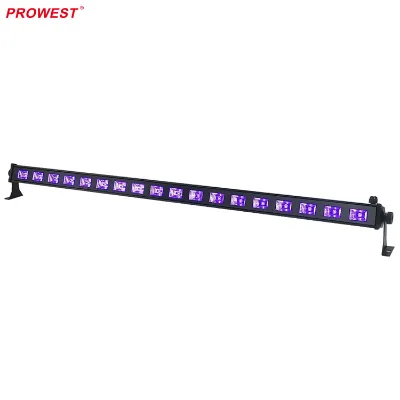
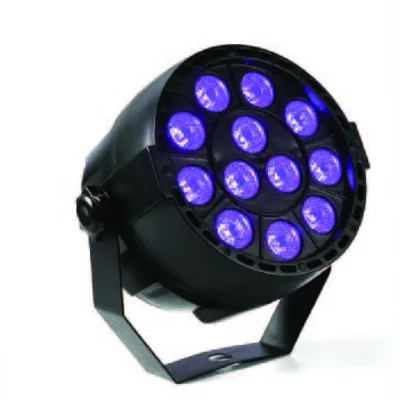
KTV, Club DJ Party Real Ultra Violate 18*3W UV LED Black Light DJ Stage Lighting
$21.24 - $24.28
MOQ: 100 Minimum
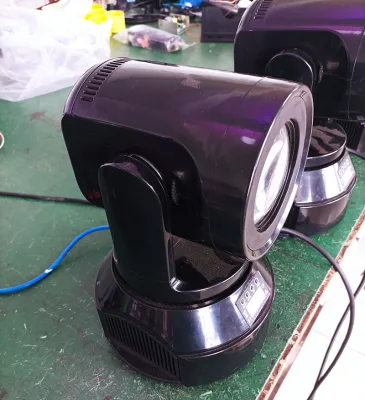
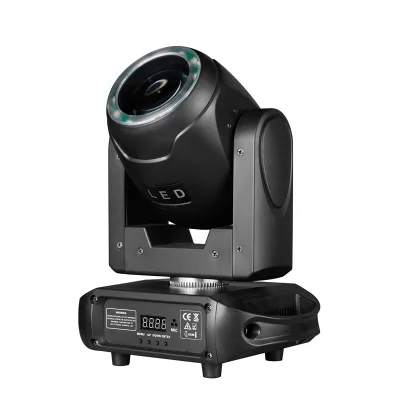
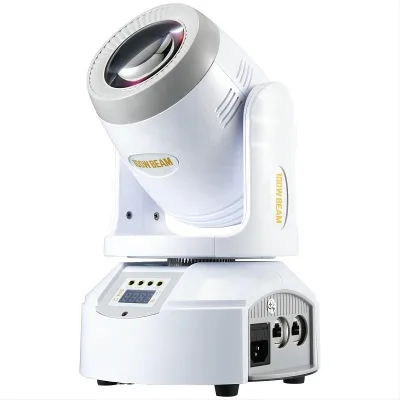
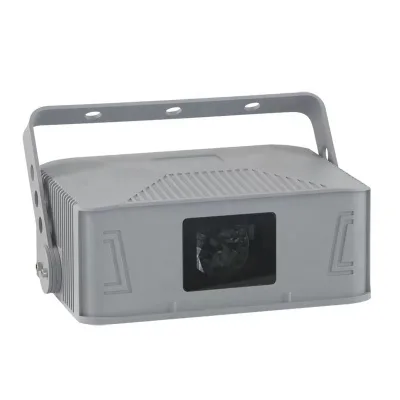
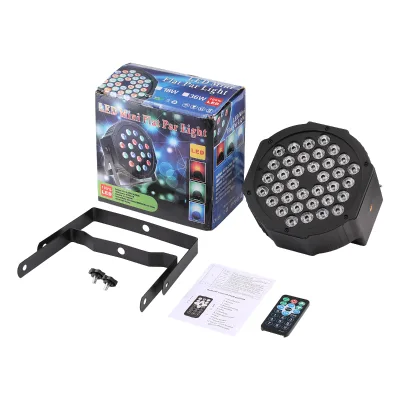
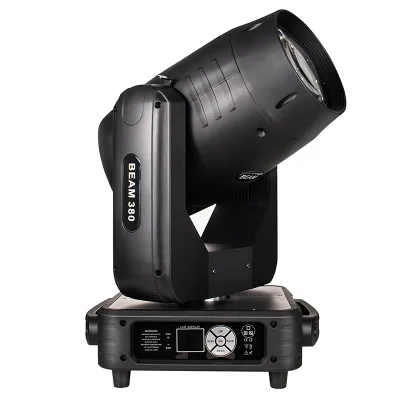
Comprehensive Sourcing Guide
Strategic Sourcing Guide for KTV Bar Stage Lighting Solutions
The procurement of lighting equipment for entertainment venues, specifically targeting the KTV bar and stage performance sectors, requires a nuanced understanding of technical specifications, environmental durability, and supplier reliability. The market offers a diverse array of products ranging from high-intensity flood lights to specialized matrix systems and curtain effects. Buyers must navigate a landscape where product attributes vary significantly between listings, necessitating a rigorous verification process to ensure that the selected equipment aligns with the specific operational demands of a venue. This guide outlines the critical factors for sourcing these solutions, grounded in observed product data and industry standards.
Technical Specifications and Performance Metrics
When evaluating stage lights for KTV environments, the primary focus must be on the light source, color capabilities, and luminous output. The observed product data indicates a prevalence of LED technology, which offers energy efficiency and longevity compared to traditional sources. A critical specification to verify is the Color Rendering Index (CRI or Ra). In the observed dataset, products display varying CRI values, ranging from 60 to 95. For a KTV bar where skin tones and decor details must appear vibrant and accurate, a higher CRI, such as 95, is preferable for general illumination, while lower values might suffice for specific atmospheric effects.
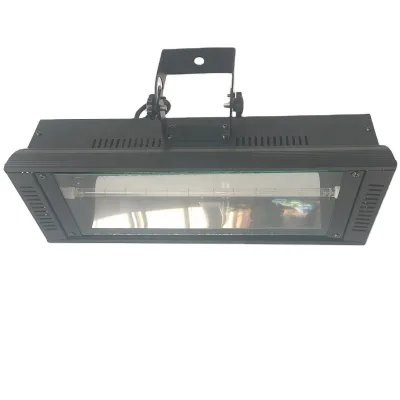
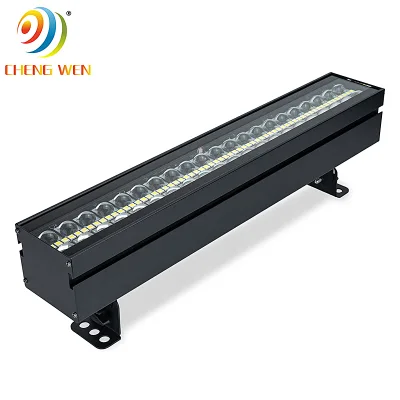
Color temperature and control are equally vital. The market presents options with RGB, RGBW, and fixed color temperatures like 4100K (Neutral White). RGBW systems provide a broader spectrum, allowing for both pure colors and white light mixing, which is essential for dynamic venue lighting. The observed data highlights a "zoom flood light" with an RGBW configuration, contrasting with a "Led Matrix Light" offering pure RGB capabilities. Buyers should verify the specific color mixing capabilities of the unit to ensure it meets the creative director's vision.
Luminous flux, measured in lumens (lm), dictates the brightness of the fixture. One observed unit lists a flux of 5000 lm with a power consumption of 350W, while another matrix light operates at 260W. The beam angle is another decisive factor; a 4-degree beam angle, as noted in the data, indicates a highly focused spotlight suitable for stage accents, whereas flood lights offer wider coverage. For curtain lights, such as the "42*3w 14 Segment" model, the arrangement of LEDs (e.g., 42 segments of 3W) determines the visual continuity of the effect.
Compliance, Certification, and Safety Standards
Safety compliance is non-negotiable in commercial entertainment venues. The electrical input voltage must match the local grid infrastructure. The observed products list input voltages ranging from AC100-240V/50-60Hz to specific 110-220V ranges. This universal voltage compatibility is a significant advantage for international sourcing, but buyers must confirm the specific rating of the unit to prevent damage or failure.
Regarding safety certifications, while specific test results are not universally guaranteed in the provided data, the presence of standards like UL 1573 and certifications such as CE are noted as background indicators. Buyers should explicitly request proof of these certifications from the supplier. The IP (Ingress Protection) rating is another critical safety and durability metric. The data shows ratings like IP33 and IP25. An IP33 rating suggests protection against solid objects larger than 2.5mm and water spray up to 60 degrees, which is generally suitable for indoor stage environments where direct water exposure is unlikely but dust and splashes may occur. For outdoor or high-moisture areas, higher ratings would be required.
Cost Drivers and Pricing Dynamics
The pricing for KTV stage lights is influenced by several factors, including power consumption, material quality, and functional complexity. The observed price range spans from $4.25 to $859, reflecting the vast difference between small decorative elements and high-power professional fixtures. The 350W flood light and the 260W matrix light represent the higher end of the spectrum, driven by their power output and advanced control features like DMX512.
Material composition also impacts cost. The "Aluminum Alloy Housing" noted in the curtain light data suggests a premium build quality that aids in heat dissipation and durability, likely justifying a higher price point compared to units with "Other" material classifications. Additionally, the complexity of the light source, such as the specific LED configuration (e.g., 42*3w RGB 3535 LEDs), adds to the manufacturing cost. Buyers should be wary of prices that seem disproportionately low, as they may indicate compromised component quality or a lack of necessary safety certifications.
Typical Applications and Functional Versatility
The application of these lights varies significantly based on the venue's layout and desired atmosphere. The observed data explicitly mentions applications in "Theme Park" and "KTV bar" settings. A "zoom flood light" with a 50,000-hour lifespan is suitable for general stage wash or architectural highlighting in a theme park or large venue. In contrast, the "Led Matrix Light" with a 100,000-hour lifespan and DMX512 control is ideal for creating dynamic, programmable patterns in a KTV bar environment.
Specialized functions, such as the "Horse Racing Effect" mentioned in the data, indicate niche applications where specific visual effects are required to enhance the entertainment experience. The "Lighting solutions service" category, including "ktv bar light" and "Lighting And Circuitry Design," suggests that suppliers may offer more than just hardware; they may provide system integration services. This is particularly relevant for KTV bars, which often require complex lighting scenes synchronized with music and video.
Supplier Evaluation and Product Attributes
Evaluating a supplier requires a deep dive into the specific attributes listed for each product. The "Brand Name" and "Place of Origin" are key indicators of supply chain stability. The data points to manufacturers in Guangdong, China, a known hub for lighting manufacturing. However, brand names vary, with "bright moon" and "Cheng Wen" appearing in the dataset. Buyers should not assume that all products from a specific region share the same quality standards; each listing must be vetted individually.
The "Single package size" and "Single gross weight" are critical for logistics planning. For instance, a package size of 60x30x48 cm with a gross weight of 18 kg requires different handling and shipping arrangements compared to a 47x17x29 cm package weighing 6 kg. These dimensions affect the number of units that can be shipped per container, directly impacting the landed cost. Furthermore, the "Selling Units" being listed as "Single item" suggests that these are sold individually rather than in sets, which simplifies inventory management but requires careful calculation of the total quantity needed for a full venue setup.
Quality Control and Long-Term Procurement Considerations
Long-term reliability is paramount for commercial lighting. The "Lifespan (Hours)" is a primary metric for this. The observed data shows a wide range, from 10,000 hours to 100,000 hours. A 100,000-hour lifespan is exceptional and suggests high-quality drivers and heat management, whereas 10,000 hours is standard for lower-cost units. Buyers must verify how this lifespan is calculated, as it often depends on operating conditions and ambient temperature. The "Working Temperature" range of -25 to 45 degrees Celsius indicates the environmental limits of the fixture.
The "Warranty(Year)" is another crucial factor for risk mitigation. The data consistently shows a 2-year warranty across different product types. This provides a baseline for buyer confidence, but it is essential to understand the terms of the warranty, including what constitutes a defect versus normal wear and tear. For high-volume procurement, negotiating extended warranty terms or on-site service support may be necessary.
Finally, the "Control Method" determines the ease of integration into existing systems. The presence of DMX512 support in the matrix light data indicates professional-grade control capabilities, allowing for complex programming. In contrast, simpler units may rely on basic dimming or built-in programs. Buyers should ensure that the control protocol is compatible with their existing lighting consoles and software.
Comparative Analysis of Observed Product Attributes
To facilitate decision-making, the following table summarizes the key differences between the observed product types, highlighting their distinct use cases and technical profiles.
| Attribute | Zoom Flood Light | Led Matrix Light | 14 Segment Curtain Light |
|---|---|---|---|
| Primary Application | Theme Park, Stage Wash | KTV Bar, Dynamic Effects | Decorative, Curtain Effects |
| Light Source | LED | LED Matrix | 42*3w RGB 3535 LEDs |
| Color Capability | RGBW | RGB | RGB |
| Luminous Flux | 5000 lm | Not specified | Not specified |
| Power Consumption | 350W | 260W | 126W (42*3w) |
| Beam Angle | Zoom (Variable) | 4 Degree | Segment-based |
| Control Method | Dimmer | DMX512 | Not specified |
| IP Rating | IP33 | Not specified | IP25 |
| Lifespan | 50,000 Hours | 100,000 Hours | 10,000 Hours |
| Package Weight | 18 kg | 6 kg | 3 kg |
| Warranty | 2 Years | 2 Years | Not specified |
This comparison underscores the importance of matching the specific product attributes to the intended application. A buyer seeking high-intensity wash lighting for a large stage should prioritize the flood light, while a KTV bar manager focused on creating immersive, programmable environments would find the matrix light more suitable. The curtain light, with its lower power and specific segment design, serves a decorative role that complements the other fixtures.
Conclusion
Sourcing KTV Bar Stage Lights requires a meticulous approach that balances technical performance, safety compliance, and cost efficiency. The market offers a wide variety of options, from high-power flood lights to specialized matrix and curtain systems. Buyers must rigorously verify specifications such as CRI, color temperature, and lifespan, ensuring they align with the venue's operational needs. Compliance with safety standards and understanding the logistics of packaging and weight are essential for successful procurement. By focusing on these evidence-based criteria and avoiding assumptions about unverified claims, buyers can build a reliable and high-performing lighting system that enhances the entertainment experience for years to come.
FAQs
What is the typical lifespan of KTV Bar Stage Lights?
Lifespan varies significantly by product type, ranging from 10,000 to 100,000 hours. High-end LED matrix lights often reach 100,000 hours, while curtain lights may offer 10,000 hours, requiring verification of specific unit ratings before purchase.
Which IP rating is suitable for indoor KTV bar environments?
An IP25 or IP33 rating is generally suitable for indoor stage environments where direct water exposure is unlikely. These ratings protect against dust and limited water spray, ensuring durability without the cost of higher outdoor-rated fixtures.
How does color temperature affect KTV bar lighting choices?
Options include RGB, RGBW, and fixed temperatures like 4100K Neutral White. RGBW systems offer broader spectrum mixing for dynamic effects, while fixed temperatures provide consistent white light for specific atmospheric needs in the venue.
Can these lights support DMX512 control protocols?
Yes, certain models like LED matrix lights explicitly support DMX512 for professional programming. This allows for complex scene creation and synchronization with music, which is essential for dynamic KTV bar entertainment experiences.
What is the warranty period for these lighting fixtures?
The observed data consistently shows a 2-year warranty across different product types including flood lights and matrix systems. This baseline coverage helps mitigate risk, though specific terms regarding defects should be confirmed with the supplier.
How does the Color Rendering Index impact venue aesthetics?
CRI values in the dataset range from 60 to 95, with higher values like 95 preferred for accurate skin tones and decor. Lower CRI might suffice for atmospheric effects, but higher ratings ensure vibrant and true-to-life visual presentation.