Source Labor-Saving Auto Repair Wrench for Mechanics, Garage, and Fleet Maintenance
Compare 30 listings for the labor-saving auto repair wrench, featuring universal fitment, carbon steel construction, and options for OEM customization. Buyers can evaluate specifications like size, warranty, and delivery times to find suitable tools for professional repair applications.
Key considerations
Products List
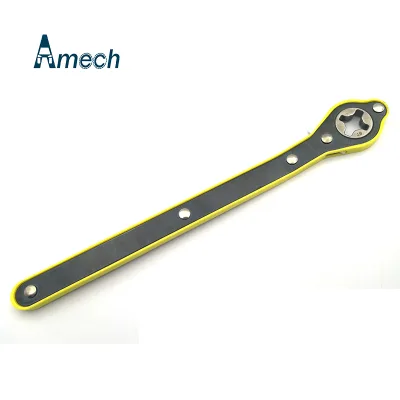


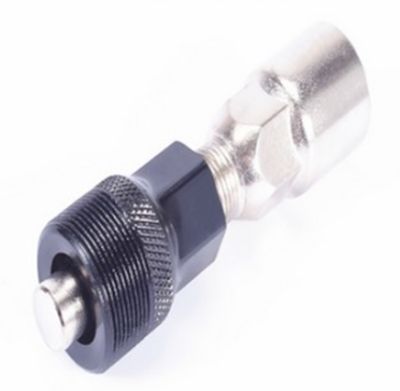


Multifunctional Auto Repair Tool Wrench Double-Headed Plum Open-End Wrench
$0.50 - $2.50
MOQ: 3000 Pieces


2026 Quality Auto and Truck Universal Repair Tools 151-Piece Dual-Use Wrench
$25.00 - $30.00
MOQ: 10 Sets


Comprehensive Sourcing Guide
Strategic Sourcing Guide for Labor-Saving Auto Repair Wrenches
Understanding Product Specifications and Variability
The procurement of labor-saving auto repair wrenches requires a precise understanding of the diverse specifications available in the global market. These tools are primarily categorized as hand tools designed for automotive repair, yet the specific attributes vary significantly between listings. A critical observation from current market data indicates that product names often include descriptors such as "Labor saving wrench" or "Adjustable Spanner," while the underlying construction materials range from Carbon Steel to Aluminum alloys. Buyers must recognize that a single search term encompasses a spectrum of product definitions.
One of the most critical technical differentiators is the size and standard compliance. Market observations show specific units listed with a size of 34cm, while others are described simply as "Common" or adhering to specific regional standards. The standards observed include Metric, British, German, European, and American types. This variability necessitates that buyers do not assume a universal fit without verification. While some products claim "Universal" car fitment, the actual compatibility depends on the specific jaw design and the standard of the fasteners being used. Furthermore, the working mode is consistently manual, operating in a pressure range of 5000-10000psi for certain heavy-duty variants, though this specific pressure rating should be verified against the specific application requirements of the buyer's workshop.
The physical construction also varies. Some listings specify a "Hexagonal" standard for the head, while others describe the material composition as a combination of Aluminum and Steel. Surface treatments are equally diverse, with Chrome plating being a common finish to prevent corrosion, while the manufacturing technology often cited is "Drop Forged." This process is essential for ensuring the tool can withstand the high torque required in auto repair without snapping. Buyers must scrutinize the "Model Number" and "Product Name" fields carefully, as a product labeled "AC-W01" may have different load-bearing capabilities than one labeled "SYJC-CR1."
Compliance, Certification, and Safety Standards
In the B2B procurement of hand tools, compliance is not merely a formality but a fundamental requirement for liability and safety. The supplied data indicates that some products carry CE certification, which is a mandatory conformity mark for products sold within the European Economic Area. However, the presence of a CE mark in a listing does not guarantee that every unit in a bulk order meets the same rigorous safety thresholds. Buyers must verify that the certification is valid and applicable to the specific model being purchased, particularly for tools used in high-pressure environments or explosive atmospheres.
Safety features are another critical area of compliance. Certain product attributes list features such as "Anti-Explosion" and "Anti-Magnetic." These claims are significant for applications involving fuel systems or sensitive electronic components in modern vehicles. The "Anti-Explosion" feature implies that the tool is made from non-sparking materials, often a specific alloy of beryllium copper or treated aluminum, rather than standard carbon steel. If a buyer requires tools for hazardous environments, they must explicitly confirm the material composition and the validity of the anti-explosion claim. The "Anti-Magnetic" feature is equally vital for working near sensitive sensors or magnetic resonance imaging equipment, ensuring the tool does not interfere with vehicle diagnostics.
Warranty terms also serve as a proxy for compliance and quality assurance. The market data shows a divergence in warranty periods, with some listings offering 6 months and others 12 months. This discrepancy suggests that warranty length is a variable dependent on the manufacturer's confidence in their specific production line rather than a fixed industry standard. Buyers should treat the warranty period as a negotiation point and a reflection of the supplier's quality control maturity. Additionally, the condition of the product is listed as "New," but the buyer must ensure that the packaging and shipping methods maintain this condition, as damage during transit can invalidate the warranty.
Cost Drivers and Pricing Dynamics
The pricing landscape for labor-saving wrenches is highly dynamic, with observed ranges spanning from $0.06 to $3,395 USD. This vast disparity is not indicative of a single product line but rather reflects the difference between basic manual spanners and complex, high-tech hydraulic or pneumatic systems. The lower end of the spectrum likely corresponds to simple, single-piece carbon steel tools with basic finishes, while the upper end may include specialized, multi-functional units with advanced ergonomic designs or proprietary locking mechanisms.
Several factors drive these costs. Material composition is a primary driver; tools made from high-grade Carbon Steel or specialized Aluminum alloys will inherently cost more than those made from lower-grade metals. The manufacturing process also plays a significant role; "Drop Forged" tools generally command a premium over cast or stamped alternatives due to the superior grain structure and durability of the forged metal. Surface treatments like Chrome plating add to the cost but provide essential corrosion resistance, which is a critical factor in the longevity of the tool.
Minimum Order Quantity (MOQ) is another significant cost driver. The observed MOQ range is from 1 to 3,000 units, with specific listings citing an MOQ of 10 units or 1,000 pieces per color. Buying in smaller quantities often results in a higher unit cost due to the fixed costs of setup and logistics. Conversely, larger orders can leverage economies of scale, but they require a higher upfront capital investment. Buyers must balance their inventory needs with cash flow constraints. Additionally, customization options, such as OEM branding or specific packaging requirements, will increase the unit price. The "Customized Accept" and "OEM/ODM" attributes indicate that suppliers are willing to tailor products, but this customization comes at a premium.
Typical Applications and Operational Context
Labor-saving wrenches are designed for a wide array of applications, primarily centered around auto repair. The "Application" field in the data confirms their use in "Auto Repair," but the scope extends to "All Machine and Engier Car" usage. This broad applicability means that these tools are used in diverse settings, from small independent garages to large industrial manufacturing plants. The "Working Mode" is consistently manual, requiring the operator to apply physical force, which makes the ergonomic design and "Simple Operation" features critical for user comfort and efficiency.
The "Application Age" is listed as "Adult," indicating that these tools are designed for professional use by trained mechanics rather than hobbyists or children. The "Feature" set includes "Easy Carry," which is essential for mechanics who need to move tools quickly between different vehicles or workstations. The "Folded" attribute is noted as "Unfolded," suggesting that some models may be collapsible or have adjustable jaws, which enhances their versatility in tight engine bays.
The "Pressure" rating of 5000-10000psi observed in some listings suggests that certain variants are capable of handling high-torque applications, such as loosening seized bolts or working on heavy machinery. However, for standard automotive maintenance, the required torque may be significantly lower. Buyers must match the tool's pressure rating to their specific needs to avoid overpaying for unnecessary capacity or under-specifying for heavy-duty tasks. The "Handle Color" being "Colorful" or "Grey/Black/Red" is often a matter of brand identity or safety coding, where specific colors might indicate specific torque ratings or material types.
Supplier Evaluation and Operational Logistics
Evaluating a supplier for labor-saving wrenches requires a deep dive into their operational capabilities and logistical reliability. The "Place of Origin" is consistently listed as "Shaanxi, China" or generally "China," indicating a concentration of manufacturing in this region. Buyers should verify the specific factory location to assess the supply chain resilience and potential shipping costs. The "Port" of shipment is typically listed as "Ningbo" or "Shanghai," which are major maritime hubs. Understanding the port of origin is crucial for calculating landed costs, including freight and insurance.
Supply ability is a key metric for supplier evaluation. The data indicates a "Supply Ability" of 1,000,000 pieces per month, which suggests that large-scale manufacturers are capable of meeting high-volume demands. However, buyers must distinguish between a supplier's theoretical capacity and their actual production capacity for specific orders. The "Stock" status is listed as "Have Stock" for some items, which can significantly reduce lead times. For custom orders, the "Delivery Time" varies, with observed ranges of 25 to 30 days. This variability highlights the importance of confirming lead times before placing an order, as delays can disrupt production schedules.
Payment terms are another critical aspect of supplier evaluation. The standard terms observed are "LC/Tt" (Letter of Credit or Telegraphic Transfer). These terms reflect the financial trust and risk management strategies of the supplier. Buyers should negotiate terms that align with their own cash flow policies and risk tolerance. The "Service" attribute is listed as "Professional Service," which implies that suppliers should offer technical support and after-sales assistance. Buyers should verify the availability of this support, particularly for troubleshooting product issues or handling warranty claims.
Quality Control and Long-Term Procurement Strategy
Implementing a robust quality control (QC) strategy is essential for ensuring that labor-saving wrenches meet performance expectations. The "Standard" of the product is often described as "Hexagonal" or "Metric, British, German Type," but buyers must verify that the actual product dimensions and tolerances match these standards. Visual inspections should focus on the "Surface Treatment" to ensure the Chrome plating is even and free of defects. The "Drop Forged" technology should be verified through material testing to ensure the tool has the necessary tensile strength.
Long-term procurement considerations involve building a sustainable relationship with suppliers. The "OEM/ODM" availability suggests that buyers can develop exclusive products, which can provide a competitive advantage. However, this requires a clear understanding of the customization process and the associated costs. The "Package" options, ranging from "OPP Bag" to "Carton," should be selected based on the shipping requirements and the need for product protection. "Customized Accept" packaging can also be used for branding purposes, enhancing the product's marketability.
Warranty and after-sales support are critical for long-term success. The observed warranty periods of 6 or 12 months should be clearly defined in the contract. Buyers should establish a protocol for handling defective units, including return shipping costs and replacement timelines. The "Condition" of the product being "New" must be maintained throughout the supply chain, and any damage during transit should be addressed immediately. By focusing on these quality and logistical factors, buyers can ensure a steady supply of high-quality labor-saving wrenches that meet the demanding requirements of the automotive repair industry.
Summary of Key Procurement Variables
To facilitate quick decision-making, the following table summarizes the critical variables observed in the market data for labor-saving auto repair wrenches. This comparison highlights the range of options available and the specific attributes buyers must verify.
| Attribute Category | Observed Variability | Verification Requirement |
|---|---|---|
| Material | Carbon Steel, Aluminum, Alumin+Steel | Confirm alloy grade and suitability for intended torque. |
| Standard | Metric, British, German, American, Hexagonal | Match standard to local fastener types and vehicle models. |
| MOQ | 1 to 3,000 units (e.g., 10 or 1,000/Color) | Align order quantity with inventory needs and budget. |
| Lead Time | 25 to 30 days (or per agreement) | Confirm specific timeline for custom vs. stock orders. |
| Certification | CE (observed) | Verify validity and scope for target markets. |
| Warranty | 6 Months or 12 Months | Define clear terms for claims and replacements. |
| Packaging | OPP Bag, Carton, Customized | Select based on shipping safety and branding needs. |
| Origin | Shaanxi, China (or general China) | Assess logistics costs and supply chain stability. |
By systematically addressing these variables, buyers can navigate the complexities of the labor-saving wrench market with confidence, ensuring they procure tools that are safe, durable, and cost-effective for their specific operational needs.
FAQs
What certifications are available for labor-saving auto repair wrenches?
Some products carry CE certification for European compliance, but this varies by model. Buyers must verify that the specific unit has valid certification before purchase, as not every listing guarantees this mark for all inventory.
How long is the warranty period for these hand tools?
Warranty terms range from 6 months to 12 months depending on the manufacturer. This period reflects the supplier's confidence in their production line rather than a fixed industry standard, so buyers should confirm the exact duration.
Which materials are used to construct these wrenches?
Materials include Carbon Steel and Aluminum alloys, often combined for durability. The specific composition affects the tool's weight and strength, so buyers should check the material field to ensure it meets their torque requirements.
Can I customize the packaging for bulk orders?
Yes, customized packaging is acceptable and can range from OPP bags to cartons. This option allows for branding but may increase the unit price, so discuss specific requirements with the supplier before finalizing the order.
What is the minimum order quantity for these tools?
MOQs vary significantly, with some listings starting at 10 units and others requiring 1000 pieces per color. Buyers must check the specific supplier's requirements as the minimum order depends on the customization level and stock availability.
How long does delivery take for custom orders?
Delivery times typically range from 25 to 30 days for custom manufacturing. Stocked items may ship faster, but buyers should confirm the exact lead time with the supplier to avoid disrupting their production schedules.
Which standards do these wrenches comply with?
Products comply with Metric, British, German, European, and American types. Since fitment depends on the specific jaw design, buyers should verify the standard matches their fasteners rather than assuming universal compatibility.