Source Labor Saving Corn Shelling Machine for farms, mills, and co-ops
Compare 30 Labor Saving Corn Shelling Machine listings from verified suppliers in China. Options include automatic feeding, varying motor powers, and capacities up to 8000 pcs/h for efficient maize processing.
Key considerations
Products List


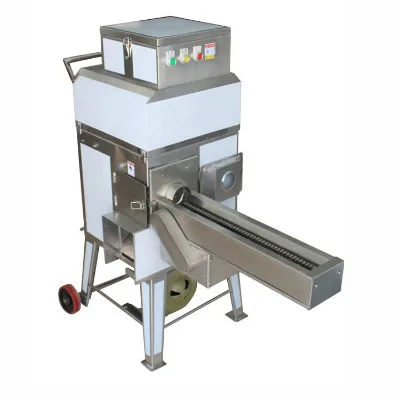
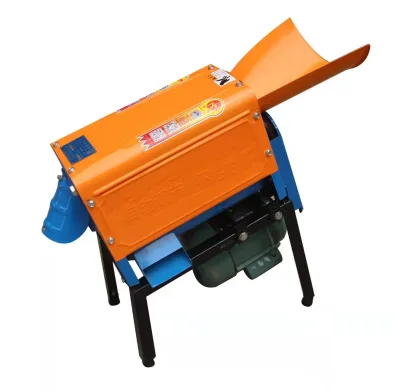
Automatic Corn Threshing Machine Shell Removing Machine
$2963.68 - $3702.00
MOQ: 1 Minimum
Henan Jiahuang Mechanical And Electrical Equipment Co., Ltd.


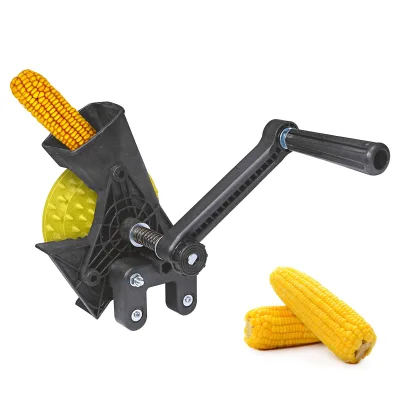


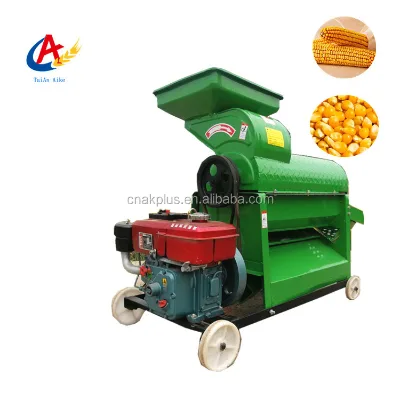
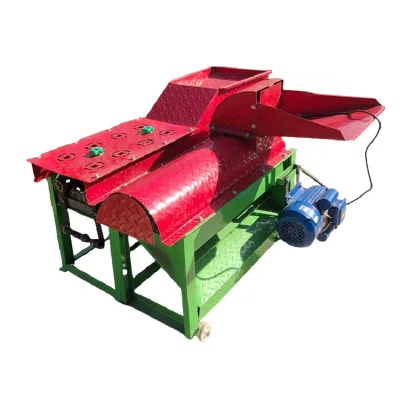

$600.00 - $1200.00
MOQ: 1 Pieces


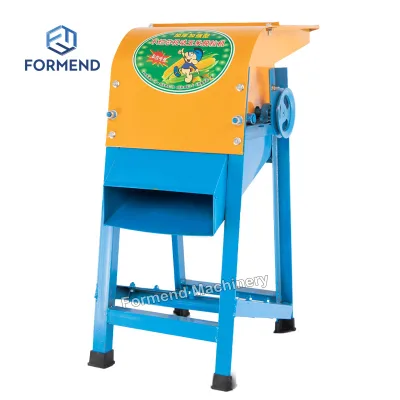
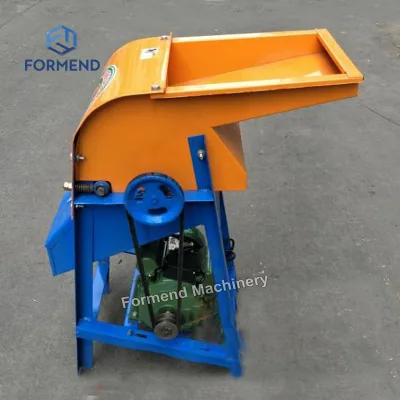
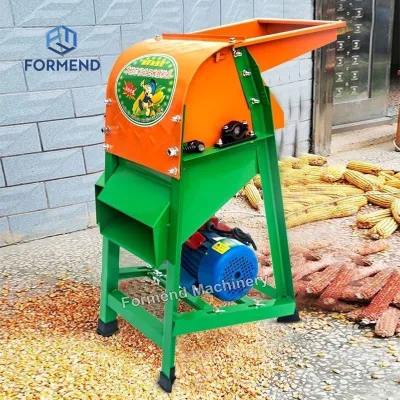
Comprehensive Sourcing Guide
Labor Saving Corn Shelling Machine Sourcing Guide
The Labor Saving Corn Shelling Machine represents a critical upgrade for agricultural operations seeking to replace manual threshing with mechanized efficiency. Based on observed market listings, these units are specifically engineered to handle corn and maize, offering capacities that range from 400-600kg/H for smaller models to 6000-8000pcs/h for high-volume industrial variants. Buyers must recognize that "labor saving" in this context is directly correlated with the machine's throughput capacity and the automation level of its feeding system, which often includes automatic feeding inlets to minimize manual intervention during the loading process.
Procurement decisions for these machines require a clear understanding of the diverse configurations available, as the market presents a wide spectrum of power ratings and structural designs. While some units operate on standard 220V/50Hz or 110V/60Hz power supplies suitable for smaller farms, others are built with 380V industrial motors and 22kW power ratings to sustain continuous heavy-duty operation. The physical footprint and weight of the equipment also vary significantly, with net weights ranging from 96kg to 460kg, necessitating careful logistical planning for site installation and foundation requirements before finalizing a purchase.
Product Scope and Observed Listing Signals
When evaluating product listings, buyers should look for specific signals that distinguish a functional labor-saving unit from a generic thresher. The observed data indicates that models are frequently categorized by their specific application, such as "Fresh Corn Thresher Machine" or "Automatic Corn Threshing Machine," and often feature distinct model identifiers like ST168, VX-Corn-Sheller, or HT-BPJ50. These identifiers are crucial for cross-referencing technical specifications, as the same generic term may cover vastly different internal mechanisms, from horizontal structures to vertical configurations, depending on the manufacturer's design philosophy.
A key signal in the product scope is the material composition and the condition of the machinery, which directly impacts longevity and performance. Most observed units are constructed with stainless steel raw materials to ensure durability against the abrasive nature of corn husks and kernels, and they are consistently listed as "New" condition. Furthermore, the presence of customization options, such as tailored wooden cases for shipping or specific voltage frequencies, suggests that suppliers are prepared to adapt the machine to local infrastructure, a vital consideration for international buyers who cannot rely on a single standard power configuration.
Technical Specifications to Verify
The first technical parameter to verify is the electric motor power and voltage compatibility, as these dictate the machine's ability to process corn without stalling under load. Listings show power ratings ranging from 2.2kW to 22kW, with voltage options including 220V, 380V, and 110V, alongside frequency variations of 50Hz or 60Hz. Buyers must match these specifications to their local power grid and the specific volume of corn they intend to process, ensuring that the motor's horsepower, such as the 29.50HP observed in high-capacity models, aligns with the required throughput to avoid underpowered performance.
The second critical verification involves the physical dimensions, weight, and capacity metrics to ensure the machine fits the intended operational space and workflow. The overall dimensions observed range from compact units like 9005501100mm to larger industrial frames measuring 13204801580mm, with net weights varying from 96kg to 460kg. Capacity claims in the listings span from 400-600kg/H to 6000-8000pcs/h, and buyers must confirm whether these figures refer to weight or piece count to accurately calculate the time savings and labor reduction expected from the investment.
Compliance and Safety Documentation
Safety documentation for agricultural machinery often centers on the core components and the structural integrity of the unit, particularly the motor and the feeding mechanism. While specific certification labels like ISO90001 may appear in background data, buyers should prioritize verifying that the core components, such as the electric motor, are sourced from reputable manufacturers and that the machine includes necessary safety guards for the automatic feeding inlet. The absence of explicit safety test results in the provided data means that buyers must request detailed safety manuals and operational guidelines that cover emergency stop procedures and maintenance protocols before deployment.
Compliance with local electrical and mechanical standards is another essential area of verification, especially given the variability in voltage and frequency specifications. Since machines are available with customized voltage options, buyers must ensure that the electrical system complies with the safety regulations of their specific region, including grounding requirements and circuit protection. The observation of "Fumigation-Free Wooden Case" packing suggests attention to international shipping standards, but this does not replace the need for local compliance checks regarding the machine's electrical safety and mechanical operation within the buyer's jurisdiction.
Cost Drivers and Commercial Terms
The cost of a Labor Saving Corn Shelling Machine is heavily influenced by its power rating, capacity, and the complexity of its structural design. Units with higher power outputs, such as the 22kW models, and those offering larger capacities like 6000-8000pcs/h, command higher price points, with observed listing prices ranging from $8 to $4600. Buyers should understand that the price difference often reflects the quality of the stainless steel construction, the efficiency of the motor, and the inclusion of advanced features like automatic feeding inlets, which reduce long-term labor costs despite a higher initial investment.
Commercial terms regarding Minimum Order Quantity (MOQ) and packaging are also significant cost drivers that affect the total landed cost. The observed MOQ range spans from 1 to 200 units, allowing for flexibility whether a buyer is purchasing a single unit for a small farm or a bulk order for a cooperative. Additionally, the packaging type, which varies from standard wooden cases to special tailored wooden cases, impacts shipping costs and the risk of damage during transit. Buyers should negotiate these terms carefully, as the choice of packaging can influence the insurance value and the condition of the machine upon arrival.
Supplier Qualification and Quality Control
Supplier qualification should begin with verifying the origin and production history of the machinery, as many observed units originate from Henan Province, China, a known hub for agricultural equipment manufacturing. Buyers should request proof of the supplier's manufacturing capabilities and inquire about the specific production line used for their models, such as the ST168 or HT-BPJ50 series. The presence of a brand name like "jiahuang" on some listings indicates established manufacturers, but buyers must still validate the supplier's track record in delivering machines that meet the advertised specifications for weight, power, and capacity.
Quality control measures must be established before shipment, focusing on the consistency of the raw materials and the assembly of core components. Since the raw material is specified as stainless steel, buyers should request material certificates or inspection reports to verify the grade and thickness of the steel used in the frame and threshing drum. Furthermore, the observation of "High Efficiency and Large Capacity" as a product advantage suggests that performance testing is a key differentiator; buyers should insist on pre-shipment testing reports that demonstrate the machine's actual throughput and power consumption under load to ensure the advertised advantages are realized.
Long-Term Procurement Checks
Long-term procurement success depends on the availability of spare parts and the durability of the machine's core components, particularly the motor and the threshing mechanism. Buyers should verify the supplier's policy on spare parts supply, ensuring that critical components like the motor and feeding inlet parts are readily available for replacement. The observation of various weights and dimensions suggests that different models may have unique part requirements, so establishing a clear parts catalog and lead time for replacements is essential for minimizing downtime during the harvest season.
Maintenance and operational longevity are also critical factors that require ongoing verification after the initial purchase. Buyers should assess the ease of maintenance by reviewing the machine's design, such as the accessibility of the motor and the robustness of the wooden case packaging which often reflects the care taken in the unit's construction. Regular checks on the machine's performance against the initial capacity claims, such as the 400-600kg/H or 6000-8000pcs/h rates, will help identify any degradation in efficiency over time, allowing for timely adjustments or repairs to maintain the labor-saving benefits of the equipment.
FAQs
How much corn can a Labor Saving Corn Shelling Machine process per hour?
Processing capacity varies by model, and listed machines range from around 400-600 kg/h for smaller units up to 6000-8000 pcs/h for higher-output models. Choose based on your daily shelling volume and whether the machine runs continuously. Larger capacity units usually need three-phase power and more floor space, so confirm your workshop setup before ordering.
What power supply does a Labor Saving Corn Shelling Machine require?
Most listed machines run on 220V/50Hz, with some models available in 110V/60Hz or 380V configurations. Motor power ranges from 2.2kW on compact threshers to 22kW on larger units. Customized voltage and frequency options are available, so confirm your local electricity standard before purchase to avoid rewiring costs.
Can the corn shelling machine be customized for different operating conditions?
Yes, customization is available on listed machines, including voltage and frequency settings to match local power supplies. Stainless steel raw material construction is offered on certain models. Discuss your capacity needs, feeding preferences, and packaging requirements with the supplier before ordering so the machine configuration matches your processing line.
What materials are used in the construction of these corn shelling machines?
Listed machines use stainless steel for raw material contact parts, which helps resist corrosion and simplifies cleaning. Gross and net weights differ across models, for example 120kg net and 142kg gross on one unit, reflecting sturdy frames. Heavier construction generally improves stability during continuous threshing operation but requires adequate floor support.
How is a Labor Saving Corn Shelling Machine packed for shipping?
Machines are typically packed in wooden cases, with some listings specifying special tailored wooden cases or fumigation-free wooden cases. This protects the equipment during long-distance transport and sea freight. Confirm the packing style and case dimensions with your supplier, and check whether destination-country import rules require fumigation treatment.
Which machine size fits a small corn processing workshop?
Compact models such as the ST168 with overall dimensions of 1230*600*1250mm and a net weight around 120kg suit small workshops with limited space. Larger units can reach dimensions like 1320*480*1580mm and weights up to 460kg. Measure your available floor area and doorway widths, and allow space for feeding and discharged cobs.
Where are these corn shelling machines produced and shipped from?
Listed machines originate mainly from Henan Province, China, which is a concentrated production area for agricultural threshing equipment. Machines are shipped in wooden cases with gross weights documented per model, for example 142kg. Confirm shipping terms, freight costs, and estimated delivery schedules directly with suppliers since these vary by order size and destination.
What is the difference between automatic feeding and manual feeding machines?
Some listed corn threshers feature an automatic feeding inlet, which reduces labor input and supports steadier throughput during operation. Manual feeding requires an operator to load corn continuously, increasing labor needs. For labor saving purposes, prioritize models with automatic feeding inlets and match the feeding system to your capacity target, such as 400-600 kg/h.