Source Labor Saving Torque Multiplier for Automotive, Construction, Manufacturing
Compare 30 Labor Saving Torque Multiplier options from verified Chinese suppliers. This selection includes manual wrenches with torque ranges up to 50,000 Nm, various drive sizes, and CE ISO9001 certified models for industrial fastening tasks.
Key considerations
Products List


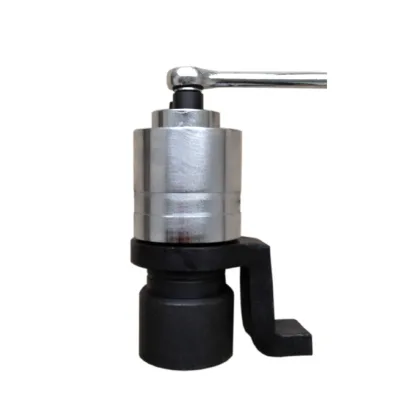
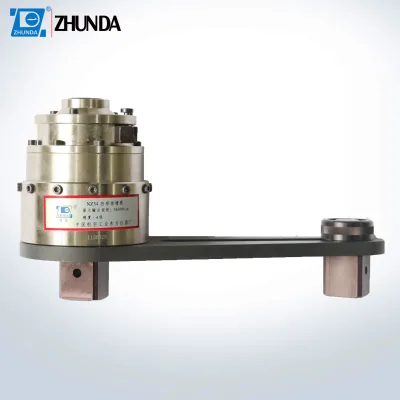
Torque Multiplier Heavy Duty Torque Multiplier Hydraulic Industrial Power Multipliers
$240.00 - $1600.00
MOQ: 1 Pieces


Ball Joint Remover Torque Multiplier with Output 4800n. M for Repair (48164802)
$15.68 - $16.68
MOQ: 300 Pieces


Comprehensive Sourcing Guide
Strategic Sourcing Guide for Labor Saving Torque Multipliers
Procuring a labor-saving torque multiplier requires a rigorous understanding of mechanical specifications, compliance frameworks, and supply chain logistics. These devices are engineered to reduce the physical effort required for high-torque fastening applications by utilizing gear reduction principles. The market offers a diverse range of units, from compact models suitable for specific bolt sizes to heavy-duty systems capable of generating immense force. Buyers must navigate a landscape where product attributes vary significantly between models, necessitating a fact-based approach to selection. This guide outlines the critical dimensions of sourcing these tools, focusing on verified technical parameters, certification standards, and operational considerations derived from current market data.
Technical Specifications and Performance Parameters
The core functionality of a labor-saving torque multiplier is defined by its torque capacity, transmission ratio, and physical dimensions. When evaluating potential units, buyers must distinguish between the input requirements and the output capabilities. The observed market data indicates a wide variance in torque ratings, with specific models ranging from 1,000 to 50,000 Newton-meters (Nm). For instance, certain heavy-duty configurations are rated for a maximum torque of 35,000 Nm, while other specialized units may operate within a range of 1,500 to 50,000 Nm. It is imperative to verify the specific maximum torque rating of the unit under consideration, as this dictates the size of the fasteners it can effectively tighten.
The transmission ratio is another critical technical specification that determines the mechanical advantage. Data suggests ratios can vary from 4:1 up to 180:1, with specific models exhibiting ratios such as 20.25:1 or 5.5:95. A higher ratio allows for greater torque multiplication with less input force, which is essential for large-scale industrial applications. The physical interface is equally important; the input square drive is commonly observed as 1/2 inch, while output squares vary significantly, including 1 inch, 1-1/2 inch, 2 inch, and 2-1/2 inch options. This variability means that the buyer must ensure compatibility with existing socket sets and drive tools.
Physical dimensions and weight are substantial factors for field operations. Units are available in various sizes, with diameters ranging from 85 mm to 275 mm and heights between 180 mm and 360 mm. The weight of these devices can range from 3.5 kg for lighter models to 55 kg for heavy-duty industrial versions. For example, a specific model with a 3,500 Nm capacity weighs approximately 5.5 kg. The working mode is predominantly manual, requiring human input to generate the necessary force, though the mechanical design significantly reduces the physical strain. The material composition is typically aluminum alloy, providing a balance of strength and portability, with surface treatments such as chrome plating or electrophoresis to enhance durability and corrosion resistance.
Compliance and Certification Verification
In the industrial sector, adherence to international standards is non-negotiable for safety and liability reasons. When sourcing torque multipliers, buyers must verify that the supplier can provide documentation confirming compliance with recognized quality and safety standards. The market data indicates that many products are certified under CE and ISO9001 standards, with specific references to ISO9001:2008 and broader certifications including SGS. These certifications suggest that the manufacturing processes meet established quality management criteria, but buyers should always request current, valid certificates rather than relying on general claims.
The standards applicable to these tools often cover multiple metric systems, including Metric, British, German, European, and American types. This versatility is crucial for multinational projects where fastener standards may vary by region. However, the presence of a certification mark does not automatically guarantee that every unit in a batch meets the same rigorous testing protocols. Buyers should explicitly request test reports or calibration certificates that correspond to the specific model number, such as the SOV-FDB series or SOV-FDB-75. It is also essential to confirm that the product origin, often listed as Shanghai or Ningbo in China, aligns with the quality expectations of the purchasing organization.
Cost Drivers and Procurement Economics
The pricing of labor-saving torque multipliers is influenced by several key variables, including torque capacity, material quality, and customization options. The observed price range in the market spans from 0 to 5,000 USD, reflecting the vast difference between small, manual units and large, high-torque industrial systems. The cost is not linear; a unit capable of 50,000 Nm will command a significantly higher price than one rated for 3,500 Nm. Additionally, the complexity of the gear reduction mechanism and the precision of the machining contribute to the final cost.
Customization is a significant factor in procurement costs. The availability of customization options allows buyers to tailor the tool to specific application needs, such as unique drive sizes or specialized coatings. However, custom orders often incur higher unit costs and may affect lead times. The minimum order quantity (MOQ) also plays a role in the economic calculation, with observed ranges from 1 to 2,000 units. For smaller projects, buyers may need to negotiate with suppliers to accept lower quantities, while larger procurement efforts can leverage volume discounts. Payment terms are typically structured as T/T (Telegraphic Transfer), which is standard in international trade but requires careful financial planning to manage cash flow.
Typical Applications and Operational Context
Labor-saving torque multipliers are designed for applications where high torque is required but manual wrenching is impractical or unsafe. These tools are extensively used in the construction, oil and gas, power generation, and heavy machinery industries. The specific bolt and nut sizes supported by these multipliers, ranging from M20 to M100 mm for bolts and S30 to S145 mm for nuts, indicate their suitability for large-scale structural fastening. For example, securing the flanges of large pipelines or assembling heavy industrial equipment often necessitates the use of these devices.
The working mode of these tools is manual, meaning they rely on the operator's physical input to drive the gear system. This makes them ideal for situations where electric or hydraulic power sources are unavailable or impractical. The "labor-saving" aspect is realized through the high transmission ratios, which allow a single operator to achieve torque levels that would otherwise require multiple personnel or powered tools. The product is intended for adult users, and the design prioritizes ergonomics to minimize fatigue during extended use. The folded or unfolded state of the tool is also a consideration; most units are operated in an unfolded state to maximize leverage and stability.
Supplier Evaluation and Quality Control
Evaluating a supplier for torque multipliers requires a focus on their manufacturing capabilities, quality control processes, and after-sales support. Buyers should verify the supplier's ability to provide consistent product quality, particularly regarding the surface treatment and material integrity. The use of aluminum alloy and treatments like chrome plating or electrophoresis are standard, but the consistency of these processes across batches must be assured. A robust quality control system should include checks for dimensional accuracy, torque calibration, and material strength.
Warranty and support are critical components of the supplier evaluation. A standard warranty period of one year is commonly observed in the market, providing a baseline for buyer protection. However, buyers should scrutinize the terms of this warranty, including what is covered and the process for claims. The supplier's location, often in Shanghai or Ningbo, can impact logistics and communication. While these regions are hubs for manufacturing, buyers should ensure that the supplier has the logistical capacity to handle packaging and shipping effectively. The use of standard export wooden cases or wooden packages is typical, but the quality of the packaging must be sufficient to protect the tool during transit.
Long-Term Procurement Considerations
Sourcing torque multipliers is not merely a transactional activity but a strategic decision that impacts long-term operational efficiency. Buyers should consider the availability of spare parts, such as sockets and replacement gears, to ensure the longevity of the equipment. The product model numbers, such as SOV-FDB-35 or SOV-FDB-75, serve as unique identifiers that should be maintained in inventory records to facilitate future reordering. The compatibility of the tool with existing inventory of sockets and drive tools is also a long-term consideration, as switching to a different drive size may require a complete overhaul of the tooling kit.
Stock availability is another factor to consider. The market data indicates that stock is generally available, which can reduce lead times for immediate procurement needs. However, for customized orders or specific high-torque models, lead times may vary. Buyers should establish a clear understanding of the supplier's production capacity and inventory management practices. The ability to scale orders up or down based on project needs is a valuable attribute for suppliers. Finally, the continuous evaluation of the tool's performance in the field will inform future procurement decisions, ensuring that the selected products continue to meet the evolving demands of the organization.
Summary of Key Specifications
To assist in the rapid comparison of available units, the following table summarizes the key technical parameters observed in the market. This data serves as a reference for buyers to align their requirements with available product specifications.
| Parameter | Observed Range / Specific Values | Notes |
|---|---|---|
| Torque Capacity | 1,000 - 50,000 Nm | Specific models: 3,500 Nm, 15,000-50,000 Nm |
| Transmission Ratio | 4:1 - 180:1 | Specific models: 20.25:1, 5.5-95:1 |
| Input Square | 1/2" | Standard for many manual units |
| Output Square | 1", 1-1/2", 2", 2-1/2" | Varies by model and torque rating |
| Bolt Size Range | M20 - M100 mm | Corresponds to torque capacity |
| Nut Size Range | S30 - S145 mm | Hexagonal nut compatibility |
| Weight | 3.5 - 55 kg | Specific model: 5.5 kg |
| Dimensions (Diameter) | 85 - 275 mm | Compact to heavy-duty |
| Dimensions (Height) | 180 - 360 mm | Ergonomic design considerations |
| Material | Aluminum Alloy | Durable and lightweight |
| Surface Treatment | Chrome, Electrophoresis | Corrosion resistance |
| Certifications | CE, ISO9001, SGS | Verify current validity |
| Origin | Shanghai, Ningbo, China | Major manufacturing hubs |
| Warranty | One Year | Standard industry offering |
| Packing | Wooden Package / Export Case | Standard for international shipping |
By adhering to these guidelines and verifying the specific attributes of each product, buyers can make informed decisions that ensure safety, efficiency, and cost-effectiveness in their procurement of labor-saving torque multipliers. The focus on verified data and compliance standards mitigates the risks associated with sourcing industrial tools from a global market.
FAQs
What torque range does a Labor Saving Torque Multiplier offer?
Labor saving torque multipliers offer a torque range from 1,000 to 50,000 Newton-meters. Specific models vary, with some rated at 3,500 Nm and others reaching up to 50,000 Nm depending on the gear ratio and design.
Which certifications are standard for these torque multipliers?
Standard certifications include CE and ISO9001, with some units also carrying SGS approval. Buyers should verify specific model certificates, such as those for the SOV-FDB series, to ensure compliance with international quality standards.
How much does a Labor Saving Torque Multiplier typically weigh?
The weight of these tools ranges from 3.5 kg to 55 kg depending on the capacity. A specific 3,500 Nm model weighs approximately 5.5 kg, while heavy-duty industrial versions can reach the upper limit of 55 kg.
Can I customize the drive size for this tool?
Customization is available for various drive sizes and specifications. Input squares are commonly 1/2 inch, while output squares can be selected from 1 inch to 2 1/2 inch options to match specific socket requirements.
What is the warranty period for these mechanical multipliers?
The standard warranty period for these mechanical torque multipliers is one year. This coverage typically applies to manufacturing defects, though specific terms may vary by supplier and model configuration.
Which materials are used to construct these torque tools?
These tools are primarily constructed from aluminum alloy to balance strength and portability. Surface treatments like chrome plating or electrophoresis are applied to enhance durability and provide resistance against corrosion during industrial use.
How do I find the minimum order quantity for purchase?
The minimum order quantity ranges from 1 to 2,000 units depending on the supplier and customization needs. Buyers can often negotiate lower quantities for immediate stock items, while custom orders may require higher volume commitments.