Source Laboratory High Temperature Heater for Lab Hospital School
Compare 30 Laboratory High Temperature Heater options including hot plates and heating mantles from verified Chinese suppliers. Buyers can review specifications, certifications, and pricing for use in labs, hospitals, and schools.
Key considerations
Products List


DB-IVC Laboratory Heater/Laboratory Hot Plate/ Heating Plate (DB-IVC)
$258.00 - $285.00
MOQ: 10 Pieces


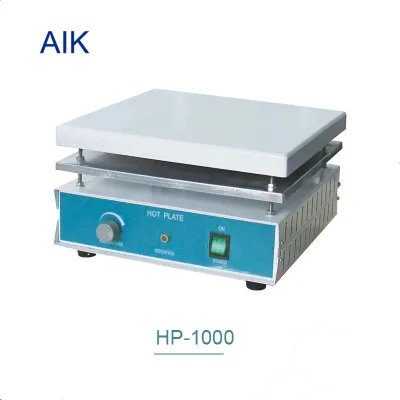
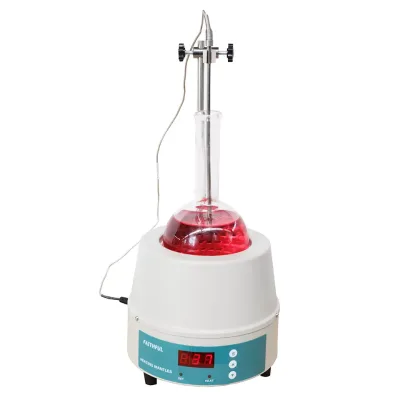


High-Performance 300c Laboratory Heater with Closed Circulation System
$1200.00 - $6500.00
MOQ: 1 Sets

Chemistry Laboratory Equipment Block Heater with High Temperature Range
$239.00 - $289.00
MOQ: 1 Pieces


Chemistry Laboratory School Equipment Block Heater with CE Certificate
$229.00 - $299.00
MOQ: 1 Pieces
Comprehensive Sourcing Guide
Strategic Sourcing Guide for Laboratory High Temperature Heaters
Understanding Technical Specifications and Material Integrity
When sourcing laboratory high temperature heaters, buyers must prioritize the technical architecture that defines the equipment's operational ceiling and durability. The core component of these devices is the heating element, which in many observed configurations is constructed from stainless steel or aluminum. Stainless steel variants are frequently cited as "Hot Plate" or "Stainless Steel Plate" units, offering robust resistance to chemical corrosion and thermal degradation. In contrast, aluminum constructions are noted in specific model lines, such as those designated with "Heating Mantle" attributes, which may offer different thermal mass characteristics suitable for flask-based applications.
The operational temperature range is a critical specification that dictates the heater's suitability for specific laboratory procedures. Market observations indicate that high-temperature models often feature a maximum operating temperature of 450°C. This threshold is essential for applications requiring rapid heating or high-temperature synthesis. Buyers should verify the "Max. Use Temp" or "Max Temp." specifications against their specific experimental requirements, as some units may be rated for continuous operation while others have intermittent duty cycles.
Control precision is another vital technical parameter. Advanced models utilize digital interfaces to manage temperature settings, with some units boasting a temperature resolution of 0.1°C. This level of granularity is often paired with a temperature precision of ±2°C, ensuring that the thermal environment remains stable and reproducible. The power consumption for these units can vary significantly based on the surface area and heating capacity; for instance, larger hot plates may require 3.5kW of power, while smaller mantles or desktop units might operate on lower wattages. Voltage requirements are typically standardized at 220V/50Hz for international markets, though buyers must confirm compatibility with their local power infrastructure.
Physical dimensions and structural design also play a pivotal role in procurement decisions. Desktop configurations are common, with specific packing dimensions observed for different model series. For example, certain models are packed in dimensions of 26cm x 24cm x 19cm, while larger industrial units may require 49cm x 49cm x 27cm packaging. The physical footprint of the heater itself, such as a 42cm x 30cm heating surface, must align with the available laboratory bench space. Additionally, the "Structure" attribute often defines whether the unit is a standalone desktop heater or part of a larger assembly, influencing how it integrates into the lab workflow.
Compliance, Certification, and Regulatory Standards
In the laboratory sector, compliance with international standards is not merely a formality but a prerequisite for safety and data integrity. When evaluating potential suppliers, buyers must scrutinize the certification landscape. High-confidence data indicates that reputable manufacturers often hold certifications such as SGS, ISO, CE, and specific medical device standards like ISO13485. The presence of these certifications suggests that the manufacturing process adheres to rigorous quality management systems.
The ISO family of standards is particularly prevalent in this category. ISO9001 is a general quality management standard, while ISO14001 addresses environmental management, and ISO13485 is specific to medical device quality systems. Products listed with "CE, ISO13485/14001/9001" certifications demonstrate a commitment to meeting diverse regulatory requirements, which is crucial for laboratories operating in healthcare, education, or industrial sectors. The CE mark indicates conformity with health, safety, and environmental protection standards for products sold within the European Economic Area, a common benchmark for global trade.
However, buyers must exercise caution when interpreting certification claims. While some listings explicitly state "Certified" status, others may list the standards without confirming the specific scope of the certification for the product in question. It is essential to verify that the certification covers the specific model being purchased. For instance, a supplier might hold an ISO certificate for their general operations, but the specific heater model may require additional testing to ensure it meets the safety requirements of that standard.
Geographic origin is another factor influencing compliance. Many of the observed products originate from China Mainland, with specific manufacturing hubs identified in Hangzhou, Zhejiang. While this region is a major global supplier of laboratory equipment, buyers should ensure that the supplier's export compliance aligns with the import regulations of their destination country. The "prod_origin" field in product data often provides this baseline, but it does not replace the need for verifying that the specific batch of goods has undergone the necessary third-party testing required for local market entry.
Cost Drivers and Pricing Dynamics
The pricing structure for laboratory high temperature heaters is influenced by a complex interplay of material costs, technological features, and production scale. The observed price range in the market spans from approximately $10 to $150,000 USD. This vast disparity reflects the difference between basic desktop units and large-scale, multi-function industrial systems. A unit priced at the lower end of the spectrum is likely a simple hot plate with basic analog controls, whereas a high-end unit may feature advanced digital interfaces, multiple heating zones, and specialized safety interlocks.
Material composition is a primary cost driver. Stainless steel construction generally commands a higher price than aluminum due to the raw material cost and the additional processing required to ensure corrosion resistance and thermal stability. Similarly, the inclusion of digital control systems, precise temperature resolution, and high-power heating elements adds to the manufacturing cost. The "Customization" attribute, which is available for many models, also impacts pricing. Customized units, which may require specific dimensions, voltage configurations, or branding, typically incur higher costs and longer lead times compared to standard off-the-shelf models.
Minimum Order Quantity (MOQ) is another significant factor in the total cost of ownership. The observed MOQ range for these products is between 1 and 10 units. For laboratories requiring a single unit for immediate use, the ability to purchase a single item is a critical advantage. However, for institutions looking to equip multiple labs or replace aging inventory, bulk purchasing may offer economies of scale. Buyers should negotiate based on their specific volume needs, keeping in mind that some suppliers may offer tiered pricing structures that reduce the unit cost as the order quantity increases.
Packaging and logistics also contribute to the final cost. Standard export cartons are common for smaller units, while larger or more fragile equipment may require wood packaging to prevent damage during transit. The dimensions of the packaging, such as 44cm x 38cm x 16cm or 26cm x 24cm x 19cm, directly influence shipping costs, particularly for air freight. Buyers should factor in these logistics costs when comparing the total landed cost of different suppliers, as a lower unit price may be offset by higher shipping expenses if the packaging is inefficient or the product is heavy.
Typical Applications and Operational Environments
Laboratory high temperature heaters are versatile tools designed to meet the diverse needs of various scientific and industrial environments. The "Application" attribute observed in product data frequently lists Lab, Hospital, School, and Industry as primary use cases. This broad applicability underscores the importance of selecting a heater that can withstand the specific demands of the intended environment.
In academic and research laboratories, these heaters are essential for chemical synthesis, sample preparation, and material testing. The ability to maintain precise temperatures up to 450°C allows researchers to conduct experiments that require controlled thermal conditions. The "Continuous" working time attribute is particularly valuable in these settings, where experiments may run for extended periods without interruption. Digital models with high resolution are preferred in research settings to ensure data reproducibility and accuracy.
Hospital and clinical laboratories utilize these heaters for diagnostic procedures and the preparation of reagents. The presence of ISO13485 certification in some models indicates that they are suitable for medical applications, where sterility and reliability are paramount. In these environments, the ease of cleaning and the durability of the stainless steel surface are critical features to prevent cross-contamination and ensure long-term performance.
Educational institutions, such as schools and universities, often require robust and user-friendly equipment that can withstand frequent use by students. The "Desktop" structure of many heaters makes them ideal for teaching laboratories, where space is often limited. The simplicity of operation, combined with safety features, ensures that students can conduct experiments safely under supervision. The "Heating Mantle" type is particularly useful in teaching settings for heating flasks, as it provides even heat distribution and reduces the risk of breakage.
Industrial applications may involve larger-scale processing or quality control testing. In these contexts, the power output and thermal capacity of the heater are critical. Units with higher power ratings, such as 3.5kW, are suitable for industrial processes that require rapid heating or high thermal loads. The "Industry" application tag suggests that these heaters are designed to meet the rigorous demands of manufacturing and quality assurance environments.
Supplier Evaluation and Quality Assurance
Selecting the right supplier is as important as selecting the right product. Buyers should evaluate potential suppliers based on their technical capabilities, quality assurance processes, and track record. The "Customization" and "Customized" attributes indicate that suppliers are capable of tailoring products to specific client needs, a valuable capability for laboratories with unique requirements.
Quality control should be a central part of the supplier evaluation process. Buyers should request documentation of the manufacturing process, including details on material sourcing, assembly procedures, and final testing. The presence of certifications like SGS and ISO provides a baseline assurance of quality, but buyers should also inquire about the specific testing protocols used for each batch of products. For instance, verifying that the temperature precision of ±2°C is consistently met across all units is essential.
The "prod_model" and "prod_standard" fields in product data provide insight into the supplier's product range and adherence to standards. A supplier offering a diverse range of models, such as the DB-II, DB-III, and PN-101A series, demonstrates a commitment to meeting various market needs. Buyers should also check the "prod_packing" specifications to ensure that the supplier uses appropriate packaging to protect the equipment during transit.
Supplier location and logistics capabilities are also important considerations. Many suppliers are based in China Mainland, with specific manufacturing hubs in Hangzhou, Zhejiang. Buyers should assess the supplier's ability to meet delivery timelines and handle international shipping. The "Capacity(Ml)" and other technical specifications should be clearly communicated to ensure that the supplier understands the buyer's requirements.
Long-Term Procurement and Maintenance Considerations
Procuring laboratory high temperature heaters is a long-term investment that requires careful consideration of maintenance, support, and lifecycle costs. Buyers should prioritize suppliers who offer comprehensive after-sales support, including technical assistance, spare parts availability, and warranty coverage. The "Working Time: Continuous" attribute suggests that these units are designed for durability, but regular maintenance is still necessary to ensure optimal performance.
The "Max Temperature" and "Max. Use Temp" specifications should be monitored over time to ensure that the heater continues to operate within its rated limits. Over time, heating elements may degrade, and the temperature precision may drift. Buyers should establish a maintenance schedule that includes regular calibration and inspection of the heating elements and control systems.
The "Stainless Steel" and "Aluminum" materials used in construction affect the longevity of the equipment. Stainless steel units generally require less maintenance and are more resistant to corrosion, making them a better choice for long-term use in harsh environments. Buyers should also consider the "Voltage" and "Power" requirements when planning for future upgrades or expansions of the laboratory.
Finally, buyers should evaluate the supplier's commitment to innovation and product improvement. The laboratory equipment market is dynamic, with new technologies and standards emerging regularly. A supplier that invests in research and development is more likely to offer products that remain relevant and compliant with evolving regulations. By selecting a supplier with a strong focus on quality and innovation, buyers can ensure that their laboratory high temperature heaters continue to meet their needs for years to come.
FAQs
What certifications do laboratory high temperature heaters typically have?
These heaters often carry SGS, ISO, and CE certifications. Some models also meet specific medical device standards like ISO13485, ISO14001, and ISO9001 to ensure safety and quality compliance for various applications.
Can I find customized laboratory high temperature heaters?
Yes, customization is available for many models to meet specific needs. Buyers can request tailored dimensions, voltage configurations, or branding, though these custom orders may have different lead times compared to standard units.
What is the maximum operating temperature for these heaters?
The maximum operating temperature is typically 450°C for high-temperature models. This threshold supports rapid heating and high-temperature synthesis, with some units designed for continuous working time without interruption.
Which materials are used for the heating plates?
Stainless steel is the primary material used for hot plates and heating surfaces. Some specific models utilize aluminum construction, particularly for heating mantles, offering different thermal mass characteristics for flask-based applications.
How precise is the temperature control on digital models?
Digital models often feature a temperature resolution of 0.1°C with a precision of ±2°C. This level of granularity ensures stable and reproducible thermal environments essential for accurate laboratory experiments and data integrity.
What is the typical minimum order quantity for these heaters?
The minimum order quantity ranges from 1 to 10 units depending on the supplier. This flexibility allows laboratories to purchase single units for immediate use or bulk orders for equipping multiple labs with economies of scale.
Where are these laboratory heaters typically manufactured?
Most products originate from China Mainland, with specific manufacturing hubs in Hangzhou, Zhejiang. Buyers should verify that the supplier's export compliance aligns with their destination country's import regulations for these goods.