Source Laboratory Flask Clamp for Chemistry Labs, Schools, and Research
Compare 30 Laboratory Flask Clamp options from Chinese manufacturers with varying finishes like electroplated and powder-coated. Buyers can review specifications, MOQs, and pricing for stainless steel and metal models suitable for educational and industrial use.
Key considerations
Products List


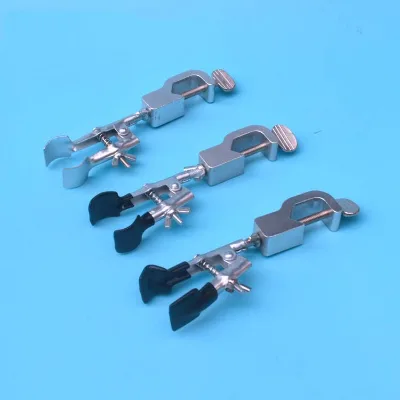

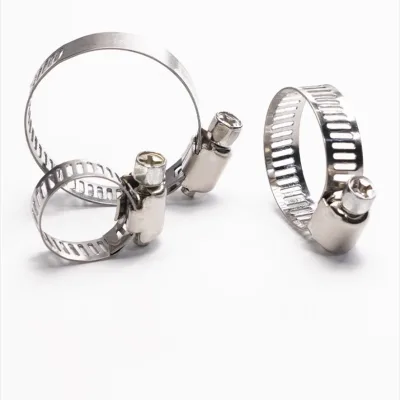
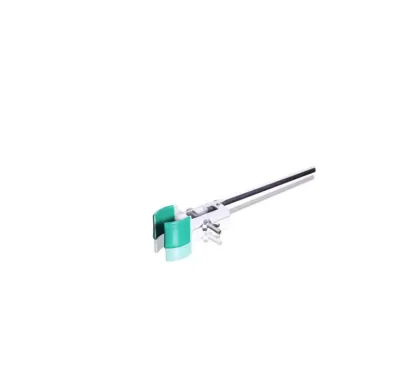
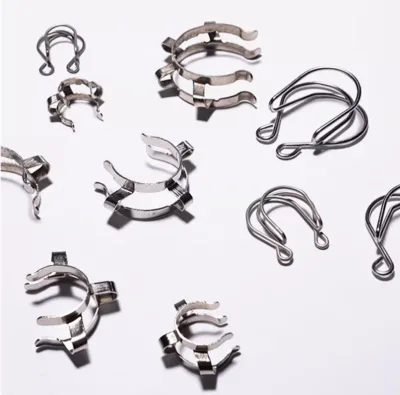
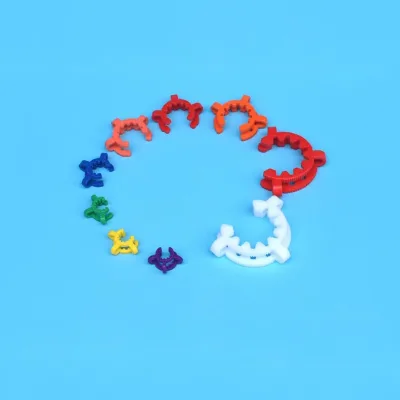


Lab Use Stainless Steel Clamps 3 Prong Glass Beaker Holder Clamps for Chemistry
$12.00 - $15.00
MOQ: 100 Pieces

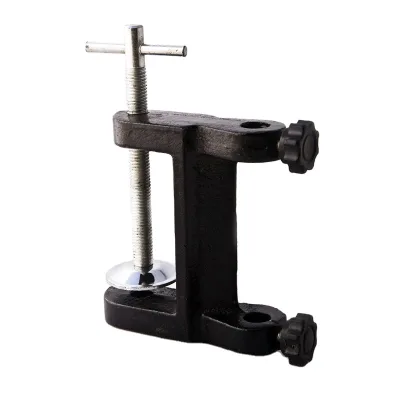
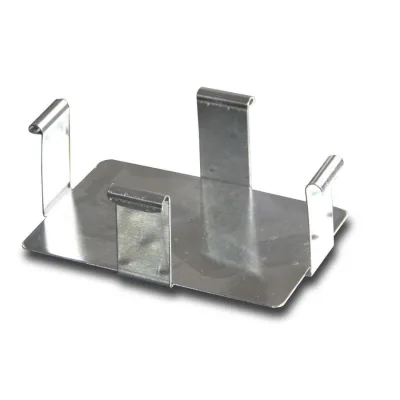
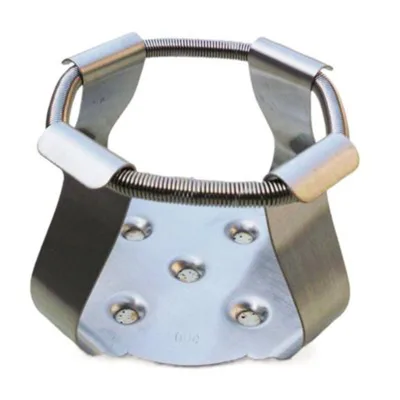
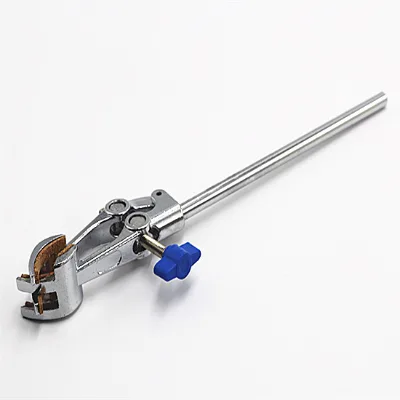
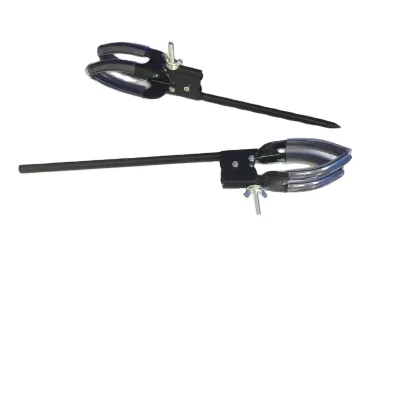


Boss Head Clamp Universal Laboratory Clamp Laboratory Instrument Bosshead Clamp Price
$1.50 - $2.50
MOQ: 200 Pieces

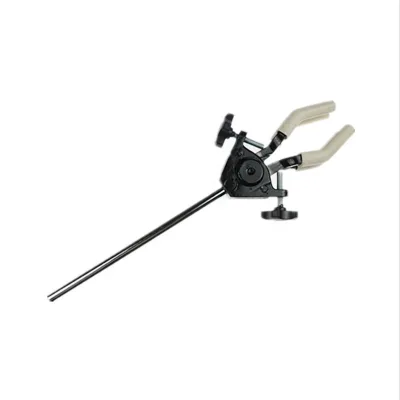

Comprehensive Sourcing Guide
Laboratory Flask Clamp Sourcing Guide
Sourcing laboratory flask clamps requires a careful balance between mechanical stability, material compatibility, and logistical efficiency. These clamps are essential fixtures in chemistry and physics laboratories, designed to secure glassware such as beakers and flasks during heating, mixing, or titration processes. The procurement process involves evaluating various models, from electroplated zinc alloy options to powder-coated steel variants, each offering distinct advantages in terms of corrosion resistance and jaw grip. Buyers must navigate a market characterized by diverse manufacturing origins, primarily within China, where supply chains are robust but require rigorous verification to ensure consistent quality and compliance with international safety standards.
The decision-making process extends beyond simple unit pricing to include total cost of ownership, which encompasses packaging, shipping, and potential customization needs. With observed minimum order quantities (MOQs) ranging from single units to thousands, buyers can tailor their procurement strategy to match inventory turnover rates and budget constraints. Furthermore, the availability of OEM services and customized dimensions allows institutions to standardize their laboratory equipment across multiple facilities. Understanding these variables is crucial for developing a sourcing strategy that minimizes risk while maximizing the utility and longevity of the laboratory infrastructure.
Product Scope and Observed Listing Signals
The current market for laboratory flask clamps presents a wide array of product variations, primarily distinguished by their surface treatment and structural design. Observed listings indicate the presence of electroplated, powder-coated, and white spray-painted models, each catering to different environmental conditions within the lab. For instance, chrome-plated zinc alloy circular jaw clamps offer high durability and a sleek aesthetic, while swivel flask clamps with boss heads provide greater flexibility in positioning. These variations suggest that buyers should not assume a one-size-fits-all approach; instead, they must align the specific finish and mechanism with the intended usage, such as high-heat environments or frequent repositioning needs.
Material composition is another critical signal observed in product listings, with metal and stainless steel being the predominant choices. Stainless steel variants are particularly noted for their resistance to corrosion, making them suitable for laboratories handling volatile chemicals or acidic substances. The observed size ranges, such as 44-64mm and 8-12mm, indicate that these clamps are designed to accommodate a variety of glassware diameters. Buyers should verify that the selected clamp model matches the specific dimensions of their laboratory glassware to ensure a secure fit. Additionally, the presence of bidirectional clamps and adjustable two-tong models highlights the importance of selecting a mechanism that offers the necessary grip strength and adjustability for different experimental setups.
Technical Specifications to Verify
When evaluating technical specifications, buyers must prioritize the dimensional accuracy and structural integrity of the flask clamp. Key parameters include the jaw width, height, and overall dimensions, which directly impact the clamp’s ability to hold glassware securely. For example, specific models are listed with precise measurements such as W89mm H22mm for bidirectional clamps or W117mm H35mm for powder-coated variants. These dimensions should be cross-referenced with the manufacturer’s datasheets to ensure compatibility with standard laboratory equipment. Buyers should also verify the material thickness and the quality of the plating or coating, as these factors influence the clamp’s resistance to wear and tear over time.
Another critical aspect of technical verification is the shelf life and warranty period provided by the supplier. A typical shelf life of three years suggests that the materials used are stable and resistant to degradation under normal storage conditions. However, buyers should confirm whether this shelf life applies to the raw materials or the finished product, as improper storage can affect performance. Additionally, the warranty period, often listed as one year, serves as an indicator of the manufacturer’s confidence in their product’s durability. Buyers should inquire about the terms of the warranty, including coverage for manufacturing defects and the process for claiming replacements, to mitigate potential risks associated with product failure.
Compliance and Safety Documentation
Compliance with international standards is a non-negotiable aspect of sourcing laboratory equipment, particularly when it comes to safety and quality assurance. Buyers should verify that the flask clamps meet relevant ISO certifications, which indicate that the manufacturer adheres to rigorous quality management systems. While specific certification numbers may not always be listed, the presence of ISO compliance suggests a baseline level of quality control in the manufacturing process. Buyers should request copies of these certifications to ensure that the supplier’s quality management system is up-to-date and recognized by international bodies. This documentation is essential for maintaining accreditation in educational and research institutions that adhere to strict safety protocols.
In addition to quality certifications, buyers must consider the safety implications of the materials used in the flask clamps. For instance, the use of zinc alloy and stainless steel should be verified to ensure that these materials do not leach harmful substances into the laboratory environment. Buyers should also check for any specific safety warnings or handling instructions provided by the manufacturer, particularly for clamps with sharp edges or high-tension mechanisms. Ensuring that the product complies with local safety regulations is crucial for preventing accidents and maintaining a safe working environment. Buyers should also verify that the packaging materials are non-toxic and suitable for international shipping, as improper packaging can lead to damage and potential safety hazards.
Cost Drivers and Commercial Terms
The cost of laboratory flask clamps is influenced by several factors, including material costs, manufacturing complexity, and packaging requirements. Observed price ranges vary significantly, reflecting the diversity of product specifications and quality levels. Buyers should analyze the cost structure to understand the value proposition of each option, considering factors such as durability, ease of use, and maintenance requirements. For instance, stainless steel clamps may have a higher upfront cost but offer longer service life and lower maintenance needs compared to standard metal variants. Buyers should also consider the total cost of ownership, including shipping, customs duties, and potential replacement costs, to make an informed purchasing decision.
Commercial terms, such as MOQ and payment conditions, play a crucial role in the procurement process. The observed MOQ range of 1 to 5000 units allows buyers to scale their orders based on demand and budget constraints. However, buyers should negotiate favorable terms, such as volume discounts or flexible payment schedules, to optimize cash flow. Additionally, the packaging details, including standard export cartons and neutral packing options, can impact shipping costs and storage efficiency. Buyers should ensure that the packaging is robust enough to protect the clamps during transit and that it meets the requirements of their logistics partners. Clear communication of commercial terms with the supplier is essential to avoid misunderstandings and ensure a smooth transaction.
Supplier Qualification and Quality Control
Supplier qualification is a critical step in the sourcing process, as it directly impacts the reliability and consistency of the product supply. Buyers should conduct thorough due diligence on potential suppliers, verifying their manufacturing capabilities, production capacity, and quality control processes. The observed supply ability of 100,000 boxes per month indicates that some suppliers have significant production capacity, but buyers should confirm whether this capacity is consistent and reliable. Additionally, buyers should assess the supplier’s experience in the laboratory equipment industry, as this can influence their understanding of customer needs and their ability to provide technical support.
Quality control measures should be integrated into the procurement process to ensure that the flask clamps meet the required specifications. Buyers should request samples for testing before placing large orders, evaluating factors such as grip strength, material quality, and finish durability. Implementing a quality inspection protocol, such as pre-shipment inspections, can help identify and rectify defects before the products are dispatched. Buyers should also establish clear communication channels with the supplier to address any quality issues promptly. Building a strong relationship with the supplier based on transparency and mutual trust can lead to better cooperation and improved product quality over time.
Long-Term Procurement Checks
Long-term procurement success depends on continuous monitoring and evaluation of supplier performance and product quality. Buyers should establish key performance indicators (KPIs) to track metrics such as delivery times, defect rates, and customer satisfaction. Regular reviews of these metrics can help identify areas for improvement and ensure that the supplier remains aligned with the buyer’s expectations. Additionally, buyers should stay informed about industry trends and technological advancements in laboratory equipment, as this can influence future purchasing decisions. Engaging in regular feedback loops with the supplier can foster innovation and lead to the development of customized solutions that meet evolving laboratory needs.
Sustainability and ethical sourcing practices are increasingly important considerations in long-term procurement strategies. Buyers should assess the supplier’s commitment to environmental responsibility, including their use of sustainable materials and energy-efficient manufacturing processes. Verifying that the supplier adheres to ethical labor practices and complies with relevant environmental regulations can enhance the buyer’s brand reputation and reduce associated risks. By prioritizing sustainability and ethical sourcing, buyers can contribute to a more responsible and resilient supply chain. Regular audits and assessments of the supplier’s sustainability practices can help ensure that these commitments are being met and continuously improved.
FAQs
What materials are used for laboratory flask clamps?
Laboratory flask clamps are primarily constructed from metal, with stainless steel being a common material choice. Some models feature electroplated, powder-coated, or chrome-plated zinc alloy finishes to enhance durability and resistance to corrosion in laboratory environments.
Can I find customized laboratory flask clamps?
Yes, customized laboratory flask clamps are available through OEM support services. Buyers can request specific modifications to the product, although some standard listings may also be offered as non-customized items depending on the specific manufacturer's capabilities.
What is the shelf life of these clamps?
The shelf life for these laboratory flask clamps is typically three years when stored properly. This duration ensures the structural integrity and coating quality remain effective for standard laboratory applications before any potential degradation occurs.
How are laboratory flask clamps packaged for shipping?
Laboratory flask clamps are packaged in standard export cartons, often with a quantity of fifty pieces per box. Some listings specify neutral packing or single-item cartons, ensuring safe transport from the origin in China to international destinations.
Which specifications are available for adjustable clamps?
Adjustable clamps come in various jaw sizes ranging from 8-12mm up to 44-64mm to fit different flask diameters. Specific models include bidirectional options and swivel designs with boss heads to accommodate diverse laboratory setup requirements.
What is the minimum order quantity for these clamps?
The minimum order quantity varies by supplier but can be as low as one piece or as high as five thousand pieces. Many standard listings indicate an MOQ of fifty pieces, allowing flexibility for both small and bulk procurement needs.
Where are these laboratory flask clamps manufactured?
These clamps are manufactured in China, with specific production locations including Sichuan, Zhejiang, and Jiangxi provinces. The products are dispatched from major ports such as Shanghai, Ningbo, Guangzhou, Shenzhen, and Chongqing to facilitate global export.