Source Laboratory Fine Grinder for Lab, Mine, and Research
Source a Laboratory Fine Grinder from 30 verified listings. Compare models like the SQM-0.4L and XMQ Series for planetary ball milling, mineral processing, and sample analysis. Evaluate specs including variable speed, metal and agate materials, and fine powder grinding capabilities for your specific operational needs.
Key considerations
Products List


China Fangda 380 Small Laboratory Special High Precision Grinding Machine
$8000.00 - $20000.00
MOQ: 1 Pieces

Manufacturing 380 Small Laboratory Special Grinding High Precision Grinding Machine
$8000.00 - $20000.00
MOQ: 1 Pieces


$20000.00 - $30000.00
MOQ: 1 Pieces


Laboratory Vibrating Pulverizer/Laboratory Sample Grinder/Lm2 Pulverizer Mill
$2380.00 - $10000.00
MOQ: 1 Pieces


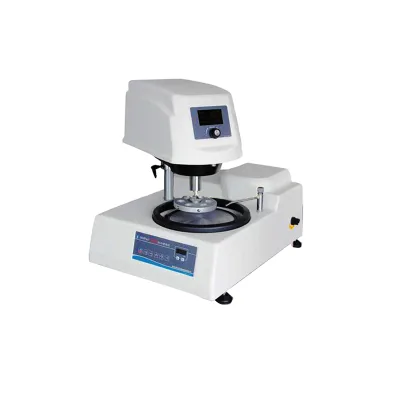


Laboratory Grinding and Polishing Machine with Programmable Processes
$8999.00 - $12942.00
MOQ: 1 Pieces


Compact Grinding and Polishing Machine for Laboratory Sample Preparation
$1000.00 - $1440.00
MOQ: 1 Pieces

Comprehensive Sourcing Guide
Laboratory Fine Grinder Sourcing Guide
Procurement professionals must first distinguish between general bench grinders and specialized planetary ball mills designed for high-precision laboratory applications. The available market data indicates a specific focus on equipment capable of fine powder grinding for artificial placer materials and ores, rather than general metalworking tasks. Buyers should prioritize listings that explicitly state "Fine Powder Grinding" as a core feature and confirm the working style is centrifugal, ensuring the machine aligns with analytical sample preparation needs rather than bulk industrial processing.
When evaluating product listings, it is critical to verify that the equipment matches the specific material requirements of the laboratory, such as the use of agate or metal bowls for different contamination thresholds. The observed product range includes models like the SQM-0.4L and XPM-120, which offer varying capacities from 30g to 90g per bowl. Sourcing decisions should be driven by the specific output granularity required, typically within 0.074mm, and the ability to handle feeding sizes up to 1.5mm without compromising the integrity of the sample analysis.
Product Scope and Observed Listing Signals
Buyers should scrutinize the product name and application tags to ensure the equipment is genuinely a planetary ball mill rather than a standard bench grinder. The market signals show a clear distinction where "Planetary Ball Mill" is the primary product name for fine grinding tasks, while "Bench Grinder" appears as a broader category descriptor that may not suit high-precision analytical work. It is essential to confirm that the drive mechanism is electric and the motor type is an AC motor, as these specifications directly impact the consistency and reliability of the grinding process in a controlled lab environment.
The physical specifications and packaging details provide significant insight into the intended use and logistical requirements of the machinery. Listings often specify boundary dimensions around 750700480mm and weights near 105kg, which necessitates adequate laboratory floor space and handling equipment. Furthermore, the observation of "Wooden Package" or "Plywood Carton" packing suggests that the equipment requires robust protection during transit, and buyers must verify if the packing standard meets export requirements to prevent damage before the machine reaches the facility.
Technical Specifications to Verify
Verification of the rotation speed and feeding granularity is paramount for ensuring the final output meets analytical standards. The observed data indicates a rotational speed range of 20-22r/min for certain models, which must be cross-referenced against the desired particle size reduction for specific ore or mineral processing research. Buyers should confirm that the machine can consistently achieve an outcome granularity of 0-0.074mm, as this threshold is critical for accurate chemical analysis and material characterization in laboratory settings.
Capacity and bowl material selection are equally vital technical parameters that influence the throughput and purity of the ground samples. The available models offer single bowl capacities ranging from 30g to 90g, requiring buyers to calculate the total volume needed for their specific research projects. Additionally, the material of the grinding bowls, such as agate or metal, must be selected based on the sample's sensitivity to contamination, ensuring that the crushing style of grinding and impact does not introduce foreign elements into the final powder product.
Compliance and Safety Documentation
Safety compliance in laboratory grinding equipment primarily revolves around the electrical drive systems and the mechanical integrity of the rotating components. Buyers must request documentation confirming that the electric drive and AC motor adhere to local electrical safety standards, particularly given the high-speed centrifugal working style involved. While specific certification names are not universally listed in the provided data, the presence of an 18-month warranty and online lifetime technical support suggests a manufacturer commitment to maintaining operational safety and reliability over the product's lifecycle.
Documentation regarding the crushing style and material compatibility is essential for preventing hazardous reactions during the grinding process. The observed "No Pollution" feature implies that the equipment is designed to minimize cross-contamination, but buyers should verify this claim through material safety data sheets or specific testing protocols for the chosen bowl material. Ensuring that the machine operates within the specified boundary dimensions and weight limits also contributes to the overall safety of the laboratory environment by preventing structural instability during high-speed operation.
Cost Drivers and Commercial Terms
The pricing structure for laboratory fine grinders is influenced by the complexity of the grinding mechanism and the specific material composition of the grinding bowls. The observed price range spans from 1 to 320,000 USD, reflecting the vast difference between basic models and high-precision planetary ball mills with advanced customization options. Buyers should analyze the "Attractive" price claims in the context of the specific model features, such as variable speed capabilities and the inclusion of fine powder grinding features, to determine the true value proposition of the equipment.
Commercial terms regarding the minimum order quantity and warranty coverage play a significant role in the total cost of ownership. The data indicates a minimum order quantity of 1 set, which allows for flexible procurement without the need for bulk purchasing commitments. However, the 18-month warranty period and the availability of online lifetime technical support are critical factors that mitigate long-term operational risks. Buyers should negotiate clear terms regarding the scope of after-sales service to ensure that any technical issues are resolved promptly without incurring additional costs.
Supplier Qualification and Quality Control
Supplier qualification should focus on the origin and manufacturing standards of the equipment, as the data points to Hunan and China as key production locations. Buyers must verify that the supplier adheres to export packing standards and provides detailed product specifications that match the observed models like the XMQ Series or XMQL. The presence of specific model numbers and standardized dimensions suggests a level of manufacturing consistency, but buyers should still request quality control reports to confirm that each unit meets the specified boundary dimensions and weight requirements.
Quality control processes must extend beyond the initial manufacturing stage to include pre-shipment inspections and functional testing. The observation of "New" condition and specific packing methods like wooden packages indicates that the supplier takes measures to protect the equipment during transit. Buyers should require evidence of the "No Pollution" feature through material testing or certification, ensuring that the grinding bowls and internal components are free from contaminants that could compromise the integrity of the laboratory samples.
Long-Term Procurement Checks
Long-term procurement success depends on the availability of spare parts and the robustness of the after-sales support infrastructure. The provision of online lifetime technical support is a significant advantage, but buyers should verify the response time and the specific technical expertise available to resolve complex issues related to the variable speed drive or motor failures. Ensuring that the supplier can provide replacement parts for the AC motor or grinding bowls is essential for maintaining continuous laboratory operations without extended downtime.
Regular maintenance and performance monitoring are critical for sustaining the precision of the fine grinding process over time. Buyers should establish a schedule for checking the rotational speed consistency and the condition of the grinding bowls to prevent wear that could affect the final output size. The ability to customize the equipment and the availability of different models suggest that the supplier can adapt to evolving research needs, but a proactive maintenance plan is necessary to ensure the equipment continues to meet the strict granularity requirements of laboratory analysis.
FAQs
What is the final output size for the Planetary Ball Mill?
The final output size is within 0.074mm. This capability allows for fine powder grinding of laboratory samples. The machine uses a centrifugal working style with variable speed. It is suitable for analyzing artificial placer materials and ores in research settings.
Can the Laboratory Fine Grinder be customized for specific needs?
Yes, customization is available for this equipment. Buyers can request specific packaging options such as wooden packages or plywood cartons. The drive is electric, and the motor type is an AC motor. This flexibility supports various laboratory sample powder grinding applications.
What is the warranty period for the bench grinder models?
The warranty period is 18 months. This coverage applies to the new condition equipment supplied. After-sales service includes online lifetime technical support. This ensures long-term reliability for mineral processing research organizations and pilot operations using the fine grinder.
Which materials are used in the construction of these grinders?
The materials include metal and agate components. Some models may involve gold materials in specific configurations. The agate material ensures no pollution during the grinding process. This makes the equipment ideal for sensitive laboratory sample analysis and fine powder production.
What is the capacity of the single bowl in the mill?
The capacity of the single bowl is 30g. Another model specification lists a capacity of 90g. These capacities support fine grinding of artificial placer materials. The equipment is designed for laboratory use, ensuring precise analysis and sample preparation for research organizations.
How does the variable speed feature benefit laboratory operations?
The variable speed feature allows for controlled grinding intensity. This is essential for fine powder grinding of ores. The electric drive ensures stable operation. Buyers can adjust speeds to achieve the desired final output size within 0.074mm for accurate laboratory sample analysis.