Source Laminated Aluminum Plastic Film Roll for Food, Pharma, and Apparel
Find 30 listings for Laminated Aluminum Plastic Film Roll designed for food, pharmaceutical, and apparel packaging. Compare specifications including thickness, width, and sealing methods from verified manufacturers in China.
Key considerations
Products List


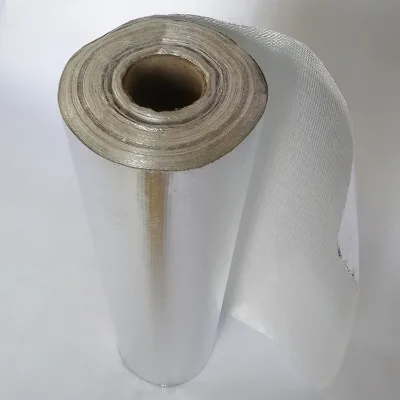


Chinese Factory Price Snack Food Plastic Packaging Film Aluminum Film Laminated Film Rolls Printed
$0.18 - $0.28
MOQ: 12000 Square Meters


Comprehensive Sourcing Guide
Strategic Sourcing Guide for Laminated Aluminum Plastic Film Rolls
Understanding Core Material Composition and Technical Architecture
When sourcing laminated aluminum plastic film rolls, the primary objective is to identify a product that balances barrier properties with mechanical durability. The supply chain for these materials is diverse, often featuring variations in raw material composition that directly impact performance. Based on available market data, the foundational layers frequently include PET (Polyethylene Terephthalate) and Aluminum, serving as the structural and barrier components respectively. In some configurations, the material is described as a "Compound Material" or "Laminted Method," indicating a multi-layer construction designed to enhance specific functional attributes.
The functional architecture often incorporates an Aluminum (AL) layer, which is critical for blocking light, moisture, and oxygen. This is frequently paired with a Heat Seal layer, which can vary in composition; observed data points to LDPE (Low-Density Polyethylene) and EAA (Ethylene Acrylic Acid) as common sealing agents. The transparency of the final product is typically opaque, a necessary feature for protecting light-sensitive contents. The layering structure is often described as "Basic Level" or "Heat Seal," suggesting a standard industrial configuration rather than a highly specialized, multi-functional stack. Buyers must verify the specific order of these layers, as the sequence determines the film's resistance to tearing and its ability to maintain a hermetic seal under stress.
Defining Precise Technical Specifications and Dimensions
Technical specifications are the bedrock of any successful procurement process for film rolls. The physical dimensions and thickness tolerances must align strictly with the requirements of the filling and sealing machinery at the destination facility. Observed market data indicates a standard roll width ranging from 50mm to 1100mm, with a thickness specification often falling between 5 and 15 microns, though customized thicknesses are frequently available. This variability allows for adaptation to different packaging formats, from small sachets to large industrial bags.
The standard dimensions for certain product models are explicitly noted as 640mm by 120m, representing a specific configuration of width and length. However, buyers should not assume this is the universal standard. Other models, such as those designated by codes like ZY-19 or ZY-83, may possess different dimensional profiles. The weight of the material is another critical specification, with observed data listing grammage options such as 73g, 83g, and 130g. These weight variations correlate directly with the density of the aluminum and plastic layers, influencing the overall barrier performance and the cost per unit.
Furthermore, the printing capabilities of the film must be considered during the specification phase. The market supports Flexo Printing methods with a color capacity ranging from 1 to 9 colors. This range allows for complex branding and regulatory labeling, but the buyer must confirm that the specific film substrate selected is compatible with their chosen printing inks and drying processes. The "Custom" standard designation found in some listings suggests that dimensions and weights can be tailored, but this requires clear communication of tolerances to avoid production delays.
Navigating Compliance, Certifications, and Regulatory Standards
Compliance is non-negotiable when sourcing materials for food, pharmaceutical, and agricultural applications. The regulatory landscape requires that the film rolls meet specific safety and quality benchmarks. Observed data highlights a robust set of certifications often associated with these products, including ISO 9001, QS, ISO22000, and HACCP. These certifications indicate that the manufacturing facility adheres to international quality management systems and food safety protocols.
ISO 9001 serves as a baseline for quality assurance, ensuring consistent production processes. ISO22000 and HACCP are particularly vital for food and pharmaceutical packaging, as they address hazard analysis and critical control points. The QS certification is another indicator of quality in specific regional markets. Buyers must verify that the certificates provided are current and issued by accredited bodies. It is important to note that while some background information may reference standards like EN602 or ISO9001:2000, the active and relevant certifications for current procurement should be the ones explicitly listed in the product documentation, such as ISO 9001 and ISO22000.
For applications involving direct food contact or pharmaceutical use, the material composition must be free from harmful substances. While specific chemical test results are not universally listed in general product descriptions, the presence of certifications like HACCP implies a rigorous internal testing regime. Buyers should request a Certificate of Analysis (CoA) for each batch to confirm that the aluminum and plastic layers do not contain prohibited heavy metals or migratory substances that could compromise product safety.
Cost Drivers and Economic Factors in Procurement
The pricing of laminated aluminum plastic film rolls is influenced by a complex interplay of raw material costs, production complexity, and order volume. The observed price range in the market is vast, spanning from $0.01 to $4000 per unit, though this wide range likely reflects the difference between small sample rolls and large industrial pallets. The primary cost driver is the price of aluminum, which fluctuates based on global commodity markets. Since the aluminum layer is a critical barrier component, any increase in aluminum prices will directly impact the final cost of the film.
Order volume is the second significant factor. The Minimum Order Quantity (MOQ) varies widely, with observed data showing ranges from 1 unit up to 30,000 units. Specific listings indicate an MOQ of 500kgs for certain film rolls, while others may accept smaller quantities for custom orders. Buyers should be aware that smaller order quantities often incur a higher per-unit cost due to the setup costs associated with printing and lamination processes. Customization options, such as specific widths, thicknesses, or printing designs, also add to the cost.
Packaging and logistics represent another cost component. The observed data mentions packaging methods ranging from simple bags to shrink film and wooden pallets. The choice of packaging affects the efficiency of shipping and the risk of damage during transit. Additionally, the mode of transport—by sea, air, or land—will influence the final landed cost. Sea freight is typically the most economical for large volumes, while air freight may be necessary for urgent, smaller orders. Buyers should factor in these logistics costs when calculating the total cost of ownership.
Typical Applications and Industrial Use Cases
Laminated aluminum plastic film rolls are versatile materials used across a broad spectrum of industries. The observed data identifies several key industrial uses, including Food, Pharmaceutical, Apparel, and Agriculture. In the food sector, these films are essential for preserving freshness, preventing moisture ingress, and protecting against light degradation. The opaque nature of the film makes it ideal for packaging sensitive products like coffee, spices, and dairy powders.
In the pharmaceutical industry, the barrier properties of the aluminum layer are critical for maintaining the potency and sterility of medications. The certifications such as ISO22000 and HACCP are particularly relevant here, ensuring that the packaging meets strict hygiene standards. The film is often used for blister packs, sachets, and pouches that require high levels of protection against humidity and oxygen.
The agricultural sector also utilizes these films for packaging fertilizers, seeds, and animal feed. The durability of the compound material ensures that the packaging can withstand the rigors of storage and transportation. Additionally, the apparel industry may use these films for packaging high-value items that require protection from dust and moisture. The ability to customize the printing method allows for branding and product information to be clearly displayed on the packaging, adding value to the end product.
Supplier Evaluation and Quality Control Protocols
Selecting the right supplier is as important as selecting the right product. Buyers should evaluate suppliers based on their production capacity, quality control systems, and logistical capabilities. The observed data indicates that suppliers are located in regions such as Zhejiang and Qingzhou, China. While these locations are known for manufacturing, buyers should verify the specific factory's capabilities and history.
Quality control should be a continuous process, not just a final inspection. Buyers should request samples to test the film's seal strength, tear resistance, and barrier properties. The "Layered" attribute, described as "Basic Level" or "Heat Seal," should be verified through practical testing to ensure it meets the specific requirements of the packaging line. The "Hardness" of the film, noted as "Soft" in some listings, must be compatible with the filling equipment to prevent jams or misfeeds.
Suppliers should also demonstrate a commitment to customization. The "Custom Order" attribute is widely available, allowing buyers to tailor the film to their specific needs. However, this requires clear communication of specifications and expectations. Buyers should also check the supplier's ability to provide consistent quality over time, as variations in the lamination process can lead to defects.
Long-Term Procurement Considerations and Supply Chain Resilience
Long-term procurement strategies for laminated aluminum plastic film rolls must account for supply chain resilience and sustainability. The reliance on aluminum and plastic raw materials means that buyers are exposed to global market volatility. Diversifying the supplier base can mitigate the risk of supply disruptions. Buyers should consider maintaining relationships with multiple suppliers to ensure continuity of supply.
Sustainability is becoming an increasingly important factor in procurement. While the current data does not explicitly mention recyclability, buyers should inquire about the environmental impact of the materials used. The "Compound Material" nature of the film can sometimes complicate recycling efforts, so exploring options for mono-material structures or recyclable laminates may be beneficial for companies with strong sustainability goals.
Finally, the lead time and production capacity of the supplier are critical for long-term planning. The observed data mentions lead times and production capabilities, but these can vary based on order volume and customization requirements. Buyers should establish clear communication channels with suppliers to track production progress and anticipate any potential delays. By focusing on these long-term considerations, buyers can build a robust and reliable supply chain for their laminated aluminum plastic film needs.
Comparative Analysis of Product Attributes
To assist in decision-making, the following table summarizes key attributes observed in the market for laminated aluminum plastic film rolls. This comparison highlights the variability in specifications and helps buyers identify the most suitable product for their specific needs.
| Attribute | Observed Value/Range | Relevance to Procurement |
|---|---|---|
| Material Composition | PET, Aluminum, LDPE, EAA | Determines barrier properties and seal strength. |
| Thickness | 5-15 Micron (Customizable) | Affects durability and machine compatibility. |
| Roll Width | 50-1100mm | Must match packaging machinery specifications. |
| Opacity | Opaque | Essential for light-sensitive product protection. |
| Printing Method | Flexo Printing (1-9 Colors) | Enables branding and regulatory labeling. |
| Certifications | ISO 9001, ISO22000, HACCP, QS | Critical for food and pharma compliance. |
| MOQ | 1 to 30,000 units (or 500kgs) | Influences unit cost and inventory management. |
| Industrial Use | Food, Pharma, Apparel, Agriculture | Defines the required barrier and safety standards. |
| Packaging | Carton, Shrink Film, Wooden Pallet | Impacts logistics efficiency and damage risk. |
| Origin | Zhejiang, Qingzhou, China | Indicates manufacturing hub and potential lead times. |
This table serves as a reference point for buyers to compare different product offerings. It is crucial to note that not every product will possess every attribute listed; buyers must verify the specific attributes of the product they intend to purchase against their operational requirements. By carefully evaluating these factors, buyers can make informed decisions that balance cost, quality, and performance.
FAQs
What certifications do laminated aluminum plastic film rolls have?
These rolls typically hold ISO 9001, QS, ISO22000, and HACCP certifications. These standards ensure the manufacturing facility adheres to international quality management and food safety protocols for pharmaceutical and food applications.
Which raw materials are used in the film construction?
The film is constructed using PET and Aluminum layers, often with Hot Gold Foil. This compound material structure includes functional layers like AL and heat seal agents such as LDPE or EAA for durability.
Can I customize the dimensions and thickness of the roll?
Yes, custom orders are accepted with thickness ranging from 5 to 15 microns or customized values. Roll widths are available between 50mm and 1100mm to fit specific machinery requirements.
What is the minimum order quantity for these film rolls?
The minimum order quantity varies, with some listings requiring 500kgs while others accept orders starting from 1 unit. The specific MOQ depends on the product model and customization level requested.
How are the film rolls packaged for shipping?
Packaging options include cartons, bags, shrink film, and wooden pallets depending on the product model. The transport method can be arranged by sea, air, or land to suit logistics needs.
What printing methods and colors are supported?
Flexo printing is the standard method, supporting between 1 and 9 printing colors. This allows for complex branding and regulatory labeling on the opaque, light-blocking film surface.