Source Laser Cut Custom Acrylic Disc for stores, homes, exhibitions
Compare 30 listings for Laser Cut Custom Acrylic Disc options with varying thicknesses, colors, and customization features. Buyers can evaluate specifications like tensile strength and water absorption to find suitable materials for indoor or outdoor display applications.
Key considerations
Products List




Versatile Cutting Disc for Professional Use on Glass, Porcelain, and Stone
$0.80 - $0.86
MOQ: 10 Pieces
Comprehensive Sourcing Guide
Strategic Sourcing Guide for Laser Cut Custom Acrylic Discs
Understanding the Technical Profile of Acrylic Discs
When sourcing laser-cut custom acrylic discs, the primary objective is to align the material properties with the intended application environment. The core material for these components is acrylic, which presents itself in two distinct manufacturing forms: extruded or cast. This distinction is critical because extruded acrylic generally offers better dimensional stability during the cutting process, while cast acrylic provides superior optical clarity and chemical resistance. Buyers must verify the specific acrylic type before placing an order, as the performance characteristics vary significantly between the two.
The physical dimensions of the disc are highly flexible, with suppliers typically accommodating custom sizes ranging from small diameters like 50mm up to larger industrial scales. Thickness is another pivotal specification, with a standard operational range spanning from 1mm to 30mm. For laser cutting applications, thinner gauges between 1mm and 3mm are common for decorative items, while thicker sheets up to 30mm are utilized for structural or heavy-duty display components. The density of the material is a consistent factor, typically observed around 1.20g/cm³, which influences the weight and handling requirements of the final product.
Mechanical properties also dictate the suitability of the disc for specific uses. The tensile strength of the acrylic sheet generally falls within the range of 51 to 80 MPa, ensuring the material can withstand moderate stress without fracturing. Water absorption is a key metric for durability, particularly in humid environments; observed values for high-quality acrylic are often below 0.01%, though some grades may exhibit absorption rates between 0.12% and 0.25%. Additionally, the thermal contraction percentage is a vital consideration for precision parts, with observed ranges varying from less than 0.4% to as high as 1.4% depending on the grade and manufacturing process. Buyers should request specific test data for the exact batch they intend to purchase to ensure these metrics meet their engineering tolerances.
Compliance, Certification, and Material Verification
In the B2B procurement landscape, verifying the compliance status of acrylic products is essential for risk mitigation. While the supply chain for acrylic sheets is robust, specific certifications such as ISO 9001 or ISO 13485 are often cited in broader industry contexts but may not apply to every specific product listing or supplier. Procurement teams must treat these certifications as variables to be confirmed rather than guaranteed attributes of every supplier.
The material grade is another area requiring strict verification. High-quality sourcing guides recommend confirming that the acrylic is 100% virgin material. This ensures the absence of recycled content that could compromise optical clarity, introduce impurities, or reduce the structural integrity of the laser-cut edges. The absence of recycled fillers is particularly important for applications requiring high transparency or specific color consistency.
Furthermore, the origin of the product plays a role in compliance and logistics. A significant portion of acrylic disc manufacturing originates from Guangdong, China, a major hub for plastic processing. Buyers should verify the specific country of origin for their orders, as this impacts shipping costs, import duties, and supply chain transparency. While some listings may mention "China" broadly, precise localization helps in assessing the reliability of the supply chain and the consistency of quality control standards applied during production.
Cost Drivers and Pricing Structures
The pricing of laser-cut custom acrylic discs is influenced by a complex interplay of factors, including material type, thickness, order volume, and customization complexity. The observed price range for these products can vary widely, typically spanning from $0 to $155 USD per unit, depending on the specific configuration and quantity. This wide variance underscores the importance of defining clear specifications before requesting quotes.
Minimum Order Quantity (MOQ) is a significant cost driver. Suppliers often set MOQs ranging from 1 piece for prototyping to 5,000 pieces for mass production. A common benchmark for standard acrylic discs is an MOQ of 500 pieces. Orders falling below this threshold may incur higher per-unit costs due to the setup time required for laser cutting machinery. Conversely, larger orders often benefit from economies of scale, reducing the unit price significantly.
Customization also adds to the cost. While standard sizes and colors are more affordable, requests for custom designs, specific logos via silk-screening, engraving, or laser marking, and non-standard thicknesses will increase the final price. The packaging method, whether it involves simple PE film, foam, cartons, or wood pallets with protective film, also contributes to the overall cost. Buyers should evaluate whether the packaging level is necessary for their logistics needs to avoid unnecessary expenses.
Typical Applications and Usage Scenarios
Laser-cut custom acrylic discs are versatile components used across a diverse array of industries. Their primary usage categories include exhibition shows, specialty stores, supermarkets, and general home applications. The material's durability and aesthetic appeal make it ideal for decorative display purposes, where the discs serve as bases, dividers, or standalone art pieces.
The versatility of the product allows it to be used for displaying "anything," from retail products to promotional items. The ability to customize the design means these discs can be tailored to specific branding requirements, making them a popular choice for marketing materials. The surface treatment options, such as frosted finishes, add another layer of functionality, allowing for light diffusion or a matte aesthetic that contrasts with the standard clear or colored options.
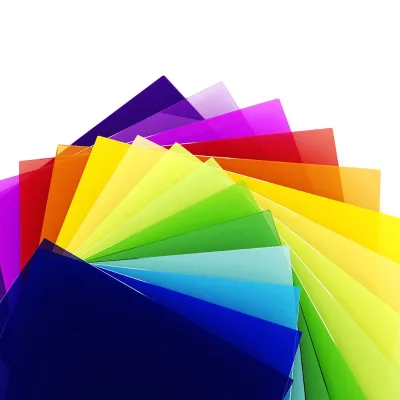
Color availability is extensive, with options including clear, white, green, blue, pink, red, black, yellow, and grey. This wide palette enables designers to match the discs to specific brand colors or thematic requirements. Whether used indoors or outdoors, the acrylic disc offers a balance of weather resistance and visual appeal, provided the correct grade is selected for the environment.
Supplier Evaluation and Quality Assurance
Selecting the right supplier requires a rigorous evaluation process focused on technical capability and reliability. Buyers should prioritize suppliers who demonstrate expertise in laser cutting processes, as this technology is central to the product's production. The surface treatment and edge quality are critical indicators of a supplier's proficiency. A high-quality laser cut should result in smooth, polished edges without excessive charring or melting, which can occur if the machine settings are not optimized for the specific acrylic thickness.
Packaging standards are another key evaluation metric. Observed packaging methods include PE film, foam, master cartons, and wood pallets with protective film. The choice of packaging should align with the fragility of the product and the distance of the shipment. For long-distance international shipping, robust packaging involving wood pallets and multiple layers of protection is often necessary to prevent damage.
Quality control should be a continuous process rather than a final inspection. Buyers should inquire about the supplier's internal quality assurance protocols, including how they handle color consistency, dimensional accuracy, and surface defects. The ability to provide samples before bulk production is a strong indicator of a supplier's confidence in their quality control systems. Additionally, verifying the supplier's location and production capacity can help ensure they can meet delivery timelines and handle volume fluctuations.
Long-Term Procurement Considerations
Sourcing laser-cut custom acrylic discs is not just a one-time transaction but part of a long-term supply chain strategy. Buyers must consider the scalability of their orders and the supplier's ability to maintain consistency over time. The lead time for production is a critical factor, with observed delivery times ranging from 10 days for standard orders to longer periods for complex customizations. Understanding these timelines is essential for inventory management and project planning.
Sustainability and material sourcing are becoming increasingly important in B2B procurement. While the provided data does not explicitly detail environmental certifications, buyers should inquire about the recyclability of the acrylic and the supplier's waste management practices. The use of 100% virgin material is a positive attribute, but understanding the lifecycle of the product can help in making more informed decisions.
Finally, the relationship with the supplier should be built on clear communication and mutual understanding of specifications. Regular reviews of performance, including adherence to quality standards, delivery times, and responsiveness to issues, will help maintain a healthy supply chain. By focusing on these long-term factors, buyers can ensure a steady supply of high-quality laser-cut custom acrylic discs that meet their evolving business needs.
Comparative Analysis of Acrylic Specifications
To assist buyers in making informed decisions, the following table summarizes key technical specifications observed in the market for laser-cut custom acrylic discs. This comparison highlights the variability in properties and the importance of verifying specific data points for each order.
| Specification | Observed Range / Options | Critical Verification Point |
|---|---|---|
| Material Type | Extruded or Cast Acrylic | Confirm type based on optical vs. dimensional needs |
| Thickness | 1mm to 30mm | Verify tolerance for laser cutting precision |
| Density | 1.20 g/cm³ | Check for consistency across batches |
| Water Absorption | <0.01% to 0.25% | Ensure low absorption for humid environments |
| Tensile Strength | 51~80 MPa | Validate structural integrity for load-bearing |
| Contraction % | <0.4% to 1.4% | Critical for dimensional stability in precision parts |
| Color Options | Clear, White, Green, Blue, Pink, Red, Black, Yellow | Confirm color matching for branding |
| Surface Treatment | Frosted, Clear, Custom | Verify finish quality and light diffusion needs |
| Packaging | PE Film, Foam, Carton, Wood Pallet | Assess protection level for shipping distance |
| Origin | Guangdong, China (or general China) | Verify specific location for logistics planning |
This table serves as a reference for the diverse range of options available in the market. Buyers should use it as a checklist to ensure all relevant specifications are addressed during the sourcing process, avoiding assumptions that all products will meet every listed criterion. By maintaining a disciplined approach to verification and documentation, procurement teams can secure high-quality acrylic discs that meet their specific operational requirements.
FAQs
What thickness options are available for laser cut custom acrylic discs?
Thickness ranges from 1mm to 30mm depending on the specific product model. Standard decorative discs often use 1mm to 3mm, while structural displays may require up to 30mm. Custom thickness requests are accommodated to meet specific engineering tolerances.
Can buyers customize the design and logo on these acrylic discs?
Yes, customized design and logo options are available for these products. Buyers can request silk-screened, engraved, or laser-marked logos. The material allows for various shapes and sizes to align with specific branding or display requirements.
Which acrylic types are used for manufacturing these laser cut discs?
Both extruded and cast acrylic types are utilized for production. Extruded acrylic offers better dimensional stability during cutting, while cast acrylic provides superior optical clarity. The specific type should be verified based on the intended application environment.
What is the typical minimum order quantity for these acrylic discs?
The minimum order quantity varies from 1 piece for prototyping to 5000 pieces for mass production. A common benchmark for standard orders is 500 pieces. Lower quantities may incur higher per-unit costs due to setup requirements.
How long does delivery take for standard laser cut acrylic disc orders?
The standard delivery time is approximately 10 days for most orders. This timeline applies to standard configurations without complex customizations. Longer lead times may apply for large volume orders or highly specific design requirements.
Where are these laser cut custom acrylic discs manufactured?
The primary manufacturing origin is Guangdong, China. Some listings may simply state China as the country of origin. Verifying the specific location helps in assessing supply chain reliability and logistics planning.
What packaging methods are used to protect these acrylic discs during shipping?
Packaging typically includes PE film, foam, and master cartons. Some orders may use wood pallets with protective film for added security. The packaging level depends on the shipping distance and fragility of the specific product configuration.