Source Laser Cut Acrylic Letters for Store Signs, Offices, and Events
Explore 30 listings for Laser Cut Acrylic Letters designed for store signage, office branding, and event displays. Buyers can compare customization options, materials like clear acrylic, and specifications such as thickness and depth to find the right luminous or static letters for their projects.
Key considerations
Products List
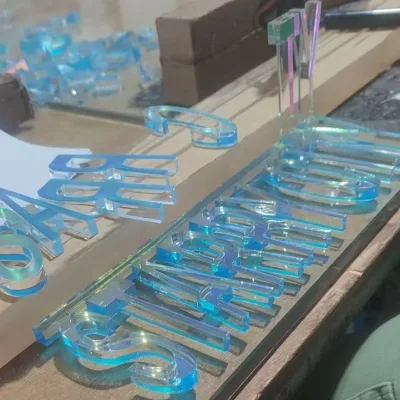
Laser Cut Acrylic 3D Letter Sign, Acrylic Alphabet, DIY Acrylic English Letters
$0.20 - $10.00
MOQ: 100 Minimum


Customized Laser Cut Acrylic Logo Letter Flat Cut Acrylic Letter Sign
$0.80 - $1.00
MOQ: 1 centimeters


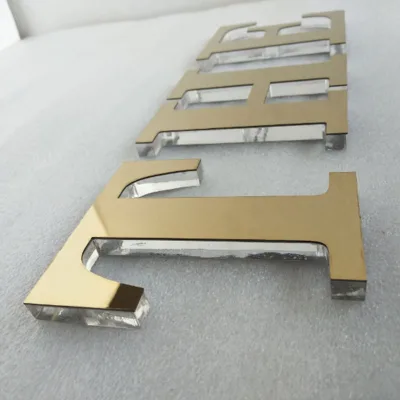


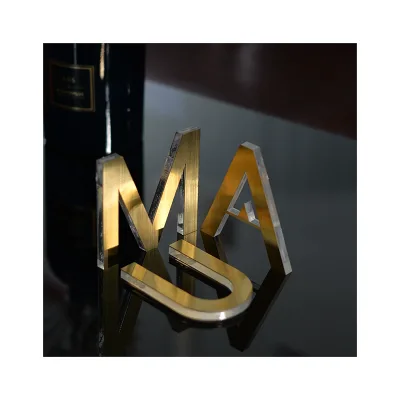
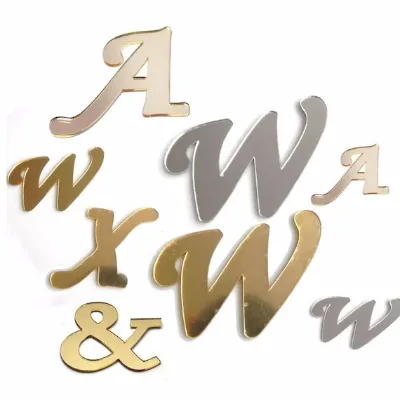


Custom Laser Cutting Acrylic Numbers Plexiglass Plastic a to Z Word Letter
$0.18 - $0.36
MOQ: 100 Pieces

Laser Cutting Acrylic Plastic Letters and Numbers with Customized Font Style
$0.22 - $0.89
MOQ: 100 Pieces


Comprehensive Sourcing Guide
Strategic Sourcing Guide for Laser Cut Acrylic Letters
Understanding Technical Specifications and Material Variations
When sourcing Laser Cut Acrylic Letters, buyers must first navigate the diverse technical specifications that define product performance and aesthetic appeal. The core material for these signage solutions is typically acrylic, a thermoplastic known for its clarity, durability, and ease of fabrication. However, product attributes can vary significantly between listings. For instance, some products are described as having a "Clear" color with a thickness ranging from 3mm to 5mm, while others offer "Customized Color" options to match specific brand identities. The physical dimensions are equally critical; while some standard offerings come in "One Size," many suppliers provide "Customized Product" sizes and "Customized Shape" configurations to fit unique architectural or branding requirements.
The fabrication method often dictates the final finish. Laser engraving and silk screen printing are common techniques observed in the market, alongside offset printing for more complex graphics. The structural integrity of the letter is often enhanced by the side materials; high-end luminous options may feature a stainless steel side, contrasting with the acrylic face, to ensure a robust frame. Depth is another variable, with observed ranges spanning from 5cm to 10cm, which directly impacts the three-dimensional presence of the sign. Buyers should verify the specific depth and face material combination, as a "Luminous Letter" with high luminous intensity requires different internal lighting considerations than a standard "Display & Protection" unit. Furthermore, the installation method is a crucial technical factor; most acrylic letters are designed for "Adhered" installation, though the "Easy to Install" attribute suggests that some models may include pre-drilled holes or specific mounting hardware to simplify the process.
Compliance, Certification, and Quality Standards
In the B2B procurement of signage, verifying compliance and certification is essential to ensure that the product meets safety and quality benchmarks. While specific certification status can vary by manufacturer, buyers should actively look for established quality management systems. One observed standard in the market is ISO9001:2008, which indicates a supplier's commitment to consistent quality control processes. Additionally, product standards such as SGS are critical indicators of material safety and performance verification. When evaluating potential suppliers, procurement teams should request documentation proving adherence to these standards rather than relying on general marketing claims.
Beyond formal certifications, buyers must assess the product's suitability for its intended environment. For outdoor applications, the "Waterproof" attribute is a non-negotiable specification to prevent degradation from rain or humidity. The "Durable" feature is often cited as a key characteristic, but this should be validated against the specific material thickness and side construction. For example, a letter with a 3mm thickness may be suitable for indoor office use but insufficient for high-traffic outdoor areas where a 5mm thickness or reinforced stainless steel sides are required. Buyers should also verify the "Standard" or "Customized" nature of the product standards, ensuring that the manufacturing process aligns with local building codes and safety regulations in the destination market.
Cost Drivers and Pricing Structure Analysis
The pricing of Laser Cut Acrylic Letters is influenced by a complex interplay of factors, including material costs, customization levels, and order volume. The observed market price range spans from 0 to 250 USD, but this broad spectrum reflects the variability in product complexity rather than a uniform cost structure. A significant driver of cost is the "Customization" level; "Customized Logo Acceptable" and "Customized Color" options typically incur higher unit costs compared to standard clear or pre-defined color options. The "Model Number" also plays a role, with specific models like JC-123051601 or YJ-M009 potentially having distinct pricing tiers based on their specific design features and material composition.
Order volume is another primary cost determinant, heavily influenced by the Minimum Order Quantity (MOQ). The market exhibits a wide MOQ range, from as low as 1 Set to as high as 20,000 pieces. Suppliers with a lower MOQ, such as 100 pieces or 1 set, may charge a premium per unit to cover setup and machining costs, whereas larger orders can leverage economies of scale. The "Supply Ability" of the manufacturer, often cited as 3000 pieces per month, also impacts pricing; high-volume suppliers may offer more competitive rates for bulk orders, while smaller workshops might charge more for smaller batches. Buyers should also consider the "Package" type; while "Standard Export Package" is common, specialized packaging like "Carton Case by Express" or "Wooden Case by Sea" can add to the overall landed cost, particularly for international shipments.
Typical Applications and Usage Scenarios
Laser Cut Acrylic Letters serve a versatile range of applications, driven by their aesthetic flexibility and functional durability. The primary usage categories observed include "Display & Protection" and "Advertisement." In commercial settings, these letters are frequently deployed in "Restaurant, Office, Door, and School" environments. The "Love" style mentioned in product attributes suggests a trend toward decorative and emotional branding, suitable for boutique retail or hospitality venues. For outdoor applications, the "Waterproof" and "Durable" attributes make these letters ideal for storefronts and building facades where weather resistance is paramount.
The application environment also dictates the choice between standard and luminous options. "Luminous Letter" types with "High" luminous intensity are specifically designed for nighttime visibility, making them a preferred choice for businesses operating in low-light conditions or those requiring 24-hour brand presence. The "Low" power consumption attribute of these luminous units ensures energy efficiency, a critical consideration for large-scale installations. Furthermore, the "Installation" method of being "Adhered" makes them suitable for a variety of surfaces, from glass doors to solid walls, without the need for complex structural modifications. Buyers should match the "Application" requirements with the specific product features, ensuring that the chosen letter type aligns with the intended location and lighting conditions.
Supplier Evaluation and Geographic Considerations
Evaluating suppliers requires a thorough understanding of their geographic capabilities and logistical strengths. The majority of observed suppliers are located in "Guangdong, China" and "Jiangsu, China," regions known for their robust manufacturing ecosystems and specialized acrylic processing capabilities. The "Port of dispatch" is frequently identified as "Shenzhen," a major logistics hub that facilitates efficient international shipping. When selecting a supplier, buyers should verify the "Place of Origin" to ensure it aligns with their supply chain preferences and to anticipate potential lead times based on regional production capacity.
Supplier reliability is often gauged by their "Supply Ability" and "OEM/ODM" capabilities. Suppliers offering "OEM ODM Availalble" services provide the flexibility to customize products beyond standard specifications, which is crucial for brands with unique identity requirements. The "Brand Name" associated with the product, such as JingCheng or Yijiao, can serve as an initial indicator of market presence, though buyers should conduct independent due diligence on the manufacturer's reputation. The "Shipment Way" options, including "by Sea/Air/Express," indicate the supplier's logistical flexibility. Buyers should assess whether the supplier can accommodate their preferred shipping method and whether they offer "Standard Export Package" or more specialized packaging solutions to protect the product during transit.
Quality Control and Long-Term Procurement Strategy
Implementing a robust quality control (QC) strategy is vital for mitigating risks associated with custom signage procurement. Buyers should prioritize suppliers who offer a "Warranty," such as the "1 Year" warranty observed in some listings, as this indicates confidence in product longevity. The "Feature" of being "Durable" should be validated through physical samples or third-party testing reports, particularly for outdoor applications where exposure to UV radiation and temperature fluctuations can degrade acrylic over time. The "Thickness" specification, ranging from 3mm to 5mm, is a key QC metric; buyers must ensure that the delivered product matches the ordered thickness to guarantee structural integrity.
For long-term procurement, establishing a clear communication channel regarding "Customization" and "Logo" requirements is essential. The "Customized Logo Acceptable" attribute highlights the importance of precise file formats and color matching during the design phase. Buyers should also consider the "Package" quality; "Carton" or "Carton Box" packaging must be sufficient to prevent scratches or breakage during shipping. Finally, maintaining a relationship with suppliers who have a consistent "Supply Ability" ensures that future reorders can be fulfilled without significant delays. By focusing on these quality and logistical factors, buyers can secure a reliable supply chain for their laser cut acrylic letter needs, ensuring consistent brand representation and operational efficiency.
FAQs
What customization options are available for Laser Cut Acrylic Letters?
Customization is available for logos, colors, shapes, and sizes to match specific brand needs. Suppliers accept customized logos and offer clear or customized color options with thickness ranging from 3mm to 5mm for various applications.
Can I order a single set of Laser Cut Acrylic Letters?
Yes, some suppliers accept a minimum order quantity of just one set for initial testing or small projects. Other vendors may require a higher volume, such as 100 pieces, depending on their specific production capabilities and setup costs.
Which certifications should I look for in laser cut acrylic letter manufacturers?
Look for manufacturers with ISO9001:2008 certification to ensure consistent quality control processes. Some products also adhere to SGS standards, which verify material safety and performance for your specific signage requirements.
How thick are the standard Laser Cut Acrylic Letters available?
Standard thickness for these letters typically ranges from 3mm to 5mm depending on the model. This thickness ensures durability for both indoor display and outdoor protection applications while maintaining structural integrity.
What is the supply capacity for laser cut acrylic letter production?
Typical supply ability is around 3000 pieces per month for standard orders. This capacity allows for steady fulfillment of bulk requests while accommodating customization needs like OEM or ODM services.
Can these letters be used for outdoor advertising applications?
Yes, these letters are designed for outdoor use and feature waterproof properties to withstand weather conditions. They are suitable for restaurants, offices, and schools with high luminous intensity for nighttime visibility.
Which printing methods are used for Laser Cut Acrylic Letters?
Common printing methods include silk screen printing, laser engraving, and offset printing for complex graphics. These techniques allow for durable branding and clear text on the acrylic face of the letters.