Source Laser Cut Custom Chassis for Steel Workshops and Platforms
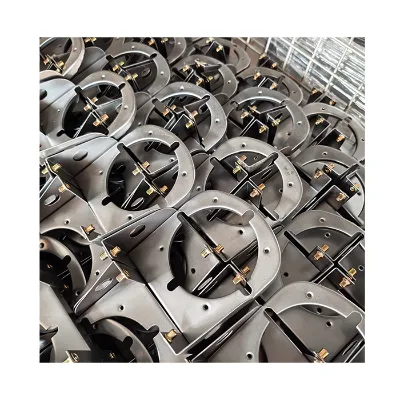
Find 30 verified suppliers offering Laser Cut Custom Chassis for steel workshops, steel structure platforms, and general steel fabrication. Compare specifications including materials like steel and aluminum, tolerances, and surface treatments to select the right manufacturer for your project; compare the available evidence and request quotations based on your requirements.
Key considerations
Products List


Custom Stamping Laser Cutting Sheet Metal Enclosure Chassis Manufacturer
$3.00 - $5.00
MOQ: 1000 Pieces


Custom Sheet Metal Fabrication Chassis Base Laser Cutting Stainless Steel
$1.00 - $100.00
MOQ: 1 Pieces

Custom Sheet Metal Fabrication Chassis Base Laser Cutting Stainless Steel Aluminum
$1.00 - $100.00
MOQ: 1 Pieces


Chassis Base Laser Cutting Assembly Stainless Steel Aluminum Sheet Forming
$1.00 - $100.00
MOQ: 1 Pieces




Comprehensive Sourcing Guide
Laser Cut Custom Chassis Sourcing Guide
Product Scope and Observed Listing Signals
Buyers sourcing Laser Cut Custom Chassis should recognize that these components are typically fabricated from steel, aluminum, and other metals, with carbon structural steel grades like Q235 being a common material choice for industrial applications. The manufacturing process generally involves laser cutting, bending, stamping, and welding, allowing for high precision in creating complex structural frames. Listings often indicate that these parts are non-standard components, meaning they are not off-the-shelf items but are instead tailored to specific mechanical or structural requirements. This customization is further supported by the availability of OEM and ODM services, where suppliers can produce parts based on client-provided designs or physical samples.
The observed market signals suggest a wide range of customization options, including surface treatments like polishing and anodizing, as well as color customization to meet aesthetic or identification needs. Suppliers frequently accept various digital drawing formats such as CAD, Solidworks, PRO/E, Step, and PDF, which facilitates accurate quotation and production planning. It is important to note that while many listings offer standard packaging, others provide customized packaging solutions like wooden boxes or pallets to ensure safe transit. Buyers should verify if the supplier’s production capabilities align with their specific volume needs, as observed minimum order quantities can vary significantly across different manufacturers.
Technical Specifications to Verify
When evaluating technical specifications, tolerance is a critical parameter that directly impacts the fit and function of the assembled chassis. Many suppliers advertise a tolerance of +/-0.1mm or +/-0.10mm, which is suitable for many precision engineering applications, but buyers must confirm if this tolerance applies to all dimensions or only specific critical features. The machining methods employed, such as laser cutting, welding, and forming, should be matched to the material thickness and complexity of the design. It is advisable to request detailed engineering drawings that highlight critical dimensions and geometric tolerances to ensure the supplier understands the functional requirements of the chassis.
Surface treatment and material selection are equally important for durability and performance. Available materials often include stainless steel, aluminum, and iron, each offering different properties regarding weight, corrosion resistance, and strength. Surface treatments like polishing or anodizing can enhance the lifespan of the chassis, particularly in harsh environments. Buyers should verify the specific grade of steel or alloy being used, as generic terms may not guarantee the required mechanical properties. Additionally, the standard package or pallet options should be reviewed to ensure they protect the finished parts from damage during shipping, especially for delicate or precision-machined components.
Compliance and Safety Documentation
Compliance with international and regional standards is essential for ensuring the quality and safety of Laser Cut Custom Chassis. Observed listings reference several standards, including JIS Code, GB, ASME, TEMA, API EN, and China GB Code, indicating that suppliers may cater to diverse global markets. Buyers must verify which specific standards apply to their intended application, as different industries have varying regulatory requirements. For instance, structural components used in steel workshops or platforms may need to meet specific load-bearing and safety codes that differ from those for general mechanical assemblies.
Documentation such as inspection reports and quality control records should be requested to verify compliance. Suppliers often mention inspection processes like IQC, PQC, FQC, and OQC, which cover incoming quality control, process quality control, final quality control, and outgoing quality control. Buyers should ask for sample inspection reports to understand the supplier’s quality management system. It is also important to confirm if the supplier holds any relevant certifications that validate their ability to produce parts to the specified standards. This documentation provides assurance that the chassis meets the necessary safety and performance criteria for its intended use.
Cost Drivers and Commercial Terms
The cost of Laser Cut Custom Chassis is influenced by several factors, including material selection, complexity of the design, and surface treatment requirements. Listings indicate that quotations are typically provided based on customer drawings or physical samples, which allows for accurate pricing but requires detailed design information upfront. Buyers should be aware that custom packaging options, such as wooden cases or specialized pallets, may incur additional costs compared to standard carton packaging. Understanding these variables helps in budgeting accurately and avoiding unexpected expenses during the procurement process.
Commercial terms and delivery times are also significant cost drivers. Observed trade terms include FOB, EXW, and CIF, each affecting the total landed cost depending on the buyer’s location and logistics capabilities. Delivery times are often cited as 10-15 days, but this can vary based on order volume and customization complexity. Buyers should clarify if sample fees are required and if they are refundable upon placing a bulk order. Negotiating clear terms regarding payment schedules, shipping responsibilities, and potential penalties for delays can help mitigate financial risks and ensure a smoother procurement experience.
Supplier Qualification and Quality Control
Supplier qualification is a critical step in ensuring the reliability of Laser Cut Custom Chassis procurement. Buyers should verify the supplier’s production capabilities, including their experience with laser cutting, welding, and bending processes. The availability of OEM and ODM services suggests that the supplier can handle custom projects, but buyers should assess their technical expertise and past performance. Requesting references or case studies can provide insight into the supplier’s ability to meet specific quality and delivery requirements. It is also important to confirm the supplier’s location, as many listings indicate origins in China, which may impact logistics and communication.
Quality control processes should be thoroughly evaluated to ensure consistent product quality. Suppliers often mention comprehensive inspection protocols, including IQC, PQC, FQC, and OQC, which cover the entire production lifecycle. Buyers should ask for details on how defects are handled and what corrective actions are taken. Visual inspections and dimensional checks should be part of the quality assurance process. Additionally, buyers should consider conducting factory audits or third-party inspections to verify the supplier’s quality management systems. This due diligence helps minimize the risk of receiving substandard parts and ensures that the chassis meets the required specifications.
Long-Term Procurement Checks
Long-term procurement success depends on establishing a robust relationship with the supplier and implementing continuous improvement strategies. Buyers should monitor supplier performance over time, tracking metrics such as on-time delivery, defect rates, and responsiveness to issues. Regular communication and feedback loops can help identify areas for improvement and strengthen the partnership. It is also advisable to review the supplier’s ability to scale production as business needs grow. Suppliers that offer flexible customization and reliable quality control are better positioned to support long-term procurement goals.
Sustainability and adaptability are increasingly important factors in supplier selection. Buyers should inquire about the supplier’s environmental practices and their ability to adapt to changing market conditions or regulatory requirements. The availability of after-sales service, such as a one-year warranty, can provide additional peace of mind and support. Buyers should also consider the supplier’s capacity for innovation and their willingness to collaborate on design improvements. By maintaining a proactive approach to supplier management, buyers can ensure a steady supply of high-quality Laser Cut Custom Chassis that meets their evolving operational needs.
FAQs
Can Laser Cut Custom Chassis be made from my own drawings?
Yes, custom chassis are produced according to your drawings, and CAD, Solidworks, PRO/E, Step, and Pdf files are accepted. Physical samples can also be used as the quotation basis. Quotation is provided according to your drawings, so clear, complete drawings help the factory confirm materials, tolerances, and processing steps before production begins.
What materials are available for Laser Cut Custom Chassis?
Steel, stainless steel, aluminum, iron, and other metals are commonly available, with carbon structural steel Q235 used for many chassis applications. The right choice depends on load requirements, corrosion exposure, and surface treatment plans. Share your working environment and strength needs so the supplier can recommend the most suitable metal.
What tolerance can Laser Cut Custom Chassis achieve?
A tolerance of around +/-0.1mm is typically achievable for laser cut and bent chassis parts. Tighter requirements may be possible depending on the part geometry, material thickness, and subsequent welding or machining steps. State critical dimensions clearly on your drawings so the factory can confirm feasibility before quoting.
Which processes are used to make Laser Cut Custom Chassis?
Typical processings include laser cutting, bending, stamping, welding, polishing, and anodizing, so a chassis can be cut, formed, joined, and finished in one workflow. This suits steel workshop structures, steel structure platforms, and steel fabricated components. Confirm the full process chain in your drawing package to avoid gaps.
Can I get samples before mass production of a chassis?
Yes, samples are available, but a sample fee is required. This lets you verify cutting quality, bending accuracy, welding, and surface finish before committing to volume. After sample approval, production and packaging follow your confirmed specification and drawings, so keep any adjustments documented.
How are Laser Cut Custom Chassis packed and delivered?
Standard packing options include cartons, wooden boxes, pallets, containers, or PE bags plus cartons, customized according to your requirements. Delivery time is typically 10-15 days after confirmation, depending on order size and finishing steps. Trade terms such as FOB, EXW, or CIF can be arranged, so specify packing preferences early.
Can Laser Cut Custom Chassis be customized in design and color?
Yes, customization is available for dimensions, materials, surface treatment, and color options. Because these are non-standard, customized products made to order, each chassis is quoted individually from your drawings or a physical sample. Provide complete CAD or Step files along with finish and color requirements to receive an accurate quotation.
What quality inspection applies to custom chassis orders?
Inspection is carried out across stages such as IQC, PQC, FQC, and OQC, covering incoming materials, in-process checks, final verification, and outgoing review. After-sales service of one year is offered. These controls help ensure tolerances, welding quality, and surface treatments match your drawings before shipment.